
Choose from a wide range of NEWCV resume templates and customize your NEWCV design with a single click.

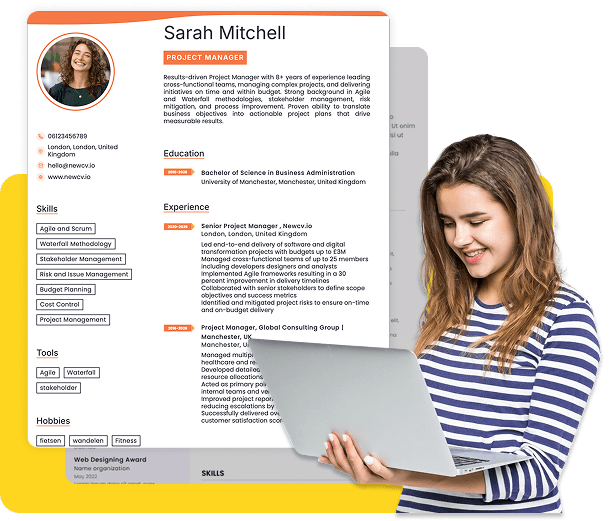
Use ATS-optimised Resume and resume templates that pass applicant tracking systems. Our Resume builder helps recruiters read, scan, and shortlist your Resume faster.

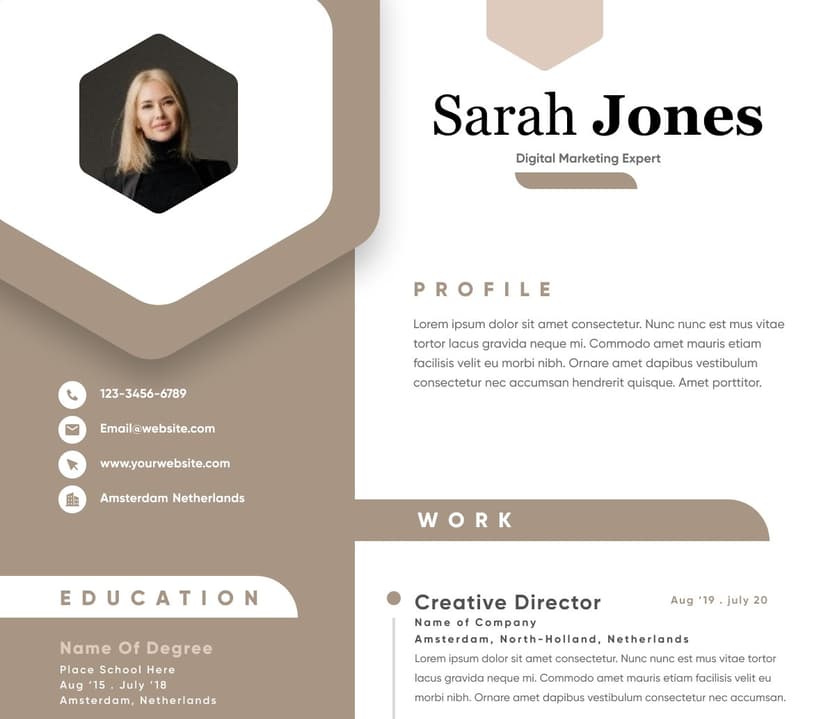
Use professional field-tested resume templates that follow the exact Resume rules employers look for.
Create Resume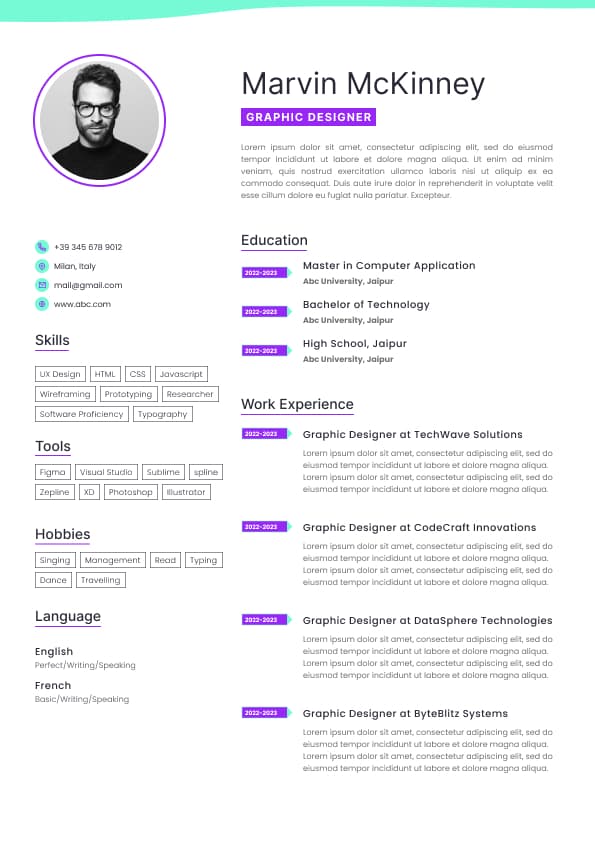
Use professional field-tested resume templates that follow the exact Resume rules employers look for.
Create ResumeMost Australian employers now use Applicant Tracking Systems (ATS) to filter resumes before a recruiter even sees them. But the biggest mistake candidates make is treating ATS keywords like a stuffing exercise instead of a positioning strategy.
The reality is this: ATS software in Australia does not “hire” candidates. It helps recruiters narrow down large applicant pools. Your resume still needs to sound credible, relevant, and aligned with how hiring managers assess fit. That means the right keywords must appear naturally in the right places, backed by evidence of experience and outcomes.
If your resume is not getting interviews despite being qualified, weak keyword alignment is often one of the main reasons. This guide explains how ATS keywords actually work in the Australian hiring market, where recruiters look for them, how to identify the right keywords for your role, and how to optimise your resume without sounding robotic or over-engineered.
ATS keywords are the specific words, phrases, skills, qualifications, tools, certifications, job titles, and industry terms that recruiters and ATS software scan for when assessing resumes.
These keywords help determine whether your experience matches the requirements of the role.
In Australia, ATS systems are widely used across:
Corporate employers
Government recruitment
Mining and resources
Healthcare
Banking and finance
Technology
Engineering
One of the biggest myths online is that ATS software automatically rejects resumes based purely on formatting or keyword percentages.
That is not how most Australian hiring teams operate.
In practice, recruiters typically:
Search resumes using relevant job titles and skills
Filter candidates by location, qualifications, industry, or systems experience
Look for keyword alignment with the advertised role
Review resumes manually after ATS filtering
Assess whether experience looks commercially relevant and credible
A resume with perfect keywords but weak experience usually fails at recruiter review stage.
A resume with strong experience but poor keyword alignment may never appear in recruiter searches.
The goal is balance.
Logistics and supply chain
Professional services
Large retail groups
Common ATS platforms used in Australia include:
Workday
PageUp
SuccessFactors
Greenhouse
SmartRecruiters
Lever
Taleo
Most systems do not “score” resumes the way people think. Instead, they help recruiters search and filter applicants using keyword relevance, experience alignment, and role-specific criteria.
That means keywords matter because recruiters search using them.
Recruiters search heavily using job titles because they indicate seniority and relevance.
For example:
Project Manager
HR Business Partner
Financial Accountant
Civil Engineer
Marketing Coordinator
Registered Nurse
A common issue in Australia is candidates using internal company titles that do not match market terminology.
Weak Example
“Customer Happiness Specialist”
Good Example
“Customer Service Team Leader”
Use recognised Australian market titles where possible.
These are often the highest-value ATS keywords because they are easy for recruiters to search.
Examples include:
Salesforce
MYOB
Xero
SAP
Power BI
AutoCAD
Python
Jira
SharePoint
Canva
Workday
If a role requires a system repeatedly mentioned in the job ad, it should usually appear in your resume if you genuinely have experience using it.
Industry language matters because recruiters search based on sector relevance.
For example:
Healthcare:
AHPRA
Clinical governance
Patient care
Medication administration
Construction:
WHS
Site management
Contract administration
Tendering
Finance:
BAS
Reconciliation
Forecasting
Financial reporting
Mining:
FIFO
Shutdowns
Safety compliance
Heavy equipment
These keywords help position you as an insider within the industry.
In Australia, qualifications are heavily searched in regulated and professional industries.
Examples:
CPA
CA
Cert IV
Diploma of Nursing
White Card
Forklift Licence
PRINCE2
Agile Certification
AWS Certification
If relevant certifications are missing, recruiters may assume you do not hold them.
Soft skills matter less in ATS searches unless tied to evidence.
Recruiters rarely shortlist someone because they wrote:
Team player
Hard-working
Motivated
These terms are overused and low-value unless supported with achievements.
Instead of listing generic soft skills, integrate them into measurable examples.
Weak Example
“Excellent leadership skills”
Good Example
“Led a team of 12 consultants across NSW and Victoria, improving quarterly revenue by 18%”
Keyword placement matters because recruiters skim resumes quickly.
The strongest keyword locations include:
Your headline should immediately reinforce your target role.
Good Example
“Operations Manager | Supply Chain & Warehouse Leadership | FMCG”
This section should naturally include:
Target job title
Years of experience
Industry expertise
Core specialisations
Key systems or certifications
This is one of the easiest places for ATS scanning and recruiter searches.
Include relevant:
Technical skills
Software
Methodologies
Industry capabilities
Avoid massive keyword dumping.
This is where keywords become credible.
Recruiters want to see:
How you used the skill
Context of experience
Commercial impact
Scale and responsibility
Keywords unsupported by experience often hurt credibility.
Include full qualification names where relevant.
For example:
Bachelor of Business (Human Resource Management)
Certified Practising Accountant (CPA Australia)
This improves searchability.
The best ATS keywords usually come directly from the job ad.
Pay attention to repeated:
Skills
Systems
Responsibilities
Qualifications
Industry terminology
Compliance requirements
If the same term appears multiple times, it is likely important.
Do not optimise for just one role.
Review 10 to 15 similar Australian job ads and identify recurring patterns.
For example, HR Business Partner roles commonly include:
Employee relations
Workforce planning
Change management
Stakeholder engagement
Industrial relations
HRIS
These repeated patterns reveal market-standard keywords.
Australian terminology matters.
Examples:
Resume instead of résumé
WHS instead of OSHA
CV more common in academia and healthcare
TAFE qualifications
APS terminology for government roles
International candidates often lose relevance because their language does not match Australian employer expectations.
This is where many resumes fail.
Recruiters can quickly detect keyword stuffing.
Do not add:
Tools you have never used
Certifications you do not hold
Senior-level keywords unsupported by experience
Industry language you cannot discuss in interviews
A keyword may get you found, but credibility gets you shortlisted.
This creates robotic resumes and often weakens recruiter trust.
Recruiters want alignment, not duplication.
Mirror terminology naturally while still sounding authentic.
Huge keyword lists without evidence look manufactured.
Weak Example
“Leadership, communication, teamwork, stakeholder management, Microsoft Office, innovation, critical thinking”
This tells recruiters almost nothing.
Different employers use different language.
For example:
Customer Service Representative vs Client Services Officer
HR Advisor vs People & Culture Advisor
Warehouse Associate vs Storeperson
Strategic variation improves discoverability.
Internal company branding titles often damage ATS relevance.
Use searchable titles recruiters actually use.
One generic resume rarely performs strongly in competitive Australian markets.
Tailoring does not mean rewriting your entire resume every time.
It means adjusting:
Headline
Summary
Skills emphasis
Keyword alignment
Priority achievements
This is where most online ATS advice completely misses the mark.
Recruiters do not usually search using vague phrases like:
Hard worker
Motivated professional
Dynamic thinker
They search using:
Job titles
Industry terms
Systems
Certifications
Technical capabilities
Sector experience
A recruiter hiring a Payroll Officer may search:
“Payroll”
“Chris21”
“Awards interpretation”
“End-to-end payroll”
“Payroll tax”
A recruiter hiring a Project Engineer may search:
“Civil”
“Roads”
“TMR”
“Tendering”
“Site coordination”
Understanding recruiter search behaviour is one of the biggest competitive advantages in resume writing.
ATS formatting matters less than most people think, but some issues still create problems.
Avoid:
Text boxes for key information
Graphics-heavy resumes
Headers packed with critical details
Tables containing important content
Unusual fonts
Excessive columns
Modern ATS systems are better than they used to be, but simple formatting still performs best.
In Australia, clean and readable resumes consistently outperform over-designed templates.
There is no magic number.
Strong resumes naturally include relevant keywords because they accurately describe the candidate’s experience.
The real goal is relevance density, not keyword quantity.
A highly aligned two-page resume with strong contextual keywords usually performs better than a four-page keyword-heavy document.
This balance is critical.
Some candidates optimise so aggressively for ATS that the resume becomes unreadable.
That creates a major problem because humans still make hiring decisions.
Your resume should:
Read naturally
Demonstrate commercial value
Sound credible
Show evidence of impact
Align with recruiter searches
Match the target role
The best resumes satisfy both ATS systems and human reviewers simultaneously.
Recruiters assess level as much as skill.
For example, these terms signal different levels:
Assisted with
Coordinated
Managed
Led
Directed
Oversaw
Senior candidates using junior language weaken their positioning.
Recruiters are more likely to shortlist resumes that combine:
Relevant keywords
Commercial impact
Measurable outcomes
Weak Example
“Responsible for social media marketing”
Good Example
“Managed multi-channel social media campaigns that increased lead generation by 32% across six months”
The second example supports both ATS relevance and hiring manager confidence.
International resumes often fail ATS alignment because they:
Use overseas terminology
Include irrelevant information
Miss local compliance language
Use non-standard job titles
Lack Australian market context
Australian employers value:
Clarity
Direct communication
Commercial relevance
Local terminology
Practical experience
AI tools can help identify keyword gaps, but they often produce:
Overstuffed resumes
Generic phrasing
Artificial language
Repetitive summaries
Low-trust content
Recruiters increasingly recognise AI-generated resume patterns.
The strongest resumes still sound human, strategic, and commercially grounded.
Use AI as an editing assistant, not as the entire resume strategy.
Before submitting your resume, check whether it:
Uses the exact target job title naturally
Includes relevant industry terminology
Mentions required systems and tools
Reflects Australian market language
Matches the job ad priorities
Demonstrates achievements, not just duties
Uses clean formatting
Avoids keyword stuffing
Includes measurable outcomes
Sounds credible to a recruiter
If your resume passes both ATS scanning and recruiter review, your interview chances improve significantly.


 Upload Resume
 Import from Linkedin