
Choose from a wide range of NEWCV resume templates and customize your NEWCV design with a single click.

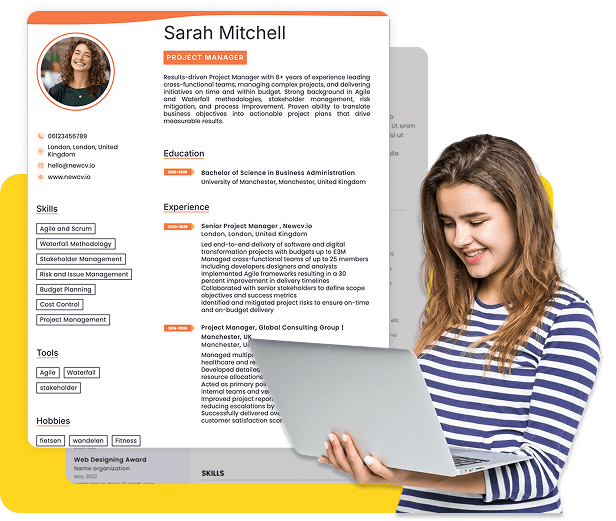
Use ATS-optimised Resume and resume templates that pass applicant tracking systems. Our Resume builder helps recruiters read, scan, and shortlist your Resume faster.

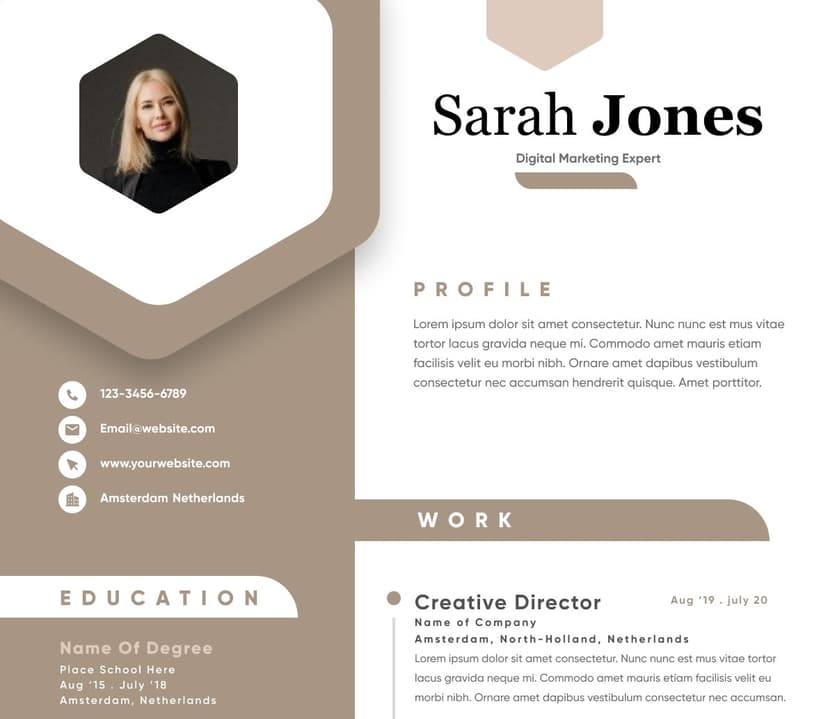
Use professional field-tested resume templates that follow the exact Resume rules employers look for.
Create Resume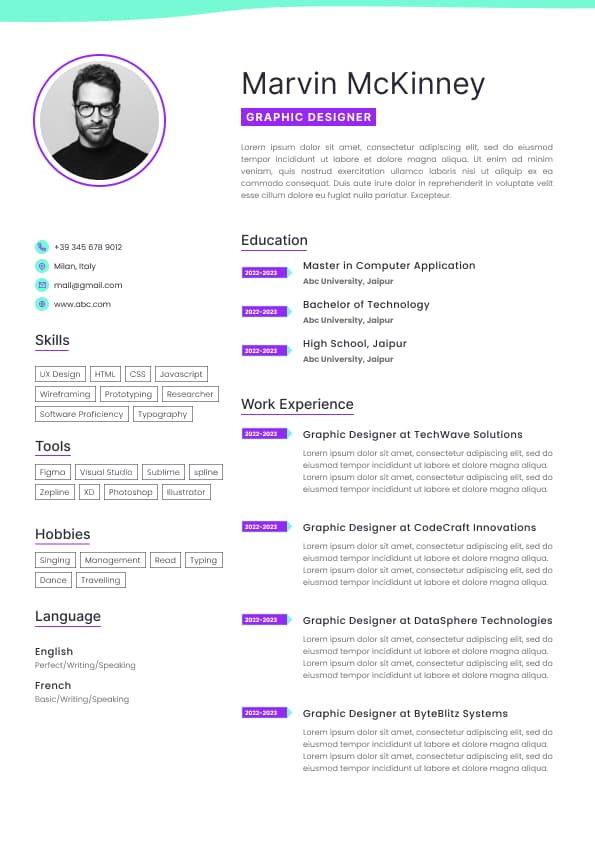
Use professional field-tested resume templates that follow the exact Resume rules employers look for.
Create ResumeAn ATS resume checker can help you identify why your resume is being rejected before a recruiter ever sees it. In Australia, most medium and large employers use an Applicant Tracking System (ATS) to filter applications, especially for corporate, government, healthcare, mining, engineering, technology, and high-volume recruitment roles.
But most candidates misunderstand how ATS screening actually works.
An ATS does not “score” resumes the way many online tools claim. Recruiters in Australia still make the hiring decisions. The ATS primarily helps employers organise, search, filter, and prioritise applications. That means the goal is not to “beat the ATS”. The goal is to create a resume that is both ATS-readable and recruiter-convincing.
A good ATS resume checker helps you identify formatting problems, missing keywords, poor resume structure, unclear job alignment, and content gaps that reduce shortlist chances. The best resumes pass ATS filters while still sounding natural, strategic, and credible to hiring managers.
An ATS resume checker is a tool that analyses your resume against common Applicant Tracking System requirements and recruitment screening patterns.
Most ATS checkers review areas such as:
Resume formatting compatibility
Keyword relevance
Resume structure
Job title alignment
Skills matching
ATS readability
Section hierarchy
File formatting issues
Contact information accuracy
Resume completeness
Some advanced ATS tools also compare your resume against a job advertisement to identify missing keywords or weak alignment.
However, many ATS resume checkers oversimplify recruitment.
Australian recruiters do not hire candidates based on keyword density alone. Strong hiring outcomes come from relevance, positioning, clarity, experience alignment, and evidence of impact.
That is where most generic ATS advice fails.
Most Australian employers use ATS platforms primarily for workflow management, not automated hiring decisions.
Common ATS platforms used in Australia include:
:contentReference[oaicite:0]
:contentReference[oaicite:1]
:contentReference[oaicite:2]
:contentReference[oaicite:3]
:contentReference[oaicite:4]
:contentReference[oaicite:5]
:contentReference[oaicite:6]
In Australia, ATS systems are commonly used to:
Store applications
Search resumes using keywords
Rank candidates loosely against role criteria
Filter basic eligibility requirements
Track recruitment workflows
Support recruiter shortlisting
Most ATS systems are not automatically rejecting qualified candidates because of one missing keyword.
What actually causes rejection is:
Poor alignment with the role
Unclear positioning
Weak achievements
Generic resumes
Missing industry terminology
Irrelevant experience
Confusing formatting
Lack of evidence
That distinction matters.
The biggest myth is that resumes fail because they are “not ATS friendly”.
In reality, most resumes fail because they are not recruiter friendly.
A resume can technically pass ATS parsing and still get rejected within 10 seconds by a recruiter.
Australian recruiters typically scan resumes for:
Relevant job titles
Industry alignment
Years of experience
Technical capability
Achievement evidence
Career stability
Communication quality
Commercial relevance
Location and work rights
Seniority fit
An ATS checker should support those goals, not replace them.
Once your resume appears in recruiter search results or passes initial filters, human evaluation begins immediately.
Recruiters assess three things very quickly:
This is determined through:
Relevant experience
Similar industry background
Comparable responsibilities
Evidence of outcomes
Technical competency
Many resumes fail because candidates position themselves too broadly.
For example:
Weak Example
“Experienced professional with strong communication and leadership skills.”
This says almost nothing.
Good Example
“Project Coordinator with 5+ years’ experience delivering commercial construction projects across Queensland valued up to $12M.”
That creates immediate positioning clarity.
Australian hiring managers prefer resumes that are:
Direct
Achievement-focused
Commercially relevant
Easy to scan
Evidence-based
Professional without sounding inflated
Overly corporate language, American-style exaggeration, or generic AI-written phrasing often reduces credibility.
Not all ATS resume checkers are useful.
The best ones evaluate both ATS readability and recruiter usability.
ATS systems struggle with:
Text inside tables
Headers and footers containing critical information
Graphics-heavy layouts
Multiple columns
Icons replacing text
Unusual fonts
Complex design elements
Australian recruiters also dislike resumes that prioritise visual design over readability.
Simple formatting consistently performs better.
A good ATS checker should analyse whether your resume naturally reflects the language used in the job advertisement.
That includes:
Job titles
Industry terminology
Systems and tools
Technical competencies
Certifications
Regulatory requirements
However, keyword stuffing is a major mistake.
Recruiters immediately recognise unnatural keyword repetition.
Strong ATS resumes usually include:
Professional summary
Core skills
Professional experience
Education
Certifications
Technical skills where relevant
Clear structure improves both ATS parsing and recruiter scanning speed.
Most ATS tools fail here.
Recruiters care less about task descriptions and more about evidence of impact.
Weak Example
“Responsible for customer service and administration.”
Good Example
“Managed high-volume customer enquiries while maintaining a 95% customer satisfaction rating across a national retail portfolio.”
That creates measurable credibility.
This is where candidates often misunderstand the process.
ATS optimisation gets your resume found.
Recruiter optimisation gets you shortlisted.
Those are not the same thing.
A resume can score highly in an ATS tool while still failing recruiter review because it:
Sounds generic
Lacks measurable outcomes
Shows no clear career direction
Uses vague language
Overuses buzzwords
Includes irrelevant information
Australian recruiters shortlist based on relevance and confidence.
Your resume must make them feel confident quickly.
The best ATS-friendly resumes sound natural.
Use the same terminology where relevant.
If the role says:
Stakeholder engagement
Contract administration
WHS compliance
CRM systems
Financial reporting
Your resume should reflect those terms naturally if they genuinely apply to your experience.
Avoid forcing keywords unnaturally.
Internal company titles often create confusion.
For example:
Weak Example
“Customer Happiness Ninja”
Recruiters and ATS systems do not search for that.
Good Example
“Customer Success Manager”
Use recognisable Australian market terminology.
ATS databases rely heavily on searchable text.
If you have skills in:
Salesforce
MYOB
Xero
AutoCAD
Power BI
SAP
Azure
Python
Write them clearly in text.
Do not hide critical keywords inside graphics or icons.
Australian recruiters generally prefer:
Word documents or clean PDFs
Standard fonts
Clear headings
Logical structure
Consistent formatting
Fancy resumes are rarely an advantage outside design-focused industries.
Many candidates use US-style resumes that do not align well with Australian hiring expectations.
Common issues include:
Overly long summaries
Excessive personal branding language
Irrelevant objectives
Inflated claims
Dense formatting
Australian resumes are usually more practical and evidence-driven.
Candidates sometimes repeat keywords excessively to “game the ATS”.
Recruiters notice this immediately.
It damages credibility.
One generic resume rarely works in competitive Australian hiring markets.
Strong candidates tailor resumes based on:
Industry
Role level
Technical requirements
Employer expectations
Hiring priorities
Australian employers often use specific language.
For example:
Resume instead of résumé
WHS instead of OSHA terminology
TAFE qualifications
Permanent residency/work rights references
Australian standards and compliance terminology
Local alignment matters.
Some free ATS tools are useful for basic formatting and keyword checks.
But many produce misleading “scores”.
A resume is not automatically strong because a tool gives it 90%.
Many free ATS checkers:
Over-prioritise keywords
Ignore recruiter psychology
Miss positioning issues
Fail to assess commercial relevance
Cannot evaluate achievement quality
Use ATS tools as diagnostic support, not as the final authority.
The strongest approach combines:
Your resume should be technically readable.
Your value should be obvious within seconds.
Your experience should match business needs.
Achievements should prove capability.
Tailoring matters more than keyword volume.
Candidates who consistently secure interviews usually do these things well together.
This is where real competitive advantage exists.
Hiring managers evaluate:
Career progression
Decision-making capability
Business impact
Leadership credibility
Communication quality
Industry maturity
Commercial awareness
Problem-solving ability
ATS tools cannot properly assess those things.
That is why resumes focused only on ATS scoring often fail in real hiring situations.
Most recruiters use Boolean and keyword searches inside ATS systems.
For example, recruiters may search combinations like:
“Project Manager” AND construction
WHS AND manufacturing
CPA AND financial reporting
Salesforce AND B2B
This means your resume should contain:
Accurate job titles
Relevant technical terminology
Industry language
Certifications
Tools and systems
Without forcing keywords unnaturally.
A strong modern Australian resume usually includes:
A concise positioning statement focused on:
Experience level
Industry
Specialisation
Key strengths
Market relevance
Include role-relevant competencies naturally.
Focus on:
Achievements
Outcomes
Scope
Commercial impact
Leadership where relevant
Especially important for regulated industries.
Relevant systems, platforms, software, tools, and methodologies.
ATS optimisation becomes especially important when applying for:
Large corporate employers
Government roles
High-volume recruitment campaigns
Graduate programs
Enterprise organisations
Online-only application processes
Smaller businesses and recruiters may rely less heavily on ATS filtering.
However, clean formatting and strong positioning always matter.
An ATS resume checker should help improve your resume, not dictate it.
The best resumes in Australia are:
Easy for ATS systems to read
Easy for recruiters to scan
Clearly aligned to the role
Achievement-focused
Commercially relevant
Professionally written without sounding artificial
Candidates who focus only on ATS keywords usually underperform.
Candidates who combine ATS compatibility with strong recruiter positioning consistently secure more interviews.
That is the real goal.


 Upload Resume
 Import from Linkedin