
Choose from a wide range of NEWCV resume templates and customize your NEWCV design with a single click.

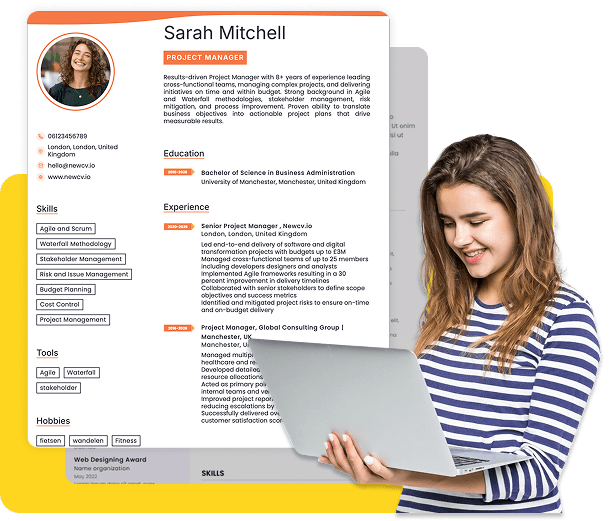
Use ATS-optimised Resume and resume templates that pass applicant tracking systems. Our Resume builder helps recruiters read, scan, and shortlist your Resume faster.

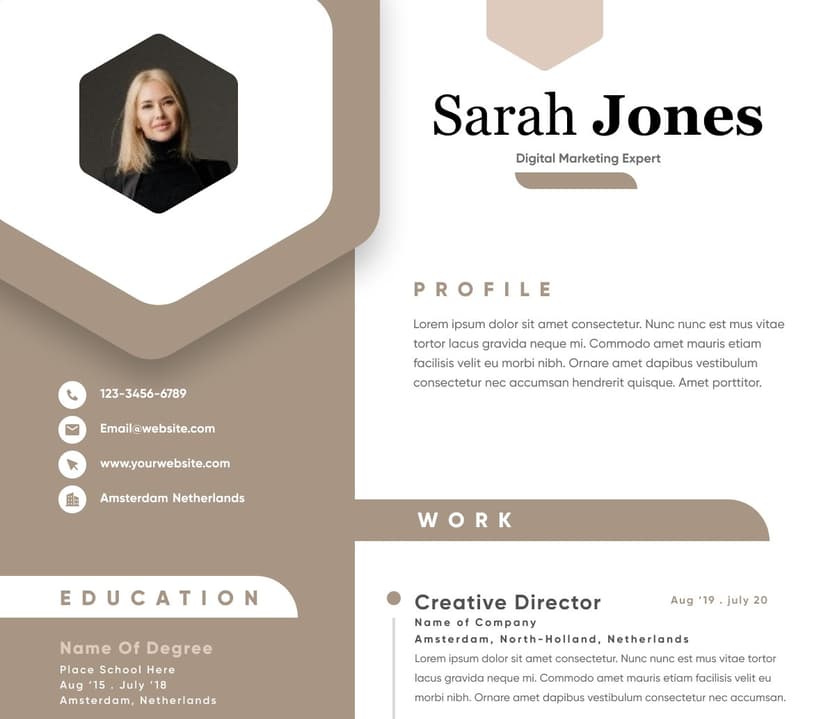
Use professional field-tested resume templates that follow the exact Resume rules employers look for.
Create Resume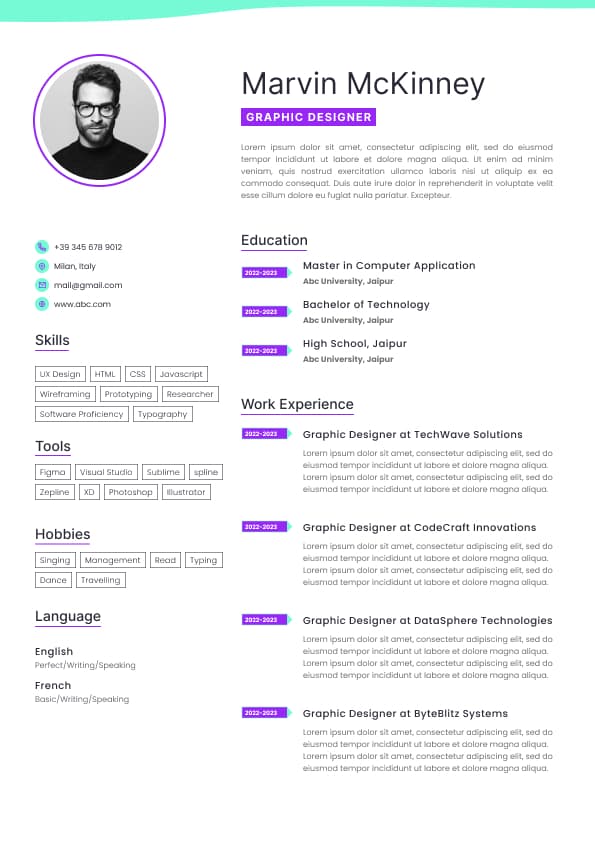
Use professional field-tested resume templates that follow the exact Resume rules employers look for.
Create ResumeA strong resume career summary is one of the fastest ways to improve your chances of getting shortlisted in the Australian job market. Recruiters often decide within seconds whether a candidate is worth progressing, especially when reviewing high-volume applications. Your career summary sits at the top of your resume, which means it shapes the first impression before a recruiter even reads your experience.
The best Australian resume career summaries are not generic personal statements. They quickly communicate three things:
What you do
What level you operate at
Why you are commercially valuable
Weak summaries waste space with vague claims like “hardworking team player” or “seeking opportunities for growth”. Strong summaries position you as a credible candidate with relevant experience, measurable capability, and clear alignment to the role.
This guide explains exactly how Australian recruiters evaluate career summaries, what hiring managers expect to see, common mistakes that get ignored, and how to write a summary that improves interview outcomes.
A resume career summary is a short professional introduction placed at the top of your resume, directly underneath your name and contact details.
Its purpose is to quickly position you as a relevant candidate before the recruiter reviews your work history.
In the Australian hiring market, your career summary is expected to function as a strategic positioning statement, not a generic objective.
A high-performing summary usually includes:
Your profession or specialisation
Years of experience
Industry expertise
Core strengths
Commercial or operational impact
Relevant qualifications or sector alignment
Australian recruiters review resumes extremely quickly during initial screening.
For competitive roles, recruiters may scan:
Resume headline
Career summary
Current role
Employers
Key achievements
before deciding whether to continue reading.
Your summary helps recruiters answer critical screening questions fast:
Is this candidate relevant?
Are they operating at the right level?
Career positioning relevant to the role
Most effective career summaries are between 50 and 120 words depending on seniority.
Do they align with the industry?
Is their background commercially valuable?
Are they worth interviewing?
A poorly written summary creates friction.
A strong summary reduces uncertainty and increases recruiter confidence early.
This matters particularly in Australia where hiring managers often prefer:
Direct communication
Clear evidence of capability
Industry alignment
Practical outcomes over inflated language
Most resume career summaries fail because they sound generic, outdated, or self-focused instead of employer-focused.
Here are the biggest issues recruiters see repeatedly.
Phrases like:
Hardworking professional
Team player
Highly motivated individual
Fast learner
Passionate candidate
add almost no value because they are impossible to verify and appear on thousands of resumes.
Recruiters care more about:
Capability
Relevance
Results
Industry alignment
Operational value
Many candidates still write:
“Seeking a challenging opportunity to grow my skills and contribute to a dynamic organisation.”
This is outdated in the Australian market.
Recruiters already know you want a job.
What they want to know is:
Why you are qualified
What problems you solve
Why you fit the role
Large blocks of text reduce readability and weaken impact.
Australian recruiters generally prefer concise, commercially focused summaries.
A summary should create clarity quickly.
Overused phrases like:
Results-driven
Strategic thinker
Dynamic professional
Go-getter
Innovative leader
often make resumes sound templated or AI-generated.
Strong summaries sound specific, grounded, and credible.
The strongest summaries follow a simple positioning framework.
A recruiter-approved structure usually includes:
Professional identity
Years of experience
Industry or functional expertise
Key strengths
Commercial impact or outcomes
Relevant sector positioning
Here is the underlying logic recruiters use during screening:
This comes from:
Job title alignment
Industry relevance
Technical capability
This comes from:
Years of experience
Scope of responsibility
Complexity handled
This comes from:
Results
Achievements
Operational contribution
Leadership or technical depth
Your summary should answer all three quickly.
Good Example
Recent Business graduate with internship experience across administration, customer service, and stakeholder support within fast-paced corporate environments. Strong communication and organisational skills with experience using Microsoft Office, CRM systems, and data reporting tools. Recognised for reliability, attention to detail, and ability to manage competing priorities in team-based environments. Seeking to build a long-term career within administration or operations support.
Clear positioning
Relevant transferable skills
Professional tone
No generic filler
Aligns with junior hiring expectations
Good Example
Project Coordinator with 6+ years’ experience delivering commercial construction and infrastructure projects across Australia. Skilled in contractor coordination, scheduling, procurement support, compliance documentation, and stakeholder communication. Proven ability to manage competing deadlines across high-volume project environments while supporting on-time and on-budget delivery outcomes. Strong working knowledge of Procore, Microsoft Project, and WHS compliance requirements.
Immediately relevant
Commercially focused
Includes systems and industry terminology
Demonstrates operational value
Sounds credible and experienced
Good Example
Operations Manager with 15+ years’ experience leading multi-site teams across logistics, warehousing, and supply chain operations throughout Australia and New Zealand. Proven track record improving operational efficiency, reducing costs, and strengthening workforce performance within high-volume environments. Experienced managing large-scale budgets, national distribution functions, and continuous improvement initiatives aligned with safety, compliance, and customer delivery targets.
Seniority is obvious immediately
Commercial outcomes are prioritised
Industry relevance is strong
Leadership scope is clear
Uses language hiring managers recognise
Career changes require different positioning because recruiters look for transferability and risk reduction.
Good Example
Customer service professional transitioning into recruitment after 8 years in high-volume client-facing environments. Strong experience managing stakeholder relationships, resolving complex enquiries, coordinating schedules, and working to performance targets. Recently completed recruitment training with practical exposure to candidate sourcing, interview coordination, and ATS systems. Brings strong communication skills, resilience, and relationship management capability suited to agency recruitment environments.
Acknowledges transition honestly
Focuses on transferable strengths
Reduces recruiter uncertainty
Demonstrates relevant capability
The ideal length depends on experience level.
Usually 40–70 words.
Focus on:
Education
Transferable skills
Internships
Relevant strengths
Usually 70–100 words.
Focus on:
Experience depth
Technical capability
Commercial outcomes
Industry expertise
Usually 80–120 words.
Focus on:
Leadership scope
Business impact
Operational influence
Strategic capability
Anything significantly longer often becomes repetitive.
Most online advice misses this entirely.
Recruiters are not just reading your summary for information.
They are subconsciously assessing:
Confidence
Clarity
Seniority
Professional credibility
Communication quality
Weak summaries create uncertainty.
Strong summaries reduce hiring risk.
This is especially important in Australia where recruiters often prefer candidates who communicate:
Clearly
Directly
Practically
Without exaggerated self-promotion
Overly inflated language can actually damage credibility.
Your career summary also helps with Applicant Tracking System keyword relevance.
However, ATS optimisation should never sound robotic.
The best summaries naturally integrate:
Job titles
Industry terms
Technical systems
Certifications
Operational functions
Relevant methodologies
Experienced professional with excellent communication skills and strong motivation seeking opportunities in growing organisations.
No role alignment
No industry relevance
No searchable keywords
No operational capability
Accounts Payable Officer with 5+ years’ experience managing invoice processing, reconciliations, vendor relationships, and month-end reporting within high-volume finance environments. Skilled across SAP, Xero, and MYOB with strong understanding of Australian compliance and financial reporting processes.
ATS-friendly
Role-specific
Industry-relevant
Technically credible
Recruiter-readable
Hiring managers usually care less about polished wording and more about:
Capability
Relevance
Reliability
Commercial impact
Your summary should help them quickly understand:
What level you operate at
Whether you fit the role
Whether your background aligns with business needs
The strongest summaries make hiring managers think:
“This person already sounds like someone doing this job successfully.”
That is the real objective.
Yes, especially in competitive Australian industries.
You do not need to rewrite the entire resume every time.
But adjusting:
Keywords
Industry terminology
Technical focus
Commercial priorities
can significantly improve relevance.
For example:
A government role may prioritise compliance and stakeholder management
A startup may prioritise adaptability and fast-paced delivery
A corporate role may prioritise reporting, systems, and process improvement
Tailoring improves:
ATS alignment
Recruiter relevance
Interview conversion rates
Australian resumes generally perform better when they sound:
Clear
Practical
Evidence-based
Commercially focused
Avoid:
Overly Americanised hype language
Excessive self-promotion
Buzzword-heavy writing
Instead, use:
Direct capability statements
Industry terminology
Operational language
Measurable impact where relevant
Australian hiring culture tends to value credibility over exaggeration.
Yes, when they are commercially relevant and genuinely strong.
Particularly for:
Sales
Leadership
Operations
Project management
Technical roles
Sales Manager with 10+ years’ experience leading B2B sales teams across the Australian FMCG sector. Consistently achieved annual revenue growth targets exceeding 18% through strategic account development, team coaching, and territory expansion initiatives.
This works because it:
Demonstrates value early
Creates authority
Improves credibility
Gives measurable evidence of performance
Many candidates confuse these.
Focuses on what the candidate wants.
Usually outdated.
Focuses on what the employer gains.
Modern Australian resumes almost always perform better with a career summary.
The only partial exception may be:
School leavers
Very junior graduates
Major career changers with limited experience
Even then, positioning should remain employer-focused.
This surprises candidates.
A strong summary creates a psychological framing effect.
If your summary immediately sounds aligned, recruiters often interpret the rest of your resume more positively.
If your summary sounds vague or weak, recruiters become more critical while reading further.
Recruiters see templated summaries constantly.
A customised summary suggests:
Higher application quality
Better role alignment
Greater professionalism
This matters in competitive markets.
Hiring decisions are fundamentally about risk management.
Your summary should reduce concerns around:
Relevance
Capability
Industry fit
Communication ability
Seniority alignment
The faster you reduce uncertainty, the stronger your shortlist chances become.
Before finalising your summary, ask:
Does this clearly state what I do?
Would a recruiter immediately understand my level?
Does this sound specific or generic?
Is industry relevance obvious?
Have I avoided buzzwords and filler?
Does this sound commercially valuable?
Would this summary still make sense without the rest of the resume?
If not, refine it further.


 Upload Resume
 Import from Linkedin