
Choose from a wide range of NEWCV resume templates and customize your NEWCV design with a single click.

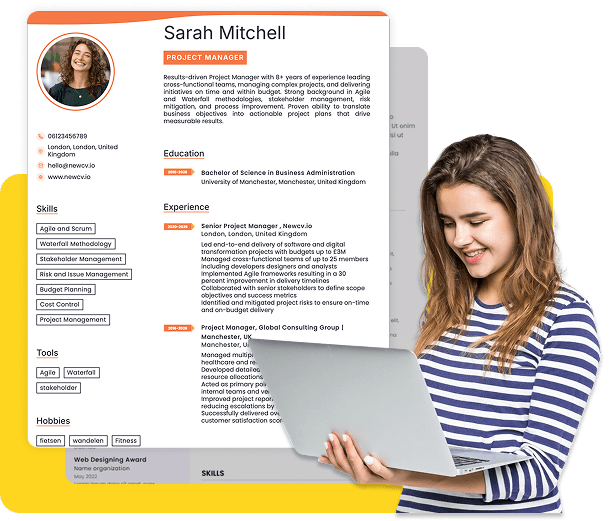
Use ATS-optimised Resume and resume templates that pass applicant tracking systems. Our Resume builder helps recruiters read, scan, and shortlist your Resume faster.

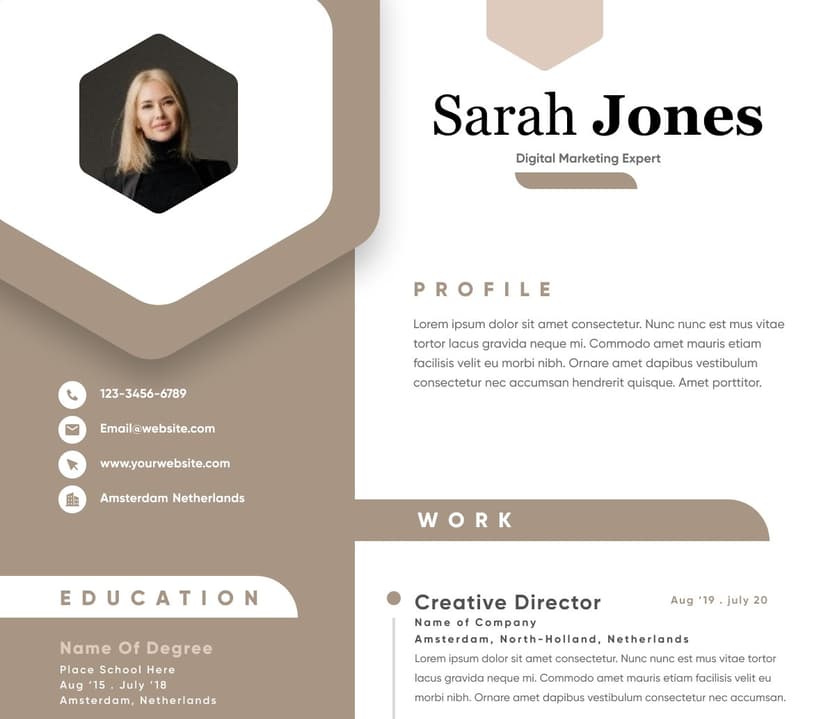
Use professional field-tested resume templates that follow the exact Resume rules employers look for.
Create Resume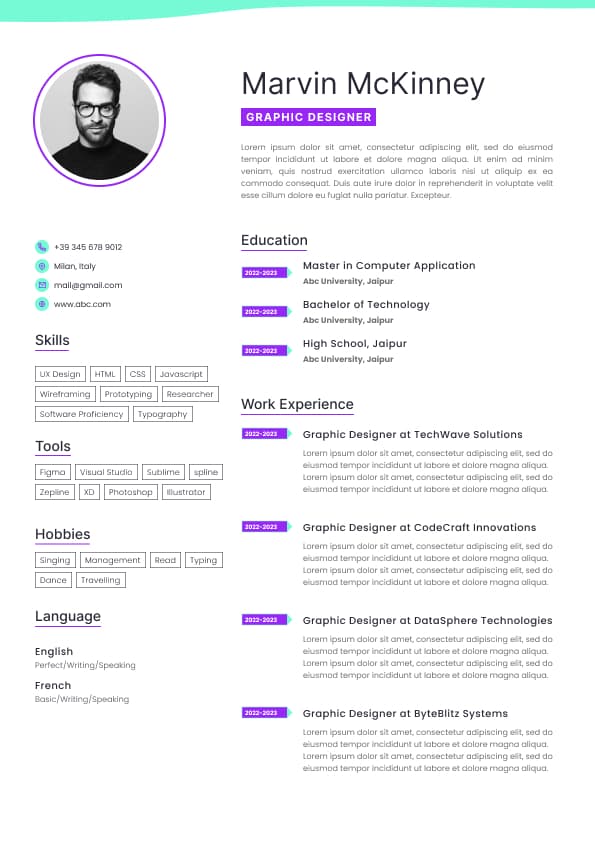
Use professional field-tested resume templates that follow the exact Resume rules employers look for.
Create ResumeYour resume introduction is one of the highest-impact sections on your entire resume. In the Australian job market, recruiters often decide within seconds whether your resume is worth reading further. A weak opening wastes that opportunity. A strong one immediately positions you as relevant, credible, and aligned with the role.
The best resume introductions in Australia are concise, targeted, achievement-focused, and written specifically for the job being applied for. They are not generic personal statements. They are strategic positioning tools designed to answer one question quickly:
Why should this candidate be interviewed?
For most Australian recruiters and hiring managers, a high-performing resume introduction typically includes:
Your professional identity
Years of relevant experience
Industry or functional expertise
A resume introduction is the short section at the top of your resume that summarises your professional background and suitability for the role.
In Australia, this section is commonly called:
Professional Summary
Resume Summary
Career Profile
Executive Summary
Personal Profile
Career Overview
For most industries, “Professional Summary” is the safest and most modern option.
This section usually sits directly under your name and contact details.
Australian recruiters screen resumes differently from many overseas markets.
Most hiring managers are looking for fast evidence of:
Relevant local experience
Industry alignment
Communication skills
Commercial value
Stability and career progression
Technical capability
Cultural fit
A strong introduction helps reduce uncertainty quickly.
This matters because recruiters often review:
Key strengths or achievements
Relevant certifications, sectors, or systems
Clear alignment with the target role
A strong introduction increases resume readability, improves ATS keyword relevance, and helps recruiters instantly understand your value.
80 to 300 applications per role
Multiple resumes simultaneously
Applications under severe time pressure
ATS-ranked candidate lists first
If your introduction is vague, generic, or keyword-light, your resume may lose momentum immediately.
Most candidates misunderstand the purpose of the resume introduction.
Recruiters are not looking for:
Life stories
Career objectives
Personality descriptions
Generic soft skills
Empty buzzwords
They are looking for fast positioning clarity.
A recruiter should be able to answer these questions within seconds:
What does this person do?
What level are they at?
How experienced are they?
Are they relevant to this role?
What industries have they worked in?
What value do they bring?
Should I continue reading?
The highest-performing Australian resume introductions usually follow this structure:
A strong formula looks like this:
[Job Title/Professional Identity] with [X years] of experience in [industry/function], specialising in [key expertise]. Proven track record of [achievement/value]. Skilled in [relevant systems/tools/strengths].
This structure works because it balances:
ATS keyword optimisation
Recruiter readability
Strategic positioning
Commercial relevance
Results-driven Project Manager with 8+ years of experience delivering commercial construction projects across Australia valued up to $45M. Strong background in stakeholder management, contract administration, and project delivery within strict compliance and budget requirements. Proven ability to lead cross-functional teams, manage subcontractors, and deliver projects on schedule in high-pressure environments.
Why this works:
Immediately establishes seniority
Includes commercial scale
Demonstrates relevance
Uses industry terminology recruiters recognise
Shows operational capability
Experienced HR Advisor with 6 years of experience supporting national workforces across healthcare and professional services environments. Skilled in employee relations, recruitment, performance management, and Fair Work compliance. Known for building strong stakeholder relationships and delivering practical HR solutions aligned with business outcomes.
Why this works:
Uses Australian employment terminology
Demonstrates functional breadth
Shows business alignment
Balances technical and interpersonal capability
Recent Commerce graduate with internship experience in financial analysis, reporting, and client support within fast-paced corporate environments. Strong analytical and communication skills with proficiency in Excel, Power BI, and financial modelling. Seeking to contribute commercial insight and strong problem-solving capability in a graduate analyst role.
Why this works:
Avoids apologetic language
Focuses on transferable value
Includes relevant tools
Sounds commercially aware
Customer-focused retail professional transitioning into recruitment, bringing 7 years of experience in sales, relationship management, and team leadership. Strong communication and stakeholder engagement skills with proven ability to work in target-driven environments. Experienced in interviewing, onboarding, and client service across high-volume settings.
Why this works:
Repositions transferable skills
Reduces career-change risk
Aligns existing experience with new role requirements
Shows commercial relevance
Commercially focused Operations Director with 15+ years of leadership experience across logistics, supply chain, and manufacturing environments in Australia and New Zealand. Proven record of driving operational efficiency, cost reduction, and large-scale transformation initiatives across multi-site operations. Experienced leading teams of 300+ staff with full P&L accountability.
Why this works:
Signals leadership level instantly
Uses executive commercial language
Demonstrates scale and accountability
Matches senior hiring expectations
Qualified Electrician with 10 years of experience across residential, commercial, and industrial projects throughout Queensland. Strong background in fault finding, preventative maintenance, switchboard upgrades, and compliance with Australian safety standards. Reliable team member with proven ability to work efficiently in fast-paced site environments.
Why this works:
Uses Australian trade terminology
Demonstrates versatility
Includes compliance relevance
Feels credible and practical
Registered Nurse with 5 years of experience across acute care and aged care settings within public and private healthcare environments. Skilled in patient assessment, medication administration, care planning, and multidisciplinary collaboration. Committed to delivering compassionate, evidence-based patient care in high-pressure clinical settings.
Why this works:
Matches healthcare hiring language
Uses clinically relevant terminology
Balances technical and patient-care capability
Reflects Australian healthcare expectations
Solutions-focused Software Engineer with 7 years of experience developing scalable web applications across fintech and SaaS environments. Proficient in JavaScript, React, Node.js, and cloud-based infrastructure. Strong background in Agile delivery, API integration, and cross-functional collaboration within high-growth technology teams.
Why this works:
Includes searchable technical keywords
Aligns with ATS systems
Demonstrates environment relevance
Shows delivery capability
Highly organised Administration Officer with 4 years of experience supporting busy corporate and healthcare environments. Skilled in calendar management, document preparation, stakeholder communication, and records administration. Strong attention to detail with proven ability to manage competing priorities in fast-paced settings.
Why this works:
Uses realistic admin terminology
Emphasises operational reliability
Reflects real hiring priorities
Avoids generic clichés
“Hardworking team player seeking an opportunity to utilise my skills in a dynamic organisation.”
Why recruiters dislike this:
Says nothing specific
No role alignment
No evidence of capability
Generic wording used by thousands of applicants
No commercial value
Customer Service Team Leader with 5 years of experience managing high-volume retail operations and leading teams of up to 20 staff. Proven ability to improve customer satisfaction, coach frontline employees, and manage daily operational performance within KPI-driven environments.
Why this works:
Specific role identity
Experience level is clear
Leadership scale included
Shows measurable relevance
Feels credible and targeted
One of the most common outdated approaches is writing about what you want instead of what you offer.
“I am seeking a challenging opportunity to grow my career.”
Recruiters care more about business relevance than personal ambition.
Focus on:
Experience
Results
Technical capability
Industry alignment
Commercial value
If your summary could apply to 500 other candidates, it is too generic.
Words recruiters often ignore:
Hardworking
Motivated
Passionate
Team player
Go-getter
Dedicated
These words are not persuasive without evidence.
A resume introduction is not a biography.
Ideal length in Australia:
3 to 5 lines for most professionals
5 to 7 lines for executives or highly technical roles
Long summaries reduce readability and often dilute impact.
Avoid including:
Hobbies
Personal beliefs
Family information
Irrelevant experience
Generic personality traits
Australian resumes are typically direct and commercially focused.
LinkedIn summaries are often broader and more conversational.
Resume introductions should be tighter, sharper, and more targeted to the specific role.
The best-performing candidates customise their introduction for each application.
This does not mean rewriting the entire section every time.
It means strategically adjusting:
Keywords
Industry terminology
Technical systems
Role alignment
Commercial priorities
For example:
A recruiter hiring for a mining company may prioritise:
Site experience
Safety compliance
FIFO exposure
Shutdown experience
A corporate recruiter may prioritise:
Stakeholder management
Reporting
Cross-functional collaboration
Process improvement
Strong tailoring improves:
ATS performance
Recruiter relevance scoring
Interview conversion rates
Most medium and large Australian employers now use ATS platforms.
Common systems include:
Workday
SuccessFactors
PageUp
Greenhouse
Lever
Your introduction should naturally include relevant keywords from the job ad.
Examples include:
Project delivery
Stakeholder engagement
WHS compliance
Customer relationship management
SAP
Salesforce
Financial reporting
Agile methodology
However, keyword stuffing is a major mistake.
Recruiters can immediately spot summaries written only for ATS systems.
The goal is natural keyword integration.
For most Australian resumes:
50 to 120 words is ideal
Senior executives may require slightly more depth
Graduates should keep it concise
If recruiters need to “work” to understand your profile, the introduction is too long.
No.
Australian resumes should avoid:
“I”
“My”
“Me”
“I am an experienced marketing professional who has managed campaigns.”
Marketing professional with 6 years of experience managing integrated digital campaigns across retail and eCommerce sectors.
This style feels cleaner, more professional, and more aligned with Australian resume standards.
Focus on:
Internships
Placements
Technical skills
Academic projects
Transferable strengths
Do not try to sound artificially senior.
Focus on:
Achievements
Industry depth
Technical expertise
Stakeholder capability
Leadership exposure
This is where recruiters expect commercial maturity.
Focus on:
Transformation
Commercial outcomes
Leadership scale
Revenue impact
Strategic influence
Executives should sound commercially authoritative, not operationally task-focused.
The strongest keywords are role-specific and commercially relevant.
Examples:
Regulatory compliance
Process improvement
Stakeholder management
Budget management
Team leadership
Risk management
Business development
Client relationship management
Operational excellence
Strategic planning
The best keywords are naturally integrated into real experience.
Strong introductions create immediate confidence signals.
Recruiters subconsciously look for:
Clarity
Relevance
Credibility
Seniority alignment
Industry familiarity
Confidence without exaggeration
Weak introductions create uncertainty.
And uncertainty often leads to rejection.
Before submitting your resume, check whether your introduction:
Clearly states your professional identity
Matches the target role
Includes relevant industry terminology
Shows experience level
Demonstrates value or achievements
Uses Australian workplace language
Sounds commercially relevant
Is concise and readable
Avoids clichés and fluff
Includes ATS-relevant keywords naturally
If not, rewrite it.
Your resume introduction is often the difference between being shortlisted and being ignored.


 Upload Resume
 Import from Linkedin