
Choose from a wide range of NEWCV resume templates and customize your NEWCV design with a single click.

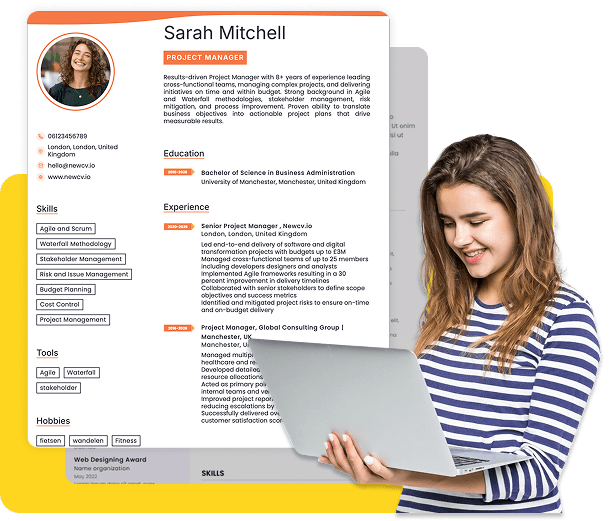
Use ATS-optimised Resume and resume templates that pass applicant tracking systems. Our Resume builder helps recruiters read, scan, and shortlist your Resume faster.

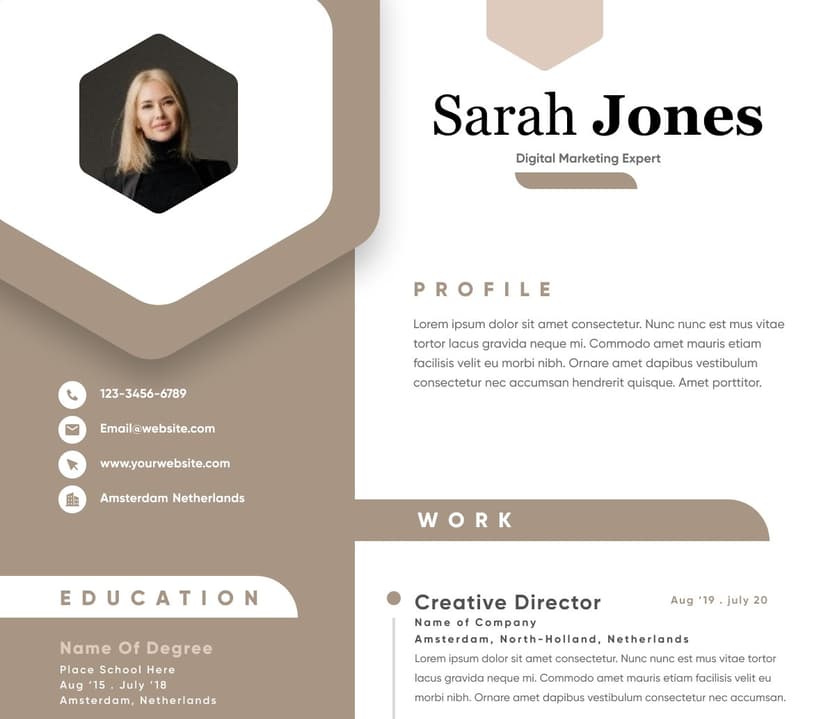
Use professional field-tested resume templates that follow the exact Resume rules employers look for.
Create Resume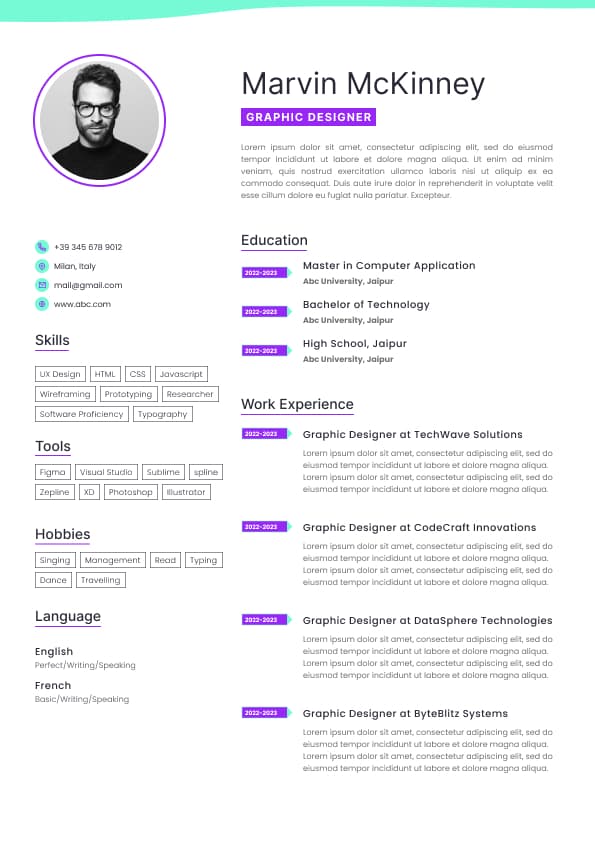
Use professional field-tested resume templates that follow the exact Resume rules employers look for.
Create ResumeA strong chef resume in Australia is not just a list of kitchens you’ve worked in. Hiring managers want immediate proof that you can handle service pressure, work cleanly, manage timing, follow food safety standards, and contribute to a profitable kitchen. Your resume must show operational competence, reliability, and commercial awareness within seconds.
Most chef resumes fail because they are too generic. They list duties instead of showing performance. In the Australian hospitality market, venues are hiring fast but screening aggressively. Executive chefs and recruiters scan resumes for service volume, cuisine style, kitchen level, leadership capability, roster flexibility, and stability. If those signals are unclear, your application is usually ignored.
The best chef resumes are concise, achievement-driven, ATS-friendly, and tailored to the venue type. Whether you are applying for a café, fine dining venue, pub, hotel, resort, aged care facility, or high-volume restaurant, your resume must reflect how kitchens actually hire in Australia.
Australian employers hire chefs based on operational value, not resume length.
Most hiring managers scan for five things immediately:
Kitchen experience relevant to their venue
Ability to handle service pressure
Food safety and compliance standards
Reliability and roster flexibility
Stability and teamwork
A resume that quickly proves these points performs far better than one overloaded with generic responsibilities.
Hospitality recruitment in Australia is heavily experience-driven. Many venues hire urgently due to staff shortages, turnover, seasonal demand, or expansion. That means recruiters often spend less than 30 seconds on the first scan.
Your resume must instantly answer:
What type of chef are you?
What kitchens have you worked in?
Can you handle volume and pressure?
Are your skills relevant to this venue?
Are you likely to stay?
If those answers are unclear, your application becomes risky.
The best format for chef jobs is a reverse chronological resume.
This format works best because Australian hospitality employers care most about recent kitchen experience, service environment, and consistency.
Your resume should include:
Contact details
Professional summary
Core skills
Work experience
Education and certifications
Additional information
Keep your resume between 2 and 3 pages unless you are applying for executive-level roles.
Your professional summary is one of the most important sections because recruiters often decide whether to continue reading based on these first lines.
A good chef summary should include:
Years of experience
Cuisine or kitchen specialisation
Service environment
Operational strengths
Key certifications or leadership capability
“Hardworking chef with passion for cooking and strong teamwork skills.”
This says nothing specific. Every applicant writes this.
“Qualified Chef with 7+ years’ experience across high-volume restaurants, premium casual dining, and hotel kitchens in Sydney and Melbourne. Skilled in grill, larder, stock control, menu execution, and fast-paced dinner service exceeding 300 covers per shift. Strong knowledge of HACCP compliance, food costing, and kitchen operations.”
This works because it immediately establishes credibility and relevance.
Many hospitality venues use ATS software before a manager even sees your application. That means keyword relevance matters.
Include a dedicated skills section with realistic hospitality terminology.
Food preparation
Service coordination
HACCP compliance
Food safety standards
Stock rotation
Kitchen operations
Menu preparation
Portion control
Cost management
High-volume service
Team leadership
Time management
Commercial kitchen equipment
Ordering and inventory
Grill section
Fryer section
Pastry preparation
Banquet service
Modern Australian cuisine
Fine dining plating
Prep efficiency
Waste reduction
Avoid fake skill stuffing. Recruiters can spot inflated resumes quickly.
This is where most chef resumes fail.
Many applicants simply list tasks:
Prepared meals
Worked in kitchen
Assisted head chef
That does not help hiring managers evaluate performance.
Australian hospitality employers want measurable operational context.
Good experience sections include:
Service volume
Venue type
Cuisine style
Team size
Operational responsibility
Achievements or improvements
Chef de Partie
ABC Restaurant
2022–2024
Prepared food
Maintained kitchen cleanliness
Assisted during service
This sounds junior and generic.
Chef de Partie
ABC Restaurant – Melbourne, VIC
2022–2024
Managed grill section during dinner service averaging 250–350 covers nightly
Maintained HACCP food safety standards and daily temperature logging
Reduced food wastage by improving prep forecasting and stock rotation procedures
Assisted senior chefs with menu execution, plating consistency, and seasonal specials
Trained junior kitchen hands and apprentice chefs during peak service periods
Worked across split shifts, weekends, and public holiday rosters in a fast-paced environment
This version demonstrates commercial value.
Michael Carter
Sydney, NSW
0412 000 000
Qualified Chef with 8 years’ experience across high-volume restaurants, hotel kitchens, and premium casual dining venues in Australia. Strong background in Modern Australian cuisine, grill operations, stock management, and fast-paced dinner service. Proven ability to maintain food quality under pressure while supporting efficient kitchen operations and HACCP compliance.
High-volume kitchen service
Food safety compliance
Menu preparation
Stock ordering and rotation
Team collaboration
Portion control
Grill and pan section
Commercial kitchen operations
Waste reduction
Food presentation
Time management
Prep coordination
Chef de Partie
Harbour Dining Group – Sydney, NSW
2022–Present
Managed grill section during dinner services exceeding 300 covers
Maintained consistent plating standards in premium casual dining environment
Reduced food waste through improved prep systems and inventory control
Assisted sous chef with ordering, stocktake, and supplier coordination
Trained junior chefs and kitchen hands on service procedures and food safety standards
Commis Chef
City Hotel Sydney – Sydney, NSW
2019–2022
Supported banquet kitchen operations for conferences and functions up to 500 guests
Assisted with breakfast, lunch, and dinner preparation across rotating sections
Maintained HACCP procedures and kitchen sanitation compliance
Worked effectively under pressure during large-scale events and peak service periods
Certificate III in Commercial Cookery
TAFE NSW
Food Safety Supervisor Certificate
Responsible Service of Alcohol (RSA)
One of the biggest mistakes candidates make is using the same resume for every kitchen.
Australian venues hire differently depending on service style and operational pressure.
Cafés prioritise:
Breakfast service speed
Multitasking
Reliability
Weekend availability
Consistency
Highlight:
Brunch service
Coffee culture familiarity
Prep efficiency
Solo kitchen capability
Fine dining venues prioritise:
Precision
Plating
Technique
High standards
Team discipline
Highlight:
Degustation experience
Premium ingredients
Section ownership
Fine plating standards
Pubs prioritise:
Speed
Volume
Consistency
Roster flexibility
Highlight:
High-volume service
Fryer and grill expertise
Team coordination
Fast ticket turnaround
Aged care kitchens prioritise:
Food safety
Dietary requirements
Reliability
Consistency
Highlight:
Texture-modified meals
Allergen management
Compliance standards
Nutrition awareness
Recruiters in hospitality see the same problems repeatedly.
If your resume looks copied from Seek templates, it blends in immediately.
Focus on outcomes and operational context.
A chef who handles 80 covers is very different from one handling 500.
Volume matters heavily in hospitality recruitment.
Australian resumes do not require:
Date of birth
Marital status
Photo
Religion
Keep the resume professional and relevant.
Messy formatting creates the impression of poor organisation.
Avoid:
Multiple fonts
Long text blocks
Decorative designs
Dense paragraphs
Hospitality naturally has movement, but excessive short-term roles without explanation can hurt credibility.
If roles were seasonal, contract-based, or venue closures occurred, clarify briefly.
Many Australian hospitality groups now use ATS systems, especially hotels, franchise groups, resorts, and corporate venues.
Your resume should be ATS-friendly.
Use standard headings
Include relevant hospitality keywords
Avoid graphics and tables
Save as PDF unless otherwise requested
Match keywords from the job ad naturally
Use clear formatting
Recruiters often search terms such as:
Chef de Partie
Sous Chef
Commercial Cookery
HACCP
Kitchen Operations
Food Safety
High-Volume Service
Banquet Operations
Grill Chef
Menu Preparation
Do not keyword-stuff unnaturally.
Most chefs think recruiters read every line carefully. They usually do not.
Hospitality hiring managers scan for patterns.
Stability
Kitchen level progression
Venue quality
Service pressure experience
Leadership exposure
Reliability indicators
Long unexplained employment gaps
Generic summaries
Overuse of buzzwords
No measurable kitchen context
Excessively long resumes
Unrealistic claims
Confidence matters, but credibility matters more.
Junior chefs often undersell themselves.
If you are early in your career, focus on:
Willingness to learn
Service pressure exposure
Reliability
Flexibility
Kitchen discipline
Even kitchen hand or apprentice experience can be positioned strategically.
Instead of:
“Helped chefs prepare food.”
Write:
“Supported senior chefs with prep, stock rotation, food safety procedures, and peak lunch service in high-volume commercial kitchen.”
That sounds operationally useful.
Certain certifications improve hiring competitiveness significantly in Australia.
Certificate III in Commercial Cookery
Food Safety Supervisor Certificate
RSA Certificate
First Aid Certificate
Allergen Awareness Training
Certificate IV in Commercial Cookery
Diploma of Hospitality Management
Always list certifications clearly and keep them current.
For many hospitality venues, a resume alone is enough for junior roles.
However, a short tailored cover letter helps for:
Sous chef roles
Fine dining venues
Hotel groups
Executive chef positions
Sponsorship opportunities
A strong chef cover letter should explain:
Why you fit the venue style
Relevant kitchen experience
Availability
Visa or work rights status if relevant
Keep it concise.
The best chef resumes are operationally specific.
Australian hospitality employers are not looking for motivational language. They want proof you can contribute quickly without creating risk.
Your resume should make it easy for a hiring manager to picture you in service.
That means showing:
Kitchen environment
Service pressure
Technical capability
Reliability
Team fit
Commercial awareness
The strongest candidates position themselves as dependable professionals who improve kitchen operations, not just people who “love cooking”.
If your resume clearly demonstrates that, interviews become far more likely.


 Upload Resume
 Import from Linkedin