
Choose from a wide range of NEWCV resume templates and customize your NEWCV design with a single click.

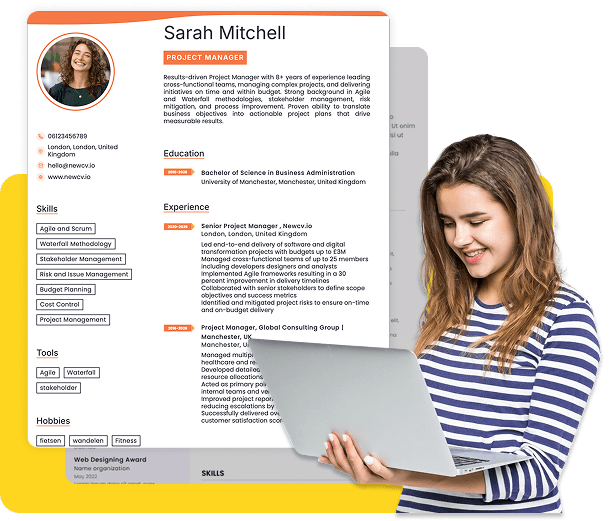
Use ATS-optimised Resume and resume templates that pass applicant tracking systems. Our Resume builder helps recruiters read, scan, and shortlist your Resume faster.

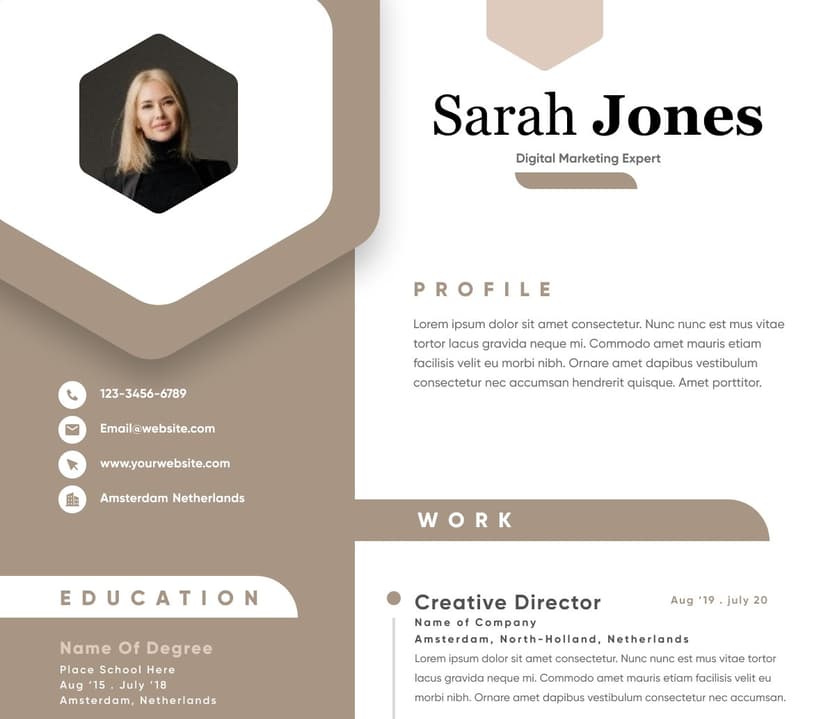
Use professional field-tested resume templates that follow the exact Resume rules employers look for.
Create Resume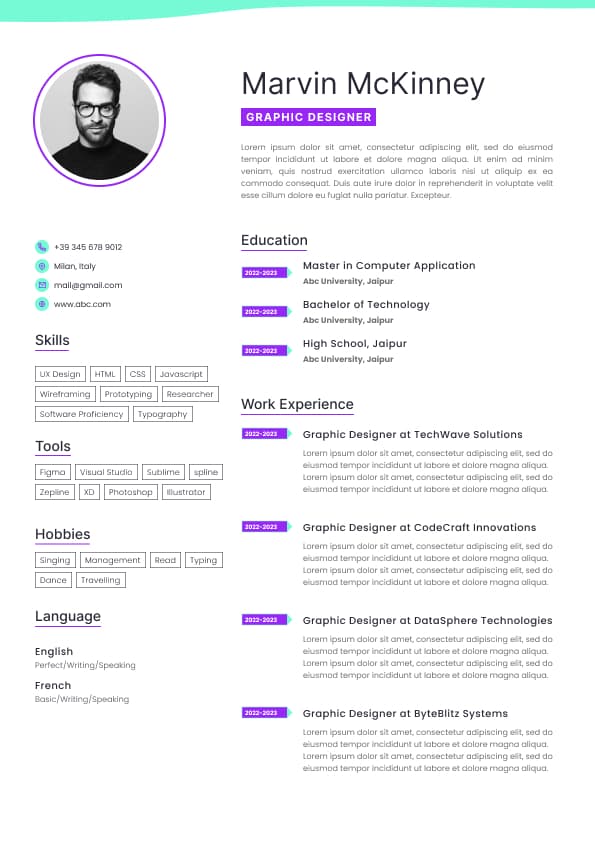
Use professional field-tested resume templates that follow the exact Resume rules employers look for.
Create ResumeA strong Australian security guard resume is not just a list of licences and previous jobs. Recruiters and hiring managers in the Australian security industry screen for reliability, licensing compliance, incident management ability, communication skills, and professionalism under pressure. Most applicants fail because their resumes are too generic, too task-focused, or do not match the specific security environment the employer is hiring for.
If you want interviews, your resume needs to immediately prove:
You hold the correct Australian security licences
You understand site procedures and compliance
You can manage incidents professionally
You communicate clearly with staff, contractors, and the public
You are reliable for shift-based environments
You fit the type of security role being advertised
Whether you are applying for static guarding, crowd control, retail loss prevention, mobile patrol, concierge security, or corporate security roles, employers want evidence that you can reduce risk, follow procedures, and represent their business professionally.
Most Australian security recruiters spend less than 30 seconds scanning a resume initially. The first screen is usually about risk reduction.
Hiring managers are asking:
Does this person hold the required licence?
Can they legally work in Australia?
Have they worked in similar security environments before?
Are they reliable for rotating shifts and weekends?
Can they communicate professionally with clients and the public?
Will they represent the company properly on-site?
Are there any red flags?
In Australia, security recruitment is heavily compliance-driven. If your licence details, certifications, and experience are unclear, many recruiters will reject the application immediately.
This guide explains exactly how to build a recruiter-approved security guard resume for the Australian market, including examples, formatting, ATS strategy, and the mistakes that stop candidates getting shortlisted.
Your resume must make critical information easy to find within seconds.
The best format is a reverse-chronological resume.
This works because recruiters want to quickly assess:
Your latest security experience
Site types you have worked on
Employment stability
Industry exposure
Licensing and compliance history
A strong Australian security guard resume should include:
Include:
Full name
Mobile number
Professional email address
LinkedIn profile if relevant
City and state
Do not include:
Date of birth
Photo
Marital status
Nationality
Full residential address
Your summary should immediately position you for the exact security role.
Avoid vague statements like:
“Hardworking security guard seeking opportunities”
“Reliable team player”
“Looking for career growth”
Recruiters see these constantly and ignore them.
Instead, position yourself strategically.
Good Example
“Licensed Security Officer with 5+ years of experience across corporate security, retail loss prevention, and mobile patrol environments in Melbourne. Skilled in incident response, access control, conflict de-escalation, CCTV monitoring, and contractor management. Proven ability to maintain professional client relationships while ensuring compliance with site procedures and safety standards.”
This works because it:
Specifies licence relevance
Shows environment experience
Includes operational keywords
Demonstrates professionalism
Aligns with ATS screening
The best skills section combines technical security capability with operational professionalism.
Include skills relevant to the role.
CCTV monitoring
Access control systems
Incident reporting
Crowd control
Mobile patrol operations
Alarm response
Risk assessment
Conflict de-escalation
Emergency response
Radio communication
Asset protection
Visitor management systems
Security screening
Key control procedures
Patrol documentation
Australian employers heavily prioritise professionalism in security staff because guards often represent the client directly.
Important soft skills include:
Professional communication
Situational awareness
Calm decision-making under pressure
Customer service
Reliability
Attention to detail
Shift flexibility
Team collaboration
This is where most resumes fail.
A weak resume lists duties only.
A strong resume demonstrates operational value, professionalism, and risk management capability.
Security Guard – ABC Security
Patrolled premises
Checked visitors
Wrote reports
This tells recruiters almost nothing.
Security Officer – ABC Security, Sydney NSW
January 2022 – Present
Conduct security patrols across commercial and retail sites, ensuring compliance with client safety procedures and incident prevention protocols
Monitor CCTV systems and investigate suspicious activity to minimise theft, property damage, and unauthorised access
Respond to incidents including disturbances, alarms, and emergency situations while maintaining calm professional communication
Complete detailed incident and shift reports used for client documentation and compliance reviews
Manage contractor and visitor access procedures in high-traffic corporate environments
Consistently selected for premium client sites due to professionalism, reliability, and strong customer interaction skills
This version performs better because it:
Shows environment relevance
Includes security terminology recruiters search for
Demonstrates accountability
Shows operational maturity
Reflects client-facing professionalism
Michael Turner
Melbourne VIC
0412 555 987
Licensed Security Officer with 6 years of experience across corporate security, concierge security, and access control environments in Melbourne. Strong background in incident management, CCTV monitoring, contractor coordination, and customer-facing security operations. Experienced working in high-profile commercial sites requiring professionalism, compliance, and strong communication skills.
Corporate security
Access control systems
CCTV monitoring
Incident response
Concierge security
Visitor management
Contractor induction procedures
Emergency response
Conflict de-escalation
Detailed incident reporting
WHS compliance
Customer service
Corporate Security Officer – SecureGuard Australia, Melbourne VIC
March 2021 – Present
Provide front-of-house security services across premium commercial office towers
Monitor access control systems and verify visitor credentials in accordance with site compliance requirements
Conduct emergency response procedures including evacuations, incident containment, and emergency communication coordination
Prepare accurate daily occurrence reports and incident documentation for client and management review
Liaise with tenants, contractors, and emergency services during operational incidents
Maintain high professional presentation standards in client-facing environments
Security Officer – Southern Cross Security, Melbourne VIC
February 2018 – February 2021
Conducted static guarding and mobile patrol operations across retail and industrial sites
Responded to alarms and after-hours incidents while ensuring safety and compliance procedures were followed
Assisted with crowd management during major public events and weekend operations
Reduced unauthorised access incidents through proactive patrol visibility and site monitoring
Victorian Security Licence
First Aid Certificate HLTAID011
CPR Certification
Working With Children Check
Driver Licence
Certificate II in Security Operations
Melbourne Polytechnic
Australian security employers often use ATS systems to filter resumes before a recruiter reviews them.
Your resume should naturally include relevant keywords such as:
Security Officer
Crowd Controller
Corporate Security
Static Guarding
Mobile Patrol
CCTV Monitoring
Access Control
Incident Response
Security Operations
Loss Prevention
Alarm Response
Concierge Security
Control Room Operations
Patrol Officer
Risk Management
Do not keyword stuff.
Recruiters can instantly recognise resumes written purely for ATS manipulation.
Keywords should appear naturally within:
Professional summary
Skills section
Work experience
A crowd control resume should not look identical to a corporate concierge security resume.
Different environments require different positioning.
Corporate security employers prioritise:
Professional presentation
Customer interaction
Communication
Corporate professionalism
Retail loss prevention employers prioritise:
Theft prevention
Observation
Incident documentation
Surveillance capability
Event security employers prioritise:
Crowd management
Conflict handling
Fast decision-making
High-pressure experience
Tailor the resume accordingly.
Many applicants bury their licence details at the bottom.
This is a major mistake.
Licensing is one of the first things recruiters check.
Include licences clearly and prominently.
Security recruiters want to know:
What type of site you worked on
What level of responsibility you handled
Whether you interacted with clients or the public
What systems or procedures you used
Generic duty lists weaken credibility.
Messy formatting creates concerns about professionalism and report-writing capability.
Security roles involve documentation and compliance.
If your resume looks disorganised, employers may assume your reporting standards are poor as well.
Focus on:
Professional communication
Concierge capability
Visitor management
Access control
Client interaction
Presentation standards
Focus on:
Conflict resolution
Crowd management
Incident response
De-escalation
High-pressure decision-making
Focus on:
Independent work
Alarm response
Patrol documentation
Route management
Vehicle operation
Focus on:
Loss prevention
Surveillance
Theft reduction
Customer interaction
Incident reporting
For security roles in Australia, a short tailored cover letter can improve shortlist rates, especially for:
Corporate security roles
Government-related contracts
Premium concierge security positions
High-profile client sites
A cover letter is most effective when it:
References the specific site or environment
Explains relevant experience
Reinforces reliability and professionalism
Shows availability and flexibility
Avoid generic cover letters copied across applications.
Many security applicants underestimate how heavily professionalism influences hiring decisions.
Common rejection triggers include:
Unprofessional email addresses
Poor grammar
Inconsistent work history with no explanation
Aggressive or overly macho language
Overly generic resumes
Lack of licence clarity
No evidence of communication skills
In Australia, many security roles are client-facing.
Employers want guards who reduce risk while maintaining calm, professional interactions.
A technically qualified candidate can still lose the role if the resume suggests poor professionalism.
Usually:
5 to 10 years maximum is ideal
Older unrelated jobs can be shortened or removed
Focus heavily on recent security-related experience
If you are new to security:
Emphasise transferable skills
Highlight customer service experience
Include compliance-focused responsibilities
Showcase reliability and shift-based work history
Hospitality, retail, defence, logistics, and customer-facing experience can all transfer well into security roles.
If you recently completed your security training, recruiters know you may not have direct experience yet.
What matters is positioning.
Focus on:
Security licences and certifications
Customer-facing experience
Reliability
Communication skills
Conflict handling
Shift work availability
Professionalism
You can still be competitive without years of experience if your resume presents strong operational potential.
The best security guard resumes in Australia do three things extremely well:
They make compliance and licensing instantly clear
They match the exact security environment being hired for
They position the candidate as professional, reliable, and low-risk
Most rejected resumes fail because they are too generic.
Security recruitment is highly environment-specific.
A strong corporate security resume should feel different from an event security resume. A mobile patrol resume should emphasise different strengths than a retail loss prevention resume.
The candidates who consistently get interviews are the ones who understand how recruiters evaluate operational risk, professionalism, communication, and client representation, not just licences and patrol duties.


 Upload Resume
 Import from Linkedin