
Choose from a wide range of NEWCV resume templates and customize your NEWCV design with a single click.

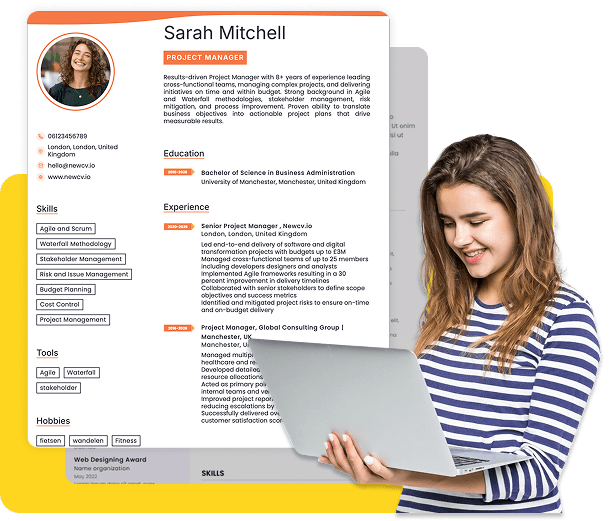
Use ATS-optimised Resume and resume templates that pass applicant tracking systems. Our Resume builder helps recruiters read, scan, and shortlist your Resume faster.

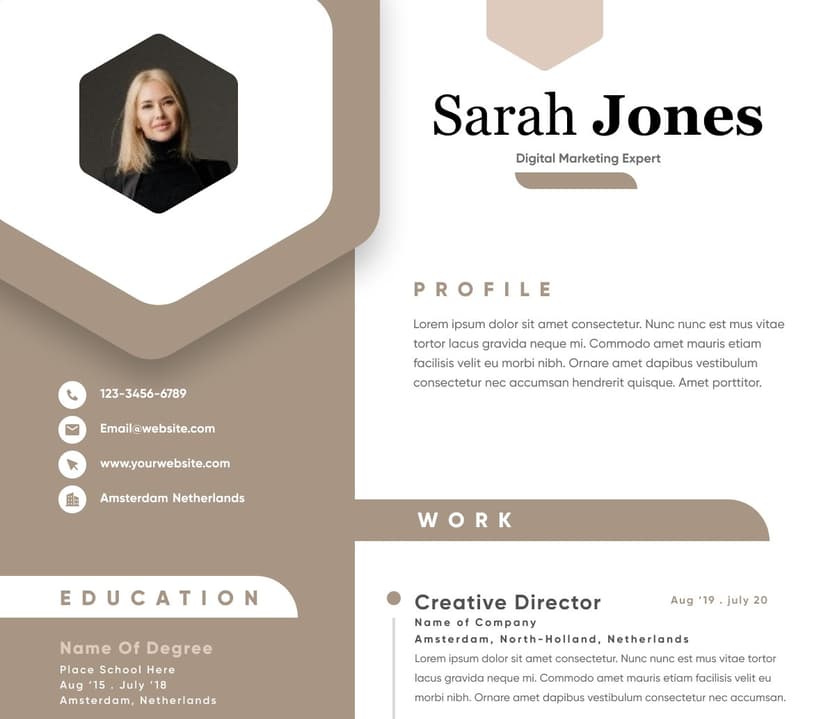
Use professional field-tested resume templates that follow the exact Resume rules employers look for.
Create Resume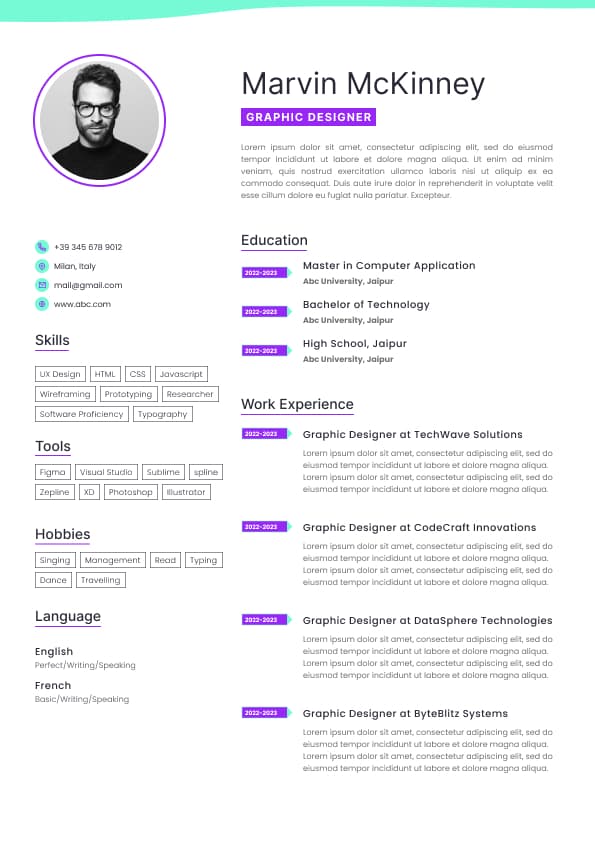
Use professional field-tested resume templates that follow the exact Resume rules employers look for.
Create ResumeIf you’re applying for white collar jobs in Australia, your resume needs to do far more than list responsibilities. Australian recruiters and hiring managers assess resumes quickly, often within 10 to 30 seconds during the first screen. They are looking for commercial relevance, clarity, measurable outcomes, and alignment with the role — not generic career summaries or overly complex formatting.
A strong white collar resume in Australia is tailored, achievement-driven, ATS-friendly, and written with clear positioning. Whether you’re applying for roles in finance, HR, operations, project management, administration, marketing, consulting, procurement, or corporate support functions, your resume needs to communicate business value immediately.
Most candidates fail because their resumes read like job descriptions instead of evidence of performance. The candidates who consistently secure interviews understand how Australian employers evaluate capability, risk, communication style, and organisational fit. This guide breaks down exactly how modern white collar resumes are screened in Australia, what recruiters actually prioritise, and how to structure your resume to compete effectively in the current market.
Australian hiring managers are generally pragmatic. They want evidence that you can perform in the role with minimal risk and minimal ramp-up time.
Your resume is being assessed for five things immediately:
Relevance to the advertised role
Commercial impact and measurable outcomes
Communication and professionalism
Career consistency and progression
Cultural and organisational fit
Most recruiters are not searching for “perfect” resumes. They are searching for low-risk candidates who clearly align with business needs.
This means your resume should answer these questions quickly:
What type of professional are you?
White collar resumes generally apply to professional, corporate, administrative, managerial, analytical, and office-based roles.
Common white collar sectors include:
Finance and accounting
Human resources
Administration and executive support
Marketing and communications
Project management
Procurement and supply chain
Operations and business support
What level are you operating at?
Which industries have you worked in?
What problems do you solve?
What outcomes have you delivered?
Why should you be shortlisted over similar applicants?
If those answers are unclear within the top half of page one, your chances drop significantly.
Legal and compliance
IT and technology
Consulting and professional services
Sales and account management
Government and public sector
While formatting standards are similar across industries, expectations vary by seniority and function.
For example:
Finance resumes require strong commercial metrics and technical systems exposure
HR resumes require stakeholder management and employment compliance relevance
Project management resumes require delivery outcomes, budgets, and governance experience
Executive support resumes require discretion, coordination, and leadership support capability
The mistake many candidates make is using a generic corporate resume across different white collar functions.
Australian recruiters notice this immediately.
The reverse chronological format remains the standard across Australia.
This structure works best because recruiters want to assess:
Current capability level
Career progression
Stability and tenure
Recency of experience
Industry alignment
Your resume structure should generally include:
Header with contact details
Professional summary
Core skills section
Professional experience
Education
Certifications or technical tools if relevant
For most white collar professionals, two to four pages is acceptable depending on seniority.
A one-page resume is usually too short for experienced professionals in Australia unless you are early career.
Australian hiring managers are generally comfortable with:
2 pages for early to mid-level professionals
3 pages for experienced specialists or managers
4 pages for senior leadership or highly technical roles
The issue is not length alone.
The real issue is value density.
Recruiters will read longer resumes if the information is relevant, strategic, and easy to scan.
They will reject short resumes that lack evidence.
The strongest resumes are commercially focused.
Weak resumes explain tasks.
Strong resumes explain outcomes.
“Responsible for managing stakeholder communication and project administration.”
“Coordinated cross-functional stakeholder communication across 14 concurrent projects, improving reporting turnaround times by 32% and reducing approval delays.”
The second version demonstrates:
Scope
Complexity
Ownership
Measurable impact
Business relevance
This is how recruiters assess professional value.
Your professional summary should position you strategically within seconds.
It should not be vague or generic.
“Hardworking and motivated professional seeking new opportunities.”
This tells recruiters nothing useful.
“Operations professional with 8+ years’ experience across logistics, procurement, and business support environments within FMCG and manufacturing sectors. Proven track record improving workflow efficiency, supplier coordination, and reporting accuracy across high-volume operational teams.”
This version establishes:
Experience level
Industry exposure
Functional capability
Business value
Your summary should align tightly with the target role.
One of the fastest ways to lose recruiter interest is listing responsibilities without context or results.
Recruiters already know what most jobs involve.
They want proof of effectiveness.
Dense walls of text reduce readability and screening speed.
Australian recruiters typically prefer concise, scannable resumes with strong formatting and clear outcomes.
Many resumes completely fail to explain results.
Whenever possible, include:
Revenue impact
Cost savings
Efficiency improvements
Team size
Project scope
Budgets managed
Customer outcomes
Compliance improvements
Time savings
Even administrative professionals should demonstrate measurable contribution.
Many white collar resumes fail ATS screening because they:
Use graphics or tables incorrectly
Lack role-relevant keywords
Use vague terminology
Do not mirror job ad language naturally
Australian employers increasingly use ATS systems, especially for corporate and government recruitment.
Using the same resume for HR, operations, project coordination, and administration roles rarely works well.
Even when transferable skills exist, recruiters expect targeted positioning.
ATS systems do not “hire” candidates.
They help recruiters filter and prioritise applications.
Your resume still needs to appeal to humans first.
However, ATS systems commonly scan for:
Job titles
Skills
Software platforms
Industry terminology
Certifications
Keywords from the job ad
If the job ad mentions:
Stakeholder engagement
SAP
Budget forecasting
Risk management
Procurement compliance
Those terms should appear naturally in your resume if genuinely relevant to your experience.
Do not keyword stuff.
Modern recruiters spot this immediately.
Tailoring is one of the biggest differentiators between shortlisted and rejected candidates.
This does not mean rewriting your entire resume every time.
It means adjusting:
Professional summary
Core skills
Key achievements
Keywords
Positioning language
For example, an operations candidate applying for a project coordination role should emphasise:
Cross-functional coordination
Scheduling
Reporting
Stakeholder communication
Process improvement
Instead of focusing heavily on operational administration.
Achievements demonstrate performance.
Duties demonstrate attendance.
Australian recruiters consistently prioritise candidates who can show evidence of contribution.
Strong achievement bullets usually include:
Action
Scope
Outcome
Metric where possible
Reduced invoice processing backlog by 40% through workflow redesign and automation improvements
Managed executive calendar coordination across multiple interstate leadership teams during organisational restructure
Improved customer onboarding turnaround times from 7 days to 3 days by streamlining internal approval processes
Supported delivery of $2.4M infrastructure project within budget and compliance requirements
These bullets create stronger perceived value than generic duties.
Most hiring managers do not read resumes line-by-line initially.
They scan for alignment.
They are looking for signals such as:
Similar industry background
Comparable organisational complexity
Relevant systems experience
Stakeholder exposure
Communication ability
Stability and professionalism
A candidate with slightly less experience but stronger alignment often beats a more experienced but poorly targeted applicant.
This is why positioning matters.
In most Australian white collar resumes, a career objective is outdated unless you are:
Changing industries
Returning to work
Entering the workforce
Making a major career pivot
Even then, it should be strategic and concise.
Most professionals are better served using a strong professional summary focused on value and alignment.
Candidates relocating to Australia often struggle because resume expectations differ.
Common international resume mistakes include:
Overly long profiles
Excessive personal information
Multiple pages of responsibilities
Very formal or academic tone
Lack of measurable outcomes
Australian resumes are generally:
Practical
Direct
Achievement-focused
Commercially aligned
Easy to scan
Recruiters expect clarity over complexity.
No.
Photos are generally not recommended for Australian white collar resumes.
Most professional employers prefer resumes without photos to reduce unconscious bias risks and maintain consistent screening standards.
Technical skills matter, but transferable business skills often determine interview outcomes.
High-value skills commonly assessed include:
Stakeholder management
Communication
Problem-solving
Project coordination
Commercial awareness
Time management
Systems capability
Process improvement
Reporting and analysis
Adaptability
However, listing skills alone is not enough.
Recruiters want evidence those skills have been applied successfully.
Career changes are common in Australia, especially across adjacent corporate functions.
The key is controlling the narrative.
Do not force unrelated experience.
Instead, identify overlapping business capabilities.
For example:
An executive assistant moving into operations coordination may highlight:
Scheduling and workflow management
Stakeholder coordination
Reporting
Process support
Multi-priority management
A customer service professional moving into HR administration may highlight:
Communication
Compliance exposure
Documentation accuracy
Conflict resolution
Systems administration
The goal is relevance, not reinvention.
Experienced recruiters often identify resume quality within seconds.
Positive signals include:
Clear positioning
Strong formatting
Relevant achievements
Commercial language
Consistent career narrative
Targeted alignment
Negative signals include:
Generic summaries
Massive text blocks
No measurable outcomes
Poor grammar or formatting
Unclear job targets
Inconsistent career logic
Small presentation issues can heavily affect perceived professionalism in white collar hiring.
Many candidates think resume success means “getting noticed”.
That is only part of the process.
A strong white collar resume should improve interview conversion quality.
This means attracting roles where:
Your experience genuinely aligns
You can speak confidently about achievements
Your positioning matches hiring expectations
Over-positioning yourself can backfire.
If your resume implies senior strategic capability you cannot demonstrate in interviews, hiring managers will identify the gap quickly.
The best resumes create accurate but compelling positioning.
Australian recruiters generally respond better to resumes that sound:
Clear
Commercial
Practical
Outcome-focused
Professional without being overly corporate
Overly inflated language can reduce credibility.
“Dynamic visionary thought leader with exceptional synergistic communication abilities.”
“Led cross-functional coordination between operations, finance, and procurement teams during national system rollout.”
The second version sounds credible because it is specific.
Keywords should reflect genuine capability and role alignment.
Common high-performing white collar resume keywords include:
Stakeholder engagement
Process improvement
Business operations
Compliance
Reporting and analysis
Cross-functional collaboration
Budget management
Change management
Project delivery
Customer experience
Workflow optimisation
Strategic support
Risk management
Governance
Operational efficiency
However, context matters more than keyword density.
Government resumes in Australia are often more structured and criteria-driven.
Private sector resumes are usually more commercially concise.
Government resumes often prioritise:
Policy alignment
Governance
Documentation
Stakeholder consultation
Framework compliance
Private sector resumes usually prioritise:
Commercial outcomes
Efficiency
Revenue or operational impact
Adaptability
Delivery speed
Candidates applying across both sectors should tailor accordingly.
Before submitting your resume, check whether it clearly demonstrates:
What type of professional you are
Which industries you understand
What business problems you solve
What outcomes you deliver
Why your background aligns with the role
Also confirm:
Formatting is clean and ATS-friendly
Achievements are measurable where possible
Keywords align naturally with the job ad
Grammar and spelling use Australian English
Resume length matches your experience level
Your positioning is targeted, not generic
A resume should not simply document your employment history.
It should strategically position you as a credible solution to a business need.


 Upload Resume
 Import from Linkedin