
Choose from a wide range of NEWCV resume templates and customize your NEWCV design with a single click.

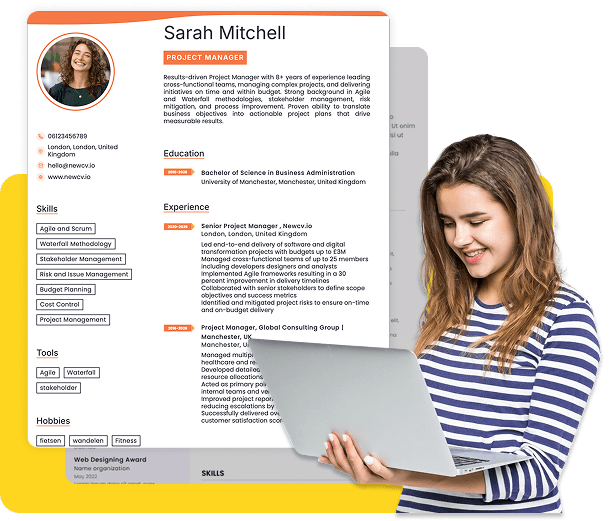
Use ATS-optimised Resume and resume templates that pass applicant tracking systems. Our Resume builder helps recruiters read, scan, and shortlist your Resume faster.

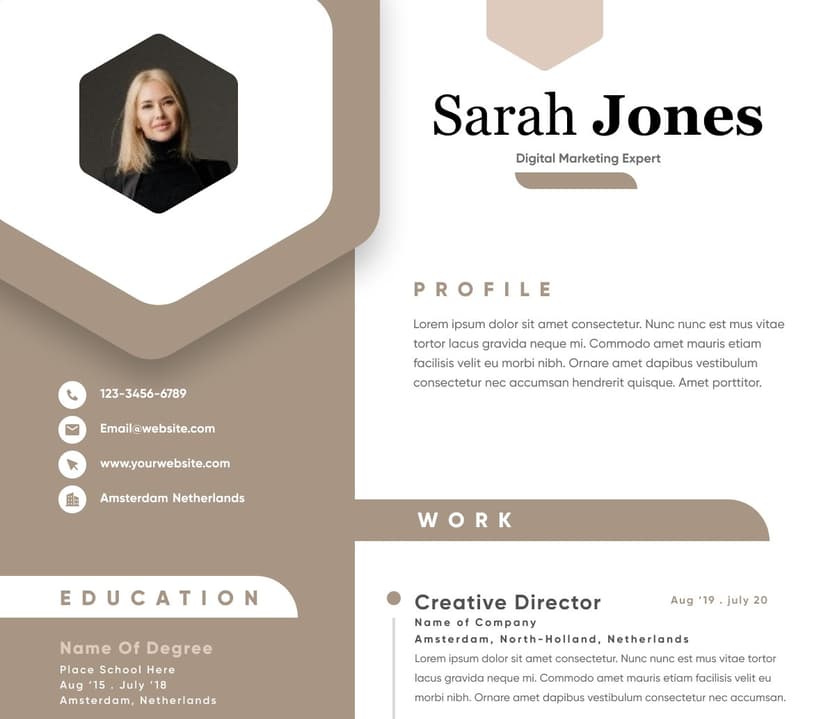
Use professional field-tested resume templates that follow the exact Resume rules employers look for.
Create Resume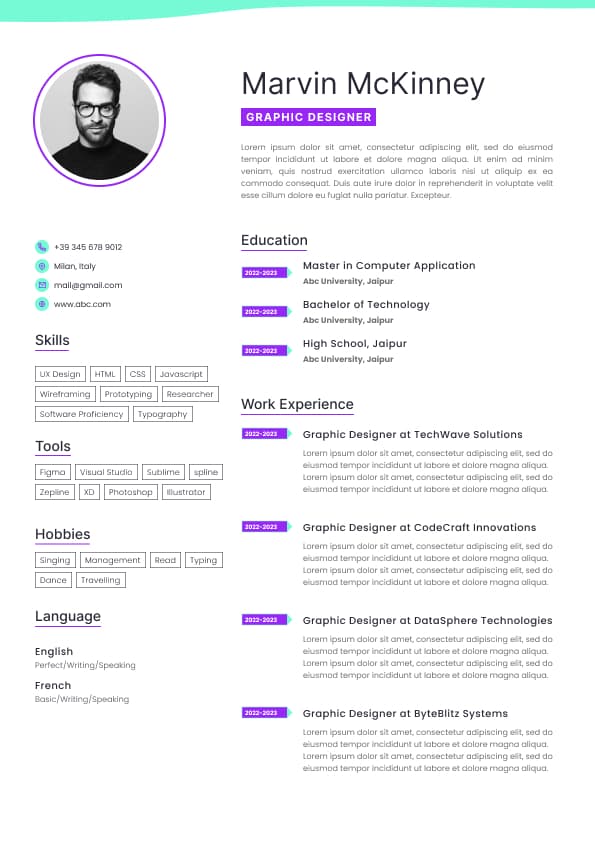
Use professional field-tested resume templates that follow the exact Resume rules employers look for.
Create ResumeIf you’re applying for jobs in Australia on a temporary visa, your resume needs to do more than list your experience. Australian employers often screen temporary visa holders differently because they’re assessing work rights, visa duration, availability, sponsorship risk, and long term hiring stability before they even shortlist candidates.
That means a strong resume for temporary visa holders in Australia must immediately answer the hiring manager’s unspoken concerns:
Can this candidate legally work here?
How long can they stay?
Will they need sponsorship?
Are they already in Australia?
Can they start quickly?
Are they likely to leave soon?
Many employers will never openly say visa status is the issue. Instead, candidates hear:
“We decided to move forward with other applicants”
“We’re looking for someone with unrestricted work rights”
“You were not the right fit”
In reality, employers are often concerned about:
Visa expiry timelines
Sponsorship obligations
Administrative complexity
Staff turnover risk
Australian recruiters typically scan resumes in under 10 seconds during initial screening.
For temporary visa holders, recruiters usually check these areas immediately:
This is the biggest filter.
Recruiters want to know:
Your visa type
Whether you have full work rights
Whether hours are restricted
Whether sponsorship is required now or later
Whether your visa is valid long enough for the role
If this information is unclear, many recruiters will reject the application rather than investigate further.
Employers strongly prefer candidates already based in Australia.
Most temporary visa applicants fail because their resumes create uncertainty. Strong candidates get rejected simply because employers cannot quickly understand their work rights or hiring risk.
The goal is not to “hide” your visa status. The goal is to position yourself as low risk, employable, and immediately hireable within the Australian market.
Limited work hours
Candidate availability
Compliance obligations
This is especially common in:
Corporate roles
Government roles
Finance and banking
Healthcare administration
Graduate programs
Permanent full time positions
However, many industries actively hire temporary visa holders when the resume is positioned correctly.
If you’re offshore, you face a much harder market unless:
The role is highly specialised
Sponsorship is already available
Your skill shortage area is difficult to fill locally
Being physically present in Australia significantly improves interview rates.
Hiring managers also assess whether you understand Australian workplace expectations.
Your resume should reflect:
Australian resume formatting
Local terminology
Clear communication
Relevant local experience where possible
Results and achievements, not just duties
One of the biggest mistakes temporary visa holders make is burying visa information or avoiding it entirely.
That creates uncertainty.
Instead, mention your work rights clearly near the top of the resume.
Place it directly underneath your contact details or inside your professional summary.
Temporary Graduate Visa (Subclass 485) with full work rights until March 2028. Based in Melbourne and available for immediate start.
This works because it immediately answers key recruiter concerns.
Visa details available upon request.
This creates friction and uncertainty.
Different visas create different recruiter perceptions.
Your resume strategy should reflect this reality.
Student visa holders often face concern about limited working hours.
Your resume should clarify:
Current work rights
Availability
Study schedule flexibility
Local experience
Commitment to remaining in Australia
Student Visa holder with current unrestricted work rights during university break periods and flexible weekday availability.
Avoid over explaining immigration details. Keep it concise and practical.
This is one of the strongest temporary visas in the Australian hiring market because employers know you often have full work rights.
Emphasise:
Full work rights
Australian qualification
Local internship or placement experience
Immediate availability
Long term career goals
Candidates on a 485 visa are often viewed more favourably because employers know they can work full time without sponsorship complications in the short term.
Working Holiday visa holders are often perceived as temporary workers.
That means employers worry about:
Short stays
Travel plans
High turnover risk
Your resume should focus on stability.
Australian location
Availability duration
Commitment to ongoing work
Reliability
Flexibility
Working Holiday Visa holder based in Brisbane with full work rights and availability for ongoing employment through 2027.
Bridging visas can create confusion for employers.
Avoid vague wording.
Clearly state:
Current work rights
Employment eligibility
Availability
Bridging Visa with unrestricted full time work rights. Available for immediate start.
Do not force employers to interpret visa conditions themselves.
Australian resumes differ from resumes used in many other countries.
Recruiters expect a clean, achievement focused format.
Include:
Full name
Australian mobile number
Professional email address
LinkedIn profile
Australian location
Visa status and work rights
Avoid including:
Passport details
Date of birth
Marital status
Religious information
Full residential address
This section is critical for temporary visa holders.
Your summary should combine:
Your profession
Years of experience
Key strengths
Australian relevance
Work rights
Results driven Civil Engineer with 5+ years of infrastructure experience across transport and commercial projects. Currently based in Sydney on a Temporary Graduate Visa with full work rights until 2028. Experienced in stakeholder coordination, project delivery, and Australian compliance standards.
This reassures employers quickly.
Australian recruiters care more about achievements than responsibilities.
Weak resumes simply list tasks.
Strong resumes show measurable outcomes.
Responsible for customer service and administration.
Managed front desk operations and customer enquiries, contributing to a 25% improvement in appointment scheduling efficiency.
Focus on:
Outcomes
Metrics
Improvements
Commercial impact
Team contribution
Australian employers value local education heavily.
If you studied in Australia, highlight this clearly.
Institution
Qualification
Graduation year
Relevant certifications
Industry licences where relevant
Avoid generic keyword stuffing.
Instead, align skills with actual Australian job descriptions.
Technical tools
Industry systems
Software
Compliance knowledge
Communication skills
Industry certifications
This is one of the biggest mistakes.
Recruiters assume the worst when work rights are unclear.
Transparency improves trust.
Many international resumes are too long, too formal, or too task focused for Australian hiring standards.
Australian resumes should be:
Clear
Achievement focused
Easy to scan
Direct
Professional without being overly formal
Employers are hiring for a role, not assessing an immigration case.
Do not include:
Full visa history
Legal explanations
Immigration timelines
Complex visa terminology
Keep it practical.
Generic international resumes perform poorly in Australia.
Localisation matters.
This includes:
Australian spelling
Local terminology
Australian phone number
Australian location
Relevant local experience
Australian style formatting
Many Australian employers use Applicant Tracking Systems (ATS) before recruiter review.
ATS systems may screen for:
Work rights
Visa keywords
Location
Availability
Sponsorship requirements
That means your resume should naturally include phrases like:
Full working rights in Australia
Temporary Graduate Visa
Australian work rights
Available for immediate start
Based in Melbourne/Sydney/Brisbane/etc.
Avoid awkward keyword stuffing.
The wording should still sound natural.
Usually, no.
Do not lead with sponsorship requests unless:
The role explicitly offers sponsorship
Your industry commonly sponsors candidates
Your occupation is in a severe skills shortage
Most employers initially want reassurance, not complexity.
Focus first on:
Current work rights
Availability
Your value to the employer
Sponsorship conversations often happen later during hiring discussions.
Some sectors are significantly more open to temporary visa applicants.
These include:
Hospitality
Aged care
Disability support
Construction
Trades
Regional healthcare
IT and software
Engineering
Logistics
Agriculture
Customer service
Warehousing
Corporate office roles are generally more competitive and cautious regarding visa restrictions.
Temporary visa holders often believe they lose purely because of visa status.
That is not always true.
Many candidates are rejected because their resumes fail to reduce perceived hiring risk.
You need to position yourself strategically.
Employers primarily want:
Stability
Reliability
Low hiring risk
Fast onboarding
Strong communication
Local adaptability
Relevant experience
Your resume should actively reinforce these points.
Even short local experience helps.
Include:
Casual work
Internships
Volunteer work
Placements
Contract roles
Australian experience reduces employer uncertainty significantly.
Fast hiring matters in Australia.
Mentioning immediate availability can improve response rates.
Poor communication is a major employer fear with international candidates.
Your resume should demonstrate:
Clear writing
Concise language
Professional presentation
Commercial awareness
Strong Australian resumes naturally incorporate local terminology.
Examples include:
Stakeholder management
Cross functional collaboration
Client focused
Compliance
WHS
Customer engagement
Operational support
Project coordination
Team leadership
Process improvement
Use only terms genuinely relevant to your background.
Recruiters screen for eligibility.
Hiring managers screen for long term value.
Hiring managers often ask themselves:
Will this person stay?
Can they integrate into the team quickly?
Are they proactive?
Will communication be smooth?
Can they work independently?
Your resume should indirectly answer these concerns through:
Achievements
Stability
Professional presentation
Local adaptation
Clear career direction
In Australia:
Early career candidates usually perform best with 1 to 2 pages
Experienced professionals may use 2 to 3 pages
Do not assume longer resumes appear more impressive.
Recruiters prefer relevance over volume.
No.
Photos are generally not expected in Australia and can appear unprofessional in many industries.
Exceptions may exist in:
Acting
Modelling
Some hospitality roles
For most professional jobs, avoid photos entirely.
Before applying, check whether your resume clearly answers these questions within the first page:
What visa do you hold?
Do you have full work rights?
Are you already in Australia?
Can you start quickly?
What value do you bring?
Why are you low hiring risk?
If recruiters cannot quickly find these answers, your application becomes harder to shortlist.
Australian employers do hire temporary visa holders every day.
But employers rarely want uncertainty.
The candidates who perform best are not always the most qualified. They are usually the candidates who make hiring feel easiest, safest, and lowest risk.
That starts with the resume.
A strong Australian resume for temporary visa holders should immediately reassure employers about work rights, communicate commercial value clearly, and position the candidate as employable right now, not eventually.
That is the difference between being ignored and getting interviews.


 Upload Resume
 Import from Linkedin