
Choose from a wide range of NEWCV resume templates and customize your NEWCV design with a single click.

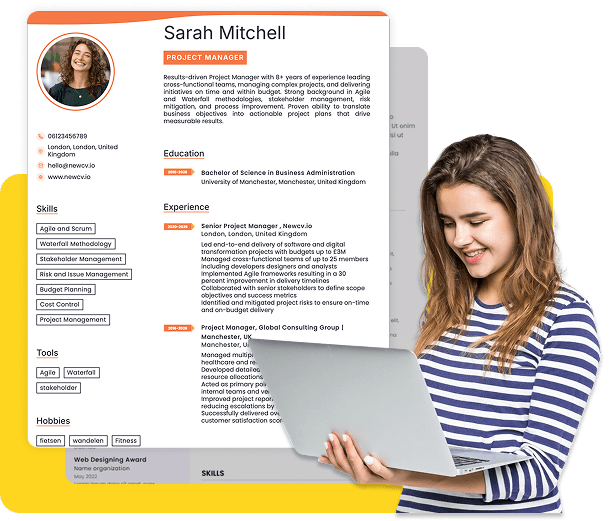
Use ATS-optimised Resume and resume templates that pass applicant tracking systems. Our Resume builder helps recruiters read, scan, and shortlist your Resume faster.

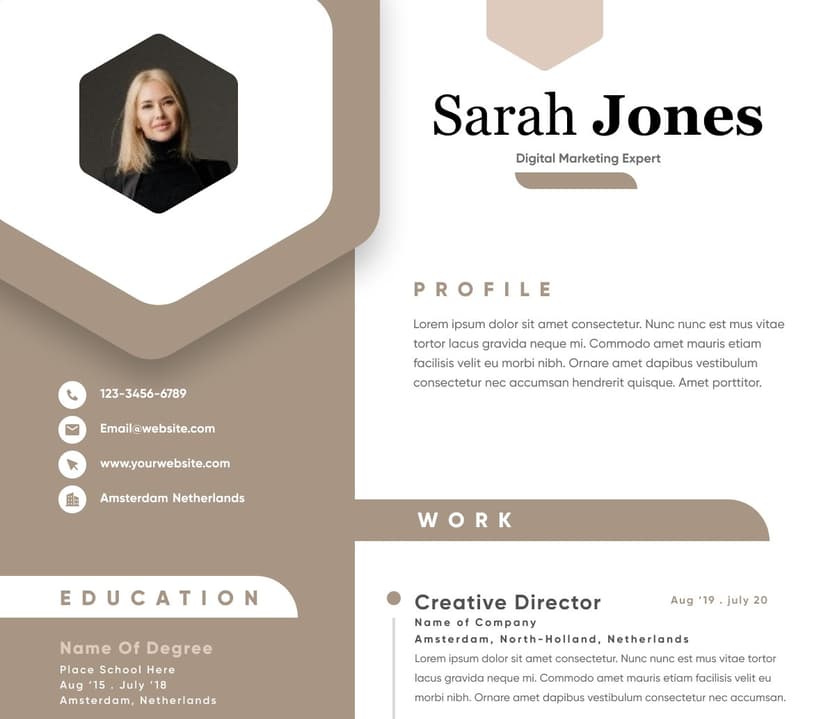
Use professional field-tested resume templates that follow the exact Resume rules employers look for.
Create Resume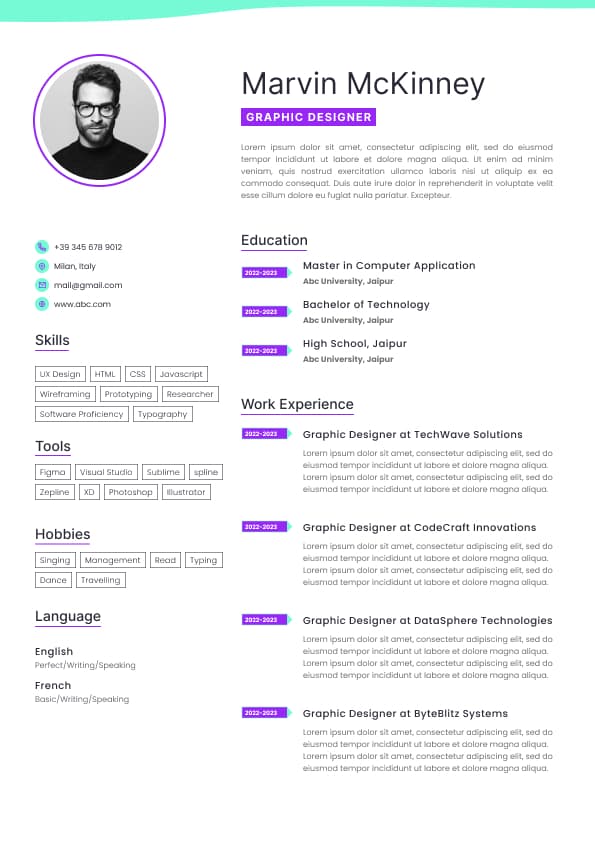
Use professional field-tested resume templates that follow the exact Resume rules employers look for.
Create ResumeSelection Criteria Examples Australia
Selection criteria are one of the biggest reasons strong candidates get rejected in the Australian job market, especially for government, healthcare, education, universities, and large corporate roles. Most applicants either repeat their resume, write vague claims without evidence, or misunderstand what recruiters are actually assessing.
In Australia, selection criteria are not about describing yourself. They are evidence-based assessments used to determine whether you can perform the role. Hiring managers want proof of behaviour, decision-making, communication style, stakeholder management, and measurable outcomes.
The strongest selection criteria responses do three things exceptionally well:
•Directly answer the criterion
• Use specific workplace examples with outcomes
• Match the language and expectations of the role description
If your responses are generic, too short, too long, overly theoretical, or unsupported by examples, you will usually lose interviews to candidates who demonstrate clearer evidence and stronger alignment with the role requirements.
This guide explains exactly how successful Australian candidates structure selection criteria responses, what recruiters look for during screening, and how to write examples that improve your interview chances.
Selection criteria are the skills, capabilities, behaviours, qualifications, and experience an employer uses to assess applicants against a role.
They are commonly used in:
•APS and state government jobs
• Healthcare and nursing roles
• Education and university positions
• Local council jobs
• Community services and NFP roles
• Large organisations with formal recruitment processes
Selection criteria may appear as:
•Essential criteria
• Key selection criteria
• Capability questions
• Statement of claims
• Suitability statements
• Targeted questions
• Behavioural criteria
Despite the different labels, the purpose is usually the same: employers want evidence that you can perform the job successfully.
Most candidates assume selection criteria are scored based on writing quality alone. That is not how Australian recruitment panels assess applications.
Recruiters and hiring managers usually evaluate:
•Relevance of the example
• Evidence of capability
• Complexity of the situation
• Decision-making quality
• Communication clarity
• Outcomes achieved
• Alignment with the role level
• Understanding of the organisation’s environment
For example, a government hiring panel assessing “stakeholder engagement” is not looking for a definition of communication skills. They want evidence you managed difficult stakeholders, influenced outcomes, handled competing priorities, or navigated sensitive issues.
Strong candidates demonstrate capability through examples.
Weak candidates describe personality traits.
This is the most common failure point.
Weak Example
“I have excellent communication and teamwork skills and work well under pressure.”
This says nothing meaningful.
There is no evidence, no context, and no measurable result.
Good Example
“In my previous customer service role, I managed escalated complaints during a system outage affecting more than 300 clients. I coordinated updates between technical teams and customers, reduced repeat enquiries by 40%, and maintained a 95% customer satisfaction rating during the incident period.”
The second example demonstrates actual capability.
Your resume outlines responsibilities.
Selection criteria must demonstrate behaviour, judgement, and outcomes.
A resume says:
•Managed staff roster
• Provided customer service
• Coordinated projects
Selection criteria should explain:
•What challenge existed
• What you personally did
• Why your actions mattered
• What outcome you achieved
Many applicants use examples that are too basic for the role level.
For senior roles, recruiters expect:
•Leadership
• Stakeholder influence
• Strategic thinking
• Complex problem-solving
• Risk management
• Decision-making impact
If you apply for a senior APS role using entry-level examples, your application usually gets downgraded quickly.
Longer does not mean stronger.
Many Australian hiring managers review hundreds of applications. Dense, repetitive responses often work against candidates.
Most strong responses are:
•Focused
• Evidence-driven
• Easy to scan
• Specific
• Outcome-oriented
The STAR method remains the most effective structure in Australia because it aligns with behavioural recruitment practices.
Briefly explain the context.
Explain your responsibility or challenge.
Describe exactly what you did personally.
This is the most important section.
Explain measurable outcomes, improvements, or lessons learned.
Example
“In my role as Operations Coordinator for a logistics company, I managed scheduling during a peak seasonal period where shipment volumes increased by more than 45%.
My responsibility was to maintain delivery performance while managing limited staffing availability and frequent client changes.
I implemented a revised priority scheduling system, introduced daily operational check-ins with warehouse supervisors, and created escalation procedures for urgent freight requests. I also reallocated team resources based on real-time delivery data to reduce delays.
As a result, the team maintained a 97% on-time delivery rate during peak demand while reducing overtime costs by 18% compared to the previous year.”
Why this works:
•Specific workplace scenario
• Demonstrates ownership
• Shows operational thinking
• Includes measurable outcomes
• Aligns directly with the criterion
This depends on the employer requirements.
General Australian expectations:
•Short-form questions: 150 to 300 words
• Standard criteria: 250 to 500 words
• Senior government roles: up to 750 words if requested
• APS statements of claims: often 500 to 1000 words total
Ignoring word limits is a major mistake.
Government recruiters often mark candidates down for failing instructions because it suggests poor attention to detail.
Example
“In my role as Client Services Officer, I regularly communicated with customers, internal departments, and external suppliers regarding account issues and service delivery concerns.
One significant challenge involved resolving a high-value client complaint relating to delayed implementation timelines. I coordinated meetings between technical specialists and the client, clarified misunderstandings around project scope, and prepared written updates outlining revised delivery milestones.
I also redesigned the client communication template to improve clarity and reduce recurring confusion around project stages.
As a result, the client retained their contract valued at more than $250,000 annually, and customer complaints relating to onboarding communication reduced by 35% over six months.”
Example
“While working in a hospital administration team, staffing shortages created increased pressure across patient scheduling and admissions functions.
I collaborated with nursing staff, administration officers, and department managers to identify workflow bottlenecks affecting patient processing times. I volunteered to cross-train across multiple functions to support coverage during absences and assisted with implementing a revised handover process between shifts.
The new process reduced patient wait times during peak admission periods and improved coordination between clinical and administration teams.”
Example
“As a Retail Store Supervisor, I identified recurring stock discrepancies causing inventory losses and delayed customer orders.
After reviewing stock movement records, I discovered inconsistencies in manual receiving processes across multiple shifts. I developed a standardised inventory reconciliation checklist and trained staff on revised procedures.
Within three months, stock discrepancies reduced by 60%, and order fulfilment accuracy improved significantly.”
Example
“During a major organisational restructure, I supervised a team of 12 employees across customer support operations.
Staff morale declined due to uncertainty regarding role changes and increased workloads. I introduced weekly team briefings, implemented structured performance support sessions, and worked closely with management to clarify operational priorities.
I also coached newer staff members on handling escalated customer interactions and workload management.
Despite the transition period, the team maintained service KPIs and achieved the department’s highest customer satisfaction rating for that quarter.”
Australian Public Service recruitment follows structured behavioural assessment practices.
APS panels often assess:
•Capability framework alignment
• Behavioural evidence
• Integrity and accountability
• Stakeholder engagement
• Policy understanding
• Government communication standards
APS applications usually fail because candidates:
•Use corporate language without behavioural evidence
• Focus too heavily on technical tasks
• Ignore outcomes
• Do not align examples to APS capabilities
APS assessors prefer examples that demonstrate:
•Judgement under pressure
• Collaboration
• Policy awareness
• Public service values
• Risk management
• Stakeholder sensitivity
• Decision-making rationale
For APS roles, strong responses are usually:
•Structured
• Clear
• Evidence-based
• Professional but not overly formal
• Focused on public impact and accountability
Most formal recruitment panels use scoring matrices.
Candidates are usually assessed on:
•Relevance
• Depth of example
• Demonstrated capability
• Complexity handled
• Communication clarity
• Outcome quality
This means two candidates with similar experience can receive very different scores based on how effectively they present evidence.
A candidate with moderate experience but strong examples often outperforms a highly experienced candidate with vague responses.
High-scoring selection criteria responses usually include:
•Clear ownership of actions
• Real workplace complexity
• Quantifiable outcomes
• Strong alignment with the role
• Evidence of initiative
• Stakeholder management
• Commercial or operational impact
The strongest candidates also tailor examples specifically to the organisation.
For example:
•Government applications emphasise governance and accountability
• Healthcare applications prioritise patient care and compliance
• Corporate applications focus more on commercial outcomes and efficiency
Many Australian employers can now identify low-quality AI-generated responses immediately.
The biggest giveaway signs include:
•Generic wording
• Lack of specificity
• Overly polished corporate language
• No measurable outcomes
• Unrealistic examples
• No organisational alignment
AI can help structure responses or improve clarity, but generic AI-written content performs poorly in competitive recruitment processes.
Hiring managers want authentic examples that reflect real workplace behaviour.
Recruiters often screen for alignment between the advertisement and your examples.
If the role mentions:
•Stakeholder engagement
• Service delivery
• Compliance
• Continuous improvement
• Risk management
Your examples should naturally demonstrate those concepts.
Most applicants spend too much time explaining situations.
High-performing responses focus heavily on:
•Actions taken
• Decision-making
• Outcomes achieved
Outcomes are what differentiate average candidates from shortlisted candidates.
Strong metrics improve credibility.
Examples include:
•Revenue growth
• Cost savings
• Time reductions
• KPI improvements
• Customer satisfaction
• Error reduction
• Compliance improvements
Even approximate metrics are better than none when realistic.
Generic selection criteria responses are easy to spot.
Strong candidates customise:
•Examples
• Language
• Priorities
• Outcomes
• Keywords
Based on the specific role.
For senior or complex criteria, one example may not fully demonstrate capability.
In these cases, briefly combining two relevant examples can strengthen the response, particularly when showing:
•Leadership plus operational delivery
• Strategy plus implementation
• Stakeholder management across different contexts
However, avoid cramming multiple weak examples into one response.
One strong example is usually more effective.
Good responses explain what happened.
Excellent responses explain:
•Why decisions mattered
• How complexity was managed
• What trade-offs existed
• How stakeholders were influenced
• What measurable impact occurred
That strategic depth is what hiring panels remember.
Selection criteria are not writing exercises.
They are evidence assessments.
Recruiters are trying to answer one question:
“Can this person perform effectively in this role?”
Every sentence should help answer that question.
The candidates who consistently secure interviews in Australia are not always the most experienced. They are usually the candidates who:
•Use strong evidence
• Demonstrate clear impact
• Align examples to the role
• Show ownership and judgement
• Make applications easy to assess
If your selection criteria are vague, generic, or resume-like, strong experience alone often will not save the application.


 Upload Resume
 Import from Linkedin