
Choose from a wide range of NEWCV resume templates and customize your NEWCV design with a single click.

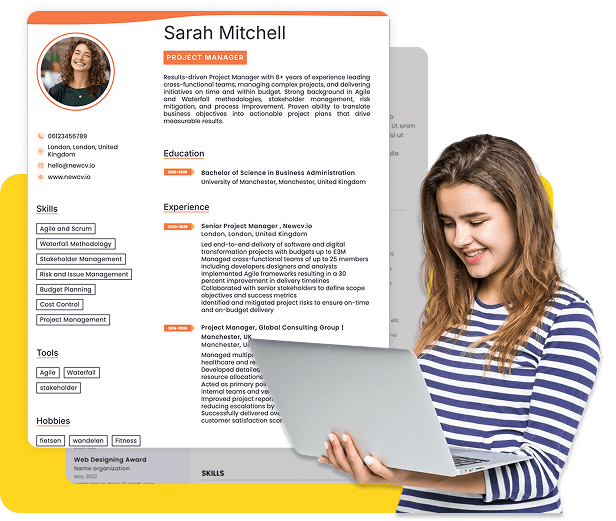
Use ATS-optimised Resume and resume templates that pass applicant tracking systems. Our Resume builder helps recruiters read, scan, and shortlist your Resume faster.

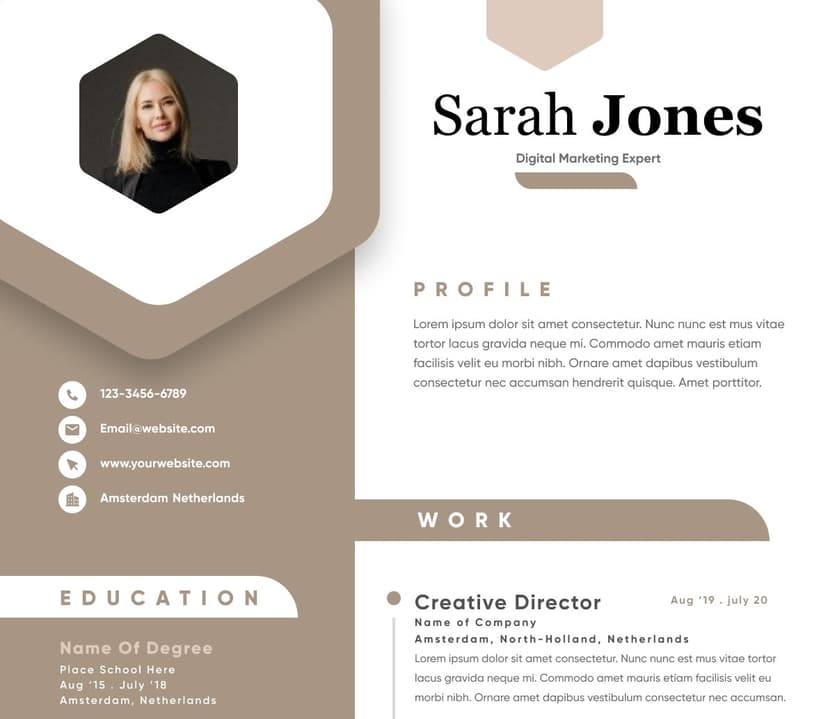
Use professional field-tested resume templates that follow the exact Resume rules employers look for.
Create Resume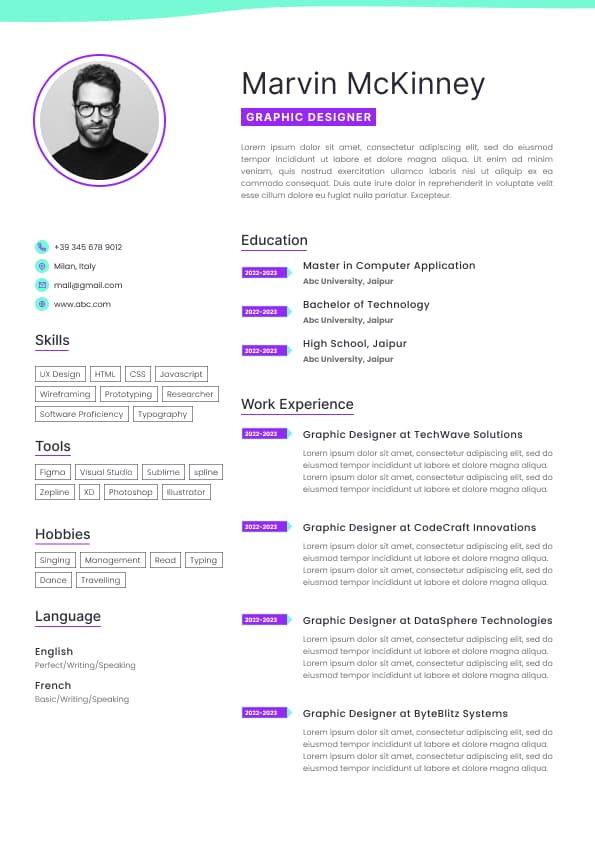
Use professional field-tested resume templates that follow the exact Resume rules employers look for.
Create ResumeYour resume summary is one of the first things Australian recruiters and hiring managers read, especially when they are scanning dozens or even hundreds of applications. A strong summary immediately tells the employer who you are, what level you operate at, what value you bring, and why you are relevant to the role. A weak summary gets skipped within seconds.
In the Australian job market, resume summaries work best when they are concise, tailored, commercially relevant, and focused on outcomes rather than generic personality traits. Recruiters are not looking for vague statements like “hardworking team player” or “results-driven professional”. They want fast evidence of capability, industry fit, and alignment with the role.
The best Australian resume summaries:
Position you clearly within your industry
Match the seniority of the role
Include measurable strengths or achievements
Reflect how employers actually assess candidates
Support ATS keyword relevance naturally
A resume summary is a short introduction at the top of your resume that highlights your professional background, core strengths, and career value.
In Australia, it usually sits directly below:
Your name
Contact details
LinkedIn profile
A strong summary is typically:
3 to 6 lines long
Written in paragraph format
Tailored to the target role
Focused on relevance and outcomes
It is not:
Create enough credibility to keep the recruiter reading
This guide covers recruiter-approved Australian resume summary examples, what works in modern hiring, what fails, and how to write a summary that improves your chances of landing interviews.
A career objective
A personal statement
A generic bio
A list of soft skills
Australian recruiters use the summary to decide whether the rest of the resume is worth reading. That decision often happens in under 15 seconds during the initial screen.
Most resume advice online misses how screening really works in Australian recruitment.
Recruiters are usually checking five things immediately:
If you are applying for a Project Manager role, the summary must clearly position you as a Project Manager. Not a “motivated professional with diverse experience”.
Clear positioning reduces recruiter uncertainty.
Hiring managers want to know whether you are:
Graduate level
Mid-level
Senior
Leadership or executive
Your summary should communicate career stage naturally through your experience, responsibilities, and achievements.
Australian employers strongly prefer candidates with adjacent or directly relevant industry experience.
For example:
Healthcare employers prefer healthcare exposure
Mining companies value site or resources experience
Government roles often prioritise public sector understanding
SaaS employers want commercial and fast-paced environments
Your summary should immediately establish context.
Recruiters trust evidence more than adjectives.
Instead of:
“Excellent communicator with strong leadership skills”
Use:
“Led a team of 18 consultants across NSW and VIC, improving client retention by 24%.”
Specificity creates credibility.
Most medium to large Australian employers use Applicant Tracking Systems.
Your summary should naturally include role-relevant terminology such as:
Stakeholder management
WHS compliance
Financial reporting
Salesforce CRM
Agile delivery
Contract administration
Customer success
But keyword stuffing is obvious and weakens readability.
The highest-performing resume summaries in Australia usually follow this structure:
Your professional identity
Years of experience or level
Core specialisation
Key strengths
Evidence or achievement
Industry or market context
[Professional Title] + [Years/Level] + [Specialisation] + [Key Value] + [Commercial Impact]
“Hardworking and motivated individual seeking an opportunity to grow professionally while contributing to company success.”
Why this fails:
No role positioning
No industry relevance
No credibility
Sounds generic
Could apply to anyone
“Customer Success Manager with 6+ years’ experience managing enterprise SaaS accounts across Australia and New Zealand. Strong background in client retention, onboarding, stakeholder engagement, and commercial growth, with a track record of increasing renewal rates and expanding strategic accounts.”
Why this works:
Clear role alignment
Industry relevance
Commercial focus
ATS-friendly
Specific capability positioning
Many graduates make the mistake of apologising for lack of experience. Australian employers do not expect graduates to have extensive experience. They do expect clarity, professionalism, and evidence of potential.
“Recent Commerce graduate from Monash University with internship experience in financial analysis and client reporting within a Big Four accounting environment. Strong analytical and stakeholder communication skills with proficiency in Excel, Power BI, and financial modelling. Seeking to contribute to a graduate analyst role within a commercial or consulting environment.”
Why this works:
Clearly positioned
Shows practical exposure
Includes relevant tools
Aligns with graduate hiring expectations
“HR Advisor with 5 years’ experience supporting workforce operations across retail and logistics environments. Skilled in employee relations, performance management, recruitment coordination, and Fair Work compliance. Recognised for improving onboarding processes and supporting high-volume workforce growth across multiple sites.”
Why this works:
Industry relevance
Australian employment context
Clear capability areas
Operational credibility
“Senior Project Manager with 12+ years’ experience delivering infrastructure and commercial construction projects across Queensland and NSW. Expertise in contract management, stakeholder engagement, budget control, and multidisciplinary team leadership. Successfully delivered projects valued up to $45 million while maintaining strong WHS and compliance standards.”
Why this works:
Strong authority positioning
Commercial scale
Industry language
Leadership credibility
“Commercial executive with extensive experience leading growth, operations, and strategic transformation across FMCG and retail sectors throughout Australia and APAC. Proven success driving revenue growth, improving operational performance, and leading large-scale teams through periods of expansion and organisational change.”
Why this works:
Executive tone
Commercial outcomes
Regional market relevance
Strategic positioning
Career changers often fail because their summaries focus too heavily on the old career instead of transferable value.
“Former hospitality operations leader transitioning into recruitment, bringing 8 years’ experience in high-volume people management, customer engagement, workforce coordination, and performance leadership. Experienced in fast-paced environments requiring relationship management, problem-solving, and operational efficiency.”
Why this works:
Explains transition clearly
Repositions transferable skills
Maintains professional credibility
Reduces recruiter uncertainty
“Administration professional with 7 years’ experience supporting executive teams within healthcare and professional services environments. Skilled in diary management, document preparation, stakeholder coordination, and process administration. Recognised for maintaining accuracy and efficiency in fast-paced operational settings.”
“B2B Sales Representative with strong experience managing client relationships and driving revenue growth across the Australian manufacturing sector. Proven success in business development, account management, and solution-based selling, consistently exceeding quarterly sales targets.”
“Systems Administrator with 8 years’ experience managing cloud infrastructure, network support, and cybersecurity operations across enterprise environments. Strong technical capability across Microsoft 365, Azure, VMware, and endpoint management with a focus on operational reliability and user support.”
“Digital Marketing Specialist with experience delivering paid media, SEO, and content campaigns across eCommerce and professional services sectors. Skilled in Google Ads, Meta campaigns, analytics reporting, and lead generation strategies focused on measurable commercial outcomes.”
“Registered Nurse with experience across aged care and acute clinical settings, delivering patient-centred care while maintaining compliance with Australian healthcare standards and clinical protocols. Strong communication, documentation, and multidisciplinary collaboration skills.”
“Mechanical Engineer with experience across mining and heavy industrial operations, specialising in maintenance reliability, asset optimisation, and project coordination. Skilled in risk assessment, shutdown planning, and compliance within high-risk operational environments.”
Most summaries fail because they sound interchangeable.
Strong summaries feel:
Specific
Relevant
Commercially aware
Professionally mature
Targeted to the actual role
Australian hiring managers prefer candidates who sound practical and grounded rather than overly polished or corporate.
Overly exaggerated language reduces trust.
“Dynamic visionary leader with unmatched passion and exceptional interpersonal excellence.”
This sounds inflated and unrealistic.
“Operations Manager with experience leading warehouse and logistics teams across multi-site distribution environments.”
Clear beats clever.
Australian recruiters can spot generic resumes immediately.
If your summary could apply to:
Sales
Marketing
Operations
HR
all at once, it is too broad.
Tailor your positioning.
Buzzwords without context weaken credibility.
Hardworking
Motivated
Passionate
Team player
Go-getter
These do not differentiate candidates.
Your summary is not your life story.
Large blocks of text:
Reduce readability
Lower recruiter engagement
Hide important information
Aim for concise relevance.
The summary should synthesise value, not repeat job descriptions.
Bad summaries simply duplicate:
Responsibilities
Duties
Generic tasks
Good summaries connect experience to hiring relevance.
In Australia, avoid including:
Marital status
Date of birth
Nationality unless visa-related
Religious details
Personal hobbies unrelated to the role
Keep the summary professionally focused.
Tailoring matters because Australian employers prioritise relevance heavily.
Look for:
Technical requirements
Industry terminology
Core responsibilities
Team structure
Software or systems mentioned
Mirror relevant terminology naturally.
A startup summary should sound different from a government summary.
Focus on:
Adaptability
Fast-paced delivery
Commercial growth
Ownership
Focus on:
Compliance
Stakeholder engagement
Policy
Process
Governance
Focus on:
Scale
Reporting
Commercial outcomes
Cross-functional collaboration
Many candidates over-optimise for ATS and make the summary unreadable.
“Project management stakeholder management risk management Agile Scrum budgeting communication leadership.”
This looks unnatural.
“Project Manager with experience delivering Agile technology projects involving stakeholder management, budgeting, vendor coordination, and cross-functional delivery teams.”
Natural language performs better.
Hiring managers usually read summaries differently from recruiters.
Recruiters focus on:
Match quality
Search relevance
Career alignment
Screening efficiency
Hiring managers focus on:
Capability
Business impact
Team fit
Operational credibility
That means your summary should balance:
Technical relevance
Commercial relevance
Human readability
The best summaries make both people feel confident quickly.
Career objectives are largely outdated in the Australian market unless:
You are a graduate
You are changing careers
You are re-entering the workforce
Even then, employers care more about value than what you want personally.
“To obtain a challenging role where I can grow my skills.”
This focuses on the candidate.
“Graduate accountant with internship experience in audit and financial reporting, seeking to contribute analytical and client-facing skills within a commercial accounting environment.”
This balances employer value with career direction.
Strong candidates position themselves strategically.
Average candidates describe themselves.
There is a major difference.
“Experienced marketing professional with digital skills.”
“Digital Marketing Manager specialising in lead generation and paid acquisition for B2B SaaS companies.”
Specific positioning:
Improves recruiter recall
Creates stronger fit perception
Reduces hiring risk
Improves ATS relevance
Clarifies market identity
The Australian market strongly rewards clarity.
A summary is not mandatory in every situation.
You may skip it if:
You have highly technical niche experience already obvious from your title
Your resume format is extremely achievement-focused
You are using a one-page executive referral resume
Your LinkedIn profile is heavily aligned and the role is internal
However, for most Australian job seekers, especially in competitive markets, a strong summary improves screening performance.
The best resume summaries are not written to impress everyone.
They are written to quickly convince the right employer that:
You are relevant
You understand the role
You fit the market
You can deliver value
Australian recruiters respond best to summaries that feel:
Clear
Commercial
Specific
Honest
Relevant
Avoid inflated language.
Avoid generic soft skills.
Avoid broad positioning.
Focus on alignment, capability, and evidence.
A strong resume summary does not get you hired on its own, but it absolutely improves whether your application survives the first screening stage.


 Upload Resume
 Import from Linkedin