
Choose from a wide range of NEWCV resume templates and customize your NEWCV design with a single click.

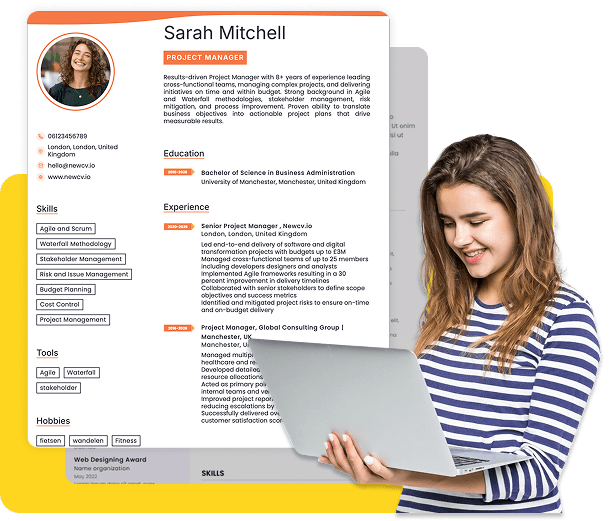
Use ATS-optimised Resume and resume templates that pass applicant tracking systems. Our Resume builder helps recruiters read, scan, and shortlist your Resume faster.

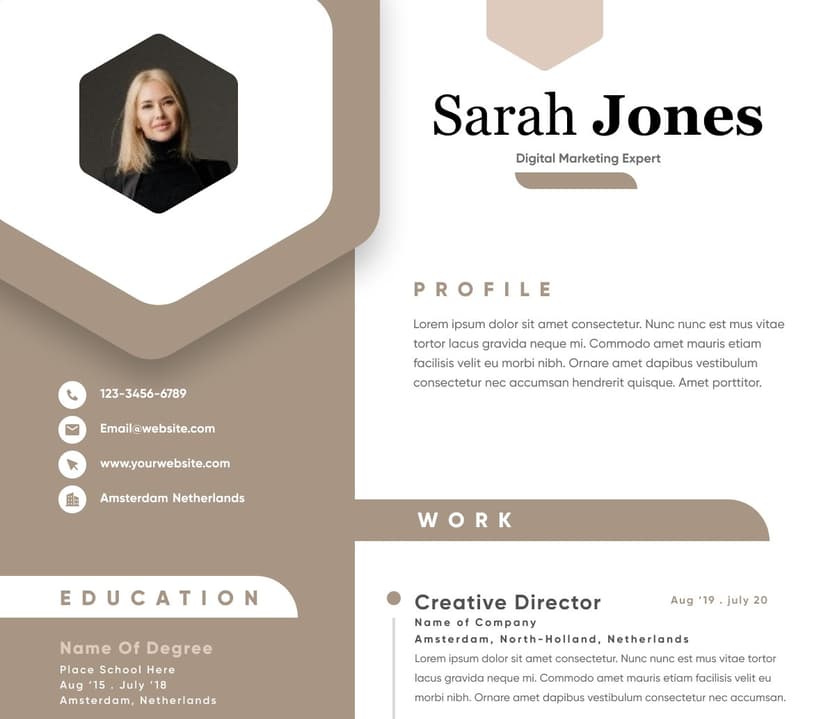
Use professional field-tested resume templates that follow the exact Resume rules employers look for.
Create Resume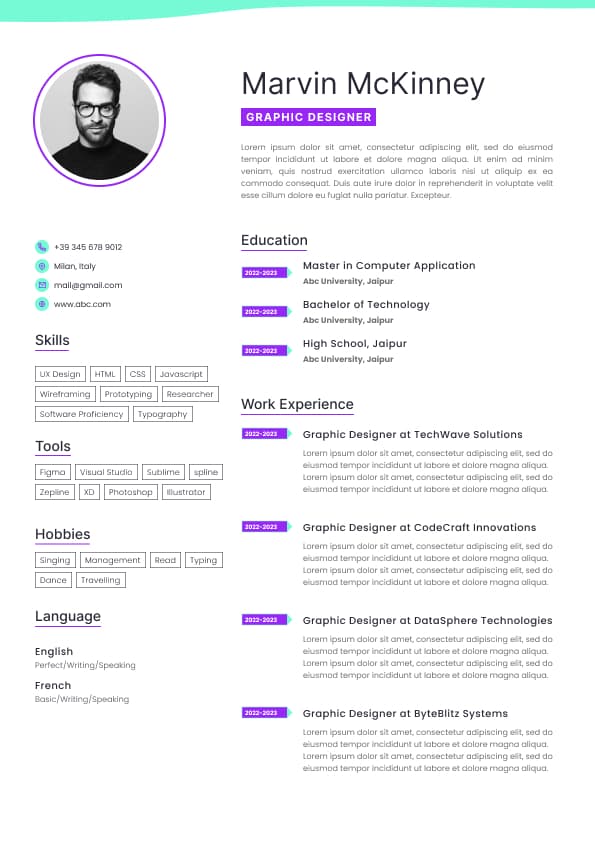
Use professional field-tested resume templates that follow the exact Resume rules employers look for.
Create ResumeAustralian employers expect cover letters to be concise, tailored, and directly relevant to the role. A strong cover letter is not a repeat of your resume. Its job is to position you as a credible match, explain why you fit the role, and make the hiring manager want to interview you.
The biggest mistake most candidates make is using generic templates filled with vague statements like “I’m passionate”, “hard-working”, or “team player”. Australian recruiters screen applications quickly, often in under a minute on first review. Generic cover letters are immediately obvious and usually ignored.
A good Australian cover letter should:
• Be tailored to the specific role and company
• Address the hiring manager’s needs, not just your own
• Highlight relevant achievements and experience
• Sound professional but natural
• Match Australian workplace communication styles
• Stay concise, ideally one page
The template below reflects current Australian hiring standards across corporate, government, healthcare, administration, trades, customer service, technology, and professional services roles.
Australian Cover Letter Template
[Your Full Name]
[Mobile Number]
[Email Address]
[LinkedIn Profile URL]
[Suburb, State]
[Date]
[Hiring Manager Name]
[Company Name]
[Company Address]
Dear [Hiring Manager Name],
I am applying for the [Job Title] position at [Company Name]. With experience in [industry/field] and a strong background in [relevant skills or expertise], I believe I can make a valuable contribution to your team.
Most candidates misunderstand how cover letters are evaluated in Australia.
Recruiters are not looking for:
• Long personal stories
• Generic enthusiasm
• Repeated resume content
• Overly formal language
• Buzzwords without evidence
They are looking for:
• Relevance to the role
• Clear alignment with the job ad
• Strong communication skills
• Professional judgement
• Evidence of impact and capability
• Motivation that feels genuine and specific
A cover letter is essentially a positioning document. It helps answer three hiring questions quickly:
•Can this person do the job?
• Do they understand what we need?
• Are they likely to fit the team and workplace?
If your cover letter does not answer those questions clearly, it usually fails.
Australian hiring managers generally prefer a straightforward structure.
The opening should immediately establish:
• Which role you are applying for
• Your relevant experience level
• Your strongest alignment point
Do not waste the first paragraph with generic introductions.
Weak Example
“I am writing to express my interest in the role advertised on Seek.”
This says nothing valuable.
Good Example
“I am applying for the Project Coordinator position at ABC Group. With four years’ experience coordinating commercial construction projects across Queensland, I have developed strong stakeholder management and scheduling capabilities that align closely with this role.”
This instantly positions the candidate.
In my current/recent role at [Company Name], I have been responsible for [key responsibility aligned to the role]. During this time, I successfully [achievement with measurable outcome where possible]. This experience has strengthened my ability to [relevant capability related to the advertised role].
What particularly interests me about this opportunity is [specific reason related to the company, team, projects, values, or industry reputation]. After reviewing the role requirements, I am confident my experience in [relevant area] aligns well with what your team is seeking.
Some highlights of my experience include:
•[Relevant achievement or capability]
• [Relevant achievement or capability]
• [Relevant achievement or capability]
• [Relevant technical skill, industry knowledge, or leadership capability]
Colleagues and managers would describe me as [professional traits relevant to the role], and I pride myself on being someone who can [practical workplace strength]. I am comfortable working in fast-paced environments and adapting quickly to changing business needs.
I would welcome the opportunity to discuss how my background, skills, and experience could benefit [Company Name]. Thank you for considering my application. I look forward to the opportunity to speak further.
Kind regards,
[Your Full Name]
Tailoring does not mean changing the company name.
Real tailoring means aligning your experience with:
• The actual responsibilities in the job ad
• The company environment
• The hiring priorities
• The likely problems the employer wants solved
Most recruiters can tell within seconds whether a cover letter was mass-applied.
Use the job ad itself.
Look for:
• Repeated keywords
• Technical requirements
• Soft skills mentioned multiple times
• Team structure
• Industry language
• Commercial priorities
Then mirror those priorities naturally throughout the letter.
For example, if the ad repeatedly mentions:
• Stakeholder engagement
• Fast-paced environment
• Cross-functional collaboration
Your letter should demonstrate actual evidence of those capabilities.
Saying you are:
• Hard-working
• Motivated
• Passionate
• Results-driven
Means nothing without evidence.
Always connect claims to outcomes.
Weak Example
“I have excellent communication skills.”
Good Example
“In my current role, I regularly coordinate between operations, clients, and suppliers to resolve scheduling issues and maintain project timelines.”
The second example proves communication ability instead of claiming it.
A cover letter should complement the resume, not duplicate it.
Your resume shows:
• Employment history
• Skills
• Experience chronology
Your cover letter explains:
• Why you fit the role
• Why the experience matters
• How your background aligns strategically
In Australia, excessively long cover letters often work against candidates.
Most hiring managers prefer:
• Three to five concise paragraphs
• One page maximum
• Clear, skimmable formatting
If your letter feels difficult to scan quickly, it loses effectiveness.
Australian hiring culture generally values professionalism without excessive formality.
Avoid outdated phrases like:
• “To whom it may concern”
• “Please find attached”
• “I humbly submit my application”
Modern Australian cover letters should sound confident, clear, and natural.
Strong cover letters usually contain:
• Specific relevance
• Clear commercial value
• Measurable outcomes
• Genuine alignment with the role
• Evidence of communication ability
What often stands out most is clarity.
Hiring managers are reviewing large volumes of applications. Candidates who communicate clearly and directly often outperform candidates trying too hard to sound impressive.
Many Australian recruiters are now seeing AI-generated cover letters daily.
The problem is not AI itself. The problem is obvious AI writing patterns.
Recruiters immediately notice:
• Generic phrasing
• Repetitive sentence structures
• Vague corporate language
• Overly polished but empty content
• Lack of role specificity
AI should assist with:
• Structure
• Drafting
• Editing
• Clarity
But the final version must reflect:
• Your actual experience
• Your communication style
• The specific role
• Real achievements and examples
The best applications still sound human.
For most Australian roles:
• 250 to 450 words is ideal
• One page is the standard expectation
• Concise is usually better than comprehensive
Exceptions may include:
• Government applications
• Academic roles
• Senior executive positions
• Selection criteria responses
For standard private-sector roles, shorter and sharper usually performs better.
Yes, but selectively.
Some recruiters barely read them.
Others consider them a major differentiator.
Cover letters matter most when:
• The role is competitive
• Communication skills matter
• You are changing industries
• You are applying for professional roles
• Your background needs context
• You lack direct experience
• You are applying through direct channels rather than quick-apply platforms
A strong cover letter can significantly improve interview chances when candidates have similar resumes.
Always include a cover letter when:
• The employer requests one
• Applying directly through company websites
• Contacting hiring managers directly
• Applying for government roles
• Transitioning careers
• Explaining employment gaps
• Applying for leadership positions
• Applying for graduate programs
Skipping a requested cover letter is often viewed negatively.
Different Australian industries expect different communication styles.
Corporate and legal:
• More formal
• Structured
• Professional tone
Creative and marketing:
• More personality acceptable
• Slightly conversational
Trades and operational roles:
• Practical and direct
• Less corporate language
Government:
• Structured and evidence-based
Your cover letter should sound appropriate for the industry.
Recruiters remember outcomes more than descriptions.
Strong achievements include:
• Revenue growth
• Cost savings
• Team leadership
• Process improvements
• Customer satisfaction improvements
• Project delivery outcomes
• Operational efficiency gains
Specificity increases credibility.
Recruiters see the same templates repeatedly.
What makes applications stand out is not fancy wording. It is relevance.
A simple but highly tailored cover letter almost always outperforms a generic “professional-sounding” template.
A common hiring mistake is using both documents for the same purpose.
Your resume should show:
• Experience
• Skills
• Career progression
• Achievements
• Qualifications
Your cover letter should explain:
• Why this role
• Why this employer
• Why your background fits
• Why your experience matters strategically
Together, they create a stronger application narrative.
For highly competitive Australian roles, strong candidates usually:
• Tailor every application
• Align directly to the job ad
• Demonstrate measurable outcomes
• Keep communication concise
• Position themselves commercially
• Show understanding of the employer’s priorities
The cover letter is often less about “selling yourself” and more about reducing hiring risk.
Recruiters shortlist candidates who appear:
• Relevant
• Credible
• Easy to work with
• Capable of solving business problems
Your cover letter should reinforce those perceptions.


 Upload Resume
 Import from Linkedin