
Choose from a wide range of NEWCV resume templates and customize your NEWCV design with a single click.

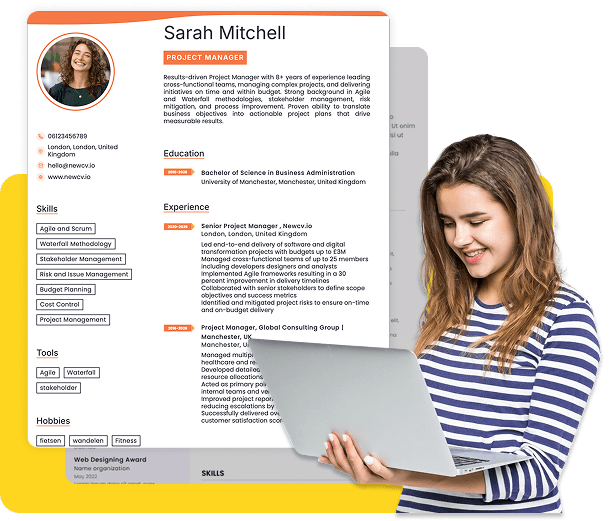
Use ATS-optimised Resume and resume templates that pass applicant tracking systems. Our Resume builder helps recruiters read, scan, and shortlist your Resume faster.

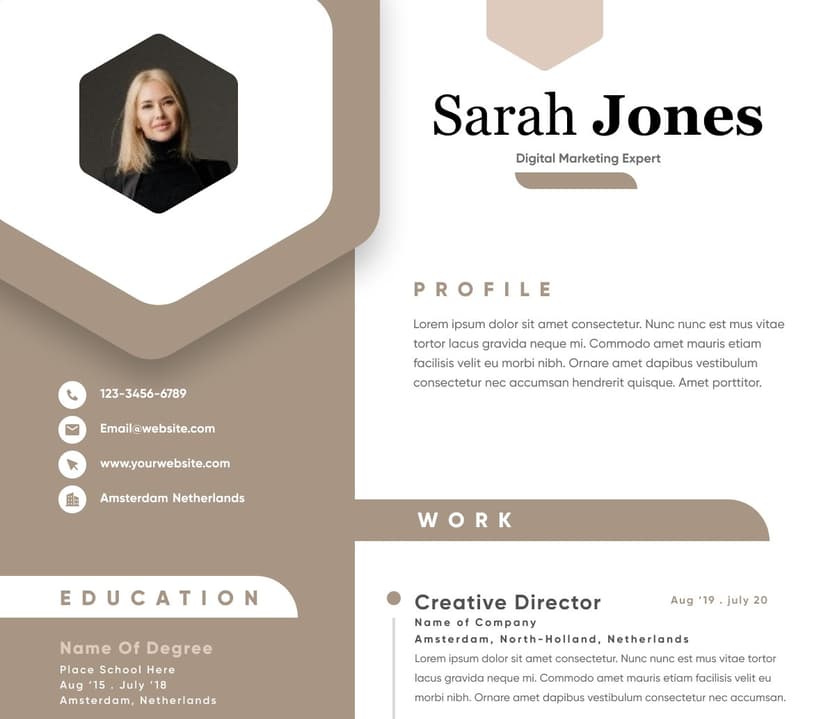
Use professional field-tested resume templates that follow the exact Resume rules employers look for.
Create Resume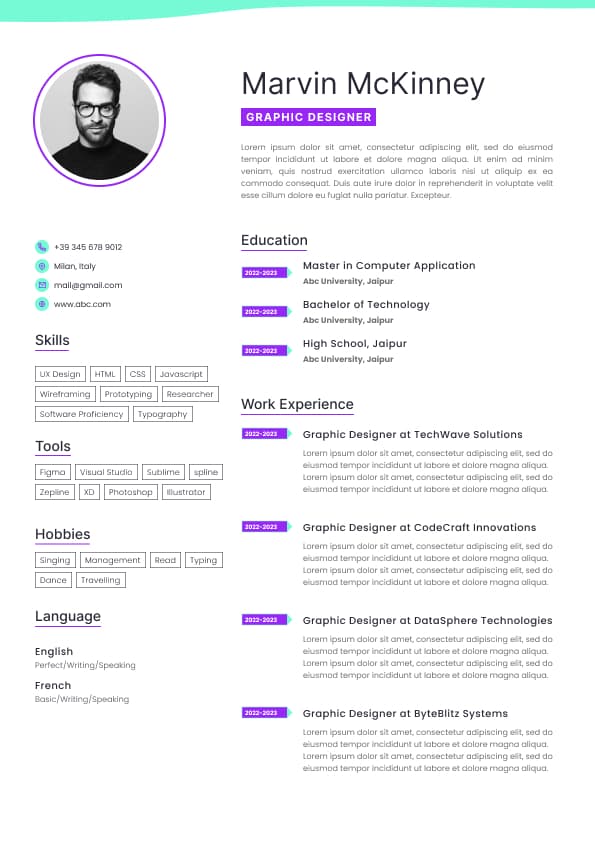
Use professional field-tested resume templates that follow the exact Resume rules employers look for.
Create ResumeIf you want your resume to work in the current Australian market, you need to understand how recruiters now screen candidates, what ATS systems actually prioritise, how hiring managers interpret resume structure, and which outdated resume habits are quietly killing applications.
This guide breaks down the real Australian resume trends shaping hiring in 2026, including formatting shifts, ATS changes, recruiter screening behaviour, personal branding expectations, AI-generated resume risks, and what separates interview-winning resumes from ignored applications.
The biggest change is this:
Recruiters are no longer rewarding resumes that simply “look professional”.
They are rewarding resumes that reduce decision-making friction.
In practical terms, this means Australian recruiters now heavily favour resumes that:
Show immediate role relevance
Demonstrate measurable commercial value
Make skills and achievements easy to validate quickly
Match the language of the advertised role naturally
Eliminate unnecessary information
Present evidence instead of vague claims
Most resumes still fail because they force recruiters to interpret information instead of making the hiring decision obvious.
A major misconception in the Australian job market is that ATS optimisation simply means adding keywords.
That advice is outdated.
Modern ATS systems used across Australia now evaluate resumes more contextually. While keywords still matter, systems increasingly assess:
Skill alignment
Job title relevance
Experience consistency
Semantic matching
Industry terminology
Career progression patterns
Resume structure readability
This is why obvious keyword stuffing now performs poorly.
That matters because hiring teams in Australia are under increasing pressure to shortlist faster while handling higher application volumes.
A recruiter may spend:
20 to 45 seconds on an initial screen
Less than 10 seconds deciding whether to continue reading
Even less time if the resume looks generic or AI-written
In 2026, resumes that create clarity win. Resumes that create cognitive load lose.
Strong ATS-friendly resumes now:
Use natural Australian job titles
Mirror terminology from the job ad organically
Include industry-standard tools and systems
Use clear section headings
Avoid graphics, text boxes, and overly designed layouts
Keep formatting simple and machine-readable
Prioritise relevant experience first
Recruiters are increasingly spotting resumes that were written purely for ATS systems.
Common failures include:
Repeating keywords unnaturally
Hidden keyword blocks
Generic AI-generated summaries
Over-designed Canva templates
Irrelevant skill lists
Excessive soft skills without proof
Hiring managers often interpret these resumes as low-trust applications.
The Australian market is shifting towards authenticity and evidence.
For years, Australian resume advice heavily pushed 2 to 4-page resumes.
That is changing.
In 2026, concise resumes are becoming more competitive, especially for:
Mid-level professionals
Corporate roles
Technology positions
Marketing and digital roles
Customer-facing commercial positions
Start-up and scale-up environments
This does not mean every resume should be one page.
Senior executives, academics, government professionals, and highly technical specialists may still require longer resumes.
But recruiters increasingly prefer resumes that:
Remove irrelevant older experience
Prioritise recent impact
Focus on commercial outcomes
Reduce unnecessary detail
Australian hiring teams are increasingly evaluating:
Relevance over history
Outcomes over responsibilities
Positioning over volume
Candidates who still treat resumes as career biographies are losing ground to candidates who position resumes strategically.
One of the biggest resume trends in Australia in 2026 is the rise of AI-generated applications.
Recruiters are already seeing enormous volumes of resumes written with ChatGPT and other AI tools.
The issue is not AI itself.
The issue is that most AI-generated resumes sound almost identical.
Common AI resume signals include:
Generic professional summaries
Overuse of corporate buzzwords
Empty claims like “results-driven professional”
Repetitive sentence structures
Lack of commercial specificity
Achievements without context
Unrealistic language consistency
Experienced recruiters can often identify AI-generated resumes within seconds.
The problem is not that employers “hate AI”.
The problem is that AI-generated resumes often remove differentiation.
When every candidate sounds polished but generic, recruiters start prioritising resumes that feel specific, credible, and commercially grounded.
The strongest candidates are using AI to:
Improve structure
Refine wording
Clarify achievements
Strengthen readability
Tailor resumes faster
But they are still adding:
Real metrics
Industry nuance
Genuine project details
Specific business outcomes
Human communication style
That combination performs far better than fully automated resume writing.
Australian recruiters in 2026 increasingly expect evidence-based resumes.
Responsibilities alone are no longer enough.
“Managed customer service operations and handled escalations.”
“Reduced customer complaint escalation rates by 32% within 9 months by redesigning frontline response workflows across three service teams.”
The difference is massive.
The second version demonstrates:
Ownership
Business impact
Commercial value
Scale
Initiative
Problem-solving ability
Recruiters are now looking for proof of contribution, not just participation.
Many candidates focus only on achievements with numbers.
But recruiters also assess:
Complexity
Business context
Stakeholder exposure
Decision-making level
Strategic influence
Operational impact
Metrics help, but contextual impact matters just as much.
In 2026, generic resumes are performing worse than ever in Australia.
This is partly because:
ATS systems are more targeted
Recruiters compare alignment faster
Hiring managers expect role relevance immediately
Application volumes remain extremely high
Candidates who submit identical resumes across dozens of jobs are seeing significantly lower interview rates.
Tailoring does not mean rewriting your entire resume every time.
It means strategically adjusting:
Professional summary
Key skills
Achievement emphasis
Keywords
Technical tools
Industry language
Priority experience
Recruiters want immediate confirmation that:
You understand the role
Your background aligns naturally
You fit the environment
Your experience is commercially relevant
You can solve the employer’s problems
If recruiters need to “work it out”, the resume is already weaker than competitors.
Another major trend in 2026 is the shift towards commercially aware resumes.
Employers increasingly want candidates who understand business outcomes, not just tasks.
This is especially true in:
Operations
Technology
Marketing
HR
Project management
Finance
Customer success
Sales
Product management
Commercially strong resumes often reference:
Revenue impact
Cost reduction
Efficiency improvements
Customer retention
Risk reduction
Stakeholder influence
Process optimisation
Growth contribution
Delivery outcomes
Even non-commercial roles benefit from this approach.
For example, an HR candidate discussing workforce retention strategy often appears far stronger than one listing generic recruitment responsibilities.
Australian recruiters are increasingly evaluating overall candidate positioning, not just experience.
That means resumes are now assessed alongside:
LinkedIn profiles
Online presence
Industry credibility
Communication style
Professional consistency
Strong candidates position themselves clearly.
Their resumes communicate:
A defined area of expertise
Consistent career direction
Recognisable strengths
Industry alignment
Clear market value
Weak resumes often feel fragmented.
Recruiters frequently reject resumes that:
Try to appeal to every role
Lack clear positioning
Mix unrelated industries poorly
Overstate seniority
Include vague professional summaries
In 2026, clarity is becoming a competitive advantage.
Australian employers still value communication, leadership, collaboration, and stakeholder management.
But resumes that only list soft skills now feel weak.
Recruiters want demonstrated soft skills.
“Excellent communication and leadership skills.”
“Led cross-functional delivery workshops across operations, finance, and IT teams to align project milestones during enterprise system migration.”
The second version proves communication and leadership through action.
That is far more persuasive.
A surprising shift in Australia is the move away from highly designed resumes.
Minimal, readable layouts are outperforming visually complex templates.
Recruiters prioritise:
Scan speed
Readability
ATS compatibility
Information clarity
Professional presentation
Over-designed resumes often:
Break ATS parsing
Distract from achievements
Look template-generated
Reduce readability
Create unnecessary friction
Modern Australian resumes increasingly use:
Clean spacing
Simple fonts
Strong hierarchy
Clear section structure
Minimal colour usage
Achievement-focused formatting
Good formatting now supports readability instead of trying to impress visually.
Australian hiring managers have become more flexible regarding career gaps.
But transparency matters more than ever.
Recruiters are usually less concerned about the gap itself and more concerned about:
Lack of explanation
Confusing timelines
Hidden employment periods
Unclear transitions
Loss of capability relevance
Candidates perform better when they:
Address gaps honestly
Focus on current capability
Demonstrate recent relevance
Show ongoing development where applicable
Trying to hide employment gaps often damages trust more than the gap itself.
One major trend in Australia is the growing importance of industry nuance.
Generic resumes across multiple industries now struggle more.
Recruiters increasingly expect resumes to reflect:
Industry terminology
Relevant systems
Sector knowledge
Regulatory awareness
Commercial understanding
Operational familiarity
A healthcare operations resume should not read like a retail operations resume.
Even if the transferable skills are strong, recruiters still expect:
Industry language
Relevant compliance understanding
Contextual operational experience
Candidates who position transferable skills strategically are outperforming candidates who present themselves too broadly.
The traditional generic profile paragraph is becoming less effective.
“Highly motivated professional with strong communication skills seeking a challenging opportunity.”
Recruiters often ignore summaries like this entirely.
Strong summaries now focus on:
Area of expertise
Years of experience
Industry focus
Commercial value
Key strengths
Strategic positioning
“Operations Manager with 9+ years’ experience leading multi-site logistics and supply chain teams across FMCG and retail distribution environments. Strong track record improving warehouse efficiency, reducing freight costs, and leading large operational transformation projects.”
This immediately communicates relevance and value.
One of the biggest hidden resume trends in Australia is the shift towards credibility.
Perfectly polished resumes that feel artificial often underperform compared to resumes that feel commercially real.
Recruiters increasingly trust resumes that:
Use realistic language
Include specific examples
Demonstrate clear progression
Show measurable impact
Match LinkedIn consistency
Reflect believable scope and responsibility
Over-optimised resumes can sometimes create suspicion.
Especially when candidates:
Inflate achievements
Overuse executive language
Claim unrealistic outcomes
Present disconnected career jumps poorly
Authenticity is becoming a major competitive advantage.
Certain resume habits are rapidly becoming outdated.
Recruiters increasingly reject resumes with:
Generic objectives
Long responsibility lists
Keyword stuffing
Dense text blocks
Irrelevant older experience
Multiple-page resumes with little strategic value
Poor tailoring
Over-designed templates
Excessive buzzwords
AI-generated sounding language
Generic soft skills without proof
The market is becoming more sophisticated.
Candidates who adapt early will gain a major advantage.
The strongest resumes in 2026 generally follow the same principles.
Make your value obvious quickly.
Align directly with the role you want.
Show measurable outcomes and real contribution.
Present yourself strategically, not generically.
Make recruiter evaluation effortless.
Sound commercially experienced, not artificially polished.
Candidates who combine these elements consistently outperform stronger competitors with weaker positioning.


 Upload Resume
 Import from Linkedin