
Choose from a wide range of NEWCV resume templates and customize your NEWCV design with a single click.

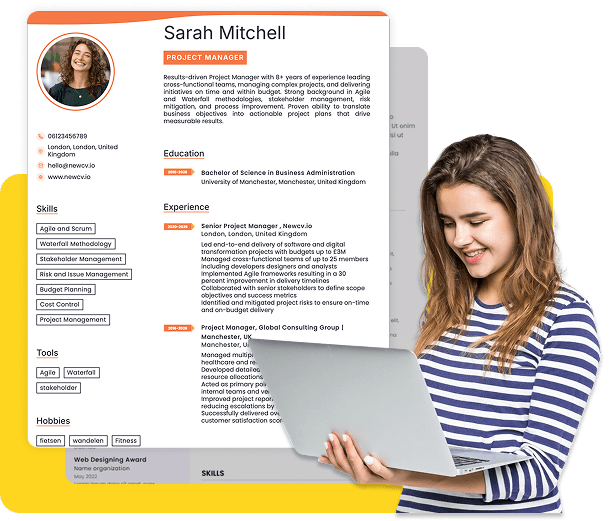
Use ATS-optimised Resume and resume templates that pass applicant tracking systems. Our Resume builder helps recruiters read, scan, and shortlist your Resume faster.

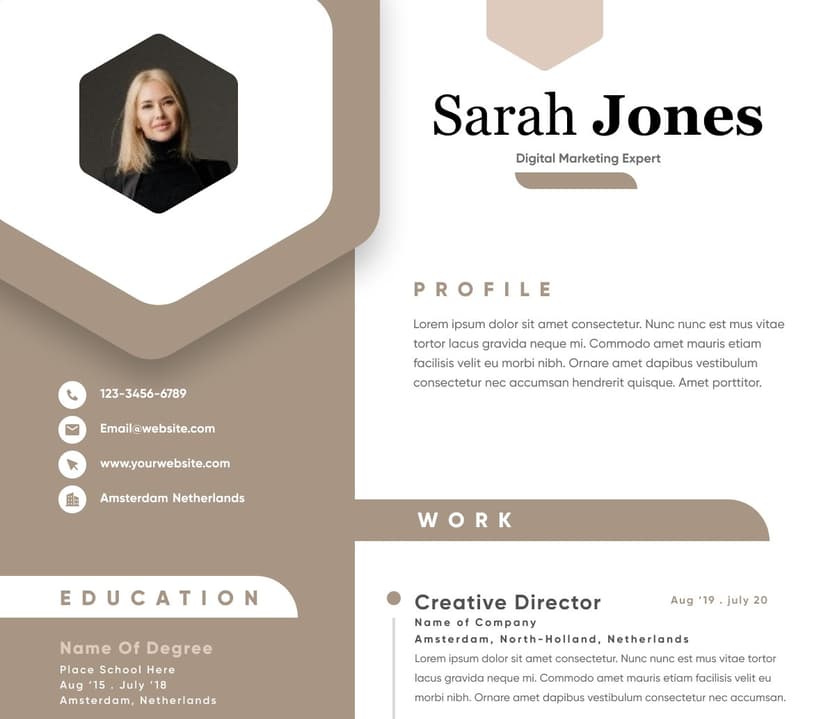
Use professional field-tested resume templates that follow the exact Resume rules employers look for.
Create Resume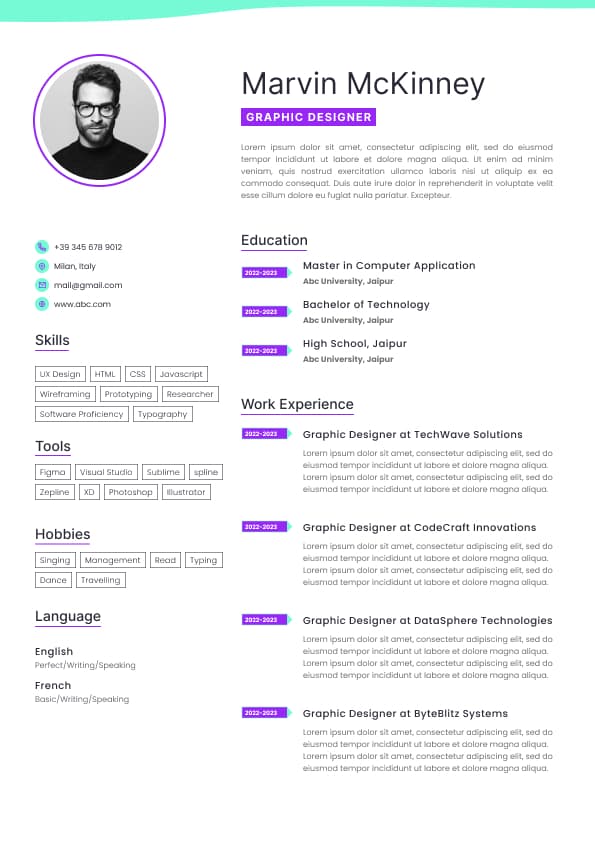
Use professional field-tested resume templates that follow the exact Resume rules employers look for.
Create ResumeResume Grammar Check Australia
A resume with poor grammar immediately weakens your credibility in the Australian job market, even when your experience is strong. Recruiters and hiring managers often review hundreds of applications per role, and grammar mistakes signal carelessness, poor communication skills, or low attention to detail. In competitive industries, even minor errors can move your application into the rejection pile before your experience is properly assessed.
A proper resume grammar check is not just about fixing spelling. It involves improving sentence clarity, consistency, professionalism, readability, tense usage, punctuation, formatting, and ATS compatibility. Australian recruiters also expect concise, direct communication rather than overly formal or Americanised wording.
If you want your resume to perform well in Australia, you need grammar that supports fast recruiter scanning, clear achievements, and confident professional positioning. This guide explains exactly how Australian recruiters evaluate resume grammar, the mistakes that commonly hurt candidates, and how to properly proofread a resume before applying.
Most candidates assume recruiters focus mainly on experience. Experience matters, but grammar affects how your experience is interpreted.
Recruiters often use grammar quality as a shortcut indicator for:
•Communication skills
• Professionalism
• Attention to detail
• Workplace standards
• Client-facing capability
• Administrative reliability
• Leadership readiness
This becomes even more important in roles involving:
•Stakeholder communication
• Management
• Administration
• Customer service
• Government applications
• Healthcare documentation
• Corporate environments
• Professional services
In Australia, hiring managers typically expect resumes to be polished, concise, and easy to scan. If grammar issues interrupt readability, recruiters may stop reading before reaching your strongest achievements.
Even technical candidates are not exempt. Engineers, IT professionals, tradespeople, and operations staff are still expected to communicate clearly.
Most candidates think recruiters are looking for “perfect English”. That is not entirely true.
Australian recruiters are primarily assessing whether your resume feels professional, credible, and easy to process quickly.
Here is what recruiters commonly notice first.
One of the most common resume issues in Australia is mixing past and present tense incorrectly.
•Manage customer escalations and resolved complaints
• Leading warehouse staff and improved efficiency
For current roles:
•Manage customer escalations and resolve complaints
• Lead warehouse staff and improve operational efficiency
For previous roles:
•Managed customer escalations and resolved complaints
• Led warehouse staff and improved operational efficiency
This matters because tense inconsistency disrupts reading flow and makes the resume feel poorly edited.
Basic spelling mistakes are still one of the fastest ways to lose credibility.
Australian recruiters commonly see errors like:
•Managment
• Communiation
• Recieved
• Sucessfully
• Responsibilites
Spellcheck catches some issues, but not all.
Particularly dangerous are context errors like:
•Their instead of there
• Role instead of roll
• Form instead of from
These mistakes suggest rushed applications.
Recruiters scan resumes extremely quickly.
Large blocks of text reduce readability and increase rejection risk.
Responsible for overseeing multiple administration tasks across several departments while ensuring deadlines were met and stakeholders remained informed regarding ongoing operational updates and customer requests.
Managed administration tasks across multiple departments while meeting deadlines and maintaining stakeholder communication.
Australian resumes perform better when language is concise and achievement-focused.
Incorrect punctuation creates confusion and affects professionalism.
Common problems include:
•Random capitalisation
• Missing full stops
• Inconsistent commas
• Excessive semicolons
• Bullet point fragmentation
Australian recruiters generally prefer clean, minimal punctuation.
Candidates often unintentionally use casual wording that weakens professionalism.
•Helped out with customer stuff
• Worked with heaps of clients
• Did various admin jobs
•Assisted customers with account enquiries and issue resolution
• Managed relationships with high-volume client portfolios
• Performed administrative support across daily operations
Australian resumes should sound professional without becoming overly corporate or robotic.
This is a major issue many Australian candidates overlook.
Australian recruiters expect Australian English spelling.
•Organise instead of organize
• Specialised instead of specialized
• Labour instead of labor
• Practise instead of practice in verb form
• Analysed instead of analyzed
Using American spelling throughout a resume can make applications feel imported, generic, or poorly localised.
This becomes particularly important for:
•Government applications
• Education roles
• Healthcare
• Corporate employers
• Professional services firms
Consistency matters more than perfection, but Australian English is strongly preferred.
Some resumes are grammatically correct but still weak.
Grammar alone does not make a resume effective.
Australian recruiters also assess whether your bullet points communicate value clearly.
•Responsible for customer service duties
• Worked in administration support
These are grammatically fine but strategically poor because they lack outcomes and specificity.
•Resolved customer enquiries while maintaining a 95% satisfaction rating
• Supported daily administration operations for a team of 25 staff
Strong resumes combine:
•Correct grammar
• Clear outcomes
• Professional language
• Commercial relevance
• Fast readability
Applicant Tracking Systems used in Australia do not directly reject resumes for grammar issues alone, but grammar still affects ATS performance indirectly.
Poor grammar can damage:
•Keyword clarity
• Job title recognition
• Skills extraction
• Readability scoring
• Semantic relevance
For example:
ATS may fail to correctly interpret “management responsibilities”.
Clean grammar improves machine readability and recruiter readability simultaneously.
Most candidates proofread incorrectly because they read what they intended to write rather than what is actually written.
Professional resume proofreading requires a structured process.
Before fixing wording, check consistency across:
•Verb tense
• Dates
• Formatting
• Capitalisation
• Bullet structure
• Font usage
• Heading style
Consistency creates professionalism instantly.
Reading aloud exposes:
•Awkward phrasing
• Repetition
• Missing words
• Long sentences
• Unnatural flow
If a sentence feels difficult to say naturally, it will often feel difficult to read.
Recruiters skim bullet points rapidly.
Each bullet should communicate:
•Action
• Context
• Outcome
Action verb + task + measurable impact
This structure improves readability and recruiter engagement.
Many candidates unknowingly use US spellcheck settings.
Set proofreading tools to Australian English before final review.
This helps catch localisation inconsistencies.
Never proofread immediately after writing.
Even experienced recruiters miss obvious mistakes when reviewing fresh content.
A few hours away from the document dramatically improves error detection.
Different candidate groups tend to make different grammar mistakes.
Graduates often use:
•Overly academic language
• Long paragraphs
• Passive voice
• Buzzwords without evidence
Demonstrated a high level of passion for business development and teamwork capabilities.
Collaborated with a four-person university project team to deliver a market analysis presentation ahead of deadline.
Senior candidates commonly make:
•Overly complex sentences
• Dense leadership jargon
• Achievement dilution
• Excessive executive language
Australian hiring managers generally prefer direct communication over inflated corporate wording.
Trade resumes often suffer from:
•Minimal detail
• Informal language
• Inconsistent formatting
• Lack of measurable outcomes
Grammar tools help, but they should support human judgement rather than replace it.
Useful for:
•Spelling
• Sentence clarity
• Basic punctuation
• Readability
However, Grammarly sometimes over-corrects resume phrasing and can make resumes sound unnatural or Americanised.
Useful for basic proofreading and Australian spelling support.
Better for maintaining simpler resume language.
Can help identify:
•Awkward phrasing
• Repetition
• Grammar inconsistencies
• Resume readability issues
However, blindly accepting AI-generated rewrites often creates generic resumes that recruiters recognise immediately.
The best results come from combining:
•Human judgement
• Recruiter perspective
• Targeted proofreading tools
Certain mistakes create immediate negative impressions.
•Managed Customer Service enquiries
• Oversaw warehouse Operations
Unnecessary capitalisation looks unprofessional.
Australian resumes generally avoid:
•I
• Me
• My
I managed a team of five staff members.
Managed a team of five staff members.
Recruiters quickly identify resumes copied directly from job ads.
This creates:
•Repetitive wording
• Generic phrasing
• Poor authenticity
Strong resumes sound specific to your actual experience.
Good grammar does more than improve resume appearance.
It changes recruiter perception before interviews even begin.
A well-written resume suggests:
•Strong workplace communication
• Better documentation standards
• Lower hiring risk
• Higher professionalism
• Better stakeholder interaction
This matters heavily in Australian hiring because employers often prioritise cultural fit and communication style alongside technical ability.
Even highly qualified candidates can lose opportunities if their resume creates friction during screening.
Professional resume writers do far more than spellchecking.
They improve:
•Resume positioning
• Clarity
• Commercial relevance
• ATS readability
• Recruiter scanning flow
• Achievement communication
The biggest difference is strategic editing rather than grammar correction alone.
For example:
The second version improves:
•Professional tone
• Specificity
• Commercial value
• Hiring appeal
If you are applying consistently without interview traction, grammar and clarity may be contributing factors.
Common indicators include:
•Strong experience but low response rates
• Recruiters requesting clarification
• Applications ignored despite relevant skills
• Resume feeling “wordy” or difficult to scan
• Feedback mentioning communication issues
• Resume sounding generic or repetitive
Often the issue is not major grammar failure. It is cumulative friction caused by small readability problems throughout the document.
Before submitting any Australian resume, check:
•Australian English spelling
• Consistent verb tense
• No spelling errors
• Concise bullet points
• Professional language
• Clear formatting
• No informal wording
• Strong readability
• Consistent punctuation
• Achievement-focused phrasing
• ATS-friendly wording
• No copied job description language
Even highly experienced candidates benefit from a final external review before applying to competitive roles.


 Upload Resume
 Import from Linkedin