
Choose from a wide range of NEWCV resume templates and customize your NEWCV design with a single click.

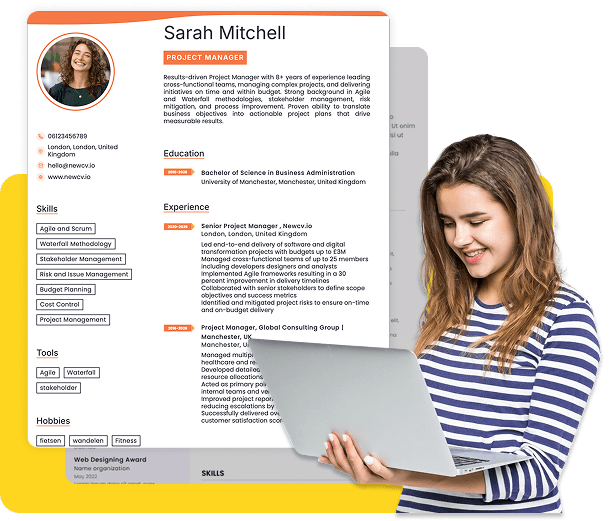
Use ATS-optimised Resume and resume templates that pass applicant tracking systems. Our Resume builder helps recruiters read, scan, and shortlist your Resume faster.

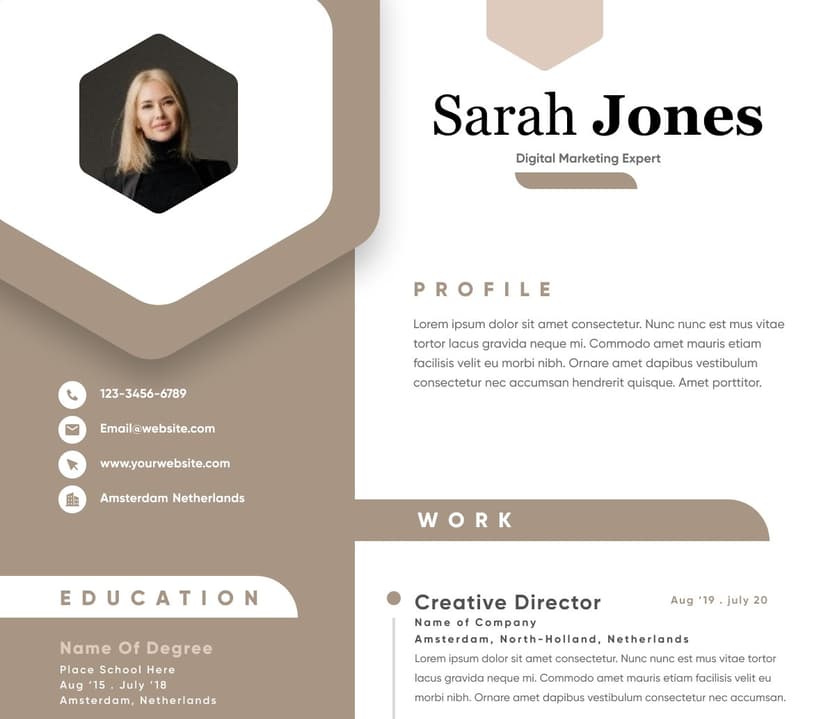
Use professional field-tested resume templates that follow the exact Resume rules employers look for.
Create Resume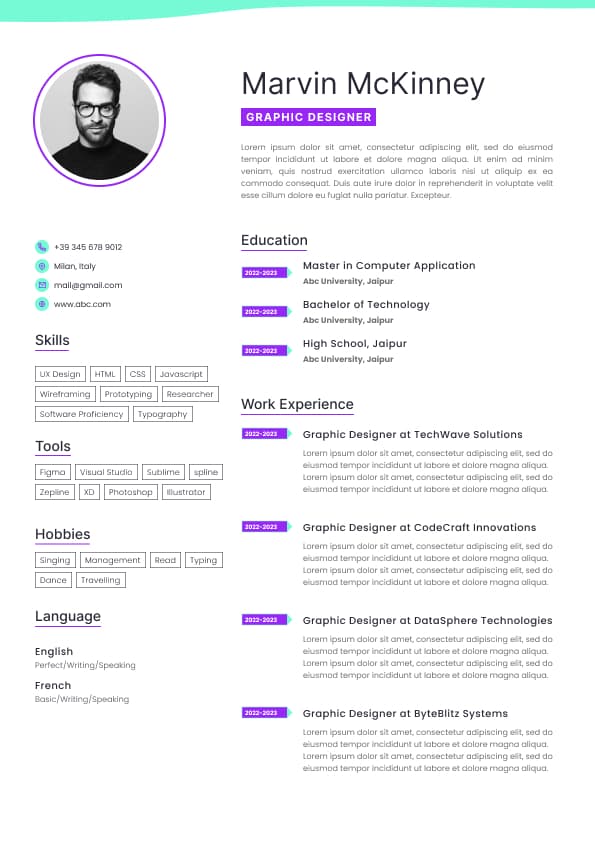
Use professional field-tested resume templates that follow the exact Resume rules employers look for.
Create ResumeYes, resume scanners matter in Australia, but not in the way most job seekers think.
Most Australian employers use some form of Applicant Tracking System (ATS) or resume scanning software to organise applications, search keywords, and filter candidates. However, very few companies rely entirely on automated rejection. In most cases, recruiters still manually review resumes, especially for professional, skilled, and mid to senior-level roles.
The real issue is not whether your resume “beats the ATS”. It is whether your resume is easy for both the software and the recruiter to understand quickly.
A badly formatted resume, vague job titles, missing keywords, or inconsistent terminology can reduce your visibility in ATS searches. But keyword stuffing, overly designed templates, and AI-generated filler can hurt your chances just as much once a human recruiter reads it.
In the Australian market, the strongest resumes balance three things:
• ATS readability
• Clear alignment to the role
• Strong human credibility
That balance is what actually gets interviews.
A resume scanner is software used by employers and recruiters to process applications. In Australia, this is usually part of an Applicant Tracking System.
The software helps employers:
• Store resumes
• Search candidates by keyword
• Filter applications by experience or qualifications
• Rank candidates against job criteria
• Manage high application volumes
Large Australian employers commonly use systems like:
• Workday
• PageUp
• SuccessFactors
• Greenhouse
• Lever
• SmartRecruiters
• Taleo
Government departments, universities, mining companies, healthcare organisations, and enterprise employers often rely heavily on ATS systems because they receive thousands of applications.
Smaller businesses may not use advanced resume scanners, but recruiters still manually search resumes using keywords inside LinkedIn Recruiter, SEEK Talent Search, or internal databases.
That means resume optimisation still matters even when a formal ATS is not involved.
One of the biggest misconceptions is that ATS software “reads” resumes like a human. It does not.
Most resume scanners extract structured information from your document and categorise it into fields like:
• Name
• Contact details
• Job titles
• Employers
• Dates
• Skills
• Qualifications
• Certifications
The software then makes your profile searchable.
For example, if a hiring manager searches:
• “Project Manager”
• “Agile delivery”
• “Stakeholder engagement”
• “Prince2”
Candidates whose resumes contain those terms are more likely to appear in results.
However, ATS software often struggles with:
• Complex graphics
• Text boxes
• Tables
• Multi-column layouts
• Icons replacing text
• Unusual fonts
• Headers and footers containing key information
This is why highly designed resumes frequently perform worse in Australia despite looking visually impressive.
Usually, no.
In the Australian market, automatic knockout questions are more common than automatic ATS rejection.
Recruiters are more likely to filter candidates based on:
• Australian work rights
• Required licences
• Mandatory certifications
• Location requirements
• Salary expectations
• Security clearances
• Industry experience
For example:
• A construction employer may reject applicants without White Card certification
• A healthcare employer may require AHPRA registration
• A government role may require Baseline clearance
• A mining company may prioritise FIFO experience
The ATS supports these decisions, but recruiters still review resumes manually for most professional roles.
This is important because many candidates over-optimise for software and completely neglect recruiter readability.
Many applicants repeat keywords unnaturally because they believe ATS systems score resumes like SEO pages.
Recruiters notice this immediately.
A resume that repeatedly says:
• “Stakeholder management”
• “Project management”
• “Leadership”
• “Communication skills”
without evidence feels generic and low credibility.
Australian recruiters prefer contextual proof.
Weak Example
“Strong leadership and stakeholder management skills with excellent communication abilities.”
Good Example
“Led cross-functional delivery teams across three infrastructure projects valued at $4.2M while managing stakeholder reporting to executive leadership and external contractors.”
The second version naturally includes keywords while proving capability.
Many resumes submitted in Australia still follow UK, Indian, US, or European formatting styles that do not align well with Australian hiring expectations.
Common issues include:
• Extremely long career summaries
• Personal details irrelevant to hiring
• Photos
• Date of birth
• Nationality information
• Excessive academic detail
• Dense paragraphs with little scanning structure
Australian recruiters typically prefer:
• Clean formatting
• Fast readability
• Achievement-focused bullet points
• Direct language
• Clear outcomes and responsibilities
Creative templates often break ATS parsing.
Problems include:
• Missing employment dates during parsing
• Split text from columns
• Skills being unreadable to ATS
• Contact information disappearing
• Incorrect section mapping
A clean Word document usually performs better than a heavily stylised Canva-style resume for most Australian industries.
This is where many online articles fail candidates.
Passing ATS parsing does not get interviews on its own.
Once your resume appears in recruiter searches, hiring decisions become highly human.
Australian recruiters typically scan resumes in this order:
• Current job title
• Recent employer
• Industry alignment
• Years of experience
• Key skills relevance
• Employment stability
• Achievements and impact
• Communication quality
Most recruiters decide within 15 to 45 seconds whether to continue reading.
That means resume strategy matters far more than ATS myths.
Use the same terminology the employer uses where appropriate.
If the job ad says:
• “Customer Success Manager”
and your resume says:
• “Client Happiness Lead”
the ATS may not recognise the match properly.
Aligning terminology improves discoverability.
However, avoid blindly copying the entire ad.
Recruiters can instantly recognise keyword stuffing copied from SEEK or LinkedIn job posts.
Strong ATS optimisation is targeted, not excessive.
Prioritise:
• Job titles
• Technical skills
• Industry software
• Certifications
• Methodologies
• Compliance requirements
• Sector terminology
For example, an Australian accounting resume might naturally include:
• BAS
• Xero
• MYOB
• Payroll
• Reconciliation
• ATO compliance
• Financial reporting
These terms improve ATS relevance because they reflect actual role requirements.
ATS systems recognise conventional headings more accurately.
Use:
• Professional Summary
• Work Experience
• Education
• Certifications
• Skills
Avoid creative headings like:
• “Career Journey”
• “What I Bring”
• “My Expertise Snapshot”
These can confuse parsing systems.
Best practice formatting includes:
• Word document format unless PDF is requested
• Single-column layout
• Standard fonts
• Clear dates
• Simple bullet points
• Minimal graphics
Avoid:
• Text boxes
• Infographics
• Icons
• Complex tables
• Decorative elements
Australian recruiters generally prioritise clarity over visual flair.
This is still one of the biggest differentiators in the Australian market.
Generic resumes perform poorly because recruiters can spot them immediately.
Tailoring does not mean rewriting your entire resume every time.
It means adjusting:
• Professional summary
• Core keywords
• Relevant achievements
• Priority skills
• Role alignment
A targeted resume consistently outperforms a broad “master resume”.
Online ATS scoring tools can help identify formatting issues and missing keywords, but they are not a true reflection of hiring decisions.
Many candidates chase unrealistic scores like:
• 90% ATS match
• 100% keyword alignment
This can backfire badly.
A resume optimised purely for scanners often becomes:
• Repetitive
• Generic
• Artificial sounding
• Low credibility
Recruiters hire people, not keyword density.
A strong Australian resume balances:
• ATS compatibility
• Strategic positioning
• Commercial relevance
• Readability
• Credibility
That combination matters far more than a scanner score.
The best-performing resumes in Australia follow a simple framework.
Your resume should immediately communicate:
• Who you are
• What level you operate at
• Which industries you fit
• What outcomes you deliver
Confusion kills interviews.
Use naturally relevant industry language without overloading the document.
Think alignment, not stuffing.
Australian recruiters consistently respond better to measurable impact than vague responsibilities.
Focus on:
• Revenue impact
• Cost savings
• Team leadership
• Process improvements
• Project outcomes
• Client growth
• Operational improvements
A recruiter should understand your value quickly without decoding complicated layouts or jargon-heavy wording.
ATS optimisation matters heavily in:
• Finance
• Consulting
• HR
• Project management
• Technology
• Government
These industries often use enterprise recruitment systems with keyword searching.
Resume scanners matter less for:
• Trades
• Labouring
• Hospitality
• Retail
• Warehouse roles
However, keywords around licences, tickets, and certifications remain critical.
Examples include:
• White Card
• Forklift licence
• RSA
• Working at Heights
• MR licence
Healthcare and education employers often rely on ATS filtering for compliance.
Keywords tied to:
• Registrations
• Clearances
• Certifications
• Clinical systems
• Teaching areas
can strongly affect visibility.
Common warning signs include:
• High application volume with zero interviews
• Recruiters misunderstanding your experience
• Missing relevant searches on LinkedIn
• Incorrect formatting after upload
• Resume appearing distorted in application portals
• Generic wording without role-specific terminology
Often the issue is not “bad ATS performance”.
It is unclear positioning.
Yes, but strategically.
Good resume scanners can help identify:
• Formatting problems
• Missing keywords
• ATS parsing issues
• Weak structure
But they should support human optimisation, not replace it.
Use them as diagnostic tools, not hiring predictors.
The strongest candidates optimise for:
• Recruiter readability first
• ATS compatibility second
That order matters.
Hiring managers rarely care about ATS scores.
They care whether your resume shows:
• Relevant experience
• Commercial impact
• Clear communication
• Industry understanding
• Credibility
• Stability
• Problem-solving ability
Many technically ATS-optimised resumes fail because they sound generic or AI-generated.
Australian hiring culture generally values:
• Direct communication
• Practical evidence
• Authenticity
• Clarity
• Results
Your resume should reflect that.
Resume scanners are part of modern hiring in Australia, but they are not the gatekeepers many candidates imagine.
The biggest mistake job seekers make is optimising for software while forgetting the human recruiter reviewing the application.
A strong Australian resume should:
• Be ATS-readable
• Match the job requirements clearly
• Use relevant industry language naturally
• Demonstrate measurable impact
• Stay easy to scan quickly
That combination consistently outperforms resumes built purely around keyword density or online ATS scores.
The goal is not to “beat the scanner”.
The goal is to make it effortless for both the ATS and the recruiter to see why you are relevant.


 Upload Resume
 Import from Linkedin