
Choose from a wide range of NEWCV resume templates and customize your NEWCV design with a single click.

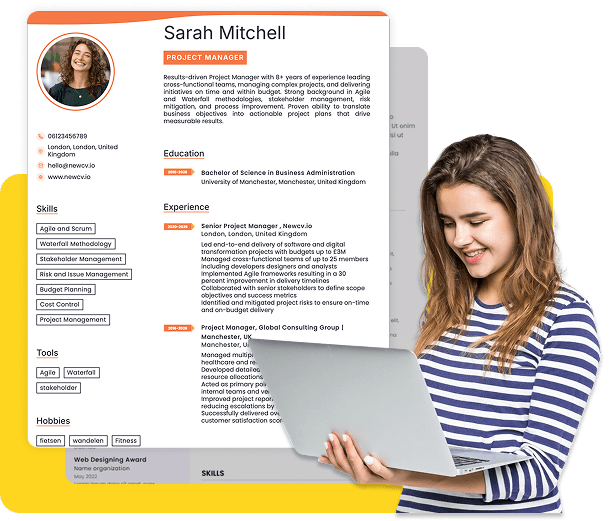
Use ATS-optimised Resume and resume templates that pass applicant tracking systems. Our Resume builder helps recruiters read, scan, and shortlist your Resume faster.

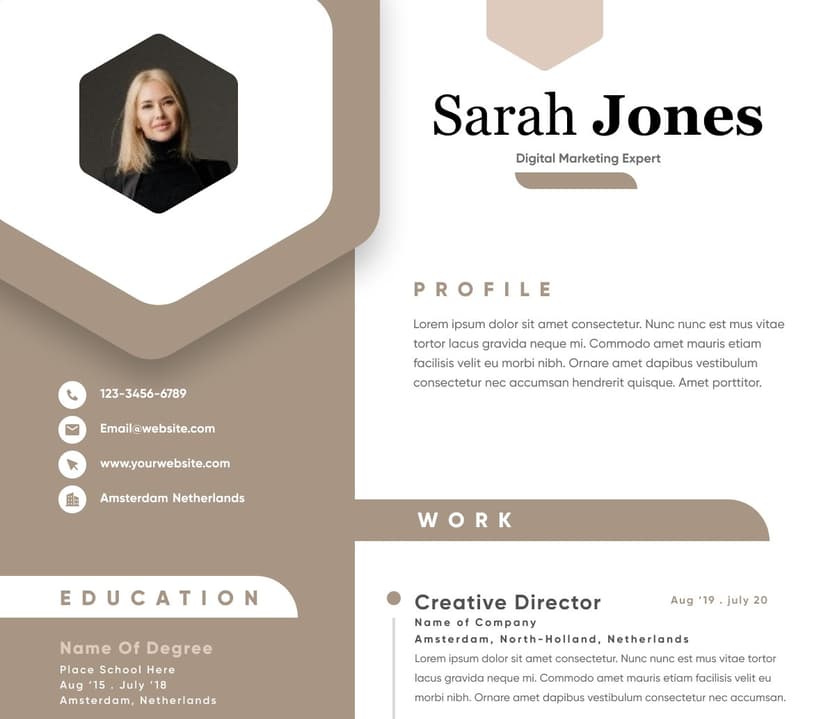
Use professional field-tested resume templates that follow the exact Resume rules employers look for.
Create Resume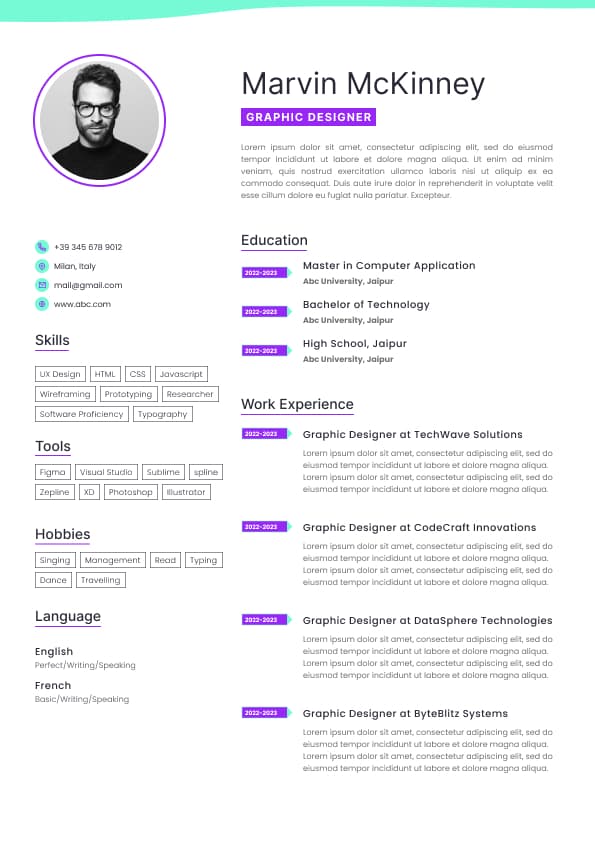
Use professional field-tested resume templates that follow the exact Resume rules employers look for.
Create ResumeIf you are checking your resume score using ATS scanners or online resume scoring tools in Australia, the most important thing to understand is this: a high resume score does not automatically mean you will get interviews.
Most resume scoring tools only measure technical compatibility with Applicant Tracking Systems (ATS). Australian recruiters and hiring managers assess far more than keyword matching. They evaluate relevance, clarity, positioning, commercial value, career progression, communication style, and whether your experience aligns with the role itself.
A strong resume score in Australia usually means your resume is technically readable, keyword-aligned, and structurally compliant. But the resumes that consistently secure interviews are strategically written for both ATS systems and human decision-makers.
This guide explains what resume scores actually measure in the Australian hiring market, what recruiters look for beyond the score, how ATS systems are used by Australian employers, and how to improve your resume in ways that genuinely increase interview outcomes.
A resume score is a rating generated by resume analysis software or ATS-focused tools. These tools scan your resume against specific criteria and assign a percentage or score based on compatibility.
Most resume scoring systems assess:
Keyword relevance
ATS readability
Resume formatting
Section structure
Skills alignment
Job title matching
Contact information completeness
Resume length
A good resume score in Australia is typically:
80% to 100% for ATS compatibility
70% to 80% for moderate alignment
Below 70% usually indicates keyword or structure issues
But score alone is not the deciding factor.
A resume scoring 92% can still fail if:
The experience lacks relevance
The candidate appears too generic
Achievements are weak
The resume lacks commercial impact
Grammar and spelling
Use of measurable achievements
Some tools compare your resume against a specific job ad, while others assess general best-practice resume standards.
In Australia, resume scoring tools are commonly used by:
Job seekers preparing applications
Recruitment agencies
Internal talent acquisition teams
Enterprise employers using ATS platforms
Graduate recruitment programs
However, recruiters rarely rely solely on resume scores when making shortlist decisions.
The positioning is unclear
The career direction looks inconsistent
Meanwhile, a resume scoring 74% may still secure interviews if the candidate is highly aligned with the role and communicates value clearly.
Australian recruiters prioritise relevance over perfect optimisation.
Most Australian recruiters review resumes in two stages:
Larger employers often use ATS software to organise applications. Common systems in Australia include:
Workday
SuccessFactors
Greenhouse
PageUp
SmartRecruiters
Lever
Taleo
At this stage, resumes may be filtered based on:
Keywords
Job titles
Skills
Industry terminology
Location
Work rights
Years of experience
This is where resume scoring tools can help.
This stage matters far more.
Recruiters quickly assess:
Does this candidate fit the role?
Is the experience genuinely relevant?
Are achievements credible?
Does the candidate solve the employer’s problem?
Is the resume easy to scan quickly?
Is the communication strong and professional?
Would this candidate likely interview well?
This human assessment often happens in less than 30 seconds initially.
A technically optimised resume without strategic positioning usually fails here.
This is where many Australian job seekers misunderstand resume scoring.
ATS tools cannot properly assess:
Commercial impact
Leadership capability
Stakeholder influence
Industry credibility
Seniority positioning
Career trajectory
Strategic achievements
Communication quality
Recruiter perception
Hiring risk
For example, these two bullet points may receive similar ATS scores:
Weak Example
Good Example
Recruiters immediately see the difference.
ATS systems often do not.
Many candidates over-optimise for ATS scoring and accidentally weaken the actual resume.
Common examples include:
Keyword stuffing
Repeating skills unnaturally
Copying entire job descriptions
Using robotic language
Adding irrelevant buzzwords
Overloading skills sections
Hiding achievements behind generic phrases
This creates resumes that score well technically but feel low quality to recruiters.
Australian recruiters strongly prefer resumes that sound natural, commercially aware, and results-focused.
Most ATS systems used by Australian employers are not automatically rejecting large numbers of resumes purely based on score.
That misconception is widespread.
In reality, ATS systems primarily:
Store applications
Organise candidates
Enable recruiter searches
Filter based on basic requirements
Improve workflow management
Recruiters still manually review shortlisted applications in most professional hiring processes.
ATS optimisation matters, but only to the point where your resume remains highly readable and strategically positioned.
A strong Australian resume demonstrates five things clearly.
Recruiters want immediate alignment between your background and the target role.
This includes:
Similar job titles
Relevant industries
Comparable responsibilities
Matching seniority
Relevant systems or tools
Transferable commercial outcomes
If alignment is unclear, interview chances drop significantly regardless of ATS score.
Australian employers strongly value evidence-based resumes.
Strong resumes include:
Revenue impact
Cost savings
Team leadership outcomes
Project delivery results
KPI improvements
Operational improvements
Growth metrics
Customer or stakeholder outcomes
Generic task descriptions rarely perform well.
Recruiters assess whether your experience helps solve current business needs.
For example:
A sales manager resume should demonstrate revenue growth
A project manager should show delivery outcomes
A recruiter should demonstrate hiring performance
A finance professional should show reporting accuracy or process improvements
Commercial relevance consistently outperforms generic keyword optimisation.
Australian recruiters prefer resumes that are:
Easy to scan
Cleanly formatted
Professionally structured
Free from clutter
Achievement-focused
Modern but simple
Over-designed resumes can reduce ATS readability and recruiter usability.
Recruiters assess risk constantly.
Poor grammar, vague claims, inflated language, or inconsistent timelines can immediately reduce credibility.
Trustworthiness matters more than many candidates realise.
Improving your resume score should strengthen both ATS compatibility and recruiter appeal.
Use keywords directly from the job advertisement where relevant.
Focus on:
Job titles
Technical skills
Industry tools
Certifications
Core responsibilities
But integrate them naturally into achievements and experience.
Do not force repetition.
Use standard resume sections such as:
Professional Summary
Core Skills
Professional Experience
Education
Certifications
Avoid:
Graphics
Tables
Text boxes
Excessive columns
Fancy design elements
These can interfere with ATS parsing.
Australian hiring managers prefer outcome-based resumes.
Instead of listing responsibilities, show impact.
Weak Example
Good Example
Results create stronger recruiter engagement.
One of the biggest reasons candidates receive low resume scores is because they submit the same resume everywhere.
Tailored resumes perform better because they:
Match role-specific terminology
Reflect relevant priorities
Align with employer expectations
Improve ATS relevance
Increase recruiter confidence
Tailoring is one of the highest-impact improvements available.
Most candidates waste the top third of the resume.
Your summary should quickly communicate:
Years of experience
Industry background
Key strengths
Commercial value
Career focus
Strong summaries improve recruiter engagement immediately.
This is the reality in the Australian market:
Resume score helps you get noticed technically.
Strategic positioning gets interviews.
Candidates who consistently secure interviews usually have resumes that:
Align tightly with the role
Communicate commercial value quickly
Show measurable outcomes
Demonstrate credibility
Feel easy to shortlist
The best resumes balance ATS optimisation with human persuasion.
Not just scoring.
Even with a strong score, these issues commonly reduce interview rates.
Recruiters see hundreds of resumes with phrases like:
Hard-working professional
Team player
Results-driven individual
Excellent communication skills
These add little value unless supported with evidence.
Task-heavy resumes underperform badly in competitive Australian hiring markets.
Employers want evidence of contribution.
Dense resumes create friction.
Good resumes prioritise clarity over volume.
One resume targeting sales, operations, project management, and customer service simultaneously usually lacks positioning clarity.
Australian recruiters shortlist specialists faster than unclear generalists.
The strongest approach combines:
ATS compatibility
Clear positioning
Strong achievements
Commercial language
Tailored keywords
Recruiter readability
Think of resume score as a technical baseline, not the final goal.
A resume that sounds compelling to recruiters while remaining ATS-friendly will outperform a resume built purely for scoring tools.
Yes, but strategically.
Resume scanners are useful for:
Checking ATS compatibility
Identifying missing keywords
Detecting formatting issues
Comparing against job ads
Improving technical optimisation
But they should never replace human judgement.
The best approach is:
Use resume scoring tools for technical refinement
Then optimise for recruiter psychology and decision-making
That combination performs best in Australia’s current hiring market.
After reviewing thousands of resumes across the Australian market, the candidates most likely to secure interviews consistently demonstrate:
Clear business impact
Relevant experience
Professional communication
Logical career progression
Strong alignment with the role
Credible achievements
Confidence without exaggeration
Most hiring decisions are not based on perfect resumes.
They are based on perceived fit and reduced hiring risk.
Your resume should make the hiring decision feel easier.


 Upload Resume
 Import from Linkedin