
Choose from a wide range of NEWCV resume templates and customize your NEWCV design with a single click.

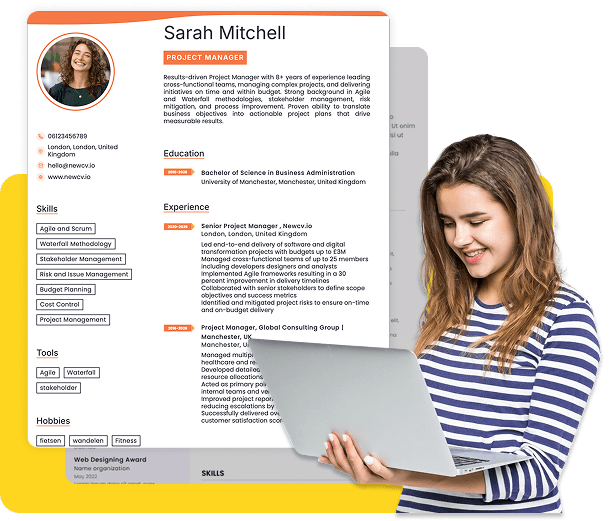
Use ATS-optimised Resume and resume templates that pass applicant tracking systems. Our Resume builder helps recruiters read, scan, and shortlist your Resume faster.

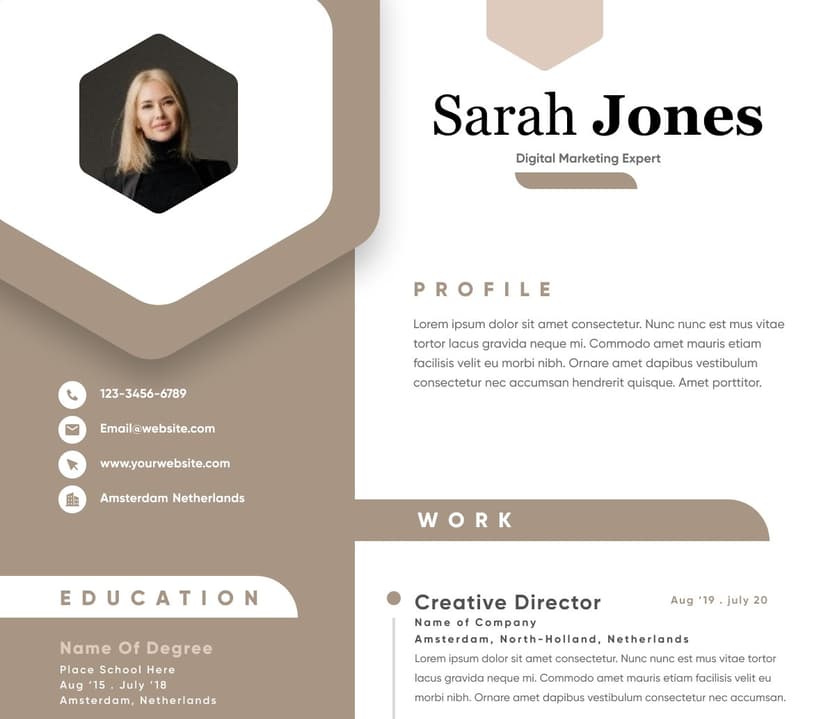
Use professional field-tested resume templates that follow the exact Resume rules employers look for.
Create Resume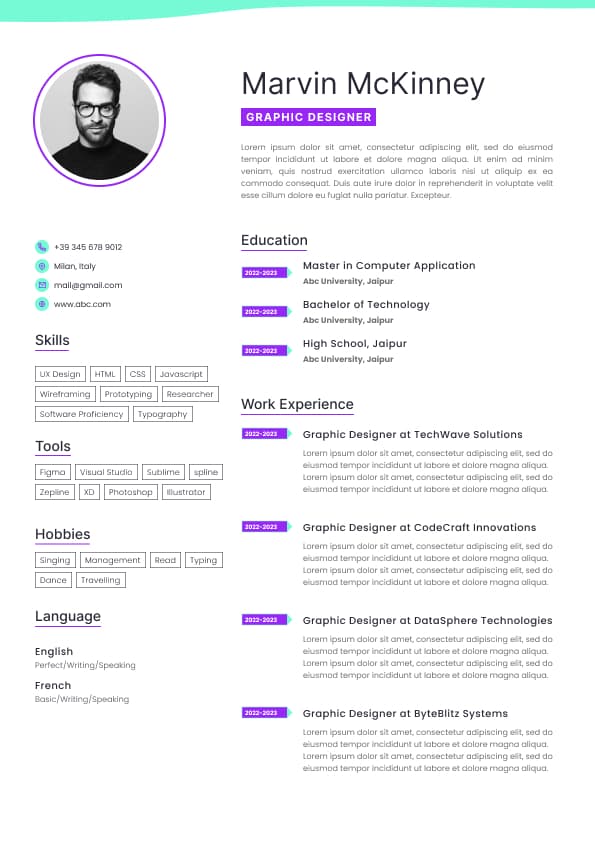
Use professional field-tested resume templates that follow the exact Resume rules employers look for.
Create ResumeIf your LinkedIn profile is not generating recruiter messages, interview requests, or profile views, the issue is usually not LinkedIn itself. It is positioning.
In the Australian job market, recruiters use LinkedIn as a fast screening and sourcing tool. Most profiles fail because they are too generic, keyword-light, overly corporate, or disconnected from how hiring decisions are actually made.
A strong LinkedIn profile in Australia does three things immediately:
Clearly communicates what role you do
Shows commercial or operational value fast
Makes recruiters confident you can perform in a local Australian workplace
Recruiters often decide within 15 to 30 seconds whether to shortlist, contact, or ignore a profile. That decision is heavily influenced by your headline, About section, recent experience, keywords, credibility signals, and how well your profile aligns with Australian hiring expectations.
This guide breaks down the exact LinkedIn profile strategies that improve visibility, recruiter trust, and interview conversion in Australia, including what most candidates get wrong.
In Australia, LinkedIn is heavily used across:
Professional services
Corporate roles
Government and consulting
Technology and digital
Sales and marketing
Engineering and project management
Healthcare leadership and administration
Finance and operations
Even when candidates apply through SEEK or company career pages, recruiters commonly check LinkedIn before deciding whether to progress them.
Your LinkedIn profile influences:
Whether recruiters contact you directly
Whether hiring managers trust your application
Whether you appear in recruiter searches
Whether your experience looks credible and current
Whether your resume claims feel believable
For many mid-level and senior candidates, LinkedIn acts as a second resume plus a reputation filter.
A weak profile creates friction. A strong one increases interview conversion rates significantly.
Most advice online focuses on aesthetics. Recruiters care more about clarity, alignment, and confidence reduction.
Here is what recruiters typically assess within seconds.
Recruiters want immediate clarity.
If your profile makes them work to understand:
What you do
What level you operate at
What industries you fit into
What roles you are targeting
You lose attention quickly.
Your profile should immediately answer:
“What would this person realistically be hired for in Australia?”
Candidates migrating into Australia often fail here.
Recruiters look for signals that you understand:
Australian workplace communication
Local terminology
Stakeholder expectations
Industry standards
Compliance or regulatory environments
Commercial context
Profiles that feel copied from another market can reduce trust, even when the candidate is highly capable.
Australian recruiters strongly favour practical contribution over inflated corporate language.
Weak profiles focus on responsibilities.
Strong profiles focus on:
Revenue growth
Process improvement
Operational efficiency
Team leadership
Cost reduction
Delivery outcomes
Customer impact
Project success
Hiring managers want proof you create value.
This is one of the most common failures.
Weak headlines:
“Experienced Professional”
“Results-Driven Leader”
“Open to Opportunities”
“Passionate About Business Growth”
These communicate nothing useful.
Recruiters search by:
Job title
Industry keywords
Systems
Skills
Specialisations
Your headline should improve search visibility immediately.
“Experienced Marketing Professional Seeking New Opportunities”
“Digital Marketing Manager | Paid Media | SEO | eCommerce Growth | Retail & FMCG”
The second version improves:
Search discoverability
Role clarity
Recruiter confidence
Keyword relevance
Australian hiring culture generally values:
Direct communication
Practicality
Credibility
Confidence without arrogance
Overly polished corporate summaries often reduce authenticity.
“I am a highly motivated and passionate professional with a proven track record of success across diverse business environments.”
This sounds generic and recruiter-resistant.
“I’m a project manager with 8+ years’ experience delivering infrastructure and commercial construction projects across Melbourne and regional Victoria. My background includes stakeholder management, contractor coordination, budgeting, and risk management on projects valued up to $45M.”
This works because it is:
Specific
Commercially grounded
Easy to assess
Aligned with recruiter search behaviour
Your LinkedIn profile should complement your resume, not duplicate it line-for-line.
LinkedIn performs differently because recruiters scan it differently.
Your profile should:
Expand strategic positioning
Increase discoverability
Build credibility
Add context and professional identity
Your resume is for applications.
LinkedIn is for visibility, validation, and recruiter attraction.
Your headline is one of the highest-impact profile sections.
It affects:
Search ranking
Click-through rate
First impressions
Role alignment
A strong Australian LinkedIn headline usually includes:
Current or target role
Functional expertise
Industry specialisation
High-value keywords
Job Title + Core Specialisation + Industry/Value Area
“HR Business Partner | Employee Relations | Retail & Logistics”
“Civil Engineer | Roads & Infrastructure | Project Delivery”
“Finance Manager | Commercial Analysis | Manufacturing & Supply Chain”
“Cyber Security Analyst | SIEM | Risk & Incident Response”
Avoid:
Motivational phrases
Buzzwords
Generic personality traits
Emoji-heavy formatting
Australian recruiters generally prefer professional clarity over branding gimmicks.
Your About section should answer four things quickly:
What you do
What level you operate at
What industries you understand
What outcomes you deliver
A high-performing structure looks like this:
State:
Your role
Years of experience
Industry focus
Seniority level
Mention:
Technical expertise
Operational capability
Leadership scope
Commercial strengths
Add:
Measurable achievements
Team impact
Revenue or efficiency outcomes
Delivery performance
Briefly indicate:
What roles you target
What environments suit you
What problems you solve best
Most recruiters skim experience sections rapidly.
They mainly look for:
Career progression
Stability
Scope
Relevant outcomes
Industry relevance
They do not want walls of text.
Clear job titles
Employer credibility
Scope of responsibility
Measurable outcomes
Team size where relevant
Systems, platforms, or methodologies used
“Responsible for managing projects and stakeholders.”
“Delivered 12 commercial fit-out projects valued between $500K and $6M while coordinating contractors, client stakeholders, procurement, and compliance timelines.”
The second version creates:
Scale
Credibility
Context
Recruiter confidence
LinkedIn recruiter searches heavily rely on keywords.
If your profile lacks the right terms, recruiters may never find you.
This is especially important in Australia’s competitive markets:
Sydney
Melbourne
Brisbane
Perth
Remote national hiring markets
Headline
About section
Experience entries
Skills section
Recruiters search practical terms like:
Financial modelling
WHS
Payroll
Power BI
Salesforce
Site supervision
Contract administration
Agile delivery
Python
Procurement
They rarely search soft skills like:
Hardworking
Passionate
Motivated
International candidates often struggle because recruiters worry about:
Local workplace fit
Communication style
Compliance knowledge
Visa uncertainty
Client-facing readiness
Your LinkedIn profile should reduce those concerns proactively.
Highlight:
Australian qualifications
Local certifications
Australian clients or stakeholders
Local software systems
Industry compliance knowledge
Volunteer or contract work in Australia
If applicable, mention:
Permanent residency
Australian citizenship
Full working rights
Recruiters often avoid uncertainty.
Removing ambiguity improves response rates.
Yes, but only if they are credible and relevant.
Strong recommendations:
Mention measurable contribution
Reference real projects
Highlight communication or reliability
Come from recognised managers or stakeholders
Weak recommendations full of generic praise add little value.
Two or three strong recommendations are more effective than ten vague ones.
It depends on your situation.
You are actively job searching
You want recruiter outreach
You are transitioning industries
You are contract-focused
You are senior leadership
Your employer may react negatively
You are targeting confidential moves
Many Australian recruiters do use the feature during sourcing searches.
However, discreet candidates sometimes prefer strategic networking instead.
Australian recruiters generally prefer:
Professional but approachable photos
Neutral or clean backgrounds
Clear lighting
Business-appropriate presentation
You do not need:
Corporate glamour shots
Overdesigned branding
Excessive editing
Your banner should support your professional identity subtly.
Good banners include:
Industry-relevant visuals
Minimal text
Clean branding
Avoid:
Motivational quotes
Cluttered graphics
Generic stock imagery overload
Posting content is not mandatory.
But strategic activity can improve:
Visibility
Professional credibility
Recruiter familiarity
Industry positioning
The biggest mistake candidates make is posting generic motivational content.
That rarely helps hiring outcomes.
Industry observations
Project learnings
Leadership insights
Operational improvements
Market trends
Lessons from delivery challenges
Technical insights
Career reflections with practical value
You do not need daily posting.
Even one thoughtful post fortnightly can improve visibility significantly.
Recruiters mainly assess:
Search alignment
Fit
Keywords
Availability
Career consistency
Hiring managers assess:
Credibility
Communication
Professional maturity
Industry understanding
Commercial thinking
This is why overly keyword-stuffed profiles often fail with decision-makers.
A strong profile balances:
Search optimisation
Human readability
Commercial credibility
Strong profiles usually have:
Clear positioning
Strong keyword alignment
Outcome-focused experience
Credible career progression
Industry-specific terminology
Professional consistency
Australian market relevance
Most importantly, they make recruiters feel confident quickly.
Confidence reduces hiring friction.
That is the real purpose of LinkedIn optimisation.
Many candidates accidentally lock themselves into their current level.
If you want progression:
Senior Analyst → Analytics Manager
Coordinator → Advisor
Developer → Technical Lead
Supervisor → Operations Manager
Your profile needs signals of readiness.
This includes:
Leadership exposure
Cross-functional influence
Strategic contribution
Stakeholder management
Commercial ownership
Recruiters hire partly based on trajectory.
Internal titles often damage discoverability.
For example:
“Customer Happiness Lead”
“Growth Ninja”
“People Champion”
These reduce search relevance.
Use market-standard terminology recruiters actually search.
Australian hiring culture is generally sceptical of exaggerated self-promotion.
Profiles that feel overstated can create distrust.
Strong candidates:
Show outcomes
Use specifics
Let evidence speak
Confidence works.
Inflation does not.
Update your profile whenever:
You change roles
You complete major projects
You gain certifications
You shift career direction
You expand responsibilities
Inactive profiles can make candidates appear disengaged or outdated.
Even small updates improve visibility in recruiter searches.
Cold networking fails when it feels transactional.
Strong networking is:
Relevant
Specific
Professional
Low-pressure
Mention shared industry or context
State why you are connecting
Keep it brief
Avoid asking for jobs immediately
“Hi, can you help me get a job?”
“Hi Sarah, I work in commercial property project delivery and noticed your background in retail developments across Brisbane. Keen to connect with others in the sector.”
Professional and context-based networking performs far better.
CRM
SAP


 Upload Resume
 Import from Linkedin