
Choose from a wide range of NEWCV resume templates and customize your NEWCV design with a single click.

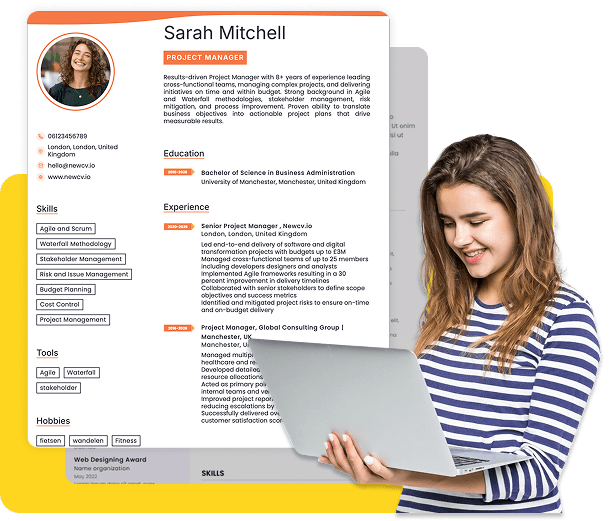
Use ATS-optimised Resume and resume templates that pass applicant tracking systems. Our Resume builder helps recruiters read, scan, and shortlist your Resume faster.

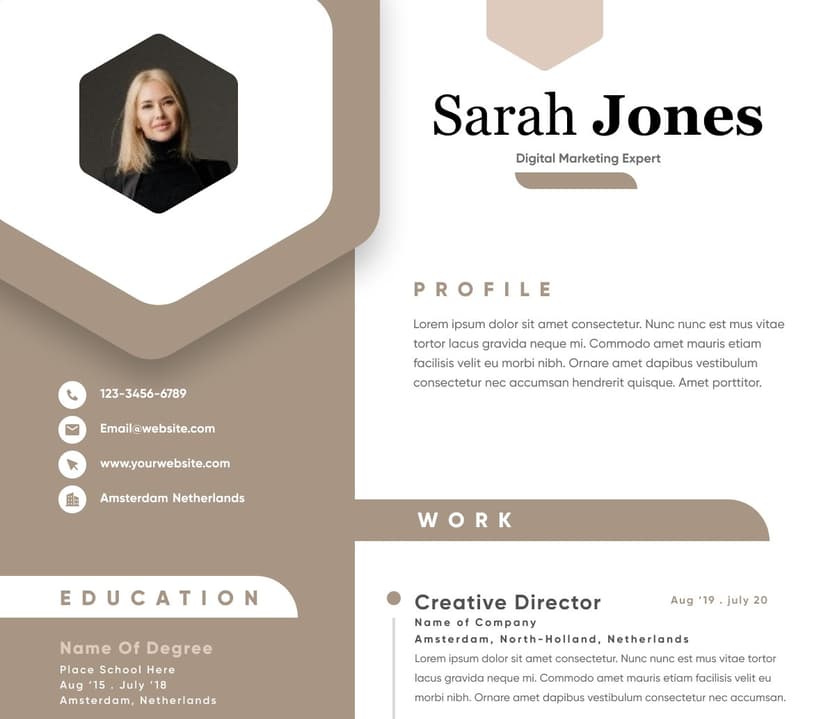
Use professional field-tested resume templates that follow the exact Resume rules employers look for.
Create Resume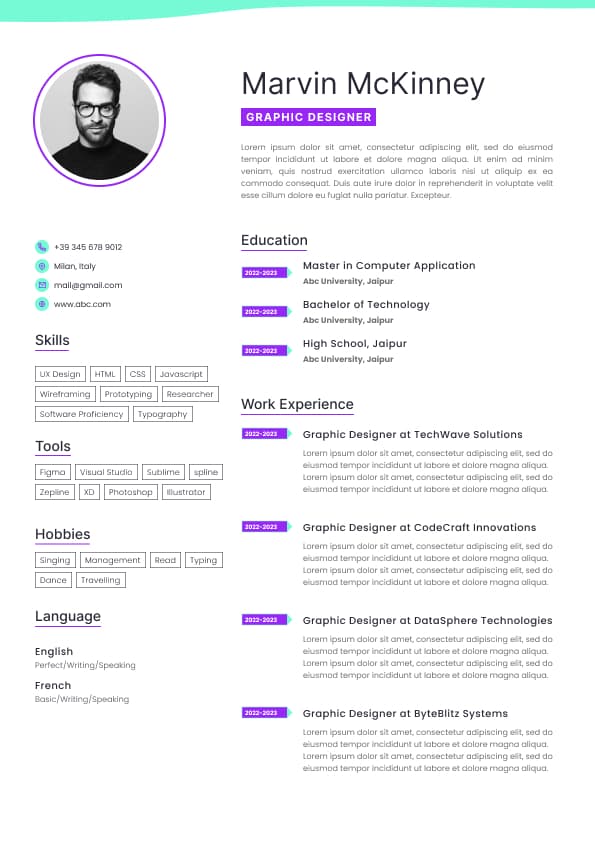
Use professional field-tested resume templates that follow the exact Resume rules employers look for.
Create ResumeAustralia’s skills shortage isn’t just a temporary hiring issue anymore. It’s reshaping how employers recruit, which industries are growing fastest, and where candidates have the strongest negotiating power. If you’re looking for stable employment, stronger salaries, visa sponsorship opportunities, or faster career progression, targeting skills shortage jobs is one of the smartest career decisions you can make in 2026.
The biggest shortages are no longer limited to healthcare or construction. Australian employers are struggling to fill roles across engineering, technology, education, trades, logistics, agriculture, aged care, and professional services. In many sectors, recruiters are prioritising practical capability and industry readiness over perfect qualifications because demand is exceeding candidate supply.
The real advantage for job seekers is this: when employers cannot easily replace talent, hiring standards often become more flexible, salaries become more competitive, and candidates gain stronger bargaining power during recruitment.
Skills shortage jobs are occupations where Australian employers cannot find enough qualified workers locally to meet hiring demand.
This shortage can happen for several reasons:
Rapid industry growth
Ageing workforce and retirements
Migration gaps after COVID-era disruptions
Lack of qualified graduates
Geographic workforce shortages in regional Australia
Increased infrastructure and healthcare demand
Technology and digital transformation
In practical hiring terms, a skills shortage means employers are actively competing for talent rather than candidates competing heavily against each other.
Healthcare remains Australia’s most severe and sustained skills shortage sector.
Demand is being driven by:
Australia’s ageing population
Increased aged care reforms
Regional healthcare shortages
Hospital workforce pressure
Mental health service expansion
High-demand roles include:
Registered Nurses
This changes recruitment behaviour significantly.
Recruiters become more flexible on:
Industry background
Transferable skills
Years of experience
Interstate relocation
Visa sponsorship
Training and onboarding support
For candidates, this creates one of the strongest employment markets in years across selected industries.
Aged Care Workers
Mental Health Professionals
General Practitioners
Physiotherapists
Occupational Therapists
Disability Support Workers
Sonographers
Radiographers
Recruiter insight: employers are increasingly prioritising reliability, shift flexibility, communication skills, and patient care capability over perfect resumes. In healthcare recruitment, attitude and retention potential matter heavily because turnover is expensive.
Regional employers often struggle the most and may offer:
Relocation assistance
Sponsorship pathways
Salary packaging benefits
Housing incentives
Faster hiring processes
Australia’s digital skills gap continues to widen.
Many employers are struggling to hire experienced technical professionals locally, particularly in specialised infrastructure and security roles.
The strongest shortage areas include:
Cyber Security Analysts
Cloud Engineers
Software Engineers
Data Engineers
AI and Automation Specialists
DevOps Engineers
Network Engineers
SAP Consultants
Business Analysts
One major misconception candidates make is assuming technical ability alone guarantees interviews.
In Australia’s tech market, hiring managers also heavily assess:
Stakeholder communication
Commercial thinking
Documentation skills
Collaboration capability
Client-facing confidence
Candidates with both technical depth and business communication skills are consistently prioritised.
Although shortages exist, employers are becoming more cautious about junior-level hiring.
The shortage is strongest at:
Mid-level
Senior
Specialist
Security-cleared
Enterprise-scale experience levels
This means candidates trying to enter tech need practical project evidence, not just certifications.
Australia’s infrastructure pipeline continues to drive enormous demand for skilled tradespeople.
Major shortages include:
Electricians
Plumbers
Carpenters
Welders
Diesel Mechanics
HVAC Technicians
Civil Construction Workers
Surveyors
Construction Project Managers
Large-scale transport, renewable energy, and housing projects are intensifying labour shortages nationwide.
Recruiters in construction consistently prioritise:
Site reliability
Safety record
Licence compliance
Ability to work independently
Project experience
Candidates often underestimate how important soft skills are in trades recruitment. Poor communication, unreliability, or safety concerns can eliminate otherwise qualified applicants immediately.
Engineering remains one of Australia’s strongest long-term shortage areas.
The most in-demand disciplines include:
Civil Engineering
Electrical Engineering
Mechanical Engineering
Mining Engineering
Renewable Energy Engineering
Structural Engineering
The renewable energy transition is creating major competition for engineers across solar, battery storage, transmission infrastructure, and grid modernisation projects.
Hiring managers increasingly value engineers who understand:
Regulatory compliance
Stakeholder management
Project delivery
Commercial risk
Contractor coordination
Technical capability alone rarely secures senior engineering roles anymore.
Australia is experiencing major shortages across both metropolitan and regional education sectors.
High-demand teaching areas include:
Secondary Mathematics
Science Teachers
Special Education
Early Childhood Education
Regional Teaching Roles
Schools are facing retention issues, burnout challenges, and growing student populations.
This has created stronger opportunities for:
Graduate teachers
Career changers
Overseas-trained teachers
Regional applicants
Recruiters and principals often assess cultural fit very heavily during education hiring.
Australian schools place strong importance on:
Behaviour management capability
Parent communication
Classroom confidence
Emotional resilience
Team collaboration
Mining continues to offer some of Australia’s highest-paying shortage occupations.
Strong demand exists across:
Mining Engineers
Geologists
Heavy Diesel Mechanics
Electricians
FIFO Operators
Process Technicians
Maintenance Planners
Western Australia and Queensland remain dominant hiring regions.
However, one major reality candidates overlook is retention pressure.
Mining employers strongly screen for:
Lifestyle suitability
Remote work resilience
Long roster tolerance
Safety culture alignment
Many technically capable candidates fail mining recruitment because they underestimate FIFO lifestyle demands.
One of the biggest hiring realities in Australia is this:
Regional employers often struggle far more than metro employers.
This creates major advantages for candidates willing to relocate.
Regional shortages are particularly severe across:
Healthcare
Teaching
Trades
Agriculture
Hospitality
Community services
Regional hiring often moves faster because candidate competition is lower.
Employers may offer:
Relocation packages
Temporary accommodation
Visa sponsorship
Retention bonuses
Faster permanent opportunities
From a recruiter perspective, candidates willing to relocate regionally are often viewed as more committed and adaptable.
Some shortage occupations command exceptionally strong salaries because the supply-demand imbalance is so severe.
High-paying shortage careers include:
Cyber Security Specialists
Mining Engineers
Anaesthetists
Construction Managers
Cloud Architects
Project Directors
Renewable Energy Engineers
Data Architects
However, salary growth is not driven purely by shortages.
Employers pay premium salaries when candidates combine:
Rare technical expertise
Commercial value
Leadership capability
Communication skills
Industry-specific experience
This is why two candidates with the same qualification can receive vastly different salary offers.
Many Australian employers are now more open to international recruitment because local hiring pipelines cannot meet demand.
Visa sponsorship is particularly common in:
Healthcare
Aged care
Regional hospitality
Engineering
Trades
Technology
Agriculture
However, sponsorship does not guarantee easy hiring.
Australian employers still prioritise candidates who demonstrate:
Strong English communication
Local industry understanding
Adaptability
Long-term commitment
Cultural fit
One major mistake overseas applicants make is submitting generic international resumes that do not align with Australian hiring expectations.
Australian recruiters prefer resumes that are:
Achievement-focused
Clear and concise
Results-driven
Easy to scan quickly
Tailored to the specific role
Many candidates assume shortage hiring means standards disappear.
That is not true.
What changes is which factors employers prioritise most.
In severe shortage markets, recruiters typically focus on:
Can this person perform the role quickly?
Will they stay long enough to justify hiring costs?
Are they reliable and adaptable?
Can they integrate into the team?
Do they communicate well?
Are they low-risk operationally?
This is why some technically weaker candidates still get hired ahead of stronger applicants.
Employers often choose:
Reliability over brilliance
Communication over complexity
Adaptability over perfection
Attitude over ego
Especially in industries with chronic retention issues.
Many Australians are now shifting careers into shortage sectors for stronger job security and income growth.
The most realistic transitions include:
Transferable skills:
Scheduling
Documentation
Communication
Client service
Transferable skills:
Safety discipline
Equipment handling
Shift work tolerance
Operational procedures
Transferable skills:
Customer service
Emotional intelligence
Conflict resolution
Teamwork
Transferable skills:
Electrical systems
Mechanical maintenance
Site operations
Compliance
Recruiters value candidates who can clearly explain transferable capability rather than simply listing unrelated experience.
Generic applications perform poorly even during shortages.
Recruiters still expect targeted resumes aligned with the role.
Many candidates compete aggressively in Sydney or Melbourne while regional employers struggle desperately to hire.
Employers care more about operational readiness than theoretical knowledge.
Practical capability wins.
Poor interview communication eliminates many candidates despite technical strength.
Competition still exists for well-paying employers and premium roles.
Shortages increase opportunity, but they do not remove screening standards.
Hiring managers want candidates who can contribute quickly.
Your resume and interview should demonstrate:
Practical capability
Industry familiarity
Adaptability
Reliability
Problem-solving
Do not simply list transferable skills.
Connect them directly to the target role.
Weak Example
“Strong communication skills.”
Good Example
“Managed high-volume customer interactions and conflict resolution in fast-paced environments, directly supporting transition into patient-facing healthcare support roles.”
Australian recruiters prefer resumes that are:
Clean and direct
Achievement-focused
ATS-friendly
Specific to the role
Free from unnecessary personal information
Candidates who show practical evidence consistently outperform those making vague claims.
Strong evidence includes:
Projects
Certifications
Safety tickets
Industry software experience
Quantifiable achievements
Shift or site experience
The next five years are likely to see continued shortages across:
Renewable energy
Healthcare
Cyber security
Infrastructure
Disability support
Advanced manufacturing
Data and AI roles
Automation will change some entry-level jobs, but it is also creating demand for more technically skilled and operationally adaptable workers.
The strongest long-term candidates will combine:
Technical skills
Communication ability
Adaptability
Commercial thinking
Digital literacy
Australian employers increasingly want multi-skilled professionals rather than narrow specialists with weak collaboration skills.


 Upload Resume
 Import from Linkedin