
Choose from a wide range of NEWCV resume templates and customize your NEWCV design with a single click.


Use ATS-optimised Resume and resume templates that pass applicant tracking systems. Our Resume builder helps recruiters read, scan, and shortlist your Resume faster.


Use professional field-tested resume templates that follow the exact Resume rules employers look for.
Create Resume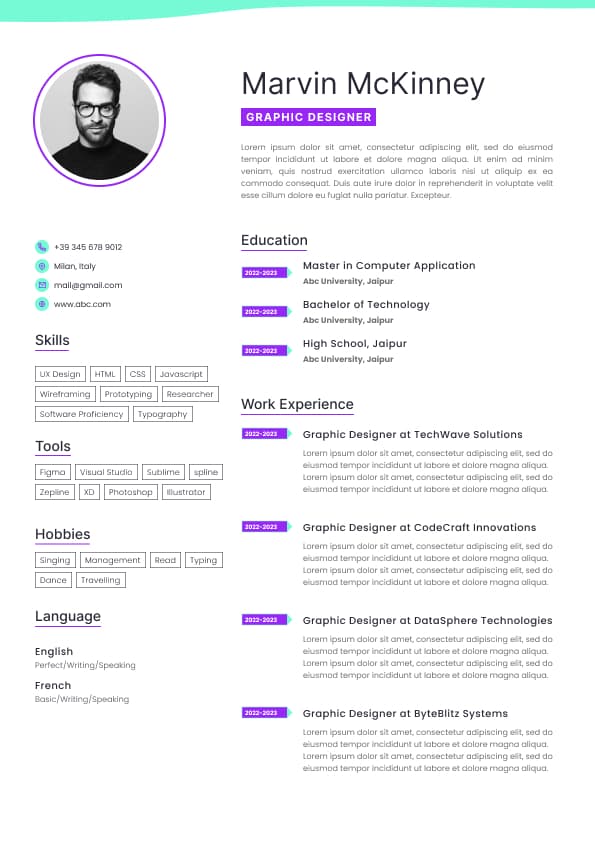
Use professional field-tested resume templates that follow the exact Resume rules employers look for.
Create ResumeBest Jobs in Australia for Foreigners
Australia remains one of the strongest job markets for skilled foreign workers because the country continues to face major labour shortages across healthcare, construction, engineering, trades, education, hospitality, mining, and technology. The best jobs for foreigners in Australia are not simply the highest-paying roles. They are the roles with strong demand, realistic visa pathways, long-term sponsorship potential, and genuine hiring shortages.
For most foreigners, the fastest route into the Australian job market is through occupations listed on Australia’s skilled migration lists or industries struggling to hire locally. Employers are far more willing to sponsor overseas candidates when a role is difficult to fill, especially in regional Australia.
The strongest opportunities in 2026 are concentrated in healthcare, aged care, engineering, skilled trades, IT, teaching, and infrastructure-related industries. However, hiring success depends heavily on whether your experience aligns with Australian expectations, your visa status, and how well your resume is localised for Australian recruiters.
Many overseas candidates make the mistake of targeting only “high salary” jobs. Australian employers prioritise employability and visa practicality first.
The best jobs for foreigners usually have these characteristics:
•High labour shortages
• Strong sponsorship demand
• Occupations on skilled migration lists
• Low local candidate supply
• Transferable international experience
• Clear pathways to permanent residency
• National demand across multiple states
• Recruiter familiarity with overseas applicants
Jobs become significantly easier to access when employers already have experience sponsoring international workers.
For example, Australian hospitals regularly recruit overseas nurses because the system already supports international registration and migration pathways. The same applies to many engineering and trade occupations.
By contrast, highly saturated corporate roles such as marketing, HR, or general administration are far more difficult for foreigners because employers can easily hire locally.
The Australian labour market is currently driven by structural shortages rather than temporary hiring spikes.
These industries consistently offer the strongest opportunities for foreigners.
Healthcare remains the single strongest sector for overseas workers in Australia.
Demand is severe across:
•Registered nurses
• Aged care workers
• Disability support workers
• General practitioners
• Mental health professionals
• Physiotherapists
• Occupational therapists
• Radiographers
Australia’s ageing population and healthcare staffing shortages continue to create long-term demand.
Recruiters and hospitals are often willing to sponsor healthcare workers because:
•Shortages are critical nationwide
• Regional hospitals struggle to recruit locally
• International qualifications are widely recognised
• Demand exists in both public and private sectors
• Healthcare experience transfers well internationally
Foreign healthcare workers with English proficiency and Australian registration often secure interviews quickly compared with other industries.
Typical salary ranges include:
•Registered Nurse: AUD $85,000 to $120,000
• Physiotherapist: AUD $90,000 to $130,000
• Aged Care Worker: AUD $65,000 to $90,000
• GP: AUD $180,000 to $350,000+
Regional areas frequently offer higher salaries and sponsorship incentives.
Trades are among the most underrated pathways for foreigners seeking long-term stability in Australia.
The country faces ongoing shortages in infrastructure, housing construction, mining, and renewable energy projects.
The strongest trade occupations include:
•Electricians
• Plumbers
• Carpenters
• Welders
• Diesel mechanics
• HVAC technicians
• Fitters and turners
• Boilermakers
Australian employers sponsor trades heavily because skilled labour shortages are widespread.
Unlike some white-collar sectors, trade hiring is based more on practical capability than local networks or Australian corporate experience.
A strong tradesperson with recognised certifications can often outperform a university-qualified candidate in visa prospects.
One of the biggest mistakes foreign trade workers make is underestimating Australian licensing requirements.
Employers care about:
•Safety compliance
• Australian standards knowledge
• Site experience
• Tickets and licences
• English communication onsite
Candidates who proactively begin licence conversion processes immediately stand out.
•Electrician: AUD $95,000 to $150,000
• Diesel Mechanic: AUD $100,000 to $160,000
• Welder: AUD $80,000 to $130,000
• Plumber: AUD $90,000 to $140,000
Mining and remote projects can push salaries significantly higher.
Engineering remains one of Australia’s strongest long-term migration sectors.
The highest-demand disciplines include:
•Civil engineering
• Mining engineering
• Mechanical engineering
• Electrical engineering
• Structural engineering
• Renewable energy engineering
Large infrastructure projects across transport, energy, housing, and mining continue driving recruitment demand.
Australian employers sponsor engineers when:
•Projects cannot be delayed
• Specialist expertise is limited locally
• Regional projects face recruitment shortages
• Infrastructure spending increases demand rapidly
However, competition is higher than many foreigners expect.
Recruiters often reject overseas engineers because resumes fail to demonstrate practical project outcomes relevant to Australian projects.
Hiring managers care less about impressive titles and more about:
•Project scale
• Budget responsibility
• Compliance exposure
• Stakeholder management
• Site experience
• Safety understanding
• Technical software proficiency
Foreign engineers who tailor resumes around measurable project outcomes perform far better.
•Civil Engineer: AUD $100,000 to $160,000
• Mining Engineer: AUD $140,000 to $250,000
• Mechanical Engineer: AUD $100,000 to $170,000
• Electrical Engineer: AUD $110,000 to $180,000
Tech remains a strong pathway for skilled foreigners, particularly in specialised niches.
The best opportunities exist in:
•Cybersecurity
• Cloud engineering
• DevOps
• Software engineering
• Data engineering
• AI infrastructure
• Enterprise architecture
• SAP consulting
The Australian tech market is smaller than the US, UK, or parts of Europe.
That means competition can become intense for generic IT roles.
Employers are much more likely to sponsor candidates with specialised technical capability rather than broad “IT support” backgrounds.
Strong overseas candidates usually have:
•Experience with global companies
• Enterprise-scale projects
• In-demand certifications
• Cloud platform expertise
• Security clearances where applicable
• Strong communication skills
Recruiters also strongly prefer candidates already in Australia or with work rights.
•Cybersecurity Analyst: AUD $120,000 to $180,000
• Cloud Engineer: AUD $140,000 to $220,000
• Software Engineer: AUD $110,000 to $180,000
• Data Engineer: AUD $130,000 to $200,000
Australia continues experiencing teacher shortages, especially in public schools and regional areas.
The highest-demand teaching fields include:
•Secondary maths
• Science
• Special education
• Early childhood education
• Regional teaching
Teacher shortages are particularly severe outside major cities.
Schools often struggle to recruit qualified teachers for regional communities, making sponsorship more realistic.
Many international teachers underestimate the registration process.
Australian schools usually require:
•Qualification assessment
• English language testing
• State teacher registration
• Working with Children Checks
Candidates who complete these steps before applying gain a major advantage.
•Secondary Teacher: AUD $85,000 to $125,000
• Special Education Teacher: AUD $95,000 to $135,000
• Early Childhood Teacher: AUD $75,000 to $110,000
Hospitality is one of the easiest industries for foreigners to enter initially, but it is not always the strongest long-term migration pathway.
Roles commonly available include:
•Chefs
• Cooks
• Hotel staff
• Restaurant managers
• Baristas
• Event staff
Hospitality can work well for:
•Working holiday visa holders
• International students
• Temporary visa holders
• Candidates seeking Australian experience first
However, sponsorship opportunities vary significantly.
Chefs and experienced hospitality managers generally have stronger sponsorship prospects than front-of-house staff.
•Chef: AUD $75,000 to $110,000
• Restaurant Manager: AUD $80,000 to $130,000
• Hotel Manager: AUD $100,000 to $160,000
Mining remains one of Australia’s highest-paying sectors for foreign workers.
Strong demand exists for:
•Mining engineers
• Geologists
• Heavy diesel mechanics
• Electricians
• Operators
• Project managers
Mining companies pay premium salaries because roles often involve:
•Remote locations
• FIFO rosters
• Harsh environments
• Skill shortages
• Safety-critical operations
Foreign workers with mining experience from countries like Canada, South Africa, Chile, or the Middle East are often highly regarded.
•Mining Engineer: AUD $150,000 to $300,000
• Heavy Diesel Mechanic: AUD $140,000 to $220,000
• FIFO Electrician: AUD $140,000 to $230,000
Many foreigners wrongly assume Australian migration only rewards university qualifications.
Several high-demand sectors value practical skill more than degrees.
Strong non-degree pathways include:
•Trades
• Aged care
• Disability support
• Hospitality management
• Truck driving
• Mining operations
• Construction supervision
Employers frequently prioritise:
•Experience
• Reliability
• Licensing
• Safety standards
• English communication
• Shift flexibility
In labour-short industries, practical capability often matters more than academic prestige.
Job opportunities vary heavily by location.
Best for:
•Finance
• Corporate jobs
• Tech
• Consulting
• Healthcare
Biggest challenge:
•Extremely high living costs
• Intense competition
Best for:
•Healthcare
• Education
• Tech
• Professional services
Strong balance between career opportunity and lifestyle.
Best for:
•Construction
• Infrastructure
• Engineering
• Healthcare
Rapid population growth continues driving demand.
Best for:
•Mining
• Resources
• Trades
• Engineering
Some of Australia’s highest salaries are concentrated here.
Regional areas often provide the best migration opportunities overall.
Why?
Because employers struggle to attract local workers.
This can lead to:
•Faster sponsorship
• More visa pathways
• Higher interview success rates
• Lower competition
• Permanent residency incentives
Many foreigners focus only on Sydney or Melbourne and miss far easier opportunities elsewhere.
The biggest misconception is that applying online alone is enough.
Australian hiring is highly competitive for overseas candidates.
Recruiters typically filter international applicants quickly unless there is a clear reason to continue.
When screening foreign candidates, recruiters usually assess:
•Current visa status
• Work rights
• Occupation shortage level
• English communication
• Australian experience
• Resume quality
• Local licensing
• Location availability
If your resume does not answer these questions immediately, rejection rates increase sharply.
Many overseas resumes are too long, generic, or focused on responsibilities instead of outcomes.
Australian recruiters prefer resumes that are:
•Achievement-focused
• Clear and concise
• ATS-friendly
• Tailored to the role
• Written in Australian English
• Focused on measurable impact
Foreign applicants perform far better when they:
•Apply for shortage occupations
• Target regional employers
• Tailor resumes properly
• Include visa status clearly
• Align keywords with job ads
• Demonstrate Australian market understanding
• Apply strategically instead of mass applying
The strongest jobs for foreigners are usually linked to migration pathways.
Common options include:
•Skilled Independent Visa
• State Nominated Visa
• Employer Sponsored Visa
• Temporary Skill Shortage Visa
• Regional Skilled Migration pathways
Different occupations have different sponsorship realities.
Healthcare and trades often have stronger employer sponsorship activity than generic business roles.
Some sectors are heavily oversupplied.
These include:
•General administration
• Entry-level marketing
• HR coordinator roles
• Generic business analyst roles
• Graduate corporate programs
• Junior project management
These industries usually have enough local candidates.
Foreign applicants without Australian experience often struggle heavily here.
The strongest candidates rarely apply randomly.
They position themselves strategically.
A practical approach looks like this:
•Target shortage occupations first
• Focus on industries already sponsoring workers
• Prioritise regional opportunities initially
• Localise your resume for Australia
• Build local certifications where possible
• Clarify visa eligibility early
• Use LinkedIn strategically
• Network with recruiters in your industry
Many foreigners eventually move into major cities after establishing Australian experience first.
Many candidates target highly competitive office jobs with little sponsorship demand.
This dramatically lowers interview chances.
Australian recruiters often reject resumes that:
•Are too long
• Include irrelevant personal details
• Lack achievements
• Use poor formatting
• Sound overly formal
Regional Australia often offers the strongest pathways into the country.
Many foreigners overlook this completely.
A slightly lower-paying sponsored role can create a far stronger long-term migration outcome than a higher-paying temporary role.
The strongest candidates prepare before entering Australia.
That includes:
•Resume localisation
• LinkedIn optimisation
• Skills assessments
• Registration processes
• Licensing requirements
• Industry networking


 Upload Resume
 Import from Linkedin