
Choose from a wide range of NEWCV resume templates and customize your NEWCV design with a single click.

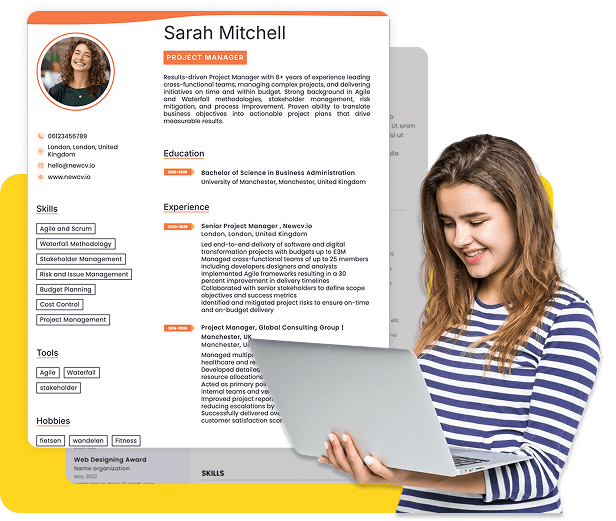
Use ATS-optimised Resume and resume templates that pass applicant tracking systems. Our Resume builder helps recruiters read, scan, and shortlist your Resume faster.

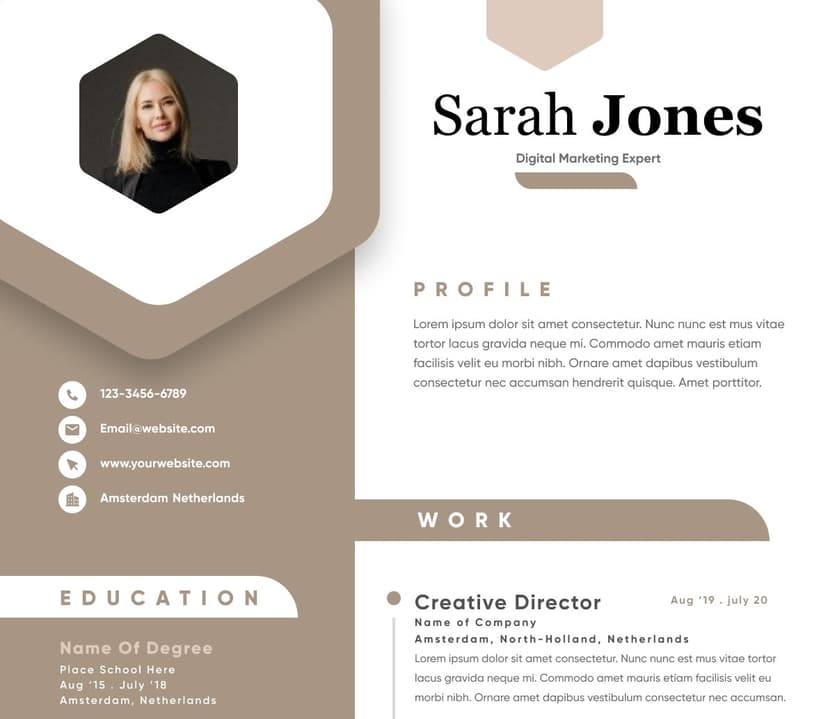
Use professional field-tested resume templates that follow the exact Resume rules employers look for.
Create Resume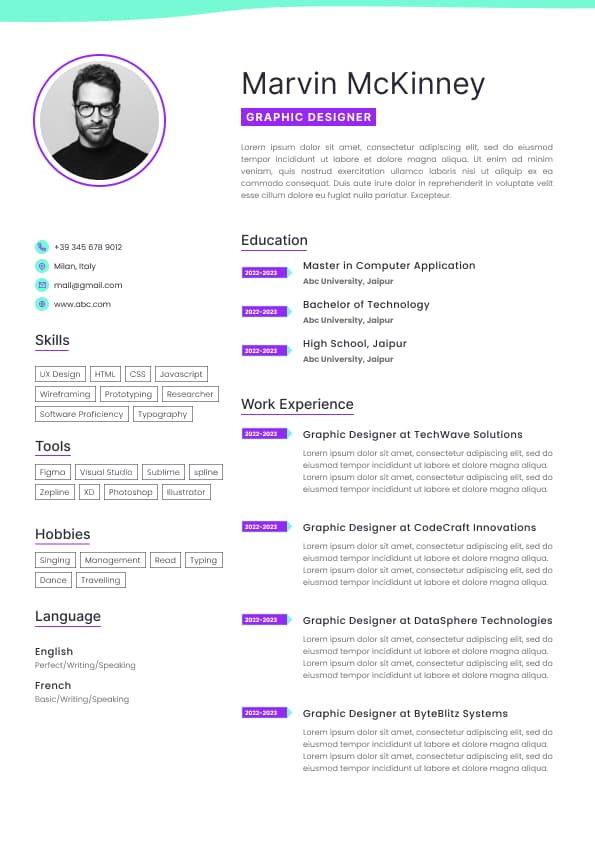
Use professional field-tested resume templates that follow the exact Resume rules employers look for.
Create ResumeIf you’re searching for a free resume builder in Australia, the real goal usually isn’t just creating a resume. It’s building a resume that actually gets interviews in the Australian job market.
Most free resume builders look polished but fail where it matters most:
ATS compatibility
Clear recruiter readability
Proper Australian resume formatting
Strong keyword alignment
Positioning candidates competitively against local applicants
Australian recruiters typically spend less than 10 seconds on an initial resume scan. A resume builder only helps if it improves screening outcomes, not just appearance.
Most candidates overestimate design and underestimate clarity.
In Australia, recruiters and hiring managers generally prioritise:
Fast readability
Relevant experience alignment
Clear job titles and progression
ATS-friendly formatting
Strong achievement-based bullet points
Evidence of commercial impact or outcomes
Industry-specific keyword relevance
A free resume builder is only effective if it supports those outcomes.
Many builders create resumes that look modern but introduce problems like:
Not all resume builders are equal. Some are excellent for ATS compatibility. Others prioritise visual design at the expense of hiring outcomes.
Here’s how the strongest options compare from a recruiter perspective.
:contentReference[oaicite:0]
Best for:
Creative industries
Marketing
Design
Social media roles
Personal branding
Strengths:
Modern templates
The best free resume builders in Australia help you:
Create a clean ATS-friendly resume quickly
Structure experience properly for Australian employers
Tailor resumes for SEEK and LinkedIn applications
Avoid formatting issues that break ATS systems
Present achievements clearly and professionally
The wrong builder can actually reduce your interview chances, especially if it creates graphics-heavy layouts, poor keyword structure, or overly generic content.
This guide breaks down which free resume builders are genuinely useful in Australia, what recruiters notice immediately, and how to build a resume that performs well in real hiring processes.
Multi-column layouts that ATS systems misread
Skill bars and graphics that add no hiring value
Excessive colours or visual clutter
Generic summary statements
Artificially inflated wording
Poor mobile readability
Australian employers generally prefer resumes that are:
Clean
Direct
Professionally formatted
Easy to scan
Results-focused
Especially in competitive sectors like:
Technology
Finance
Mining
Construction
Healthcare
Government
Sales
Marketing
Engineering
The more competitive the role, the less tolerance recruiters have for poor structure or fluff.
Easy editing
Strong visual presentation
Good for portfolio-style resumes
Weaknesses:
Many templates are not ATS-friendly
Graphics-heavy layouts can break parsing systems
Often over-designed for corporate hiring
Recruiter insight:
Canva resumes work best when candidates simplify the template heavily. Many applicants use visually busy designs that reduce readability.
For most Australian corporate roles, simpler is safer.
:contentReference[oaicite:1]
Best for:
General professional resumes
Fast resume creation
ATS-friendly layouts
Strengths:
Cleaner formatting
Better ATS structure
Easy export options
Helpful content prompts
Weaknesses:
Some features locked behind paid plans
Generic wording suggestions can weaken authenticity
Recruiter insight:
This is one of the safer builder options for mainstream professional applications in Australia.
The main risk is candidates copying generic phrases directly into their resume.
:contentReference[oaicite:2]
Best for:
Early-career professionals
Graduates
Business and professional services roles
Strengths:
Good layout balance
Relatively ATS-safe
Strong structure guidance
Cleaner than many design-focused builders
Weaknesses:
Free version limitations
Can still encourage overly polished corporate language
Recruiter insight:
Good structure overall, but candidates should simplify language and avoid keyword stuffing.
:contentReference[oaicite:3]
Best for:
Australian job seekers
SEEK applications
Standard corporate resumes
Strengths:
Aligned with Australian hiring expectations
Simpler formatting
Better local relevance
Easy integration with applications
Weaknesses:
Less visual customisation
More basic design options
Recruiter insight:
Simple often wins.
SEEK-style resumes tend to perform better than flashy templates because they prioritise readability and practical hiring requirements.
ATS compatibility matters far more than most candidates realise.
Large Australian employers commonly use:
Workday
PageUp
SuccessFactors
Greenhouse
Lever
SmartRecruiters
Taleo
These systems scan resumes before recruiters even see them.
An ATS-friendly resume builder should support:
Single-column layouts
Standard headings
Clear chronological structure
Proper text formatting
Readable font hierarchy
Clean PDF exports
Good ATS structure includes:
Professional Summary
Work Experience
Education
Skills
Certifications
Technical Skills
Standard headings matter because ATS systems categorise resume information automatically.
Avoid:
Text inside graphics
Icons replacing words
Tables with complex formatting
Header/footer critical information
Skill bars or rating systems
Excessive colours
Multiple columns
These frequently cause parsing errors.
Recruiters spot generic resume language instantly.
Phrases like:
“Results-driven professional”
“Highly motivated team player”
“Dynamic individual”
“Passionate self-starter”
have become meaningless because they appear everywhere.
Many free resume builders provide pre-written achievements.
This creates two problems:
Resumes sound identical
Claims feel unconvincing
Hiring managers want evidence, not buzzwords.
Candidates often assume modern equals effective.
In reality:
Over-designed resumes slow screening
Fancy layouts reduce scan speed
Excessive visuals dilute important information
Australian recruiters generally prefer clean professional formatting over creativity unless the role specifically values design.
In Australia:
Most professionals should target 2 to 4 pages depending on seniority
Graduates usually need 1 to 2 pages
Executive resumes can extend longer if strategically written
Long resumes are acceptable when the content is genuinely relevant and commercially valuable.
The issue is not page count alone. It’s information quality.
Most strong resumes are tailored.
Candidates who apply with the same generic resume repeatedly usually struggle in competitive markets.
Focus on:
Core requirements
Technical skills
Industry terminology
Tools and systems
Commercial outcomes
Leadership scope
Then align your wording naturally.
Weak resumes describe responsibilities.
Strong resumes demonstrate outcomes.
Weak Example
Good Example
The second example shows:
Scale
Outcome
Business impact
Performance evidence
That changes recruiter perception immediately.
Australian recruiters usually read:
Job title
Recent employer
Professional summary
first.
A strong summary should quickly establish:
Your professional identity
Years of experience
Core expertise
Industry alignment
Commercial value
Best-performing resumes typically use:
Clear headings
Consistent spacing
Standard fonts
Logical structure
Minimal graphics
Simplicity improves:
ATS parsing
Mobile readability
Recruiter scanning speed
A free resume builder helps with structure.
It does not automatically create strong positioning.
That distinction matters.
Professional resume strategy involves:
Competitive positioning
Keyword targeting
Career narrative shaping
Recruiter psychology
Seniority calibration
Achievement framing
Industry expectations
A builder cannot fully replace strategic resume writing.
However, many candidates can still produce excellent resumes themselves if they:
Use a clean builder
Understand recruiter expectations
Tailor properly
Focus on outcomes instead of duties
The builder is just the tool. Strategy determines results.
For most Australian employers, the reverse chronological format remains strongest.
That means:
Most recent role first
Clear career progression
Consistent dates
Easy scan structure
This format works best because recruiters evaluate:
Relevance
Stability
Progression
Seniority trajectory
very quickly during screening.
A strong Australian resume typically includes:
Name and contact details
LinkedIn profile
Professional Summary
Core Skills
Professional Experience
Education
Certifications
Technical Skills if relevant
Generally avoid:
Photos
Date of birth
Marital status
Religion
Full address
Excessively personal information
These are not standard in Australian hiring.
Many tools advertise features that recruiters simply do not care about.
The features that genuinely matter are:
ATS-safe formatting
PDF export quality
Mobile readability
Easy editing
Tailoring flexibility
Clear section hierarchy
Professional templates
These rarely improve hiring outcomes:
Animated templates
Excessive colour schemes
Visual skill charts
Personality graphics
Decorative icons everywhere
Candidates often confuse visual appeal with hiring effectiveness.
They are not the same thing.
Recruiters screen for alignment.
Hiring managers screen for risk.
That difference is important.
Recruiters typically ask:
Does this candidate meet baseline requirements?
Is the experience relevant?
Does the resume look credible?
Should this move forward?
Hiring managers ask:
Can this person perform in our environment?
Have they solved similar problems before?
Is their experience commercially relevant?
Will they integrate well into the team?
Your resume must satisfy both levels.
That means balancing:
Keywords
Clarity
Commercial evidence
Credibility
Professional presentation
Best approach:
Minimalist layout
ATS-friendly formatting
Commercial achievements
Metrics-driven bullet points
Government hiring often values:
Clear capability alignment
Structured information
Accurate terminology
Demonstrated outcomes
Stable formatting
Avoid overly creative templates.
Tech resumes should emphasise:
Technical stack
Project impact
Scalability
Systems knowledge
Delivery outcomes
Creative applicants have more flexibility visually.
However:
Readability still matters
Hiring managers still scan quickly
Portfolio quality matters more than resume aesthetics alone
Effective tailoring is strategic, not excessive.
You do not need a completely new resume for every application.
Instead adjust:
Professional summary
Core skills
Key keywords
Relevant achievements
Technical tools
Industry language
The strongest candidates maintain:
One master resume
Several targeted versions by role type
This improves efficiency while maintaining relevance.
Before submitting your resume, check:
Is the layout ATS-friendly?
Is the resume easy to scan in 10 seconds?
Are achievements outcome-focused?
Have you tailored keywords naturally?
Is the formatting clean on mobile?
Are dates and titles consistent?
Is the resume free from fluff?
Does the first half of page one immediately show value?
Have you removed graphics that add no hiring value?
Does the resume sound credible and human?
This final review often determines whether candidates progress.


 Upload Resume
 Import from Linkedin