
Choose from a wide range of NEWCV resume templates and customize your NEWCV design with a single click.

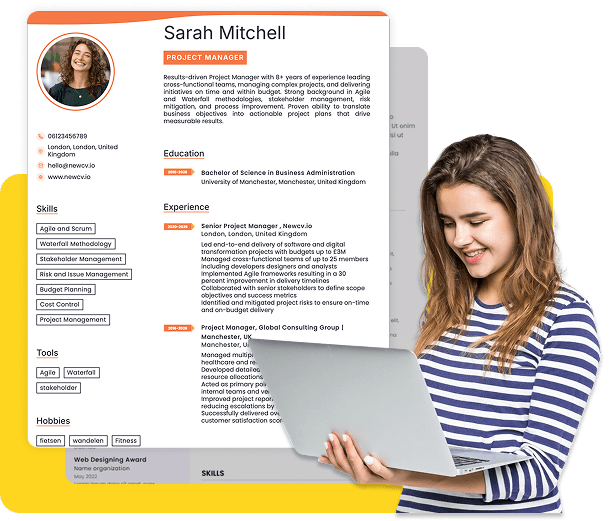
Use ATS-optimised Resume and resume templates that pass applicant tracking systems. Our Resume builder helps recruiters read, scan, and shortlist your Resume faster.

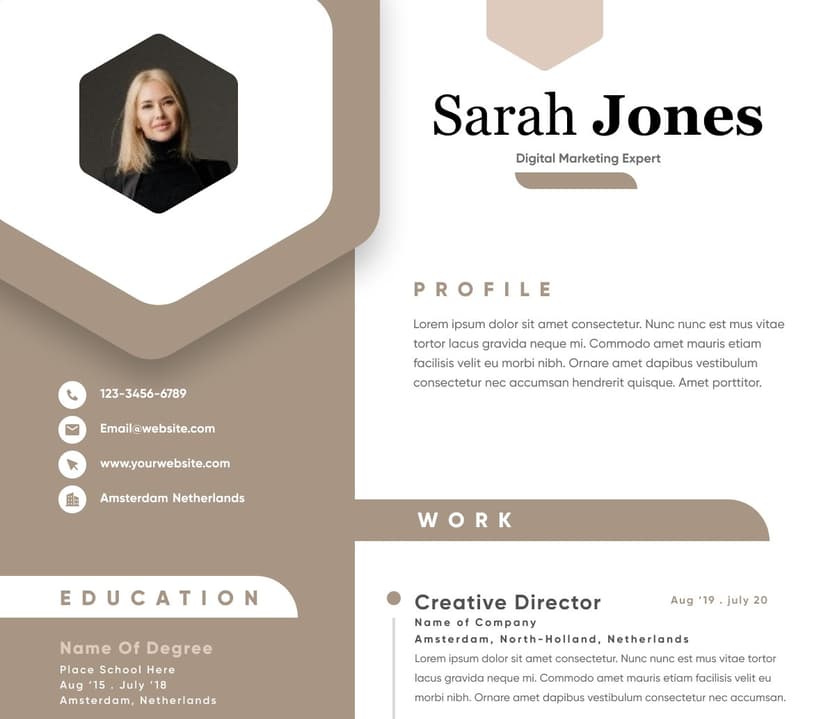
Use professional field-tested resume templates that follow the exact Resume rules employers look for.
Create Resume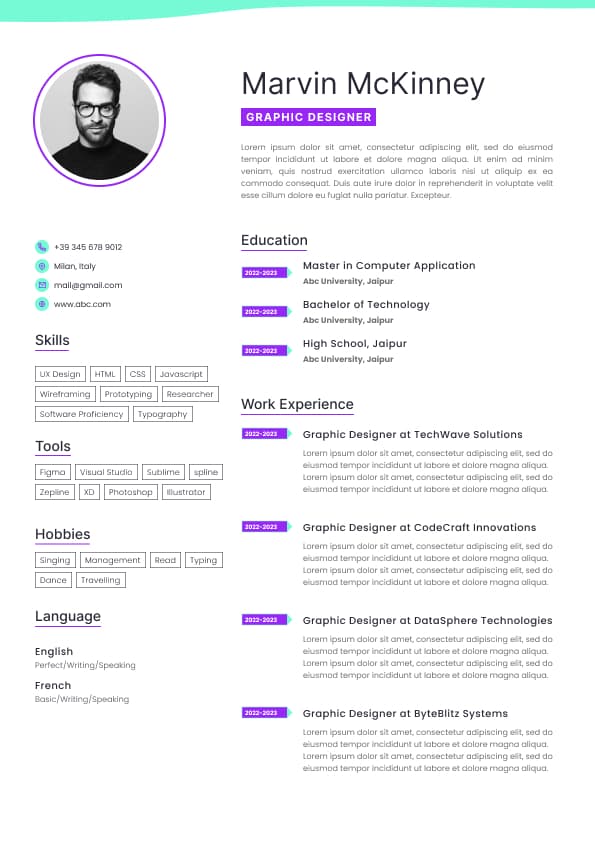
Use professional field-tested resume templates that follow the exact Resume rules employers look for.
Create ResumeIf you’re researching salaries in Australia, the real question usually isn’t “What’s the average salary?” It’s:
What are employers actually paying right now?
Am I underpaid?
What salary can I realistically negotiate?
Which industries are paying above market?
How much does location affect salary in Australia?
The Australian salary market changes quickly based on skills shortages, migration, economic conditions, industry demand, and competition for talent. Generic salary figures often miss the biggest factors recruiters and hiring managers use when setting compensation.
In Australia, salary decisions are heavily influenced by:
Industry demand
As of 2026, the average full-time salary in Australia sits roughly between $95,000 and $105,000 annually depending on industry, location, and reporting source.
However, averages are misleading.
A graduate earning $65,000 and a senior mining engineer earning $220,000 both affect the national average. Recruiters and hiring managers rarely benchmark candidates against national averages. They benchmark against:
Similar roles
Similar industries
Similar seniority
Similar locations
Current market competition
For example:
A software engineer in Sydney may command $140,000+
Metro vs regional location
Years of directly relevant experience
Commercial impact
Candidate scarcity
Technical or leadership capability
Whether the role generates revenue or reduces risk
Hiring urgency
This guide breaks down realistic salary expectations across major Australian industries, how recruiters assess salary value, what impacts your earning potential, and how to benchmark yourself properly in today’s market.
A marketing coordinator in Adelaide may earn $70,000
A registered nurse in Perth may sit around $95,000
A construction project manager in Brisbane may exceed $170,000
The better question is: what is the market salary for your specific role in your specific market?
Salary ranges below reflect common full-time permanent salaries across major Australian cities including Sydney, Melbourne, Brisbane, Perth, and Adelaide.
Technology remains one of Australia’s strongest salary markets due to ongoing digital transformation, cybersecurity demand, AI adoption, and cloud migration.
| Role | Average Salary |
| ---------------------- | -------------------- |
| IT Support Officer | $70,000 to $90,000 |
| Systems Administrator | $95,000 to $120,000 |
| Business Analyst | $110,000 to $145,000 |
| Software Engineer | $120,000 to $170,000 |
| Cyber Security Analyst | $130,000 to $180,000 |
| Cloud Engineer | $150,000 to $210,000 |
| Data Engineer | $140,000 to $190,000 |
| DevOps Engineer | $150,000 to $210,000 |
| IT Project Manager | $140,000 to $200,000 |
Recruiter insight:
Technical salaries in Australia are strongly driven by scarcity. Employers often pay premiums for candidates who can contribute immediately without extensive onboarding.
Candidates with outdated tech stacks frequently struggle despite having many years of experience.
Finance salaries vary heavily based on commercial exposure, stakeholder management, and industry.
| Role | Average Salary |
| ------------------------ | -------------------- |
| Accounts Payable Officer | $65,000 to $80,000 |
| Payroll Officer | $75,000 to $95,000 |
| Assistant Accountant | $75,000 to $95,000 |
| Financial Accountant | $100,000 to $130,000 |
| Management Accountant | $115,000 to $145,000 |
| Finance Business Partner | $140,000 to $180,000 |
| Finance Manager | $160,000 to $230,000 |
| Financial Controller | $180,000 to $280,000 |
Hiring manager insight:
Commercial finance professionals consistently out-earn transactional accountants. Employers pay more for candidates who influence decision-making, forecasting, profitability, and business strategy.
Australia’s healthcare sector continues to face major workforce shortages, particularly in regional areas.
| Role | Average Salary |
| ---------------------- | --------------------- |
| Enrolled Nurse | $75,000 to $90,000 |
| Registered Nurse | $90,000 to $120,000 |
| Clinical Nurse | $110,000 to $135,000 |
| Midwife | $95,000 to $125,000 |
| Occupational Therapist | $95,000 to $130,000 |
| Physiotherapist | $90,000 to $130,000 |
| Sonographer | $140,000 to $200,000 |
| GP | $180,000 to $350,000+ |
Regional healthcare roles often include:
Relocation support
Accommodation assistance
Sign-on bonuses
Additional allowances
Engineering remains one of Australia’s highest-paying sectors, particularly across mining, infrastructure, renewables, and construction.
| Role | Average Salary |
| ---------------------- | --------------------- |
| Civil Engineer | $100,000 to $145,000 |
| Mechanical Engineer | $105,000 to $150,000 |
| Electrical Engineer | $115,000 to $165,000 |
| Project Engineer | $130,000 to $180,000 |
| Site Engineer | $120,000 to $165,000 |
| Mining Engineer | $160,000 to $260,000 |
| Senior Project Manager | $180,000 to $300,000+ |
What employers actually value:
Major project exposure
Safety leadership
Stakeholder management
Delivery under pressure
Regulatory compliance
Large budget ownership
Years alone do not justify higher salaries in engineering.
HR salaries have risen significantly in Australia, particularly for strategic and business-facing roles.
| Role | Average Salary |
| ----------------------------- | -------------------- |
| HR Coordinator | $75,000 to $95,000 |
| HR Advisor | $95,000 to $125,000 |
| Talent Acquisition Specialist | $100,000 to $140,000 |
| HR Business Partner | $130,000 to $180,000 |
| HR Manager | $150,000 to $220,000 |
| Head of People and Culture | $200,000 to $320,000 |
Recruiter insight:
Candidates who combine employment law knowledge with commercial influence usually secure the strongest salaries.
Sales compensation in Australia often includes commissions, bonuses, and incentives.
| Role | Base Salary |
| ---------------------------- | --------------------- |
| Sales Coordinator | $65,000 to $85,000 |
| Business Development Manager | $100,000 to $150,000 |
| Account Manager | $95,000 to $140,000 |
| Enterprise Sales Executive | $140,000 to $220,000 |
| Sales Director | $220,000 to $400,000+ |
Strong sales candidates are evaluated on:
Revenue generation
Pipeline ownership
Deal size
Industry network
Retention metrics
Consistent quota achievement
Some of the highest-paying Australian careers include:
Surgeons
Anaesthetists
Mining engineers
Enterprise software sales executives
Investment bankers
Cybersecurity architects
Commercial lawyers
Aviation specialists
Senior construction project directors
Executive leadership roles
However, high salary does not always equal high accessibility.
Many of Australia’s highest-paying roles require:
Significant qualifications
Long training pathways
Licensing or registration
High pressure environments
Leadership accountability
Remote or FIFO work conditions
Location dramatically affects salary expectations.
Sydney generally offers the highest salaries due to:
Corporate headquarters concentration
Higher living costs
Larger enterprise hiring market
Strong finance and technology sectors
However, salary increases do not always offset housing costs.
Melbourne offers strong professional salaries across:
Technology
Healthcare
Education
Financial services
Professional services
Competition is often higher than Brisbane or Perth.
Brisbane salaries have risen sharply due to:
Population growth
Infrastructure investment
Olympic-related projects
Interstate migration
Construction and engineering salaries are particularly strong.
Perth remains heavily influenced by mining and resources.
High-demand sectors include:
Mining engineering
Trades
Logistics
Energy
Project delivery
FIFO salaries can significantly exceed eastern states.
Adelaide salaries are generally lower than Sydney and Melbourne but often come with:
Better affordability
Lower commute times
Strong defence industry growth
Most candidates incorrectly assume salary is based mainly on years of experience.
Recruiters rarely assess compensation that way.
Here’s what genuinely impacts salary offers.
Employers pay for outcomes, not activity.
Candidates who can demonstrate:
Revenue growth
Cost reduction
Risk mitigation
Process improvement
Team leadership
Technical expertise
usually command stronger salaries.
If employers struggle to hire your skill set, salaries rise rapidly.
Examples in Australia include:
Cybersecurity
AI and data engineering
Healthcare
Construction management
Mining engineering
Renewable energy specialists
Direct industry experience matters heavily in Australia.
For example:
A finance manager from retail may struggle to secure mining-level salaries without sector exposure.
Hiring managers often prioritise reduced onboarding risk.
Many technically strong candidates hit salary ceilings because they cannot influence stakeholders effectively.
Senior salary bands usually require:
Executive communication
Leadership capability
Commercial judgment
Decision-making confidence
Many Australian professionals remain underpaid because they benchmark against colleagues rather than the external market.
Common signs include:
Recruiters consistently quote higher salary ranges than your current pay
Your salary has barely changed despite major responsibility increases
New hires are earning similar pay despite less experience
You manage staff but are still on an individual contributor salary
Your employer avoids salary benchmarking discussions
Your role scope has expanded significantly without compensation review
One major mistake candidates make is staying loyal to outdated salary structures.
In Australia, external moves often produce larger salary increases than internal promotions.
Recruiters assess salary expectations based on risk and replacement value.
Here’s the internal logic many candidates never see.
This often happens because:
The candidate lacks direct industry relevance
Leadership capability is overstated
Experience is too operational rather than strategic
Market supply is high
The candidate’s previous salary is heavily inflated for their capability level
Companies often increase budgets when candidates:
Solve hard-to-fill skill gaps
Reduce delivery risk
Bring client relationships
Have highly relevant competitor experience
Can start quickly
Demonstrate strong leadership maturity
Salary negotiation success is heavily tied to perceived business impact.
Strong salary negotiation is evidence-based, not emotional.
The best candidates approach negotiation commercially.
Using market salary data
Demonstrating measurable impact
Showing competing demand carefully
Framing negotiation around value delivered
Discussing total package, not just base salary
Saying “I deserve more” without evidence
Aggressive negotiation early in the process
Unrealistic salary jumps without stronger capability
Relying purely on inflation arguments
Comparing yourself emotionally to colleagues
A strong approach sounds like this:
Good Example
“Based on the current Australian market, similar positions in this sector appear to sit between $140,000 and $160,000. Given my experience leading national projects and reducing operational costs by 18%, I’d be comfortable discussing something within that range.”
This works because it is:
Market-aware
Commercial
Specific
Professional
Evidence-based
Many Australian professionals focus only on base salary and ignore package structure.
Common compensation components include:
Base salary
Superannuation
Annual bonus
Commission
Equity or shares
Car allowance
Salary packaging
Flexible working arrangements
Additional leave
Health benefits
In some industries, total package value matters more than base pay alone.
For example:
A $145,000 role with strong bonus potential and hybrid flexibility may outperform a $160,000 role with long commute expectations and no progression.
Several sectors are seeing above-average salary growth.
Driven by:
Regulatory pressure
Security breaches
Government investment
Enterprise risk concerns
Australia’s transition toward clean energy has increased demand for:
Electrical engineers
Project managers
Environmental specialists
Infrastructure professionals
Persistent shortages continue across:
Nursing
Allied health
Mental health
Regional healthcare
Major projects continue driving demand for:
Engineers
Project managers
Estimators
Commercial managers
Many professionals lose earning momentum by remaining in stagnant environments.
Counteroffers often solve short-term retention problems but not long-term career growth issues.
Employers reward impact, not workload volume.
Your salary is heavily influenced by how clearly your capability is positioned in the market.
Strong candidates communicate:
Commercial outcomes
Leadership capability
Technical depth
Industry relevance
Strategic impact
Weak candidates list tasks.
Use multiple sources rather than relying on one salary guide.
Compare against:
Recruiter conversations
Current job advertisements
Industry reports
Peer market movement
Internal scope changes
Demand for your skill set
Most importantly, benchmark against replacement difficulty.
That is how employers think internally.
If replacing you would be difficult, your market value is likely stronger than you realise.


 Upload Resume
 Import from Linkedin