
Choose from a wide range of NEWCV resume templates and customize your NEWCV design with a single click.

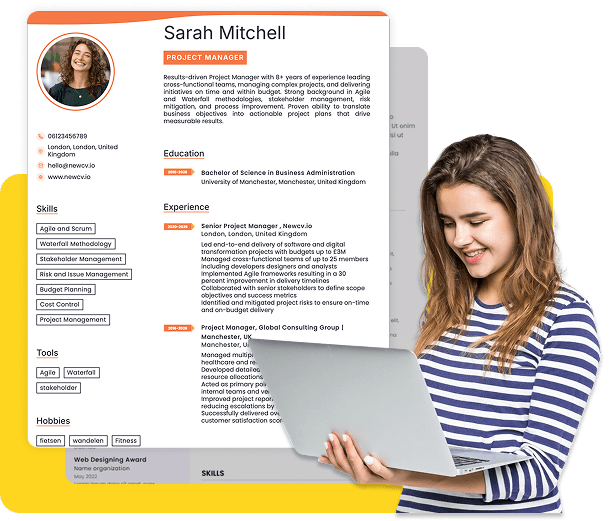
Use ATS-optimised Resume and resume templates that pass applicant tracking systems. Our Resume builder helps recruiters read, scan, and shortlist your Resume faster.

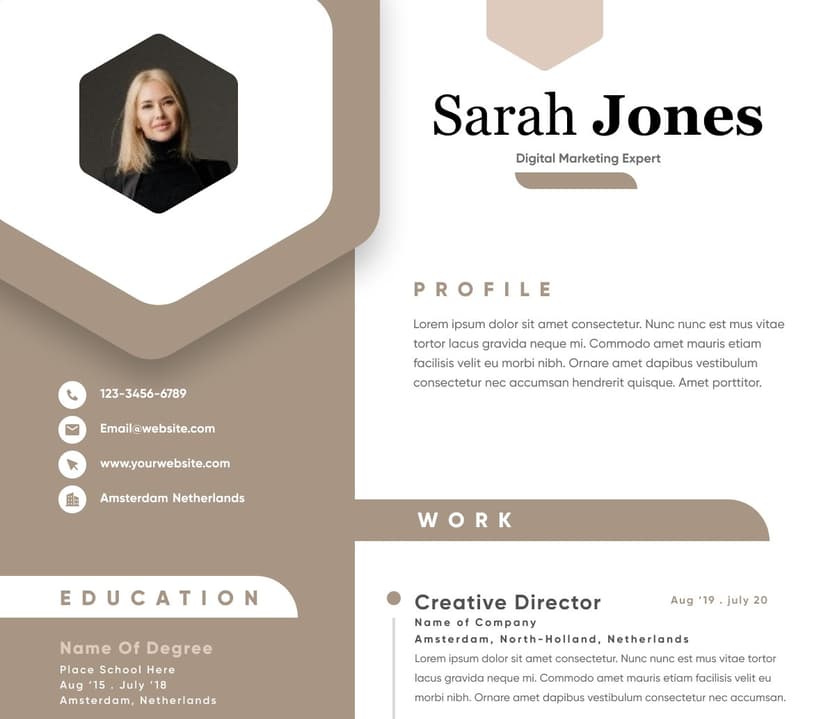
Use professional field-tested resume templates that follow the exact Resume rules employers look for.
Create Resume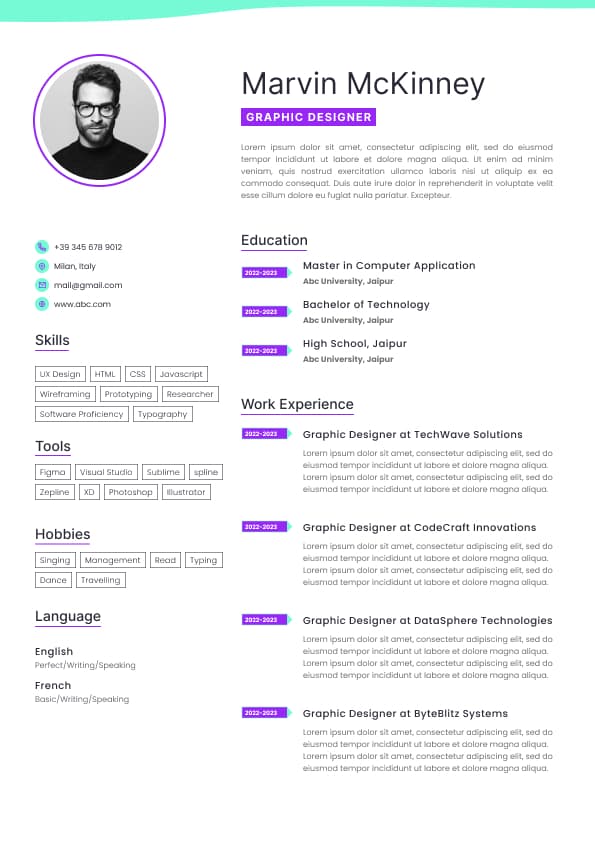
Use professional field-tested resume templates that follow the exact Resume rules employers look for.
Create ResumeIf you’re studying in Australia on a student visa, your work rights are tied directly to your visa conditions. Most international students can work up to 48 hours per fortnight during study periods and unlimited hours during scheduled course breaks. However, many students misunderstand what counts as “work”, how employers track hours, and what happens if they breach visa conditions.
This matters more than most students realise. A work rights breach can affect future visa applications, graduate visa eligibility, sponsorship opportunities, and even permanent residency pathways. Employers in Australia also regularly check visa entitlements before hiring, particularly in hospitality, retail, healthcare, childcare, and warehouse roles.
Understanding your legal work rights is not just about staying compliant. It directly affects your employability, income stability, and long-term migration options in Australia. The students who navigate the system well usually understand three things early:
How Australian work rights actually operate in practice
What employers expect from student visa holders
Which mistakes trigger compliance issues or hiring red flags
This guide explains exactly how student work rights work in Australia, what employers can and cannot do, how hour limits are calculated, and how to protect yourself while working.
Most international students holding a Subclass 500 student visa can legally work in Australia if:
Their course has commenced
Their visa includes work rights
They remain enrolled in a registered course
They continue meeting attendance and academic requirements
In practice, almost all student visas issued for higher education, vocational education, university, TAFE, and many English-language programs include work rights.
However, you cannot legally start working before your course officially begins, even if:
You arrived in Australia early
You already have a job offer
Your employer wants you to start immediately
This is one of the most common accidental breaches among new arrivals.
Most student visa holders can work:
Up to 48 hours per fortnight during study periods
Unlimited hours during official course breaks and holidays
A fortnight means a fixed 14-day period, not a calendar week.
This distinction causes major confusion.
The following generally count as work hours:
Paid shifts
Unpaid training if it involves productive work
Trial shifts
Certain internships outside course requirements
Work performed remotely for Australian businesses
Many students wrongly assume unpaid work does not count. If you are performing duties that benefit the business, those hours may still be considered work.
These activities are usually excluded:
Mandatory placements required by your course
Volunteer work for genuine not-for-profit organisations
Self-directed study
Unpaid observational learning without productive work
The distinction matters because some employers misuse “volunteer” arrangements to bypass wage laws.
Most employers are not concerned about hiring international students if:
Your work rights are clear
Your availability is realistic
You can reliably commit to shifts
Your English communication is functional for the role
You understand workplace expectations
The real hiring concern is usually scheduling flexibility, not nationality.
For casual student jobs, employers typically prioritise:
Reliability
Weekend availability
Communication skills
Ability to work independently
Consistency
Students often think they are rejected because of visa status when the real issue is:
Limited availability
Poor communication during interviews
Confusing resumes
Lack of local workplace understanding
Generally, no.
There are limited exceptions depending on:
Research-based postgraduate programs
Masters by research
PhD candidates
Certain sector-specific temporary government concessions
Course-related mandatory placements
Some students incorrectly rely on outdated online advice from temporary COVID-era exemptions that no longer apply.
Australian immigration systems are now significantly more data-linked than many students realise. Payroll reporting, tax records, and employer compliance systems can expose breaches.
Exceeding work limits repeatedly can create serious risks:
Visa cancellation
Future visa refusal
Graduate visa complications
Sponsorship concerns
Compliance flags in immigration records
Not every breach leads to immediate visa cancellation, but repeated or deliberate breaches are risky.
Australian immigration authorities assess:
Frequency of breaches
Severity
Intentional vs accidental conduct
Overall visa compliance history
Students who consistently work excessive hours often create another hidden problem: academic underperformance.
Poor attendance or failed subjects combined with excessive work hours becomes a major compliance concern.
From a recruiter perspective, students working extreme hours also raise practical concerns:
Burnout
Reliability issues
Schedule conflicts
High turnover risk
International students generally have the same workplace rights as Australian workers.
This includes:
Minimum wage protections
Penalty rates
Superannuation in eligible cases
Workplace safety rights
Protection from unfair treatment
Many students are underpaid because they:
Do not know award rates
Accept cash-in-hand arrangements
Fear losing shifts
Do not understand Australian workplace laws
Be cautious if an employer:
Pays significantly below award wages
Refuses payslips
Demands unpaid trial shifts
Pays only in cash
Avoids discussing tax
Threatens your visa status
Pressures you to work beyond legal limits
These are major warning signs.
Yes. You can work multiple jobs as long as your combined hours remain within visa limits.
This is where students commonly make mistakes.
Immigration compliance applies to your total work hours across all employers, not per employer.
For example:
Café job: 24 hours
Warehouse job: 20 hours
Delivery work: 10 hours
Total = 54 hours
That may breach your visa conditions during study periods.
Many students incorrectly assume employers monitor this automatically. They usually do not.
Responsibility sits with the visa holder.
The best student jobs usually balance:
Flexible scheduling
Stable hours
Fair pay
Skill development
Long-term employability
Popular sectors include:
Hospitality
Retail
Warehousing
Customer service
Tutoring
Aged care support
Administration
Delivery driving
Disability support
Call centres
However, the “best” job depends on your long-term goals.
Students who only chase immediate cash often delay career progression later.
The stronger long-term strategy is:
Build Australian experience early
Develop local references
Improve communication skills
Gain transferable experience
Position yourself for graduate employment
For example:
A business student working reception develops customer-facing communication
An IT student doing help desk support gains locally relevant technical exposure
A nursing student working aged care builds healthcare familiarity
These choices compound over time.
If you work legally in Australia, you generally need:
A Tax File Number (TFN)
A bank account
Superannuation contributions in eligible situations
Students sometimes accept entirely off-the-books work to maximise short-term cash.
This creates major long-term problems:
No employment records
No proof of experience
No tax history
No superannuation
Higher exploitation risk
Limited protection during disputes
Recruiters and hiring managers in Australia increasingly value verifiable local employment history.
Legitimate payroll employment strengthens:
Future resumes
Graduate applications
Sponsorship credibility
Professional references
Most recruiters do not automatically reject international students.
What they assess is:
Work rights clarity
Communication ability
Availability alignment
Employment stability
Professionalism
Long-term viability for the role
The biggest issues recruiters notice are:
Generic resumes
Poor interview communication
Unclear visa status
Unrealistic availability
Excessive job hopping
Lack of workplace awareness
Strong candidates usually:
Explain availability clearly
Present stable work history
Show local adaptability
Demonstrate professionalism
Understand Australian workplace culture
Communicate confidently but naturally
Simple clarity matters enormously.
Yes.
Australian employers are legally allowed to verify:
Work rights
Visa status
Work restrictions
Expiry dates
This is standard compliance practice.
Professional employers commonly request:
Visa grant notice
VEVO check permission
Passport identification
This is normal and not discriminatory when done for compliance purposes.
Most international students can work unlimited hours during official scheduled course breaks.
However, the break must be:
Officially recognised by your education provider
Part of the academic calendar
Many students wrongly assume:
Public holidays count
Exam gaps count
Quiet study weeks count
Not all non-class periods qualify as unrestricted work periods.
If uncertain, confirm directly with your institution.
Students increasingly work through:
Delivery apps
Freelance platforms
Remote customer support
Online tutoring
Content moderation
Digital freelancing
These jobs still generally count toward work limitations if:
The work is performed while in Australia
Income is generated through active labour
Students often incorrectly assume online work is invisible to immigration compliance systems.
That assumption is risky.
This is one of the most common breaches among new arrivals.
Students frequently calculate hours weekly instead of across rolling fortnight periods.
Short-term income can create:
Exploitation risk
No legal protection
Immigration exposure
Future employment problems
Missing payroll records make it difficult to:
Prove employment
Verify experience
Resolve disputes
Support future applications
Visa rules and concessions change regularly.
Many online forums contain:
Expired COVID-era exemptions
Incorrect migration advice
Misleading employer claims
The students who position themselves best in Australia usually focus on more than immediate income.
They build:
Australian workplace experience
Local professional references
Communication confidence
Industry exposure
Resume credibility
Compliance history
From a hiring perspective, this matters.
Graduate employers often favour candidates who already understand:
Australian workplace communication
Customer expectations
Team culture
Reliability standards
Professional accountability
Even entry-level local experience can create a major competitive advantage later.
If you work in Australia as an international student:
Keep copies of rosters and payslips
Track your hours carefully
Understand your visa conditions
Confirm your pay rate
Avoid undocumented work
Report unsafe workplaces
Maintain academic performance
Keep communication professional
The safest approach is simple:
Work legally, document everything, and think long term.


 Upload Resume
 Import from Linkedin