
Choose from a wide range of NEWCV resume templates and customize your NEWCV design with a single click.

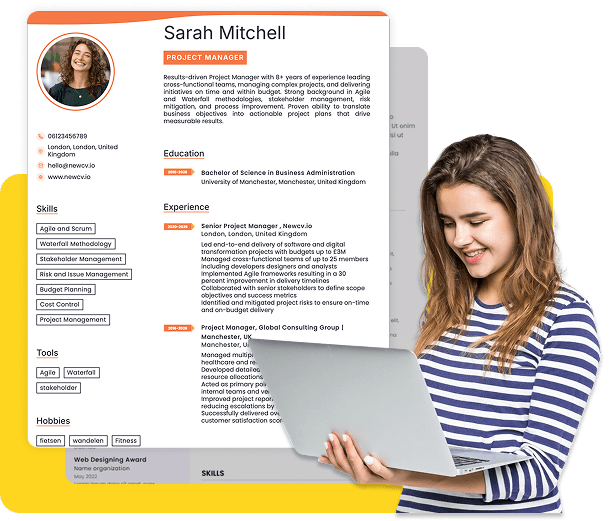
Use ATS-optimised Resume and resume templates that pass applicant tracking systems. Our Resume builder helps recruiters read, scan, and shortlist your Resume faster.

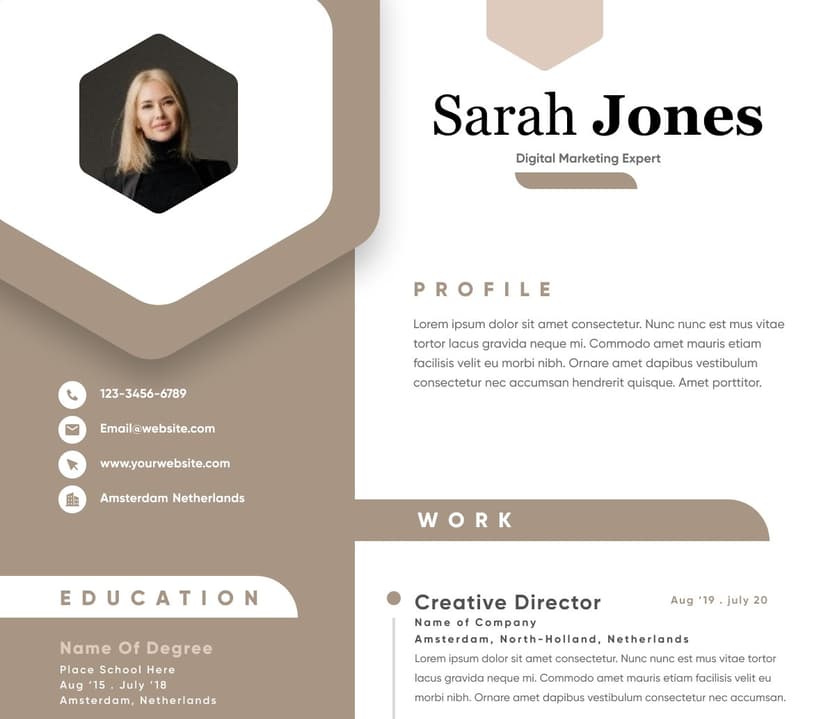
Use professional field-tested resume templates that follow the exact Resume rules employers look for.
Create Resume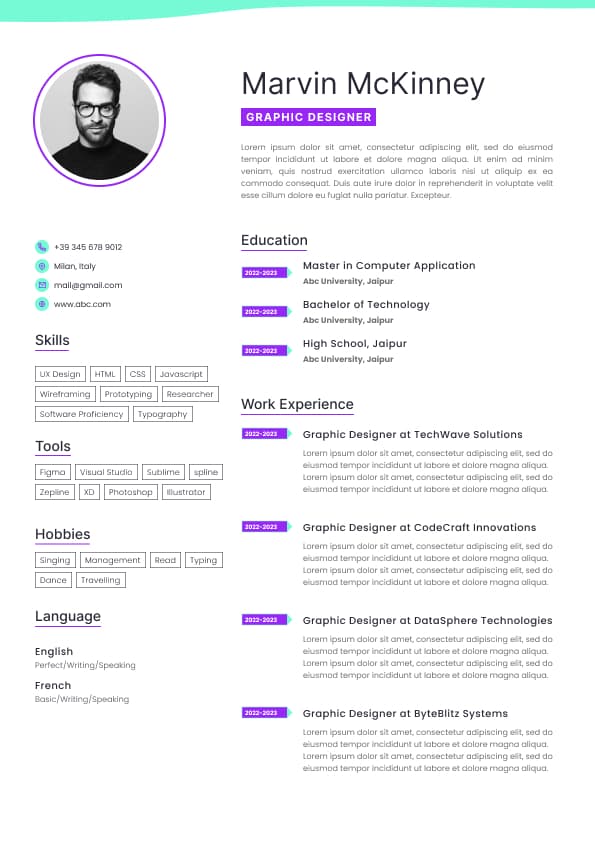
Use professional field-tested resume templates that follow the exact Resume rules employers look for.
Create ResumeAustralia does hire overseas candidates, but most applicants fail because they approach the market incorrectly. The biggest mistakes are applying without understanding visa eligibility, sending non-localised resumes, targeting the wrong employers, and applying through overloaded job boards with no positioning strategy.
To get a job in Australia from overseas, you need to do three things well:
•Target occupations and industries with genuine hiring demand
• Position yourself as “low-risk” to Australian employers
• Align your resume, applications, and visa strategy with Australian hiring expectations
Australian employers are generally pragmatic. They hire overseas candidates when there is a clear skills shortage, strong commercial value, or difficulty sourcing local talent. Your goal is not just to prove you are qualified. Your goal is to reduce perceived hiring friction.
The candidates who succeed usually understand how Australian recruiters think before they start applying.
Most overseas applicants assume Australian employers actively sponsor international talent across all industries. That is not how the market works.
In reality, Australian employers fall into three broad categories:
•Employers that regularly sponsor overseas candidates because they rely on global talent
• Employers open to sponsorship only when they cannot find suitable local candidates
• Employers that avoid sponsorship entirely due to cost, compliance, or hiring complexity
Your strategy depends heavily on which category your target employers fall into.
Industries with stronger overseas hiring pathways include:
•Healthcare
• Engineering
• Construction
• Mining and resources
• IT and cyber security
• Data and analytics
• Early childhood education
• Aged care
• Trades
• Infrastructure and renewable energy
Industries with heavy local competition and weaker sponsorship appetite include:
•General administration
• Marketing
• Entry-level business roles
• Retail
• Customer service
• Graduate programs
One of the biggest reasons overseas job applications fail is because the candidate does not clearly understand their visa pathway.
Australian recruiters do not want to decode complex immigration scenarios.
If your visa situation is unclear, many recruiters simply move on to easier candidates.
Skilled Independent Visa
Suitable for occupations on Australia’s skilled occupation lists.
Best for:
• Professionals with strong qualifications and experience
• Candidates wanting permanent residency pathways
• Applicants in shortage occupations
Strongest advantage:
• You do not require employer sponsorship
This dramatically improves employability because employers see lower hiring risk.
Employer Sponsored Visa
Typically used when an employer cannot source suitable local talent.
Best for:
• Highly skilled professionals
• Technical specialists
• Experienced candidates in shortage sectors
Important reality:
Many employers say “must have working rights” even if sponsorship is technically possible.
This is often a filtering mechanism to reduce recruitment complexity.
Working Holiday Visa
Useful for younger candidates from eligible countries.
Best for:
• Hospitality
• Tourism
• Regional work
• Temporary employment
• Initial Australian experience
This does not mean overseas candidates cannot get hired in competitive sectors. It means your positioning must be significantly stronger.
Australian employers prioritise candidates who appear employable immediately with minimal onboarding risk.
That means recruiters look for:
•English communication quality
• Local market understanding
• Visa clarity
• Resume quality
• Relevant experience alignment
• Stability and credibility
• Salary realism
• Availability timing
Most overseas applicants underestimate how heavily visa uncertainty affects recruiter decision-making.
Not ideal for:
• Long-term professional career positioning
Student Visa Pathway
Common for overseas candidates transitioning into Australian employment.
Important nuance:
Australian qualifications can significantly improve hiring outcomes because they reduce employer concerns around local adaptation.
Do not assume your occupation has strong hiring demand just because it is respected globally.
Australian demand is highly specific.
For example:
•Some engineering disciplines have strong shortages
• Others are heavily saturated
• Some IT specialisations attract sponsorship
• Generalist IT support roles may not
Research:
•National Skills Commission shortage lists
• State occupation lists
• LinkedIn job volume
• SEEK demand trends
• Employer sponsorship patterns
Look beyond job title volume alone.
The critical question is:
“Are employers struggling to fill these roles locally?”
That is what drives overseas hiring.
A major reason overseas applicants get rejected is because their resume immediately signals “high-risk international candidate”.
Australian resumes are typically:
•Clear and achievement-focused
• Commercial rather than overly academic
• Direct and concise
• Written in strong professional English
• Easy to scan quickly
Recruiters usually scan resumes in under 30 seconds initially.
They look for:
•Relevant experience match
• Industry alignment
• Career stability
• Seniority level
• Communication quality
• Visa/work rights clarity
Overly Long Resumes
Australian resumes are usually:
•2 to 4 pages for most professionals
• Longer only for executive, academic, or government roles
Generic Responsibilities Instead of Outcomes
Australian hiring managers care about impact.
Weak Example
“Responsible for managing sales team.”
Good Example
“Led a 12-person sales team that increased annual revenue by 24% across the NSW territory.”
Poor English Flow
Even technically qualified candidates can be rejected if the resume feels difficult to read.
Recruiters often interpret weak written communication as future workplace friction.
No Visa Information
Australian recruiters want clarity quickly.
Include:
• Visa status
• Working rights
• Sponsorship requirement if relevant
Do not make recruiters guess.
Generally no.
Australian resumes typically do not include:
•Photos
• Date of birth
• Marital status
• Religion
These are not standard in Australian recruitment.
Many overseas candidates focus only on applications.
But Australian recruiters heavily use LinkedIn sourcing.
A poorly positioned LinkedIn profile can undermine even a strong resume.
•What role do you do?
• What level are you?
• What industries do you work in?
• Are you relevant to Australia?
• What is your visa situation?
• Are you available for relocation?
Use an Australian-Friendly Headline
Avoid vague global buzzwords.
Weak Example
“Results-driven dynamic business leader passionate about innovation.”
Good Example
“Civil Engineer | Renewable Infrastructure Projects | Open to Relocation to Australia”
Add Australian Keywords
Recruiters search using local terminology.
Examples:
• Resume instead of CV in many sectors
• WHS instead of OSHA equivalents
• Procurement instead of purchasing in some contexts
Show Market Alignment
Mention:
• Australian standards familiarity
• Local compliance knowledge
• Relevant software used in Australia
• Industry frameworks recognised locally
Most overseas applicants fail because they apply to hundreds of roles indiscriminately.
Australian recruiters can usually detect mass applications instantly.
Employers already perceive overseas applicants as higher effort.
A generic application increases perceived risk further.
Target:
• Employers with sponsorship history
• Shortage industries
• Regional employers
• Companies already employing international talent
Then tailor:
• Resume
• Cover letter
• Positioning
• Visa explanation
Quality beats quantity in the Australian market.
Many articles make sponsorship sound common and straightforward.
In reality, sponsorship is selective.
Employers usually sponsor candidates only when:
•The skill shortage is genuine
• The candidate is difficult to replace locally
• The role generates strong business value
• The candidate appears highly stable and committed
Relocation Risk
Employers worry candidates may:
• Struggle culturally
• Leave quickly
• Fail to settle in Australia
Visa Complexity
Some employers avoid sponsorship because:
• Internal HR lacks immigration knowledge
• Legal processes feel burdensome
• Timelines are uncertain
Salary Thresholds
Sponsorship often requires salary compliance thresholds that may exceed employer budgets.
Some industries are far more practical for overseas job seekers.
Australia has persistent shortages across:
•Nursing
• Aged care
• Allied health
• Regional healthcare
International recruitment is common.
Particularly strong in:
• Civil
• Mining
• Infrastructure
• Energy
• Rail
Large projects often create sustained hiring demand.
Still viable, but more competitive than during peak hiring years.
Strongest areas include:
• Cyber security
• Cloud engineering
• Data engineering
• AI and machine learning
• Enterprise architecture
Weakest areas for overseas sponsorship:
• Junior developers
• Generalist IT support
• Entry-level analysts
Australia continues to experience shortages in multiple skilled trades.
Regional opportunities can be especially strong.
Many overseas candidates rely entirely on SEEK or LinkedIn Easy Apply.
That is rarely enough.
•SEEK
• LinkedIn
• Indeed Australia
• Workforce Australia
• EthicalJobs for purpose-driven sectors
But the real advantage comes from combining applications with direct positioning.
After applying:
• Connect with recruiters on LinkedIn
• Contact hiring managers where appropriate
• Follow up professionally
• Reference visa eligibility clearly
This reduces the chance of your application being filtered out early.
This is one of the biggest frustrations for overseas candidates.
But many applicants misunderstand what employers actually mean.
Usually, “Australian experience” is shorthand for concerns about:
•Communication style
• Workplace expectations
• Local systems knowledge
• Stakeholder management
• Compliance familiarity
• Adaptability
Highlight Internationally Transferable Experience
Focus on:
• Similar markets
• Multinational companies
• Global standards
• Cross-cultural work
Show Local Familiarity
Mention:
• Australian regulations
• Industry frameworks
• Market exposure
• Local software platforms
Gain Australian Exposure Where Possible
This could include:
• Contract work
• Freelance projects
• Remote Australian clients
• Certifications recognised in Australia
• Networking with local professionals
A large percentage of Australian hiring happens through relationships, referrals, and recruiter networks.
Overseas candidates often underestimate this.
Connect With Specialist Recruiters
Not all recruiters handle sponsorship or international hiring.
Focus on recruiters working in:
• Skill shortage sectors
• Technical recruitment
• Regional hiring
Join Australian Industry Communities
Examples:
• LinkedIn groups
• Professional associations
• Industry webinars
• Australian conferences
Build Genuine Relationships
Do not immediately ask for sponsorship.
Instead:
• Ask intelligent market questions
• Show industry understanding
• Demonstrate credibility
Recruiters remember candidates who appear commercially aware and realistic.
Australian interviews are usually less formal than some international markets, but still highly assessment-driven.
Hiring managers value:
•Clear communication
• Practical thinking
• Team fit
• Reliability
• Humility with confidence
Overly Scripted Answers
Australian interview culture generally prefers direct, natural communication.
Inflated Claims
Hiring managers often probe deeply.
If achievements sound exaggerated, trust drops quickly.
Weak Understanding of the Australian Market
Candidates who cannot discuss:
• Industry trends
• Local challenges
• Regulatory context
• Market conditions
often appear underprepared.
•Practical examples
• Measurable outcomes
• Calm communication
• Commercial awareness
• Accountability
Many overseas candidates focus only on Sydney or Melbourne.
This increases competition significantly.
Regional Australia often offers:
•Stronger labour shortages
• Greater sponsorship openness
• Lower competition
• Faster hiring
Especially in:
• Healthcare
• Construction
• Trades
• Agriculture
• Mining
• Education
Regional pathways can become long-term career opportunities, not just entry points.
The candidates who secure Australian jobs fastest usually have several of these advantages:
•Occupation in genuine shortage
• Strong English communication
• Clear visa pathway
• Australian-style resume
• LinkedIn optimisation
• Relevant technical expertise
• Realistic salary expectations
• Local market understanding
• Strong recruiter engagement
• Geographic flexibility
Most importantly, they reduce employer uncertainty.
That is the hidden hiring principle many overseas applicants miss.
Australian employers do hire international talent. But they prioritise candidates who feel employable immediately, not candidates who create additional complexity.
This wastes enormous time and creates frustration.
A technically strong candidate can still be rejected instantly if their resume feels unfamiliar to Australian recruiters.
Applications alone rarely create enough visibility in competitive markets.
Some occupations receive massive local competition.
Overseas applicants need a stronger strategic advantage.
Recruiters are evaluating:
• Hiring risk
• Time pressure
• Compliance
• Retention likelihood
Not just qualifications.
If you want realistic results, approach Australia strategically rather than emotionally.
The strongest approach is usually:
•Confirm visa pathways first
• Target genuine shortage sectors
• Localise your resume and LinkedIn
• Focus on employers with sponsorship history
• Build recruiter relationships
• Position yourself as low-risk and commercially valuable
• Be flexible on location initially
• Tailor every application carefully
Australia can absolutely be accessible for overseas candidates, but the process rewards candidates who understand how hiring decisions are actually made.
The market is competitive, practical, and efficiency-driven.
The more employable you appear from day one, the stronger your chances become.


 Upload Resume
 Import from Linkedin