
Choose from a wide range of NEWCV resume templates and customize your NEWCV design with a single click.

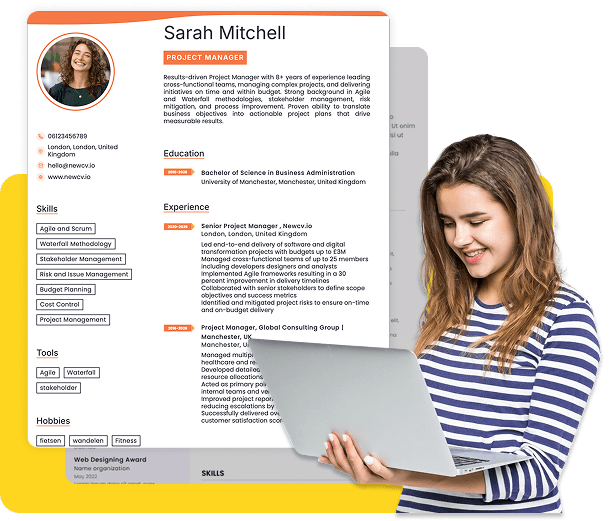
Use ATS-optimised Resume and resume templates that pass applicant tracking systems. Our Resume builder helps recruiters read, scan, and shortlist your Resume faster.

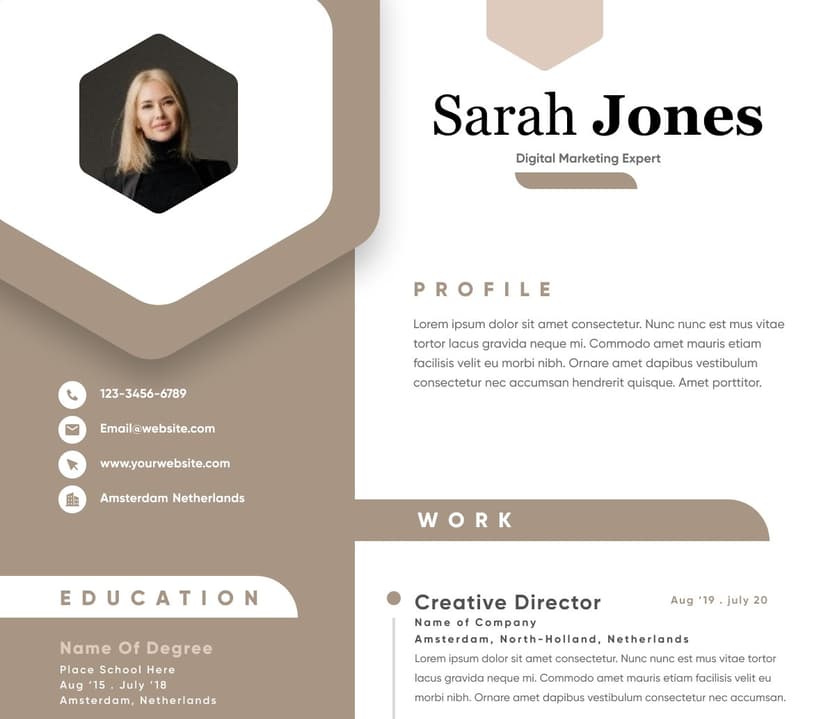
Use professional field-tested resume templates that follow the exact Resume rules employers look for.
Create Resume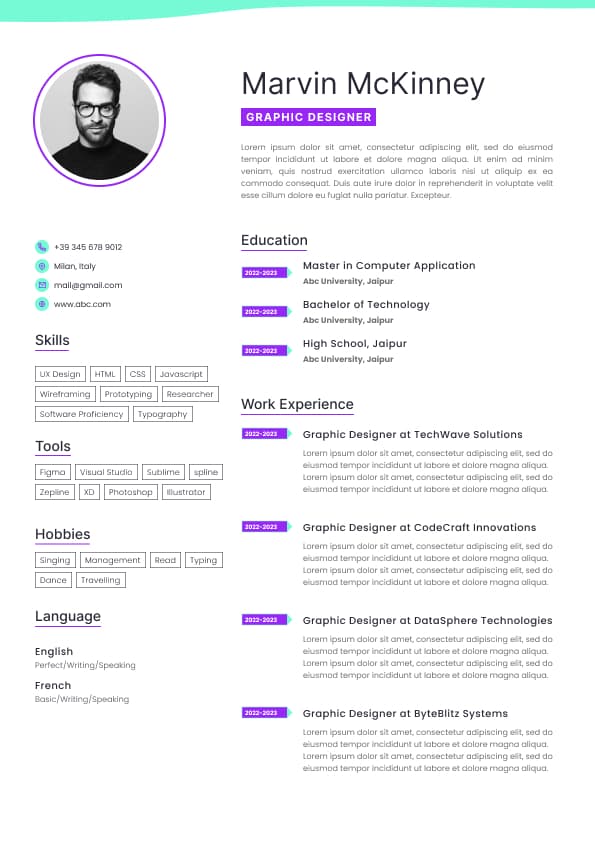
Use professional field-tested resume templates that follow the exact Resume rules employers look for.
Create ResumeIf you’re applying for Australian Permanent Residency (PR), your resume is not just a career document. It often becomes part of how employers, recruiters, migration agents, skills assessors, and hiring managers evaluate your professional credibility in the Australian market.
A weak resume can create problems long before the interview stage. It can reduce interview opportunities, trigger concerns about local fit, create inconsistencies during skills assessments, or make overseas experience harder to validate. A strong Australian-style resume positions you as employable in Australia, aligns with recruiter expectations, and supports both migration and job search outcomes.
The biggest mistake PR applicants make is using resumes designed for another country. Australian hiring managers expect a different structure, different wording, different levels of detail, and a more practical presentation style. What works in India, the UK, the Middle East, Europe, or Canada often underperforms in Australia.
This guide explains exactly how to write a resume for Australian PR applications, including what recruiters actually look for, what gets rejected, and how to position overseas experience properly in the Australian market.
Australian resumes are practical, achievement-focused, and written for quick screening. Recruiters here are generally less impressed by inflated language and more interested in clear evidence of capability.
A strong Australian resume typically includes:
A concise professional summary
Clear job titles and employment dates
Measurable achievements
Industry-relevant keywords
Practical responsibilities tied to outcomes
ATS-friendly formatting
Straightforward language without excessive buzzwords
Yes, in most cases you should.
Australian employers often screen candidates based on work rights very early in the process. If your visa situation is unclear, recruiters may assume sponsorship is required and move on to another candidate.
If you already have PR:
Good Example
Permanent Resident with full working rights in Australia.
If your PR is in progress:
Good Example
Australian Permanent Residency application in progress. Full work rights available until [date].
If you are offshore and planning relocation:
Good Example
Preparing relocation to Australia following PR approval. Available for remote interviews and relocation planning.
Avoid vague wording such as:
Weak Example
Eligible to work in Australia.
Recruiters want clarity, not ambiguity.
A clean chronological structure
Australian recruiters also tend to value transparency. Gaps, contract work, migration status, and overseas experience are not automatically negative if presented clearly and professionally.
What recruiters dislike:
Generic career objectives
Long personal statements
Overdesigned templates
Unclear visa status
Unverified claims
Massive paragraphs
Excessive technical jargon without business context
Copy-pasted responsibilities with no achievements
In Australia, hiring managers usually skim resumes quickly before deciding whether to continue reading. If your value is not obvious within the first page, your chances drop significantly.
For most professional roles in Australia:
Early career: 2 pages
Mid-level professionals: 2 to 3 pages
Senior professionals: 3 to 4 pages maximum
Australian recruiters generally tolerate slightly longer resumes than some overseas markets, especially when overseas experience requires explanation. However, every section still needs to earn its place.
A bloated 5-page resume filled with generic duties will usually perform worse than a focused 2-page document with clear achievements.
The reverse chronological format is the standard in Australia.
This means:
Most recent role first
Clear employment dates
Employer names clearly visible
Logical career progression
Consistent formatting throughout
Avoid:
Functional resumes
Graphic-heavy layouts
Multi-column designs
Resume infographics
Tables that break ATS systems
Photos or headshots
Photos are generally not expected in Australian resumes unless the industry specifically requires them.
Most PR applicants underestimate how differently recruiters evaluate overseas candidates.
Recruiters are usually asking:
Can this person operate effectively in an Australian workplace?
Is their experience transferable?
Do they understand local communication standards?
Will clients or teams understand their background?
Can they explain technical experience clearly?
Is their career progression credible?
Are their achievements measurable?
Are they likely to require sponsorship complications?
This means your resume needs to translate your experience into Australian market relevance.
For example, many overseas resumes focus heavily on responsibilities. Australian recruiters prefer impact.
Instead of:
Weak Example
Responsible for managing customer operations and handling escalations.
Use:
Good Example
Managed customer escalations across a portfolio of 120+ enterprise clients, reducing resolution turnaround times by 28%.
The second version demonstrates business value, scale, and measurable impact.
That is what recruiters remember.
One of the biggest challenges for PR applicants is making overseas experience feel relevant locally.
Australian recruiters do not automatically dismiss overseas experience. The real issue is whether they can understand it quickly and trust its relevance.
You need to help them interpret your background.
If your employer is unknown in Australia, add context.
Good Example
Senior Software Engineer
Infosys, Bangalore, India
Global IT consulting firm supporting enterprise banking clients across APAC.
This instantly helps Australian recruiters understand scale and legitimacy.
Many applicants use terms that are common overseas but uncommon in Australia.
Examples:
“Marks” → “grades”
“Post graduation” → “postgraduate qualification”
“CV” may still be acceptable, but “resume” is more commonly used in private-sector hiring
“Team lead” may be better written as “Team Leader” depending on industry convention
Small localisation improvements make your resume feel more aligned with Australian expectations.
Australian employers care less about geography and more about outcomes.
Strong transferable achievements include:
Revenue growth
Cost reduction
Compliance improvements
Team leadership
Operational efficiency
Stakeholder management
Project delivery
Customer satisfaction
Risk reduction
Systems implementation
If your resume demonstrates commercially valuable outcomes clearly, overseas experience becomes much easier to sell.
Your summary should immediately position you for the Australian market.
It should answer:
What do you do?
How experienced are you?
What industries have you worked in?
What value do you bring?
What is your Australian work eligibility status?
A strong summary is usually 3 to 5 lines.
Good Example
Project Manager with 8+ years of experience delivering infrastructure and technology projects across banking and telecommunications sectors. Strong background in stakeholder management, Agile delivery, and cross-functional leadership. Experienced managing multimillion-dollar projects across APAC environments. Australian Permanent Resident with full working rights.
Avoid generic statements like:
Weak Example
Hardworking and motivated professional seeking opportunities to grow.
Recruiters ignore this instantly.
Your skills section should support ATS optimisation and recruiter scanning.
Include:
Technical skills
Software platforms
Industry tools
Methodologies
Certifications
Relevant operational capabilities
Avoid vague filler such as:
Leadership
Team player
Communication skills
Hardworking
Fast learner
These should be demonstrated through achievements, not listed as standalone skills.
This is the section recruiters spend the most time reading.
For each role include:
Job title
Employer
Location
Dates
Short company description if needed
Key achievements
Core responsibilities
Your achievements should ideally include:
Numbers
Scale
Results
Business impact
Operational outcomes
Australian recruiters strongly prefer evidence-based resumes.
Include:
Degree name
Institution
Graduation year
Relevant honours or distinctions if applicable
You do not usually need:
School-level education once professionally experienced
Detailed coursework
GPA unless specifically strong and relevant
This section matters heavily in Australia for many industries.
Examples include:
CPA Australia
CA ANZ
PMP
AWS
Cisco
White Card
Trade licences
AHPRA registration
Engineers Australia accreditation
Australian employers often use certifications as credibility shortcuts for overseas candidates.
Most medium and large Australian employers use Applicant Tracking Systems (ATS).
If your resume is poorly optimised, recruiters may never see it properly.
Key ATS principles:
Use standard headings
Avoid graphics and icons
Use clean formatting
Match keywords from the job ad naturally
Use readable fonts
Submit in PDF unless Word is requested
Avoid keyword stuffing
A major mistake PR applicants make is creating one generic resume for every application.
Australian recruiters expect tailoring.
Your resume should adapt based on:
Industry
Seniority
Role type
Keywords
Employer priorities
Australian hiring culture generally values clarity over corporate jargon.
Overwritten resumes often feel inauthentic.
Avoid phrases like:
Dynamic thought leader
Results-oriented synergistic professional
Strategic visionary
Use direct language instead.
If recruiters cannot quickly determine your eligibility to work in Australia, many will move on immediately.
Transparency helps.
Many resumes fail because they look unfamiliar to Australian recruiters.
Common issues include:
Personal details overload
Photos
Marital status
Passport details
Religious information
National ID numbers
These are generally unnecessary in Australian resumes.
Responsibilities explain what your job was.
Achievements explain why you performed well.
Australian recruiters prioritise achievements.
Every market has its own hiring language.
For example:
“Stakeholder engagement”
“Cross-functional collaboration”
“Operational delivery”
“Compliance”
“Continuous improvement”
“Customer outcomes”
These phrases appear frequently in Australian job ads and influence ATS matching.
If you already live in Australia, yes.
If you are offshore, avoid using a fake Australian address.
Instead, be transparent.
Example:
Relocating to Melbourne following PR approval.
Recruiters appreciate honesty more than manipulation.
Hiring managers are usually trying to reduce risk.
Their concerns often include:
Communication ability
Local workplace adaptation
Technical capability
Team fit
Industry familiarity
Long-term retention
Availability
Salary expectations
Your resume should reduce uncertainty.
The best PR applicant resumes create confidence by showing:
Clear communication
Strong career progression
Practical achievements
Professional stability
Alignment with Australian workplace expectations
A strong resume makes the recruiter feel the transition to Australia will be smooth.
That is the real goal.
No.
But you do need to position your experience properly.
Many PR applicants assume they are unemployable without local experience. That is not always true.
Australian employers hire overseas professionals regularly when they can clearly see:
Relevant transferable skills
Strong communication
Commercial impact
Industry alignment
Stable work history
Practical capability
What hurts candidates is usually poor positioning, not lack of Australian experience itself.
It depends on your situation.
Professional help is usually most valuable when:
Transitioning industries
Moving from overseas markets
Applying for senior roles
Struggling to get interviews
Needing ATS optimisation
Positioning highly technical experience
However, many resume services produce generic content.
A good Australian resume writer understands:
ATS systems
Recruiter behaviour
Australian hiring culture
Market-specific positioning
Industry expectations
Achievement-focused writing
The quality difference is enormous.
The strongest resumes for Australian PR applicants do not try to impress with complexity.
They build trust.
Australian recruiters want resumes that are:
Clear
Credible
Relevant
Achievement-focused
Easy to scan
Commercially aligned
Honest about work rights and relocation status
If your resume quickly demonstrates business value and reduces hiring uncertainty, your overseas background becomes far less of a barrier.
Most PR applicants fail because they present themselves like overseas candidates trying to enter Australia.
The strongest candidates position themselves as professionals already aligned with Australian workplace expectations.
That shift changes everything.


 Upload Resume
 Import from Linkedin