
Choose from a wide range of NEWCV resume templates and customize your NEWCV design with a single click.

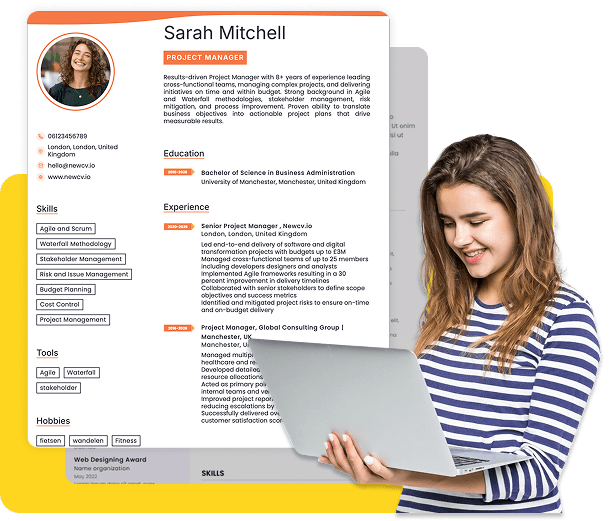
Use ATS-optimised Resume and resume templates that pass applicant tracking systems. Our Resume builder helps recruiters read, scan, and shortlist your Resume faster.

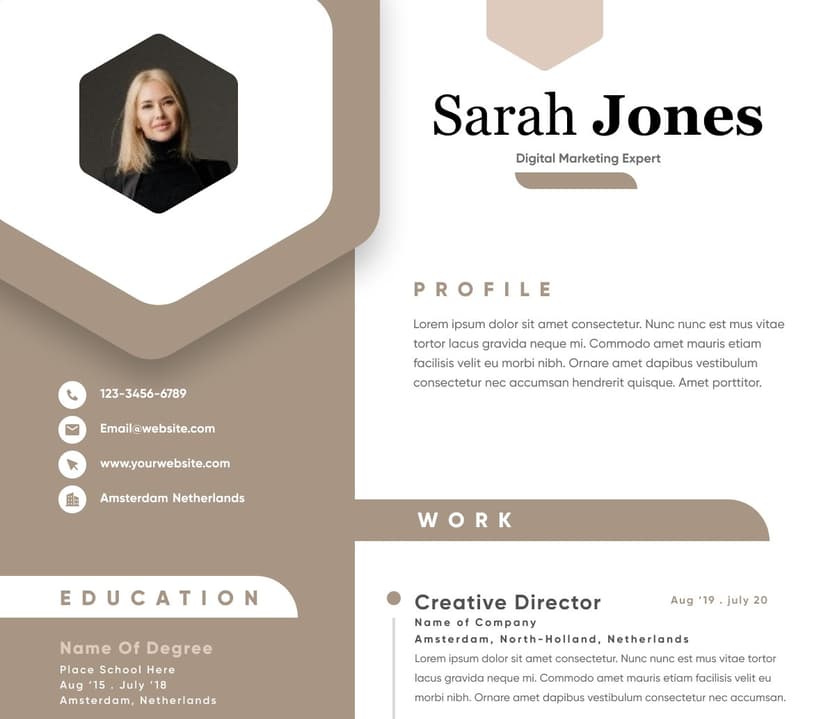
Use professional field-tested resume templates that follow the exact Resume rules employers look for.
Create Resume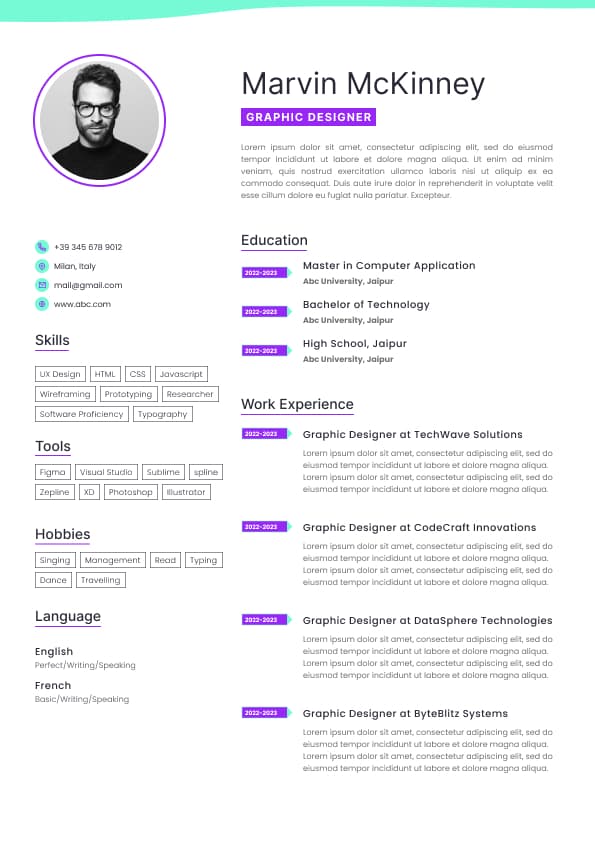
Use professional field-tested resume templates that follow the exact Resume rules employers look for.
Create ResumeIf you’re applying for aged care jobs in Australia, your resume needs to do more than list duties. Hiring managers want evidence that you can safely care for vulnerable people, communicate professionally, handle emotional pressure, and work reliably within Australian care standards.
Most aged care resumes fail because they are too generic, too task-focused, or written like a nursing home duty list. Recruiters skim resumes quickly. If your resume does not immediately show relevant care experience, compliance knowledge, and people skills, you will likely miss out even if you are qualified.
A strong aged care resume in Australia should clearly demonstrate:
Experience supporting elderly clients with dignity and compassion
Knowledge of personal care, mobility support, infection control, and documentation
Reliability, teamwork, and communication skills
Relevant Australian certifications and checks
In aged care recruitment, hiring managers usually screen resumes in under a minute during the first pass. They are looking for immediate indicators that you can work safely, professionally, and reliably with elderly residents or clients.
The strongest resumes quickly answer these questions:
Do you have relevant aged care or disability support experience?
Do you hold the required qualifications and checks?
Can you handle personal care and emotional demands?
Are you dependable and suitable for shift-based work?
Do you understand Australian care standards and documentation?
Have you worked in residential care, home care, or community settings?
Most employers are not expecting perfect resumes. They are looking for low-risk hires who can integrate smoothly into care teams and provide safe, compassionate support.
For most aged care positions, a reverse chronological resume format works best.
This format helps recruiters quickly assess:
Your recent care experience
Employment stability
Progression within care roles
Relevant facilities or organisations you have worked for
Your resume should typically include:
Professional summary
Core skills
Work experience
Ability to work within aged care standards and compliance requirements
This guide explains exactly how to structure an aged care resume that works in the Australian job market, what recruiters actually look for, common mistakes that cost candidates interviews, and how to position yourself competitively whether you are experienced or trying to enter the industry for the first time.
That means your resume must focus less on generic buzzwords and more on practical evidence.
Qualifications and certifications
Mandatory checks and licences
References
Avoid creative layouts, graphics, columns, or heavily designed templates. Most aged care providers use Applicant Tracking Systems (ATS), and complicated formatting can cause parsing issues.
Simple, clean formatting performs better.
For Australian aged care roles:
Entry-level candidates: 1 to 2 pages
Experienced candidates: 2 to 3 pages maximum
Long resumes packed with repetitive duties often hurt applications.
Recruiters do not need five different versions of:
Assisted residents with daily living activities
Provided personal care
Maintained resident dignity
Instead, focus on outcomes, responsibilities, complexity, and environment.
Your professional summary is one of the most important sections because recruiters often decide within seconds whether to keep reading.
A strong summary should immediately communicate:
Your experience level
Type of care environment
Key strengths
Certifications or compliance relevance
Reliability and patient-centred approach
“Hardworking aged care worker with good communication skills seeking a new opportunity.”
This says almost nothing useful.
“Compassionate Aged Care Support Worker with 4 years of experience providing personal care, mobility assistance, dementia support, and emotional care within residential aged care facilities across Melbourne. Skilled in manual handling, infection control, care documentation, and supporting residents with dignity and respect. Holds Certificate III in Individual Support, NDIS Worker Screening Check, National Police Check, and current First Aid certification.”
This works because it immediately reduces recruiter uncertainty.
Recruiters scan skills sections quickly. Generic soft skills alone are not enough.
The strongest aged care resumes combine:
Technical care skills
Compliance-related skills
Communication skills
Emotional capability
Team-based care capability
Strong skills commonly include:
Personal care assistance
Dementia support
Palliative care support
Mobility assistance
Manual handling
Medication assistance
Infection prevention and control
Behavioural support
Resident documentation
Meal assistance
Falls prevention
Pressure care
Emotional support
Family communication
Care plan implementation
Shift handover communication
WHS compliance
Aged Care Quality Standards awareness
Avoid overloading this section with vague phrases like:
Team player
Hard worker
Fast learner
Good communicator
These only matter if demonstrated through experience.
This is where most resumes either win or fail.
Recruiters want evidence that you can function effectively in real care environments.
Strong experience sections focus on:
Level of responsibility
Resident care complexity
Environment type
Compliance awareness
Outcomes and reliability
Helped residents with daily activities
Worked with staff
Provided support
These points are too vague and interchangeable.
Provided personal care support for up to 12 high-care residents per shift, including showering, grooming, toileting, dressing, and mobility assistance
Supported residents living with dementia using calm communication and behaviour management strategies to reduce distress and escalation
Maintained accurate progress notes and incident documentation in line with facility compliance requirements
Assisted nursing staff with manual handling procedures using hoists and mobility equipment safely
Supported infection control protocols, PPE procedures, and hygiene standards during outbreak management periods
Built positive relationships with residents and families through respectful and compassionate communication
These bullet points show capability, professionalism, and operational readiness.
Many Australian aged care providers use ATS software to filter resumes before a recruiter even sees them.
That means relevant keywords matter.
Important aged care resume keywords may include:
Aged care
Personal care assistant
PCA
Assistant in Nursing
Individual support
Dementia care
Residential aged care
Community care
Home care
Infection control
Medication assistance
Manual handling
Care plans
NDIS
Behaviour support
Personal care
Resident care
Mobility assistance
Palliative care
WHS
Clinical documentation
The key is natural integration.
Keyword stuffing looks artificial and weakens readability.
For many aged care roles, missing certifications can automatically exclude you.
Common requirements include:
Certificate III in Individual Support (Ageing)
First Aid and CPR certification
National Police Check
NDIS Worker Screening Check
Working With Children Check in some community roles
Manual handling training
Infection control training
Driver licence for community care roles
Place these clearly and prominently on your resume.
Do not hide mandatory checks at the bottom.
Many employers are open to entry-level applicants if the resume demonstrates genuine suitability for care work.
If you have no direct aged care experience, focus on transferable strengths.
Relevant experience may include:
Disability support
Childcare
Hospitality
Community volunteering
Cleaning or domestic assistance
Customer service
Family caregiving responsibilities
The key is positioning.
Recruiters are trying to assess whether you can:
Handle vulnerable people respectfully
Work shifts reliably
Follow procedures
Stay calm under pressure
Communicate professionally
Compassion and emotional maturity
Reliability and attendance
Willingness to learn
Communication skills
Teamwork
Relevant training or placements
Physical capability for care work
“Completed practical placement within a residential aged care facility supporting residents with personal care, meal assistance, companionship, and mobility support under supervision.”
This immediately gives credibility.
Anyone can copy duties from a job description.
Recruiters want proof you can actually perform.
Saying you are caring or compassionate means very little without evidence.
Show it through examples.
If recruiters cannot quickly confirm compliance requirements, many will move on immediately.
Retail or hospitality experience can help if framed correctly.
For example:
Handling difficult situations calmly
Working rotating shifts
Supporting vulnerable customers
Maintaining hygiene standards
Large blocks of text reduce readability and increase rejection risk.
In competitive hiring markets, the strongest resumes do three things exceptionally well:
Recruiters are trying to avoid poor hires.
A strong resume communicates:
Reliability
Safety awareness
Emotional maturity
Compliance understanding
Stability
Residential aged care, home care, disability support, and dementia care all require slightly different positioning.
Tailored resumes perform significantly better.
Technical skills matter, but aged care employers also assess:
Patience
Respectful communication
Emotional resilience
Resident dignity
Family interaction capability
Candidates who sound robotic or overly corporate often perform worse than those who sound genuine and grounded.
Different aged care roles prioritise different strengths.
Focus on:
Personal care
Shift work
High-care residents
Team-based environments
Documentation
Manual handling
Focus on:
Independence support
Travel flexibility
Relationship-building
Community support
Time management
Driver licence and transport
Focus on:
Behavioural support
Patience
Emotional regulation
De-escalation techniques
Communication approaches
Focus on:
Engagement
Social support
Activity planning
Emotional wellbeing
Group facilitation
Yes, especially in aged care.
Many providers value communication style and empathy heavily.
A strong cover letter can help demonstrate:
Genuine motivation for care work
Cultural alignment
Communication ability
Commitment to resident wellbeing
This is particularly useful for:
Entry-level applicants
Career changers
Candidates with employment gaps
Compassionate and reliable Aged Care Support Worker with 5 years of experience supporting elderly residents within residential and community care environments across Brisbane. Skilled in personal care, dementia support, manual handling, infection control, and resident documentation. Strong reputation for respectful communication, emotional resilience, and delivering person-centred care aligned with Australian aged care standards. Holds Certificate III in Individual Support (Ageing), current First Aid certification, National Police Check, and NDIS Worker Screening clearance.
Personal care assistance
Dementia support
Mobility and transfer assistance
Infection control
Manual handling
Medication assistance
Emotional support
Care documentation
Behaviour management
Palliative support
Family communication
WHS compliance
Aged Care Support Worker
BlueCare | Brisbane QLD
2022 – Present
Delivered daily personal care support for residents within a high-care aged care facility
Assisted residents with mobility, hygiene, dressing, grooming, toileting, and meal support
Maintained accurate care documentation and shift notes aligned with facility standards
Supported residents living with dementia using calm communication and behavioural support techniques
Worked collaboratively with nurses and multidisciplinary care teams during shift handovers and care planning
Followed infection prevention and outbreak management procedures in accordance with workplace policies
Personal Care Assistant
Regis Aged Care | Brisbane QLD
2020 – 2022
Supported elderly residents with activities of daily living while promoting dignity and independence
Assisted with manual handling and mobility equipment including hoists and transfer aids
Responded professionally to resident concerns, behavioural incidents, and family enquiries
Maintained high hygiene and safety standards across resident rooms and shared facility areas
Certificate III in Individual Support (Ageing)
TAFE Queensland
Current First Aid and CPR
National Police Check
NDIS Worker Screening Check
Manual Handling Training
Infection Control Training
The aged care sector in Australia is hiring consistently, but employers are becoming more selective about reliability, communication skills, and care quality.
The resumes that perform best are not necessarily the most experienced.
They are the resumes that clearly communicate:
Safe care capability
Emotional maturity
Professionalism
Compassion
Compliance awareness
Reliability under pressure
Avoid trying to sound impressive.
Instead, focus on sounding employable, trustworthy, and genuinely capable of caring for vulnerable people in real-world environments.
That is what Australian aged care recruiters are actually screening for.


 Upload Resume
 Import from Linkedin