
Choose from a wide range of NEWCV resume templates and customize your NEWCV design with a single click.

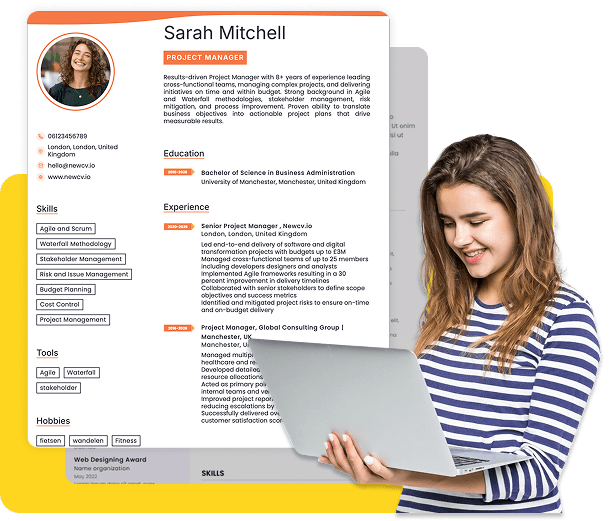
Use ATS-optimised Resume and resume templates that pass applicant tracking systems. Our Resume builder helps recruiters read, scan, and shortlist your Resume faster.

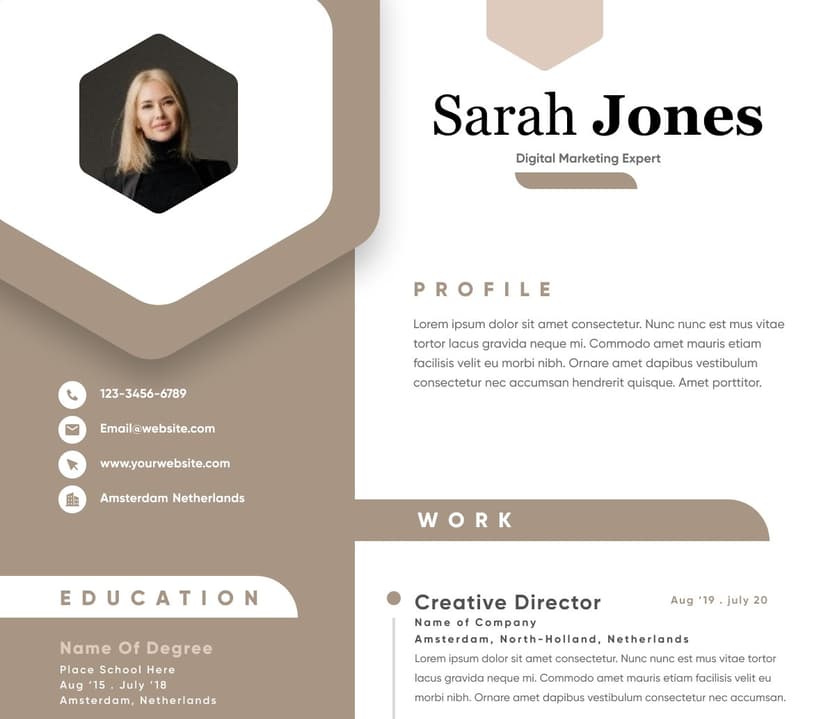
Use professional field-tested resume templates that follow the exact Resume rules employers look for.
Create Resume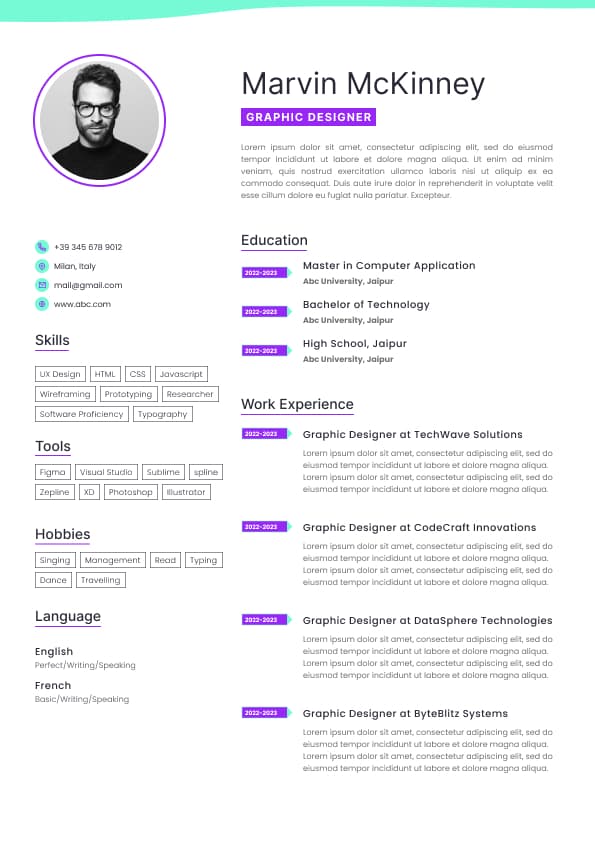
Use professional field-tested resume templates that follow the exact Resume rules employers look for.
Create ResumeAustralian workplace culture is generally collaborative, informal, direct, and performance-focused. Employers value people who can communicate clearly, work independently, contribute to the team, and fit naturally into the workplace environment without being overly hierarchical or overly passive.
For job seekers, understanding Australian workplace culture is not optional. It directly affects hiring decisions, interview performance, team fit, promotions, and long-term career growth.
Many strong candidates struggle in the Australian job market not because they lack technical skills, but because they misunderstand how Australian workplaces operate day to day. This is especially common among migrants, international professionals, and candidates coming from highly formal or hierarchical work cultures.
Australian employers typically look for people who are:
Easy to work with
Reliable and accountable
Confident but not arrogant
Collaborative rather than overly individualistic
Comfortable communicating openly with managers
Australian workplace culture is heavily influenced by values like equality, practicality, teamwork, fairness, and direct communication.
Compared to many other countries, Australian workplaces are usually:
Less hierarchical
Less formal
More collaborative
More feedback-driven
More personality-focused during hiring
More focused on cultural fit alongside technical ability
In practice, this means employers often care just as much about how you work with others as they do about your qualifications.
A candidate who is technically excellent but difficult to collaborate with may lose out to someone slightly less experienced who communicates well and integrates naturally into the team.
This is one of the biggest differences international candidates notice in Australia.
Practical and solutions-focused
Adaptable and low-drama
This article explains how Australian workplace culture actually works, what recruiters and hiring managers expect, common mistakes candidates make, and how to position yourself successfully in Australian workplaces.
Australian employers frequently assess “cultural fit” during recruitment.
This does not mean hiring people who are all the same. In modern Australian hiring, it usually means:
Can this person communicate effectively with the team?
Will they work collaboratively?
Are they approachable and professional?
Can they handle feedback maturely?
Will they contribute positively to workplace dynamics?
Hiring managers often reject candidates who appear:
Too rigid
Overly aggressive
Highly hierarchical
Difficult to communicate with
Resistant to collaboration
Unable to adapt
In many Australian workplaces, attitude problems are seen as harder to fix than skill gaps.
That is why behavioural interview questions are heavily used across Australian recruitment processes.
Australian communication is generally direct, clear, and informal.
This can surprise candidates from cultures where communication is more indirect or formal.
In Australia:
Managers are often approachable
Employees are expected to speak up respectfully
Open discussion is encouraged
Constructive feedback is normal
Silence is sometimes interpreted as disengagement
Many workplaces prefer people who communicate clearly without sounding overly rehearsed or corporate.
Speaking confidently and naturally
Asking questions when needed
Being solution-oriented
Giving updates proactively
Communicating issues early
Participating in team discussions
Being overly formal in every interaction
Avoiding communication with managers
Waiting for constant instructions
Never contributing in meetings
Saying “yes” to everything without clarification
Avoiding difficult conversations entirely
Australian workplaces generally respect professionalism, but they do not usually reward excessive formality.
Australian organisations still have leadership structures, but most workplaces operate with flatter communication styles.
Employees often call managers by their first names, including senior executives.
Managers usually expect staff to:
Take initiative
Solve problems independently
Share ideas
Challenge respectfully when necessary
Contribute beyond their exact job description
Candidates who appear overly dependent on authority can sometimes struggle in Australian workplaces.
One of the fastest ways candidates unintentionally damage their interview performance is by appearing unable to operate independently.
Australian hiring managers often interpret excessive dependence on instructions as:
Lack of confidence
Lack of initiative
Weak problem-solving ability
Poor adaptability
Even graduate candidates are generally expected to demonstrate some level of independent thinking.
Australia has a strongly team-oriented work culture.
Even in highly technical roles, employers assess:
Collaboration skills
Interpersonal communication
Emotional intelligence
Reliability within teams
Conflict management ability
This is why interview questions frequently focus on:
Team challenges
Workplace conflict
Collaboration examples
Stakeholder management
Difficult conversations
Supporting colleagues
Australian employers usually prefer team players over highly individualistic performers who create friction.
Strong candidates typically demonstrate:
Shared accountability
Respect for colleagues
Ability to support others
Calmness under pressure
Practical communication
Professional maturity
Compared to many global markets, Australia places relatively strong emphasis on work-life balance.
While workloads can still be demanding, many employers value:
Sustainable performance
Employee wellbeing
Flexibility
Leave utilisation
Mental health awareness
Realistic work expectations
In many industries, excessively glorifying overwork can actually create negative perceptions.
Australian employers still expect strong performance.
Work-life balance does not mean low accountability.
The expectation is usually:
Deliver results
Meet deadlines
Communicate properly
Manage workload responsibly
Employees who consistently underperform while expecting flexibility rarely progress.
Australian managers commonly evaluate employees based on both output and workplace behaviour.
Performance reviews often assess:
Communication
Collaboration
Initiative
Problem-solving
Reliability
Adaptability
Stakeholder management
Professional behaviour
Technical ability alone is rarely enough for long-term career growth.
Employees who progress fastest usually combine:
Strong delivery
Clear communication
Relationship management
Commercial awareness
Positive team contribution
Professionalism in Australia is often more subtle than in highly formal corporate cultures.
You do not necessarily need:
Extremely formal language
Aggressive self-promotion
Constant visibility tactics
Rigid hierarchy behaviour
But you do need:
Reliability
Accountability
Respectful communication
Consistency
Professional judgement
Emotional maturity
Missing deadlines without warning
Blaming others constantly
Creating unnecessary workplace conflict
Ignoring communication
Refusing feedback
Acting entitled
Communicating issues early
Taking ownership
Remaining calm under pressure
Handling feedback professionally
Supporting team outcomes
Being dependable consistently
Many candidates underestimate how much culture is assessed before hiring.
Australian recruiters and hiring managers evaluate:
Communication style
Personality fit
Professional maturity
Behaviour under pressure
Self-awareness
Team compatibility
This starts from the first interaction.
Clear, concise answers
Natural communication
Confidence without arrogance
Specific examples
Honest self-awareness
Practical thinking
Overly scripted answers
Aggressive self-promotion
Avoiding accountability
Speaking negatively about past employers
Rambling responses
Lack of genuine engagement
Australian interviews are usually conversational compared to some international markets.
Hiring managers often prefer authenticity over polished corporate theatre.
Many international candidates are highly skilled but struggle with Australian workplace expectations.
Common adjustment areas include:
Informal communication styles
Self-promotion balance
Participating in discussions
Managing ambiguity
Workplace humour
Feedback culture
Independent decision-making
Some professionals unintentionally appear passive because they are trying to be respectful.
In Australian workplaces, this can sometimes be interpreted incorrectly as:
Lack of confidence
Lack of engagement
Weak communication
Limited leadership potential
Finding the balance between professionalism and confidence is critical.
Workplace culture varies significantly across industries.
Typically:
Collaborative but performance-driven
Relationship-focused
Stakeholder-heavy
Communication-intensive
Industries include:
Finance
Consulting
HR
Recruitment
Marketing
Legal
Typically:
Direct communication
Practical problem-solving
Strong team culture
High value on reliability and work ethic
Typically:
Team-oriented
High accountability
Structured compliance environments
Communication-focused
Typically:
Flexible structures
Fast-moving environments
Innovation-focused
High adaptability expectations
Typically:
More structured processes
Strong policy frameworks
Formal accountability systems
Greater procedural consistency
Understanding industry culture helps candidates position themselves more effectively during interviews and onboarding.
Long-term success in Australian workplaces usually comes down to a combination of capability, communication, and consistency.
The professionals who perform best are often:
Technically capable
Easy to work with
Calm under pressure
Commercially aware
Reliable
Adaptable
Good communicators
Professional communication.
Many employees focus entirely on technical performance while neglecting:
Stakeholder management
Relationship building
Visibility
Collaboration
Communication clarity
In Australian workplaces, strong communicators are often trusted faster, promoted faster, and given greater responsibility earlier.
You are probably adapting successfully if:
Managers trust you with autonomy
Colleagues involve you naturally
Communication feels easier over time
You can participate confidently in discussions
Feedback conversations feel manageable
You understand informal workplace dynamics better
Cultural adaptation is usually gradual.
Even highly experienced professionals often need time to adjust to Australian workplace expectations.
If you are applying for jobs in Australia, demonstrate workplace compatibility through:
Clear communication
Strong behavioural interview examples
Team-oriented achievements
Practical problem-solving examples
Adaptability stories
Professional self-awareness
Your resume should also reflect Australian expectations by showing:
Clear achievements
Collaboration outcomes
Business impact
Stakeholder interaction
Leadership where relevant
Australian employers usually prefer practical evidence over overly inflated corporate language.


 Upload Resume
 Import from Linkedin