
Choose from a wide range of NEWCV resume templates and customize your NEWCV design with a single click.

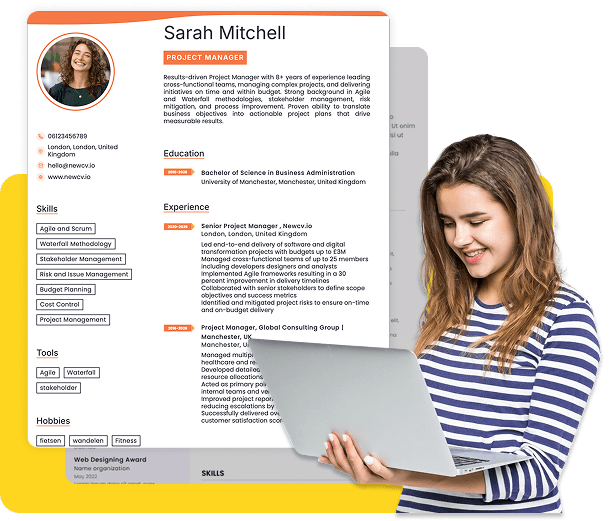
Use ATS-optimised Resume and resume templates that pass applicant tracking systems. Our Resume builder helps recruiters read, scan, and shortlist your Resume faster.

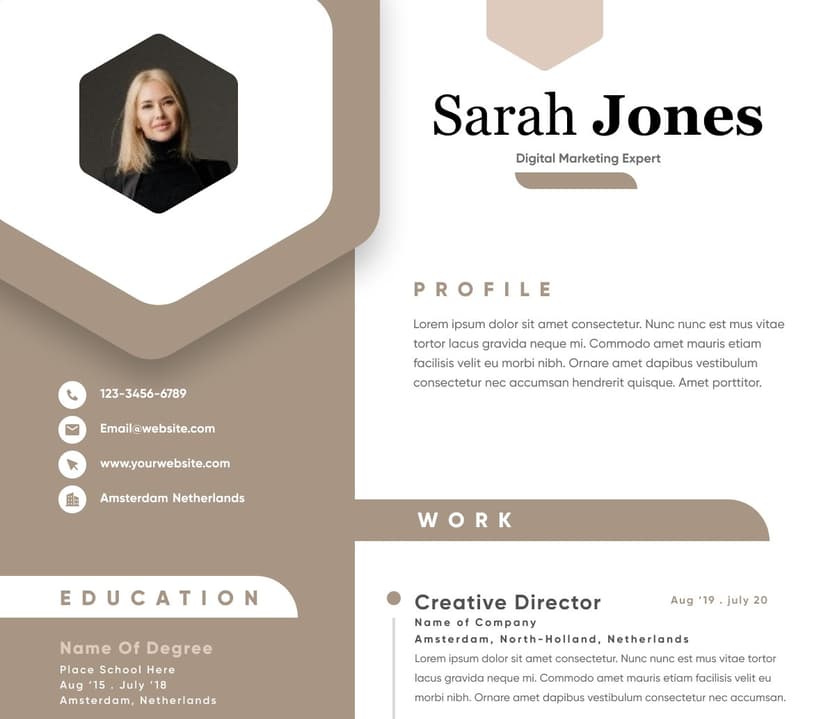
Use professional field-tested resume templates that follow the exact Resume rules employers look for.
Create Resume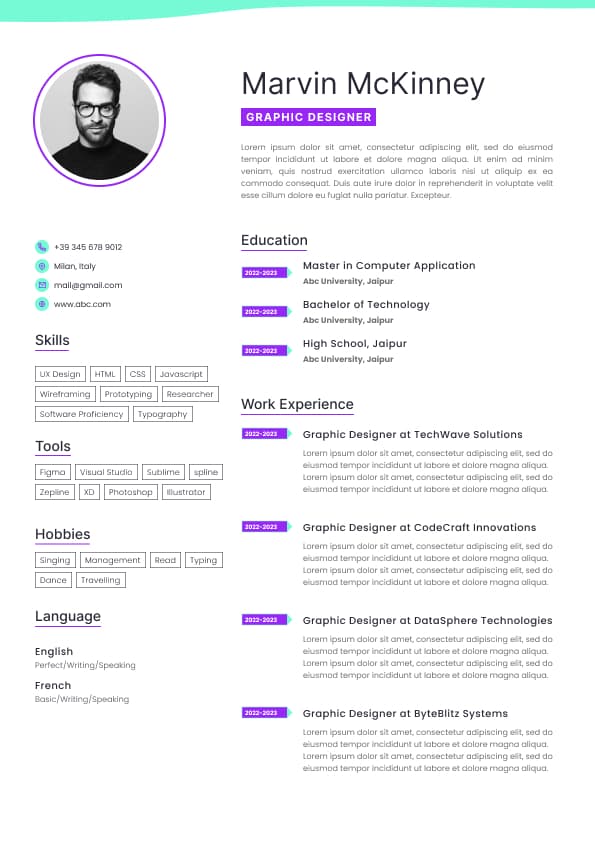
Use professional field-tested resume templates that follow the exact Resume rules employers look for.
Create ResumeThe best job sites in Australia are not all equal. Some are built for volume, others for recruiter access, and a few consistently produce higher-quality interviews and better hiring outcomes. If you apply through the wrong platforms, you can spend months sending resumes into black holes without hearing back.
For most Australian job seekers, the strongest combination is:
SEEK for mainstream professional roles
LinkedIn for recruiter visibility and white-collar opportunities
Indeed for application volume and entry-to-mid-level roles
Jora for aggregation and hidden listings
Government and industry-specific job boards for specialised hiring
But the real difference is not just where you apply. It is understanding how Australian recruiters actually source candidates, which platforms employers prioritise, and how hiring managers filter applicants inside each system.
Not every platform serves the same purpose. Australian recruiters use different job boards depending on:
Industry
Seniority
Urgency of hiring
Budget
Skill shortages
Internal recruitment strategy
Here is how the major job sites actually perform in the Australian market.
| Job Site | Best For | Real Recruiter Value |
|---|---|---|
| SEEK | Professional jobs across most industries | Highest recruiter usage in Australia |
| LinkedIn | Corporate, white-collar, leadership roles | Strong recruiter sourcing platform |
| Indeed | High-volume hiring and broad searches | Good for visibility and quick applications |
If you are applying for professional roles in Australia, SEEK remains the most important platform.
Most Australian recruiters and hiring managers still prioritise SEEK because:
It has the largest candidate database locally
It integrates into many ATS systems
Hiring teams are familiar with its filtering tools
Candidates expect jobs to appear there
It dominates mid-level professional recruitment
In practice, many employers post jobs only on SEEK even if they also advertise elsewhere.
SEEK is strongest for:
Administration
This guide breaks down the best Australian job sites by industry, career level, hiring behaviour, recruiter usage, and real-world effectiveness so you can focus your effort where it actually improves your chances of getting hired.
| Jora | Aggregated listings | Finds jobs missed elsewhere |
| EthicalJobs | NFP and purpose-driven careers | Trusted in non-profit hiring |
| APS Jobs | Federal government roles | Essential for public sector jobs |
| CareerOne | General roles | Secondary platform for some employers |
| GradConnection | Graduate programs | Strong for early-career candidates |
| Workforce Australia | Government-supported employment | Useful for entry-level and regional jobs |
| Adzuna | Salary insights and aggregation | Helpful for market comparison |
Accounting and finance
HR and recruitment
Sales
Marketing
Project management
Operations
Customer service
Trades and construction
Healthcare
Education
Mid-level management
Most applicants fail because they treat SEEK like a numbers game.
Recruiters often review applications in this order:
Keyword alignment
Resume clarity
Employment stability
Local experience
Relevance to advertised requirements
Salary alignment
Notice period and work rights
A generic resume usually fails within seconds.
Many job seekers assume recruiters manually read every application. They do not.
In Australia, recruiters commonly:
Use keyword filters
Sort by relevance
Exclude applicants missing mandatory criteria
Shortlist candidates within the first 24 to 72 hours
Prioritise local candidates
Search SEEK databases proactively before advertising roles
This means your SEEK profile and resume positioning matter as much as the application itself.
LinkedIn is no longer optional for white-collar professionals in Australia.
For many industries, recruiters now source candidates directly before they even advertise the role publicly.
Technology
Consulting
Executive recruitment
Marketing
HR
Finance
SaaS and startups
Professional services
Corporate operations
Strategy roles
Australian recruiters use LinkedIn heavily for:
Passive candidate sourcing
Credibility checks
Employment verification
Industry engagement assessment
Networking visibility
Skills validation
Many hiring managers review LinkedIn profiles before interviews even if you applied through SEEK.
A weak or outdated LinkedIn profile can quietly damage your chances.
Indeed works differently from SEEK.
It captures a large number of listings and enables fast applications, which makes it useful for:
Entry-level roles
Retail
Hospitality
Warehousing
Customer service
Casual work
High-volume recruitment
However, recruiter engagement quality can vary significantly.
Application competition is often extremely high because:
One-click applications reduce friction
Roles attract interstate and overseas applicants
Many candidates mass apply without tailoring resumes
This creates heavy recruiter fatigue.
As a result, hiring managers often prioritise:
Local candidates
Clearly targeted resumes
Applicants with immediate availability
Candidates matching core requirements precisely
Jora aggregates listings from multiple sources and often surfaces jobs that do not appear prominently elsewhere.
It is particularly useful for:
Regional jobs
Smaller employers
Independent businesses
Local recruitment agencies
Roles syndicated from company websites
Many Australian employers:
Do not pay for premium SEEK visibility
Advertise only on their own careers page
Use smaller recruitment channels
Jora helps uncover these opportunities.
It is especially valuable in:
Regional Australia
Trades
Healthcare support
Logistics
Hospitality
Smaller private businesses
Different industries rely on different hiring ecosystems.
Using the wrong platform can dramatically reduce interview rates.
For professional careers, focus on:
SEEK
Company careers pages
Specialist recruiters
This applies strongly to:
Finance
HR
Marketing
Legal
Operations
Consulting
Project management
Senior recruiters often search directly before posting publicly.
Candidates with strong LinkedIn positioning frequently receive outreach before jobs become competitive.
Australian government hiring operates differently from private-sector recruitment.
APS Jobs for federal government
State government career portals
Local council websites
Government recruitment is heavily criteria-driven.
Applications are often assessed on:
Selection criteria
Capability frameworks
Demonstrated examples
Policy alignment
Public-sector experience
Generic resumes fail quickly in this environment.
Technology hiring is increasingly relationship-driven.
SEEK
Wellfound for startups
Company careers pages
Specialist tech recruiters
Australian tech hiring managers usually focus on:
Commercial project experience
Stack relevance
Problem-solving capability
Team fit
Communication skills
Local work rights
Not just certifications.
Trades hiring still relies heavily on practical availability and local presence.
SEEK
Jora
Workforce Australia
Gumtree Jobs in some local markets
Labour-hire agency portals
Employers commonly prioritise:
Licence validity
Tickets and certifications
Immediate start availability
Reliability
Local proximity
Safety record
Long resumes are usually less effective than highly targeted ones.
Graduate recruitment follows a different cycle from experienced hiring.
GradConnection
SEEK
University career portals
Big employer graduate programs
Many graduates underestimate how competitive Australian graduate hiring has become.
Recruiters often filter based on:
Internship experience
Work rights
Communication skills
Academic consistency
Commercial awareness
Leadership and extracurriculars
A degree alone is rarely enough.
Most candidates focus too much on applications and not enough on positioning.
That is the biggest mistake in modern Australian hiring.
Candidates get more interviews when they:
Tailor resumes to the role
Match keywords naturally
Apply early
Optimise LinkedIn profiles
Target realistic salary ranges
Show clear career progression
Demonstrate local market understanding
Include measurable achievements
Weak Example
“I am a hardworking professional seeking opportunities to grow my career.”
This says nothing specific and sounds interchangeable with thousands of other applicants.
Good Example
“Operations Coordinator with 5+ years’ experience supporting national logistics teams across warehousing, supplier management, and inventory control within fast-paced Australian distribution environments.”
This immediately tells recruiters:
Seniority
Industry relevance
Functional expertise
Commercial context
Local experience
That clarity matters enormously during screening.
Many strong candidates ignore direct employer applications.
That is a mistake.
Large Australian employers frequently prioritise:
Internal referrals
Talent pools
Direct applications
Existing candidate databases
before externally sourced applicants.
Instead of relying only on job boards:
Identify target employers
Monitor their careers page weekly
Follow hiring managers on LinkedIn
Connect with specialist recruiters
Build visibility before applying
This creates multiple pathways into the same opportunity.
The highest-performing candidates rarely depend on one platform.
They combine:
Job boards
Recruiter relationships
LinkedIn visibility
Direct applications
Networking
Referral opportunities
For most professionals:
40% targeted SEEK applications
30% LinkedIn networking and visibility
20% direct employer applications
10% recruiter engagement
This produces significantly better results than mass applying alone.
This is where most online advice fails.
Recruiters do not shortlist based on effort. They shortlist based on risk reduction.
Your resume, LinkedIn profile, and application must quickly answer:
Can this person do the job?
Will they fit the environment?
Are they stable and reliable?
Are they worth interviewing?
Do they match salary expectations?
Are they likely to accept the role?
If the answer is unclear, the application usually gets skipped.
Generic resumes
No local experience
Poor keyword alignment
Overly long resumes
Unclear achievements
Inconsistent career history without explanation
Applying for roles outside realistic seniority range
Weak communication in applications
Many recruiters begin shortlisting within the first few days.
Strong candidates often secure interviews before the ad closes.
This dramatically reduces ATS relevance and recruiter confidence.
Even if you apply through SEEK, recruiters frequently review LinkedIn profiles.
Candidates regularly apply for roles significantly above their demonstrated level.
This usually leads to silent rejection.
Successful candidates approach job search strategically:
Targeted applications
Strong positioning
Consistent networking
Market alignment
Relationship building
That mindset shift changes outcomes.
For most Australian professionals:
SEEK remains the strongest overall platform
LinkedIn is essential for corporate visibility
Indeed works well for broad application volume
Jora is excellent for hidden opportunities
Industry-specific boards outperform general sites in specialised sectors
The best platform depends on:
Your industry
Seniority
Career stage
Geographic location
Hiring demand
Recruiter behaviour in your sector
The smartest approach is using multiple channels strategically rather than relying on one website alone.


 Upload Resume
 Import from Linkedin