
Choose from a wide range of NEWCV resume templates and customize your NEWCV design with a single click.

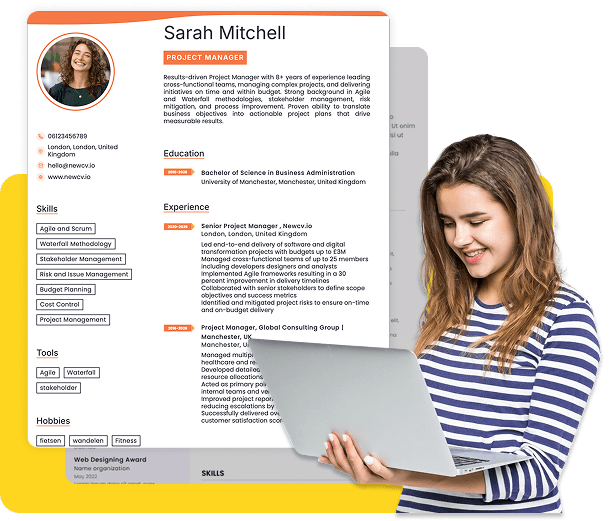
Use ATS-optimised Resume and resume templates that pass applicant tracking systems. Our Resume builder helps recruiters read, scan, and shortlist your Resume faster.

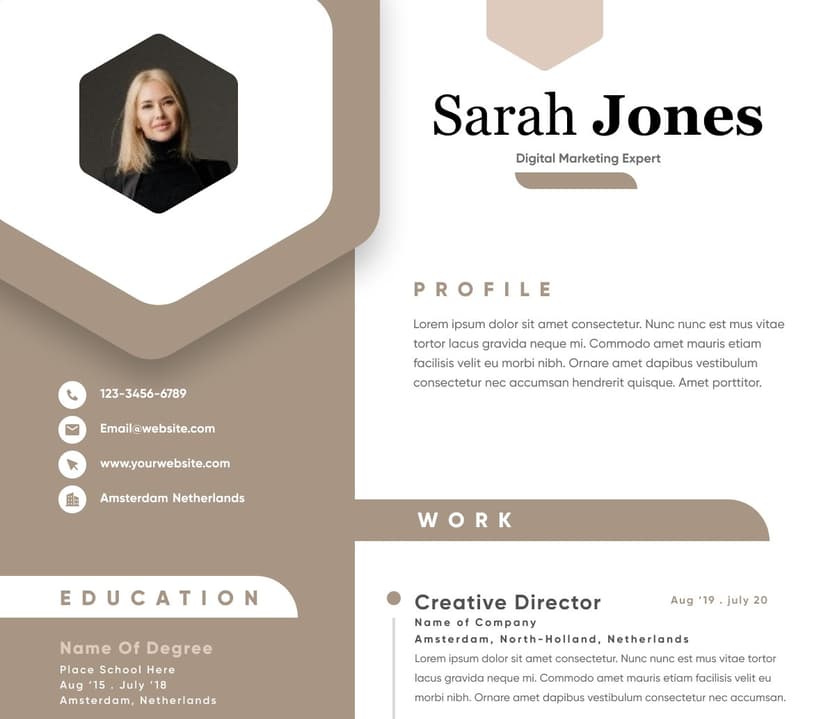
Use professional field-tested resume templates that follow the exact Resume rules employers look for.
Create Resume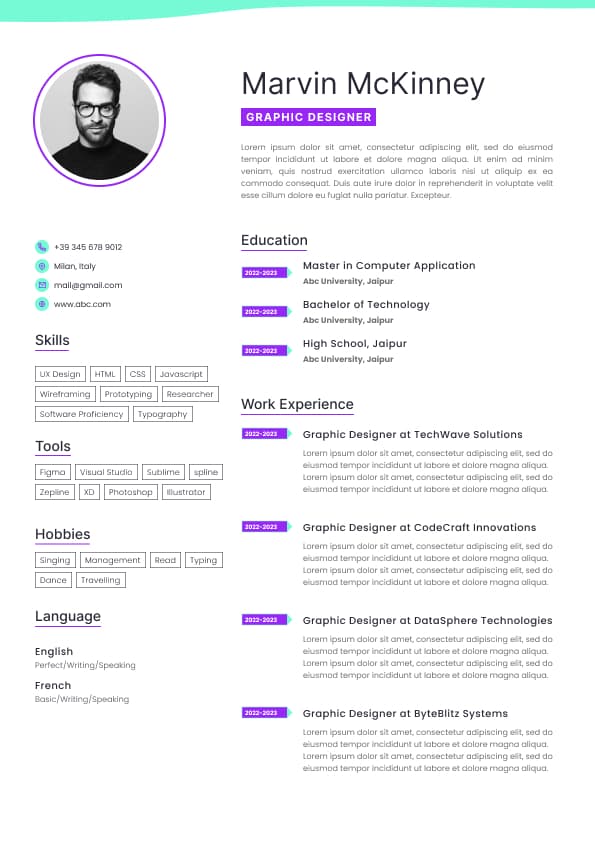
Use professional field-tested resume templates that follow the exact Resume rules employers look for.
Create ResumeA strong nursing resume in Australia is not about listing every ward you have worked on. It is about showing hiring managers three things quickly:
You are clinically competent
You are safe and reliable in patient care
You can integrate into a healthcare team without excessive supervision
Most nursing resumes fail because they are too generic, too task-focused, or written like a job description instead of evidence of capability.
Australian healthcare recruiters and nurse unit managers screen resumes fast. In many hospitals, aged care facilities, GP clinics, and community health organisations, your resume gets less than 30 seconds before a decision is made about whether you move to interview shortlist or rejection.
The nurses who consistently get interviews position themselves around patient outcomes, clinical environment experience, compliance, communication, and workload management, not generic responsibilities.
This guide explains exactly how to structure a nursing resume for the Australian job market, what recruiters actually look for, what gets applications rejected, and how to position yourself competitively whether you are an RN, EN, graduate nurse, aged care nurse, or international applicant.
Australian nursing employers are not hiring resumes. They are hiring clinical risk management.
Every hiring decision is influenced by one question:
Can this nurse safely manage patients in our environment without creating unnecessary risk?
That means your resume must demonstrate:
Clinical competency
Accurate documentation and medication management
Patient-centred care
Communication with multidisciplinary teams
Time management under pressure
Compliance with AHPRA standards
For nearly all nursing jobs in Australia, the best format is:
This format works best because healthcare employers want to see:
Your current registration status
Your most recent clinical experience
Continuity of employment
Ward and facility exposure
Clinical progression
Avoid functional or skills-based resumes unless you are returning to nursing after a long gap.
Your nursing resume should typically include:
Professional summary
Adaptability across shifts and patient needs
Emotional resilience and professionalism
Recruiters and nurse managers also assess whether you understand Australian healthcare expectations.
That includes:
Patient dignity and culturally safe care
Clear communication
Escalation protocols
Team collaboration
Accountability and initiative
Clinical governance awareness
A resume that only lists duties like “provided patient care” or “administered medications” rarely stands out because every applicant writes the same thing.
Hiring managers want evidence, context, and outcomes.
Core clinical skills
AHPRA registration details
Employment history
Education and qualifications
Certifications
Technical systems knowledge
Professional memberships
Referees
For most nurses in Australia:
2 pages is ideal for early-career nurses
3 pages is acceptable for experienced nurses with specialised experience
Anything longer usually weakens impact unless highly specialised.
Most Australian healthcare employers use Applicant Tracking Systems before human review.
That means formatting matters.
Clear section headings
Standard fonts
Logical formatting
Keyword alignment with the job ad
Bullet points focused on achievements and clinical scope
Consistent dates and formatting
Graphics and icons
Text boxes
Tables for core content
Fancy templates
Keyword stuffing
PDF exports with formatting errors
Many nurses overcomplicate resumes visually when healthcare recruiters actually prioritise clarity and speed.
Simple, clean, and clinically professional performs best.
Your professional summary is one of the highest-impact sections on the page.
This is where recruiters decide whether your background aligns with the role quickly enough to continue reading.
A strong nursing summary should communicate:
Years of experience
Clinical environment
Core strengths
Registration status
Key differentiator
“Hardworking nurse with excellent communication skills seeking a challenging opportunity.”
This says almost nothing.
“Registered Nurse with 6+ years’ experience across acute medical, surgical, and emergency care environments in Australian public hospitals. Skilled in patient assessment, medication administration, care planning, and multidisciplinary collaboration. Known for strong clinical judgement, calm decision-making under pressure, and consistent patient-centred care.”
The second version gives hiring managers actual hiring signals.
The skills section matters because recruiters scan it quickly to assess fit.
But generic skill lists reduce credibility.
Communication
Teamwork
Leadership
Compassion
These are assumed in nursing.
Acute patient assessment
Medication administration and reconciliation
Wound management
IV cannulation
Clinical documentation
Infection prevention and control
Care planning and coordination
Deteriorating patient escalation
Electronic medical records
Discharge planning
Palliative care support
Manual handling and patient mobility assistance
The difference is specificity.
Clinical specificity builds trust.
This is where most resumes succeed or fail.
Australian nurse recruiters want to understand:
Patient load
Clinical complexity
Ward exposure
Responsibilities
Independence level
Shift environment
Team interaction
Outcomes and impact
Do not just describe duties.
Position your experience strategically.
Sarah Mitchell
Melbourne VIC
0412 555 781
Registered Nurse with 7 years’ experience across acute medical, surgical, and aged care settings within Australian public and private healthcare environments. Experienced in medication administration, patient assessment, wound management, care coordination, and multidisciplinary collaboration. Recognised for calm clinical judgement, efficient workload management, and strong patient communication in fast-paced environments.
Acute patient care
Medication administration
Wound and pressure injury management
IV therapy and cannulation
Infection prevention and control
Electronic medical records
Falls prevention strategies
Discharge planning
Care documentation
Clinical handover
Palliative care support
AHPRA Registered Nurse
Registration Number: NMW000000000
Registered Nurse
Royal Melbourne Hospital – Melbourne VIC
January 2021 – Present
Manage patient care across a 32-bed acute medical ward with high patient turnover
Administer medications, IV therapies, and clinical treatments in accordance with hospital protocols
Conduct comprehensive patient assessments and escalate clinical deterioration appropriately
Collaborate with allied health teams, doctors, and discharge coordinators to support safe patient outcomes
Mentor graduate nurses and support clinical placements for student nurses
Maintain accurate electronic clinical documentation within EMR systems
Consistently recognised for calm workload management during high-pressure shifts
Enrolled Nurse
Bupa Aged Care – Melbourne VIC
March 2018 – December 2020
Delivered person-centred care for elderly residents with complex health needs
Assisted with medication rounds, wound care, mobility support, and chronic disease monitoring
Supported dementia care strategies and behavioural management plans
Maintained compliance with infection control and aged care accreditation standards
Built strong relationships with residents and families through compassionate communication
Bachelor of Nursing
Deakin University
Current National Police Check
Working With Children Check
Basic Life Support (BLS)
Manual Handling Certification
Infection Control Training
Cerner
Epic
MedChart
Microsoft Office
Recruiters reject nursing resumes for predictable reasons.
If every bullet point sounds like every other nurse application, your resume becomes invisible.
Hiring managers want to know:
Hospital size
Patient complexity
Specialty exposure
Care setting
Without context, experience feels vague.
If the role mentions:
Surgical nursing
Care coordination
Mental health
Aged care compliance
Emergency triage
…and your resume never references these areas despite having experience, ATS visibility drops.
In Australia, do not include:
Date of birth
Marital status
Religion
Photo
Nationality unless visa-relevant
Healthcare recruiters skim fast.
Dense blocks of text reduce readability dramatically.
Graduate nurse resumes are evaluated differently.
Recruiters do not expect years of experience.
They assess:
Clinical placement quality
Professionalism
Learning agility
Communication
Reliability
Safety mindset
Team fit
Graduate nurses should emphasise:
Placement environments
Exposure to different wards
Clinical competencies
Team collaboration
Patient interaction
Willingness to learn
Many graduates try to sound overly senior.
This backfires.
Hiring managers prefer honest capability with strong learning potential over exaggerated confidence.
International nurses face additional scrutiny because employers assess:
Communication capability
AHPRA registration pathway
Understanding of Australian healthcare systems
Documentation standards
Adaptability to local clinical practices
If you are internationally qualified:
Visa status
AHPRA registration progress or completion
Australian clinical placement or local experience
English proficiency where relevant
Overseas terminology that Australian recruiters may not recognise
Extremely long resumes
Generic copied summaries
Translate your experience into Australian healthcare language.
Most nursing applicants misunderstand who makes hiring decisions.
In many Australian healthcare settings:
HR screens basic eligibility
Recruiters screen for alignment
Nurse Unit Managers shortlist interviews
NUMs are not reading resumes like career coaches.
They are assessing operational fit.
They ask:
Can this nurse handle the workload?
Will they integrate into the team?
Are they safe clinically?
Do they need excessive supervision?
Can they manage difficult patients professionally?
Will they stay?
This is why practical experience matters more than fluffy language.
One generic nursing resume rarely performs well across every application.
Focus on:
Clinical acuity
Escalation management
Fast-paced workload handling
Medication management
Multidisciplinary communication
Focus on:
Resident-centred care
Dementia support
Family communication
Medication administration
Chronic condition management
Compliance and accreditation awareness
Focus on:
Independent decision-making
Care planning
Home-based assessments
Patient education
Autonomy
Focus on:
De-escalation
Risk assessment
Therapeutic communication
Crisis management
Care coordination
The strongest nursing resumes mirror the employer’s environment.
ATS optimisation matters, but keyword stuffing hurts readability.
Use keywords naturally through:
Professional summary
Skills section
Experience bullets
Common nursing keywords include:
Patient-centred care
Clinical assessment
Medication administration
Infection control
Care planning
Acute care
Clinical documentation
Wound management
Multidisciplinary team
EMR systems
Escalation protocols
AHPRA registration
Patient safety
Only use keywords you can genuinely support with experience.
Yes, especially for competitive hospital roles.
A strong nursing cover letter can help explain:
Why you want that specialty
Why you fit the facility
Clinical strengths relevant to the role
Shift flexibility
Career motivation
But generic cover letters hurt applications.
If your cover letter sounds copied, recruiters notice immediately.
Your cover letter should connect your background directly to the ward or service.
The strongest nursing resumes are not necessarily the longest or most experienced.
They are:
Clear
Targeted
Clinically credible
Outcome-focused
Easy to scan
Aligned to the role
The best applicants demonstrate professionalism through clarity.
A hiring manager should immediately understand:
Your capability level
Your clinical environment
Your strengths
Your relevance to the role
If recruiters need to “work out” whether you fit, your resume is already weaker than competitors.
Before submitting your nursing resume, check:
Is your AHPRA registration clearly visible?
Does your summary match the role?
Are your skills clinically specific?
Does your experience show scope and outcomes?
Have you removed generic filler?
Is the formatting clean and ATS-friendly?
Have you tailored keywords to the job ad?
Is your resume easy to scan quickly?
Does it sound like a real healthcare professional rather than a template?
Small improvements in positioning often create major differences in interview rates.


 Upload Resume
 Import from Linkedin