
Choose from a wide range of NEWCV resume templates and customize your NEWCV design with a single click.
Use ATS-optimised Resume and resume templates that pass applicant tracking systems. Our Resume builder helps recruiters read, scan, and shortlist your Resume faster.

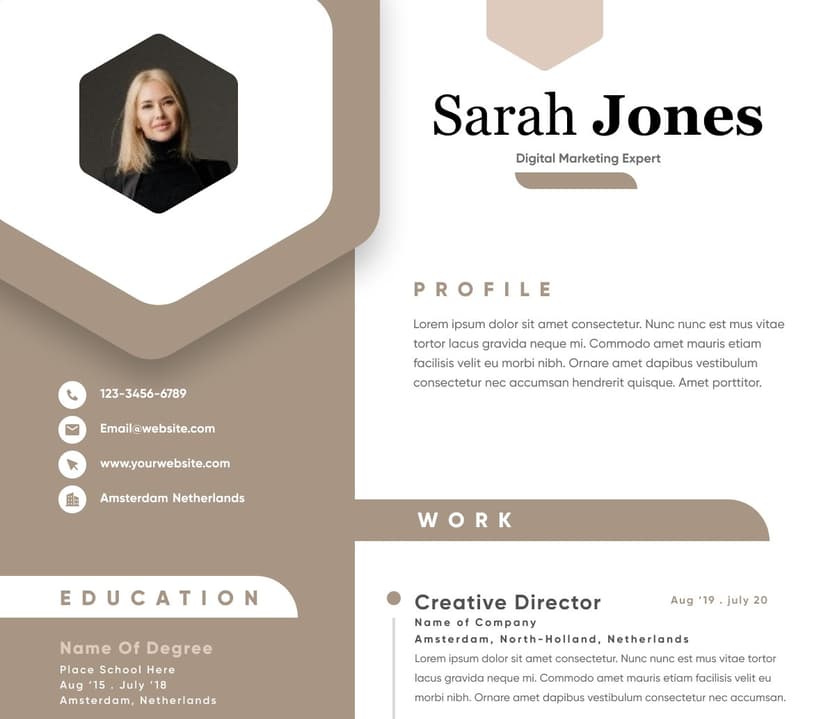
Use professional field-tested resume templates that follow the exact Resume rules employers look for.
Create Resume
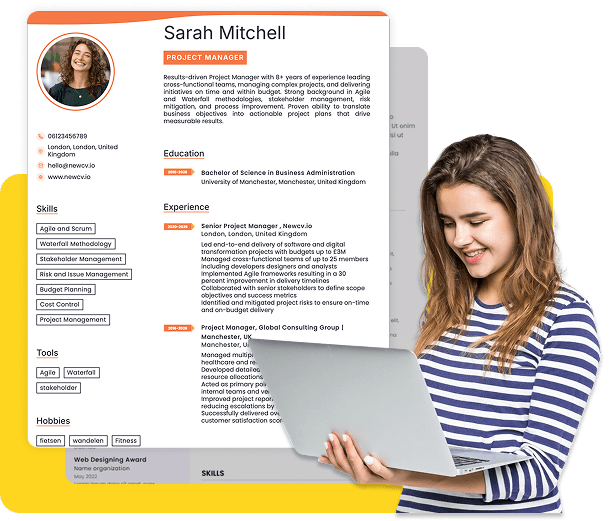
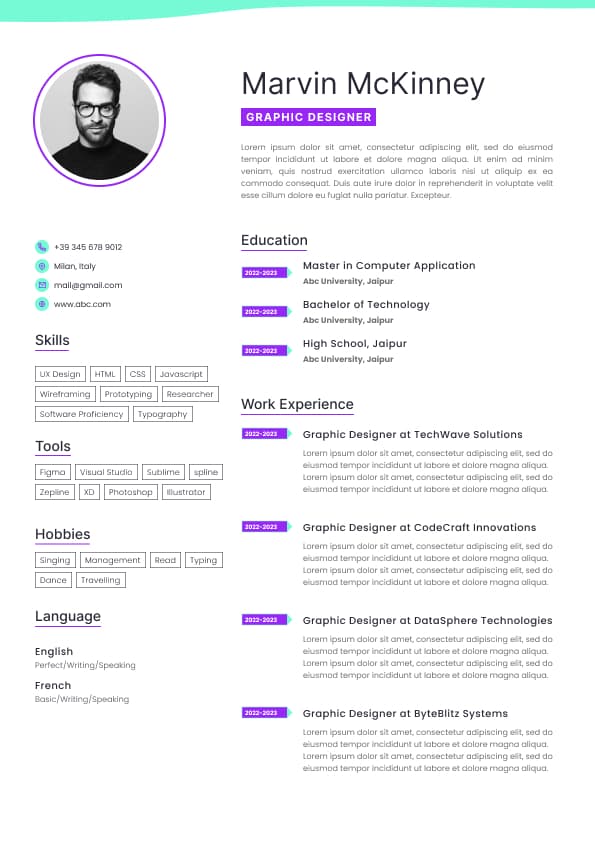
Use professional field-tested resume templates that follow the exact Resume rules employers look for.
Create ResumeAustralian software engineering resumes are screened differently from resumes in the US, India, or Europe. Local recruiters expect concise, achievement-focused resumes that clearly show technical capability, commercial impact, and team contribution.
For most software engineering roles in Australia, your resume needs to do three things immediately:
Prove you can work in a modern engineering environment
Show measurable business impact, not just technical tasks
Demonstrate alignment with Australian hiring expectations and communication standards
A technically strong engineer can still get rejected in under 15 seconds if the resume feels overcrowded, overly academic, generic, or difficult to scan.
In Australia’s current tech hiring market, recruiters and hiring managers are prioritising candidates who can demonstrate practical delivery experience, collaboration skills, and strong commercial awareness alongside technical depth. Your resume needs to reflect that from the very first page.
Australian recruiters typically scan resumes in this order:
Current role and seniority
Tech stack relevance
Commercial project experience
Employment stability
Impact and outcomes
Communication clarity
Visa or work rights status
Team and stakeholder exposure
Unlike some overseas markets, Australian hiring managers generally prefer resumes that are:
Clear and direct
Achievement-oriented
Easy to skim quickly
Focused on outcomes over theory
Written in natural professional English
Free from excessive jargon or buzzwords
A resume overloaded with every framework you have touched is usually less effective than a focused resume aligned to the target role.
For most software engineering roles, the strongest Australian resume format is:
Include:
Full name
Mobile number
Professional email address
LinkedIn profile
GitHub or portfolio if relevant
Australian work rights if beneficial
Avoid:
Full home address
Date of birth
Marital status
Photo
Nationality unless visa-related
Your summary should position you strategically in 3 to 5 lines.
This is not a career objective.
Strong summaries communicate:
Years of experience
Core engineering domain
Main technologies
Commercial impact
Industry exposure
Seniority level
Weak Example
“Hardworking software engineer passionate about coding and solving problems.”
This says nothing meaningful.
Good Example
“Software Engineer with 6+ years’ experience building scalable cloud-based applications across fintech and SaaS environments. Strong background in Java, AWS, microservices, and CI/CD pipelines, with proven success improving platform performance, reducing deployment times, and delivering production-ready features in Agile teams.”
That summary immediately tells recruiters:
Seniority
Tech stack
Commercial environment
Delivery capability
Business relevance
Australian recruiters use the skills section primarily for quick relevance scanning and ATS matching.
The strongest approach is grouping skills logically.
Programming Languages
Frameworks and Libraries
Cloud and DevOps
Databases
Testing Tools
Architecture and Methodologies
Monitoring and Observability Tools
Programming Languages: Java, Python, TypeScript, Go
Frameworks: Spring Boot, React, Node.js
Cloud & DevOps: AWS, Docker, Kubernetes, Terraform, GitHub Actions
Databases: PostgreSQL, MongoDB, Redis
Testing: JUnit, Cypress, Selenium
Methodologies: Agile, Scrum, TDD, Microservices Architecture
Do not inflate your skills list.
Recruiters can usually identify keyword stuffing immediately.
Listing 40 technologies without depth weakens credibility.
Most software engineers write resumes like technical documentation.
Recruiters do not hire based on task lists.
They hire based on:
Business impact
Engineering maturity
Delivery outcomes
Team contribution
Problem-solving capability
Developed APIs using Java
Worked on frontend applications
Participated in Agile ceremonies
These bullets provide no hiring signal.
Designed and deployed RESTful microservices in Java Spring Boot, supporting 1.2 million monthly transactions with 99.95% uptime
Reduced API response times by 38% through query optimisation and Redis caching implementation
Led migration of legacy CI/CD pipelines to GitHub Actions, cutting deployment times from 45 minutes to under 10 minutes
Collaborated with product managers and designers to deliver customer-facing features used by 250,000+ active users
These examples demonstrate:
Scale
Ownership
Performance impact
Collaboration
Business relevance
Technical depth
That is what gets interviews.
Applicant Tracking Systems are widely used across Australian tech recruitment, particularly by:
Enterprise organisations
Government contractors
Consultancies
Large SaaS companies
ASX-listed businesses
However, ATS optimisation is often misunderstood.
Modern ATS systems do not simply rank resumes based on keyword density.
They assess contextual relevance.
Matching the job title naturally
Including relevant technologies used in the role
Using industry-standard terminology
Clear section headings
Simple formatting
Logical structure
Measurable achievements
Graphics-heavy resumes
Tables with complex layouts
Excessive icons
Text boxes
Overuse of acronyms
Keyword stuffing
Generic summaries
Australian recruiters strongly prefer readability over “creative” formatting.
A clean Word or PDF resume almost always performs better.
For most candidates:
Junior engineers: 1 to 2 pages
Mid-level engineers: 2 pages
Senior engineers and tech leads: 2 to 3 pages maximum
Long resumes are only acceptable if the content remains highly relevant.
Australian recruiters generally dislike unnecessarily long resumes.
If page 3 contains outdated technologies from 2013, it weakens your positioning.
Many candidates assume recruiters screen primarily for technical perfection.
In reality, hiring managers often prioritise:
Problem-solving capability
Engineering judgement
Delivery consistency
Communication skills
Team collaboration
Commercial awareness
Ownership mindset
This is especially true in Australian tech environments where cross-functional collaboration is highly valued.
A technically brilliant candidate with poor communication can easily lose to a slightly less technical candidate who demonstrates:
Strong stakeholder communication
Reliability
Product thinking
Team contribution
Adaptability
Your resume should reflect these qualities naturally through achievements and project outcomes.
James Walker
Sydney, NSW
0400 000 000
jameswalker@email.com
linkedin.com/in/jameswalker
github.com/jameswalker
Software Engineer with 5+ years’ experience developing scalable backend and cloud-native applications across fintech and SaaS environments. Strong expertise in Java, Spring Boot, AWS, and Kubernetes, with proven success improving system performance, reducing deployment friction, and delivering customer-focused solutions in Agile engineering teams.
Languages: Java, Python, TypeScript
Frameworks: Spring Boot, React, Node.js
Cloud & DevOps: AWS, Docker, Kubernetes, Terraform
Databases: PostgreSQL, MongoDB, Redis
Tools: GitHub Actions, Jira, Datadog, Splunk
Methodologies: Agile, Scrum, TDD, Microservices
Software Engineer
Fintech Solutions Australia – Sydney, NSW
January 2022 – Present
Built and maintained microservices architecture supporting over 2 million monthly financial transactions
Reduced cloud infrastructure costs by 22% through AWS resource optimisation and container scaling improvements
Implemented automated CI/CD pipelines using GitHub Actions and Terraform, reducing deployment failures by 45%
Collaborated with cross-functional teams to deliver customer onboarding features that increased conversion rates by 18%
Improved API response performance by 35% using Redis caching and database query optimisation
Junior Software Engineer
Digital Systems Group – Sydney, NSW
March 2020 – December 2021
Developed backend APIs in Java and Spring Boot for internal workflow automation tools
Assisted with migration from monolithic applications to containerised microservices architecture
Wrote automated unit and integration tests, improving release stability across multiple production environments
Participated in Agile sprint planning, backlog refinement, and peer code reviews
Bachelor of Computer Science
University of Technology Sydney
This is one of the biggest challenges for migrants and international candidates.
Australian employers often worry about:
Communication fit
Workplace culture alignment
Stakeholder interaction
Local collaboration expectations
The solution is not hiding overseas experience.
The solution is translating it properly.
Clear commercial outcomes
Strong English communication in resume writing
Modern technology alignment
Globally recognised companies or platforms
Remote collaboration examples
Agile and cross-functional experience
Evidence of stakeholder interaction
Extremely long resumes
Overly technical wording without business impact
Heavy academic focus
Poor formatting
Generic summaries
Listing every technology ever used
Australian hiring managers care less about where experience occurred and more about:
Relevance
Clarity
Communication
Capability
Practical delivery experience
One generic resume rarely performs well across all engineering jobs.
A backend engineer resume should not read like a frontend resume.
Prioritise:
APIs
Scalability
Databases
Cloud infrastructure
Performance optimisation
Distributed systems
Prioritise:
UI performance
Accessibility
React or Angular expertise
Design collaboration
User experience outcomes
Frontend architecture
Prioritise:
CI/CD
Infrastructure as Code
Monitoring
Kubernetes
Cloud automation
Reliability engineering
Show balanced capability while still establishing a primary strength.
Hiring managers are often sceptical of resumes claiming deep expertise in everything.
The safest and most effective format is:
Reverse chronological
ATS-friendly
Clean typography
Minimal design elements
Strong spacing and readability
Consistent formatting
PDF is generally preferred unless the employer specifically requests Word format.
Recruiters care about outcomes.
Not generic duties.
A resume is not architecture documentation.
Focus on strategic relevance.
Phrases like:
Team player
Hardworking
Passionate coder
Go-getter
add almost no value.
Depth beats breadth.
Strong engineers connect technical work to measurable outcomes.
Dense walls of text kill engagement.
Your resume should be skimmable in under 20 seconds.
Yes, but only when they strengthen your positioning.
Projects are valuable for:
Junior engineers
Career changers
Graduates
Engineers moving into new stacks
Candidates with limited commercial experience
Strong projects demonstrate:
Real problem-solving
Technical ownership
Product thinking
Deployment capability
Engineering maturity
Weak tutorial-style projects usually add little value.
Real users
Deployment links
Performance considerations
Scalable architecture
Practical business purpose
GitHub activity
The strongest resumes combine:
Technical depth
Commercial relevance
Clear communication
Business impact
Strong formatting
Strategic positioning
What consistently gets interviews is not the “most technical” resume.
It is the resume that makes hiring decisions feel low-risk.
Recruiters want confidence that you can:
Deliver reliably
Work well with others
Communicate clearly
Contribute commercially
Adapt quickly
Operate effectively in production environments
That confidence is built through positioning, not keyword stuffing.


 Upload Resume
 Import from Linkedin