
Choose from a wide range of NEWCV resume templates and customize your NEWCV design with a single click.

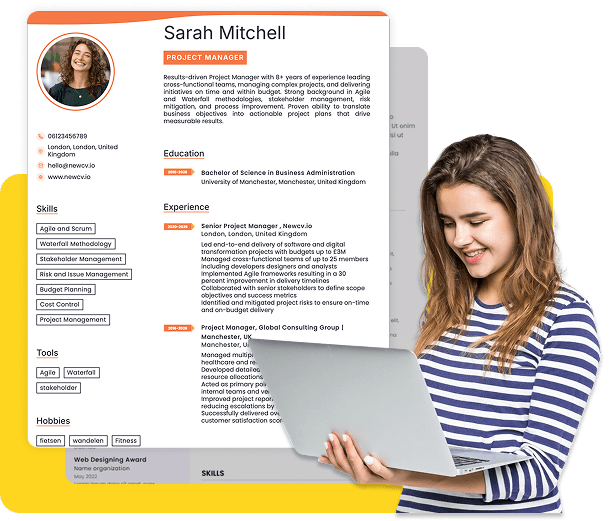
Use ATS-optimised Resume and resume templates that pass applicant tracking systems. Our Resume builder helps recruiters read, scan, and shortlist your Resume faster.

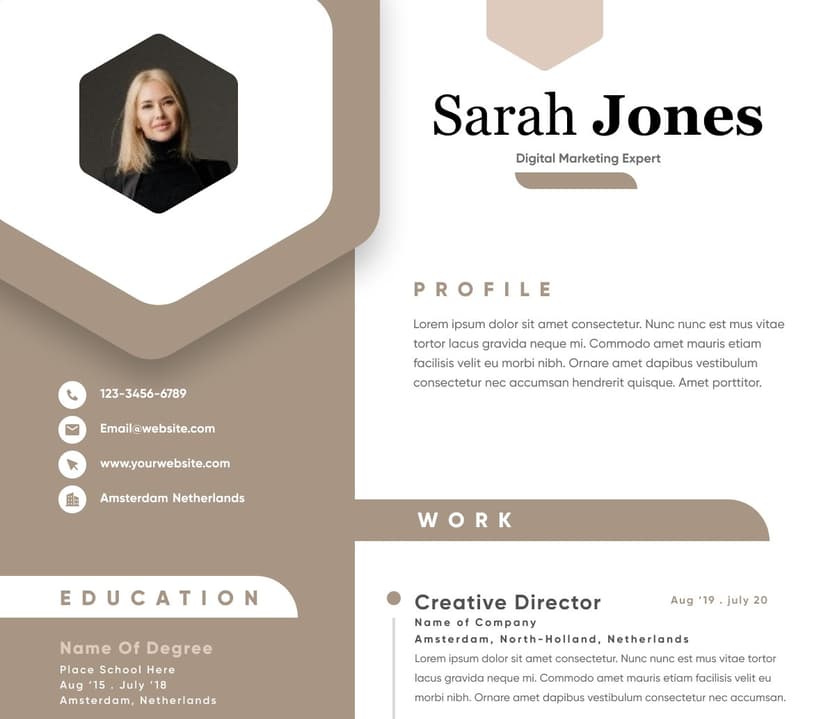
Use professional field-tested resume templates that follow the exact Resume rules employers look for.
Create Resume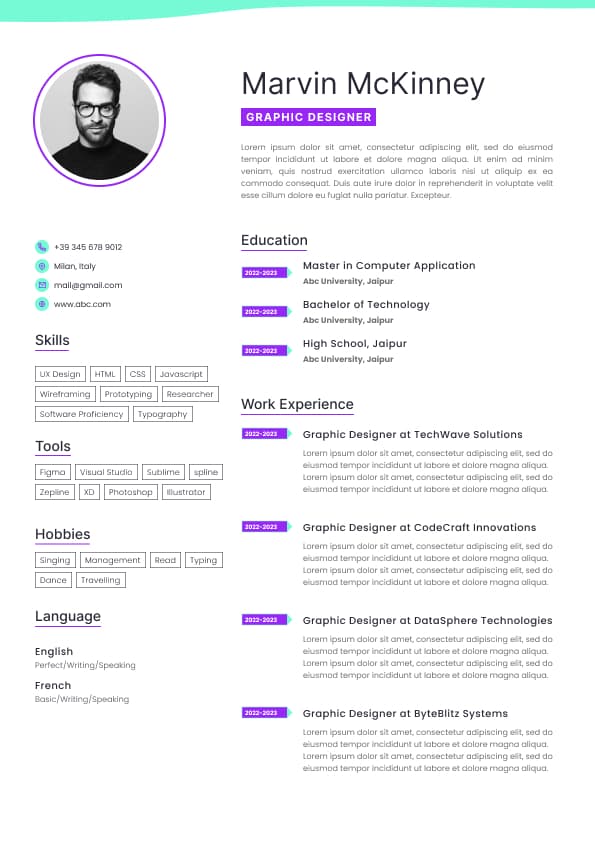
Use professional field-tested resume templates that follow the exact Resume rules employers look for.
Create ResumeStudent Resume Australia
If you are applying for jobs as a student in Australia, your resume does not need years of experience to work. What recruiters actually look for is proof that you are employable, reliable, and easy to train. Most student resumes fail because they are too generic, too empty, or copied from overseas resume advice that does not match Australian hiring expectations.
In the Australian job market, hiring managers screening student candidates are usually making decisions very quickly. For entry level roles, they are often asking themselves:
•Can this person communicate professionally?
• Will they turn up on time?
• Are they customer friendly?
• Can they handle responsibility?
• Are they likely to stay long enough to justify training?
A strong student resume answers those questions immediately, even if you have limited work experience. The goal is not to look “experienced”. The goal is to look employable.
This guide explains exactly how Australian recruiters assess student resumes, what employers expect in 2026, and how to position yourself competitively for part time jobs, internships, retail, hospitality, administration, customer service, and graduate pathway opportunities.
Most student applicants think employers are looking for technical skills first. For entry level hiring, that is rarely true.
Australian recruiters usually prioritise:
•Reliability
• Communication skills
• Professionalism
• Availability
• Customer service mindset
• Initiative
• Ability to learn quickly
• Cultural fit
• Basic workplace maturity
This is especially true for:
•Retail jobs
• Hospitality roles
• Customer service positions
• Administration jobs
• Casual work
• University internships
• Graduate pathway programs
A student resume succeeds when it reduces hiring risk.
That means your resume should make recruiters feel:
“This person will probably be easy to onboard and pleasant to work with.”
That matters more than trying to sound overly corporate or experienced.
For almost all Australian student applicants, the best structure is a reverse chronological resume.
That means:
•Most recent experience first
• Clear headings
• Simple formatting
• Easy scanning
• ATS friendly structure
Avoid:
•Graphic heavy templates
• Multi column designs
• Excessive colours
• Photo resumes
• Skill bars or percentages
• Long personal profiles
• American style objective statements
Australian recruiters strongly prefer resumes that are clean, direct, and easy to skim.
A strong Australian student resume should typically include:
•Contact details
• Professional summary
• Education
• Work experience
• Volunteer experience if relevant
• Skills
• Certifications if relevant
• Availability if helpful for casual roles
For most student resumes, one page is ideal.
Two pages are acceptable if you have internships, multiple jobs, leadership experience, or substantial extracurricular involvement.
Your summary should quickly position you for the type of role you want.
This is not the place for vague statements like:
Weak Example
“Motivated student seeking opportunities to grow and develop skills.”
Recruiters see this constantly and it communicates nothing.
Instead, focus on employability signals.
Good Example
“Reliable university student with strong customer service and communication skills gained through retail and volunteer experience. Available for weekday evening and weekend shifts. Known for being organised, adaptable, and confident working in fast paced environments.”
This works because it answers practical hiring concerns immediately.
For students, education is usually one of the strongest sections.
Include:
•Degree or qualification
• Institution name
• Expected graduation date
• Relevant coursework if useful
• Academic achievements if strong
• Relevant extracurricular activities if valuable
Bachelor of Business
Queensland University of Technology, Brisbane
Expected graduation: November 2027
Relevant coursework: Marketing, Consumer Behaviour, Business Communication
Achievements:
• Dean’s List 2025
• Marketing Society Committee Member
If your GPA is average or below average, leave it off.
In Australia, many employers care more about communication and employability than GPA for student and casual hiring.
This is one of the biggest misconceptions students have.
You do not need formal employment to create a strong resume.
Australian recruiters often value transferable experience such as:
•Volunteer work
• University projects
• Sports leadership
• Tutoring
• Club involvement
• Community participation
• School leadership
• Fundraising
• Family business support
• Freelance work
• Event assistance
The key is positioning.
Do not just describe activities. Show workplace value.
Volunteer Event Assistant
University Open Day Program
March 2025
•Assisted with event setup and student registration
• Directed visitors and answered general enquiries
• Helped manage attendee flow during peak periods
• Represented the university professionally to prospective students and families
This demonstrates communication, professionalism, organisation, and customer interaction.
Recruiters hiring students are not expecting highly technical achievements.
They are looking for indicators of workplace readiness.
Strong student bullet points usually demonstrate:
•Responsibility
• Communication
• Teamwork
• Initiative
• Customer interaction
• Reliability
• Problem solving
• Time management
Weak bullet points are task only.
•Served customers
• Used cash register
• Cleaned store
These describe duties but not value.
•Delivered friendly customer service in a high volume retail environment
• Handled cash transactions accurately during busy trading periods
• Assisted customers with product recommendations and enquiries
• Supported team members during peak weekend and holiday shifts
This sounds more employable without exaggerating experience.
Words like:
•Hardworking
• Motivated
• Passionate
• Team player
mean very little unless supported with evidence.
Recruiters trust examples more than adjectives.
Do not include:
•Date of birth
• Marital status
• Religion
• Nationality unless work rights are relevant
• Full home address
• References available upon request
Modern Australian resumes no longer require these.
Messy formatting creates immediate friction.
Avoid:
•Tiny fonts
• Overdesigned templates
• Excessive italics
• Dense paragraphs
• Inconsistent spacing
• Multiple colours
Good resumes are easy to scan in under 15 seconds.
One of the biggest reasons students get ignored is poor targeting.
Retail employers care about different things than internship recruiters.
Hospitality managers screen differently from graduate recruiters.
Customise:
•Professional summary
• Key skills
• Bullet points
• Keywords
• Availability where relevant
Even small tailoring significantly improves interview rates.
Most medium and large Australian employers now use Applicant Tracking Systems.
Your resume must be readable by both humans and ATS software.
To improve ATS performance:
•Use standard headings
• Include keywords from the job ad naturally
• Avoid tables and graphics
• Save as PDF unless Word is requested
• Match terminology used in the role description
• Keep formatting simple
If the job ad says:
•Customer service
• POS systems
• Team collaboration
• Cash handling
then your resume should reflect those exact phrases where truthful and relevant.
Many students overload resumes with generic software skills.
Employers care more about practical employability.
The most valuable skills depend on the role, but commonly include:
•Customer service
• Cash handling
• POS systems
• Conflict resolution
• Teamwork
• Time management
• Upselling
• Food safety awareness
•Microsoft Office
• Written communication
• Calendar management
• Data entry
• Organisation
• Attention to detail
•Research
• Presentation skills
• Problem solving
• Stakeholder communication
• Analytical thinking
• Project coordination
Only include skills you can realistically demonstrate in an interview.
For many student jobs, yes.
Especially for:
•Internships
• Graduate programs
• Office jobs
• Competitive retail brands
• University related roles
A strong cover letter helps explain:
•Why you want the role
• Why you fit the company
• Your availability
• Your transferable strengths
For casual hospitality roles, many hiring managers still prioritise resumes and availability first.
In Australia:
•“Resume” is the most common term for most industries
• “CV” is more common in academia, research, medicine, and some government sectors
For most student job applications:
Use a resume.
Keep it concise and practical.
Most Australian student resumes should be:
•1 page for school leavers or limited experience
• 1 to 2 pages for university students with work history or internships
Long resumes hurt entry level candidates more than they help.
Recruiters are not expecting extensive experience.
They are expecting clarity.
The best student resumes do not try to look overly impressive.
They look:
•Clear
• Professional
• Relevant
• Easy to trust
What consistently stands out to Australian recruiters:
•Specific examples
• Tailored applications
• Strong communication
• Clean formatting
• Relevant availability
• Evidence of initiative
• Real customer interaction experience
• Leadership or responsibility indicators
Even small details matter.
For example:
“Available for weekend and evening shifts”
can significantly improve callback rates for retail and hospitality jobs.
Keyword stuffing does not work.
But semantic alignment does.
Common high value student resume keywords include:
•Customer service
• Communication skills
• Team environment
• Fast paced environment
• Problem solving
• Time management
• Administration support
• Retail operations
• Cash handling
• Microsoft Office
• Stakeholder communication
• Attention to detail
• Adaptability
• Organisational skills
• Team collaboration
Use them naturally within achievements and responsibilities.
Emily Carter
Brisbane, QLD
0412 000 000
emilycarter@email.com
Reliable and customer focused university student with experience in hospitality and volunteer event support. Strong communication skills, confident working in fast paced environments, and available for weekend and evening shifts. Known for professionalism, adaptability, and strong teamwork skills.
Bachelor of Communication
Griffith University, Brisbane
Expected graduation: 2027
Crew Member
Grill’d, Brisbane
January 2025 to Present
•Delivered customer service in a high volume hospitality environment
• Processed orders and handled EFTPOS transactions accurately
• Maintained food preparation and hygiene standards
• Assisted team members during peak lunch and dinner service periods
Student Orientation Volunteer
Griffith University
February 2025
•Assisted new students with campus navigation and registration
• Answered student enquiries professionally
• Supported event coordination across multiple university activities
•Customer service
• EFTPOS and cash handling
• Communication skills
• Team collaboration
• Time management
• Microsoft Office
Student applicants often underestimate how quickly resumes are rejected.
The most common instant rejection reasons include:
•Spelling mistakes
• Poor grammar
• Generic applications
• Fake sounding experience
• Overcomplicated formatting
• Missing contact details
• Lack of availability for casual roles
• No evidence of communication skills
• Unprofessional email addresses
Australian hiring managers value authenticity far more than inflated wording.
Prioritise:
•Customer service
• Sales interaction
• Teamwork
• Availability
• Reliability
Prioritise:
•Fast paced environments
• Communication
• Food handling
• Multitasking
• Weekend availability
Prioritise:
•Academic projects
• Analytical skills
• Relevant coursework
• Initiative
• Leadership
• Communication skills
Prioritise:
•Organisation
• Attention to detail
• Microsoft Office
• Scheduling
• Professional communication
This is what many students miss.
For entry level hiring, recruiters are often not trying to identify the “best” candidate.
They are trying to eliminate risk.
The resume that wins is often the one that feels:
•Safest to hire
• Easiest to train
• Most professional
• Most reliable
• Most likely to fit the team
That is why communication quality matters so much.
A clean, targeted, error free resume already signals professionalism before the interview even happens.
Before applying, check:
•Is the resume tailored to the role?
• Is formatting clean and ATS friendly?
• Are there spelling or grammar mistakes?
• Does the summary immediately position employability?
• Are bullet points achievement focused?
• Does the resume sound authentic?
• Are relevant keywords included naturally?
• Is the document easy to skim quickly?
• Is contact information correct?
• Is availability included where relevant?


 Upload Resume
 Import from Linkedin