
Choose from a wide range of NEWCV resume templates and customize your NEWCV design with a single click.

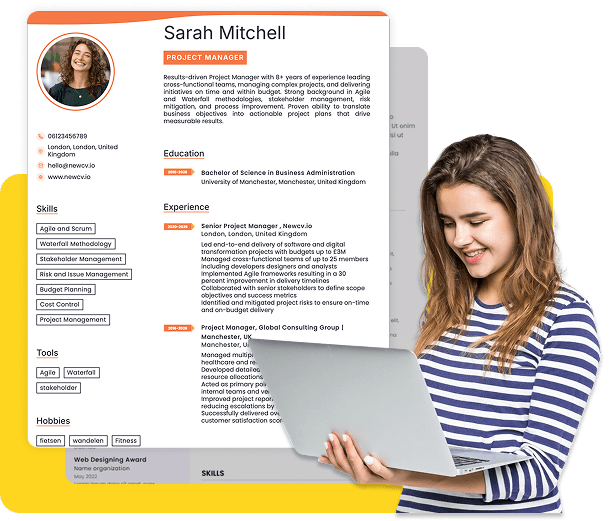
Use ATS-optimised Resume and resume templates that pass applicant tracking systems. Our Resume builder helps recruiters read, scan, and shortlist your Resume faster.

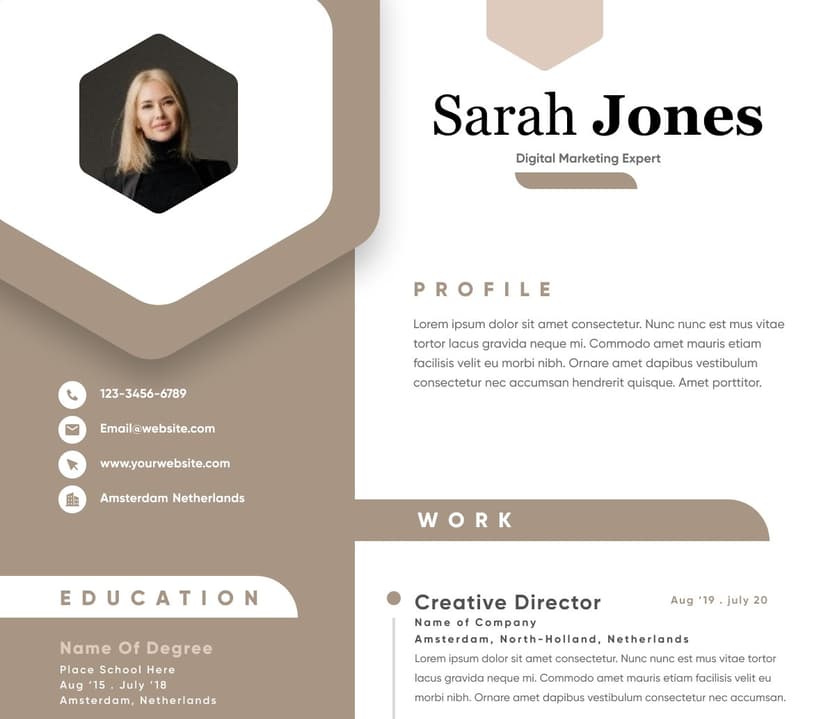
Use professional field-tested resume templates that follow the exact Resume rules employers look for.
Create Resume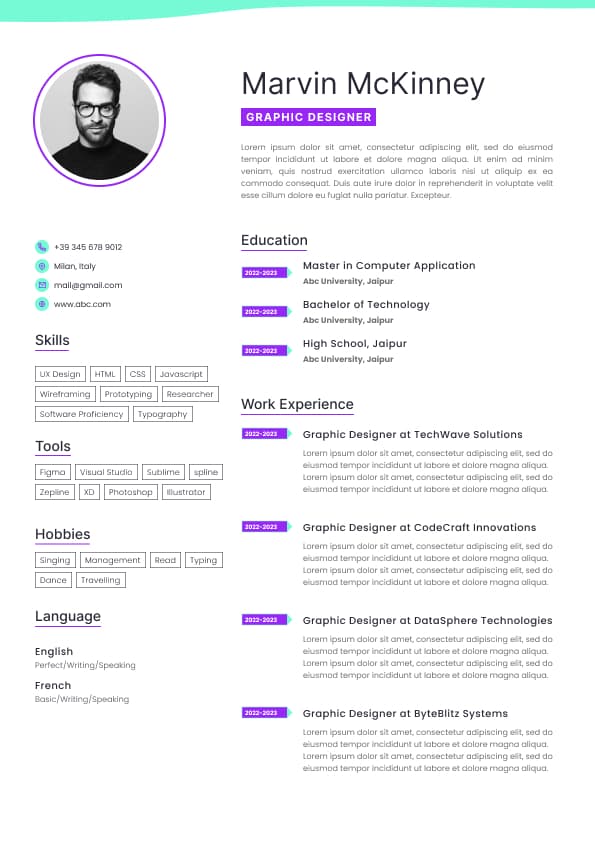
Use professional field-tested resume templates that follow the exact Resume rules employers look for.
Create ResumeAn Australian resume and a US resume are not interchangeable. While both documents aim to position you for interviews, Australian recruiters evaluate candidates differently, expect different information, and often reject resumes that feel “too American” in tone, structure, or presentation.
The biggest mistake international candidates make is assuming they can use the same resume globally. In practice, Australian hiring managers immediately notice US-style resumes because they often feel overly self-promotional, too brief, too achievement-heavy without context, or missing practical details Australian employers expect.
If you are applying for jobs in Australia from the US, relocating internationally, or adapting your resume for Australian employers, understanding these differences can significantly improve your interview conversion rate.
This guide explains the real differences between Australian resumes and US resumes, including formatting, tone, recruiter expectations, ATS compatibility, resume length, references, and hiring culture.
Before comparing resume formats, you need to understand the underlying hiring mindset.
Australian recruitment culture is generally:
More practical and evidence-driven
Less impressed by aggressive self-promotion
More focused on team fit and credibility
More sceptical of exaggerated claims
More detail-oriented regarding responsibilities and scope
US recruitment culture is often:
Faster-paced and highly achievement-focused
More comfortable with strong personal branding
| Area | Australian Resume | US Resume |
| ---------------------- | ------------------------------ | ----------------------------------- |
| Typical Length | 2 to 4 pages | 1 to 2 pages |
| Tone | Practical and direct | Achievement-heavy and branded |
| References | Often included or stated | Usually omitted |
| Personal Profile | Moderate and factual | Strong personal branding |
| Work Experience Detail | More detailed responsibilities | Shorter achievement-focused bullets |
| Education Placement | Flexible | Often earlier for graduates |
| Photos | Not recommended | Not recommended |
| Objective Statements | Rare | More common historically |
| Cover Letters | Commonly expected | Sometimes optional |
| ATS Optimisation | Important but balanced | Highly optimised |
| Writing Style | Modest and evidence-based | More promotional |
More accepting of bold language and sales-style positioning
More metrics-driven in resume writing
More tolerant of highly polished marketing language
This affects how resumes are evaluated.
A US resume that says:
Weak Example
“Visionary sales leader who transformed enterprise growth through innovative customer acquisition strategies.”
May immediately trigger scepticism with Australian recruiters because it sounds inflated and vague.
An Australian recruiter is more likely to respond positively to:
Good Example
“Managed a national B2B sales portfolio across NSW and Victoria, increasing annual revenue by 18% over two years.”
Australian hiring managers generally prefer grounded credibility over marketing-style positioning.
One of the biggest shocks for US applicants is Australian resume length expectations.
In the US, candidates are often told:
Keep resumes to one page
Two pages maximum
Recruiters spend seconds reviewing resumes
In Australia, this advice is often misunderstood or oversimplified.
Australian resumes are commonly:
2 to 3 pages for mid-level professionals
3 to 4 pages for senior professionals
Longer in government, engineering, mining, healthcare, education, and executive roles
Australian employers generally expect more context around:
Scope of responsibilities
Team size
Systems used
Stakeholder exposure
Operational responsibilities
Industry environment
Project complexity
A one-page US-style resume can sometimes appear underdeveloped or lacking substance in Australia.
However, longer does not mean bloated.
Australian recruiters still reject resumes that contain:
Generic responsibilities
Repetition
Dense walls of text
Irrelevant old experience
Empty buzzwords
The difference is depth versus brevity.
US resumes often prioritise compressed achievement statements like:
Increased revenue by 32%
Reduced costs by $1.2M
Improved customer retention by 25%
These metrics matter in Australia too, but recruiters also want operational context.
Australian hiring managers often ask:
What type of business was this?
How large was the team?
What was your actual level of authority?
Was this strategic or operational?
What systems or stakeholders were involved?
How hands-on was the role?
A stronger Australian-style bullet point usually combines:
Responsibility
Scope
Outcome
Context
Weak Example
“Increased operational efficiency by 25%.”
Good Example
“Managed daily warehouse operations across a 12-person logistics team, improving dispatch turnaround times by 25% during peak seasonal demand.”
The second version feels more credible and useful to Australian recruiters.
Many US resume-writing strategies encourage:
Personal branding language
Executive-style summaries
Power adjectives
Strong sales positioning
Australian recruiters are generally more cautious about resumes that sound overly polished or exaggerated.
Language that may work well in the US can feel inauthentic in Australia.
Phrases that often reduce credibility in the Australian market include:
“World-class leader”
“Dynamic visionary”
“Results-driven disruptor”
“Best-in-class professional”
“Innovative thought leader”
Australian hiring managers usually prefer:
Specificity
Practical achievements
Clear accountability
Honest positioning
Evidence-based claims
Confidence is good. Over-selling is not.
US resumes often use highly branded summaries like:
“High-performing marketing executive with a proven track record of accelerating enterprise transformation and delivering scalable growth strategies.”
Australian resume summaries are usually:
More factual
More grounded
More role-specific
Less exaggerated
A stronger Australian version might be:
“Marketing Manager with eight years’ experience across retail and FMCG environments, specialising in digital campaigns, brand strategy, and customer acquisition.”
This sounds more credible in the Australian market because it quickly explains:
Experience level
Industry exposure
Functional expertise
Without sounding inflated.
One of the clearest differences between Australian resumes and US resumes is references.
In the US:
References are rarely included
Recruiters usually request them later
“References available upon request” is often unnecessary
In Australia:
References are still more culturally expected
Some employers request them earlier
Recruiters frequently ask during screening stages
Australian resumes commonly include either:
OR
For senior, government, healthcare, education, and operational roles, referees are particularly important.
Australian employers often place significant weight on:
Manager feedback
Workplace reputation
Reliability validation
Team fit confirmation
This is especially true in smaller industries or regional sectors.
Job hopping is viewed differently in Australia.
US recruitment can sometimes tolerate:
Frequent moves
Short tenure
Rapid career shifts
Aggressive progression
Australian employers are often more cautious.
Frequent short-term roles may raise concerns about:
Reliability
Commitment
Team stability
Retention risk
This does not mean career movement is bad. It means your resume must explain progression clearly.
Australian recruiters usually respond better when candidates show:
Logical career progression
Internal promotions
Long-term contribution
Strong tenure patterns
Clear reasons for transitions
If you have several short-term roles, contextual framing becomes important.
Many US applicants underestimate the importance of cover letters in Australia.
In Australia:
Cover letters are still commonly expected
Recruiters often read them
Government and corporate roles frequently require them
Hiring managers use them to assess communication style and motivation
A weak or generic cover letter can reduce your chances significantly.
Australian employers particularly value:
Clear alignment with the role
Practical motivation
Industry understanding
Communication skills
Genuine interest
Generic AI-generated cover letters are becoming easier for recruiters to spot.
The strongest Australian cover letters feel:
Specific
Natural
Direct
Professional without sounding robotic
Both Australia and the US use Applicant Tracking Systems.
However, candidates often misunderstand ATS optimisation.
Some US resume strategies over-prioritise:
Keyword stuffing
Dense skills sections
Over-optimised formatting
Artificial phrasing
Australian recruiters still care about ATS compatibility, but readability matters heavily.
A strong Australian resume balances:
ATS keyword relevance
Human readability
Clear structure
Practical evidence
Natural language
Australian recruiters often manually review resumes thoroughly, especially in:
Mid-market companies
Government
Healthcare
Construction
Engineering
Education
Skilled trades
Over-optimised resumes can actually reduce trust if they feel unnatural.
Australian resumes are usually:
Clean and professional
Simple in layout
Easy to scan
Moderate in design
Over-designed resumes can hurt credibility, particularly outside creative industries.
Australian recruiters generally prefer:
Clear headings
Logical structure
Consistent formatting
Strong readability
ATS-friendly layouts
Most effective Australian resumes include:
Name and contact details
Professional summary
Key skills
Work experience
Education
Certifications
Technical skills if relevant
Referees or referee statement
Photos, graphics, icons, and highly stylised templates are usually unnecessary.
The strongest Australian resumes typically sound:
Competent
Practical
Clear
Evidence-based
Professional without exaggeration
Australian hiring managers often trust resumes more when they:
Explain actual responsibilities clearly
Demonstrate operational understanding
Show measurable outcomes naturally
Avoid hype language
Feel authentic
This is especially important because Australian workplaces often value:
Collaboration
Reliability
Practical contribution
Communication style
Cultural fit
An aggressively self-promotional resume can unintentionally work against you.
Australian recruiters often reject resumes that feel too sales-focused or ego-driven.
Tone matters.
A one-page resume for an experienced professional can appear lacking in depth.
Examples include:
“CV objective” instead of professional summary
“Supervisor of associates” instead of team leadership wording commonly used locally
Excessive corporate jargon
Localisation matters.
Australian employers frequently want clarity around:
Work rights
Visa eligibility
Permanent residency
Sponsorship requirements
If relevant, include this strategically.
Australian recruiters generally prefer:
Clear responsibilities
Specific achievements
Practical outcomes
Not marketing language.
During resume screening, Australian recruiters often assess:
Relevant industry experience
Stability and tenure
Local market understanding
Communication quality
Scope of responsibilities
Practical achievements
Team and stakeholder exposure
Technical capability
Cultural fit indicators
Eligibility to work in Australia
This differs slightly from highly metrics-driven US screening approaches.
Australian recruiters usually ask:
“Can this person realistically do the job in our environment?”
Not:
“Does this candidate sound impressive on paper?”
That distinction changes how resumes should be written.
In most cases, yes.
Minor edits are usually not enough.
A proper Australian adaptation often requires:
Tone adjustment
Structural changes
Expanded role context
Local terminology
Revised summaries
Different achievement framing
Better explanation of responsibilities
Australian formatting standards
The strongest international candidates localise their resume strategically rather than simply converting spelling from American English to Australian English.
Neither format is universally better.
They are built for different hiring cultures.
US resumes are often:
Faster-paced
More achievement-marketing oriented
More concise
More aggressive in positioning
Australian resumes are often:
More practical
More contextual
More credibility-focused
More grounded in operational reality
The best resume is the one aligned with the employer’s expectations.
If you are applying in Australia, Australian hiring logic matters far more than US resume advice.
Australian resumes succeed when they feel credible, relevant, and practical.
The biggest adjustment for US applicants is usually not formatting. It is tone.
Australian recruiters want to understand:
What you actually did
The environment you worked in
The level of responsibility you held
The outcomes you achieved
Whether you will fit into the organisation realistically
Resumes that sound overly polished, exaggerated, or aggressively self-promotional often underperform in the Australian market.
A strong Australian resume balances:
Clear achievements
Real operational context
Professional communication
Practical credibility
Human readability
ATS compatibility
That balance is what consistently gets interviews in Australia.


 Upload Resume
 Import from Linkedin