
Choose from a wide range of NEWCV resume templates and customize your NEWCV design with a single click.

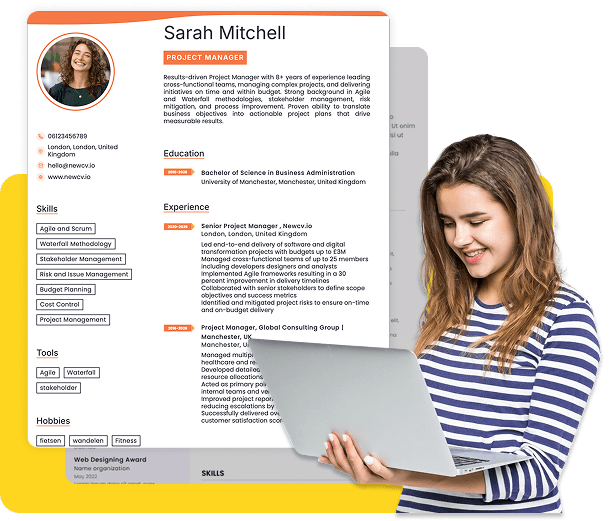
Use ATS-optimised Resume and resume templates that pass applicant tracking systems. Our Resume builder helps recruiters read, scan, and shortlist your Resume faster.

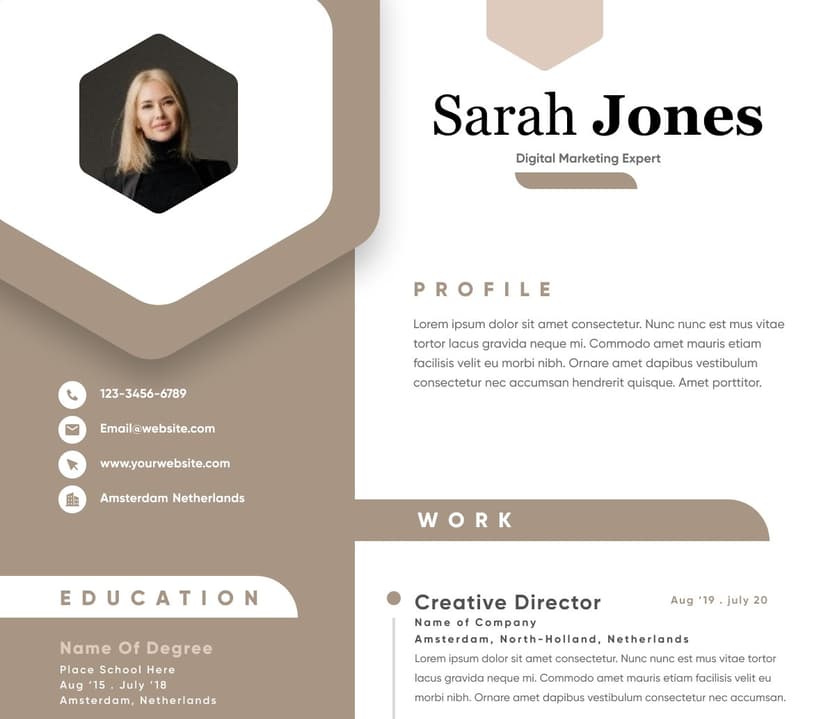
Use professional field-tested resume templates that follow the exact Resume rules employers look for.
Create Resume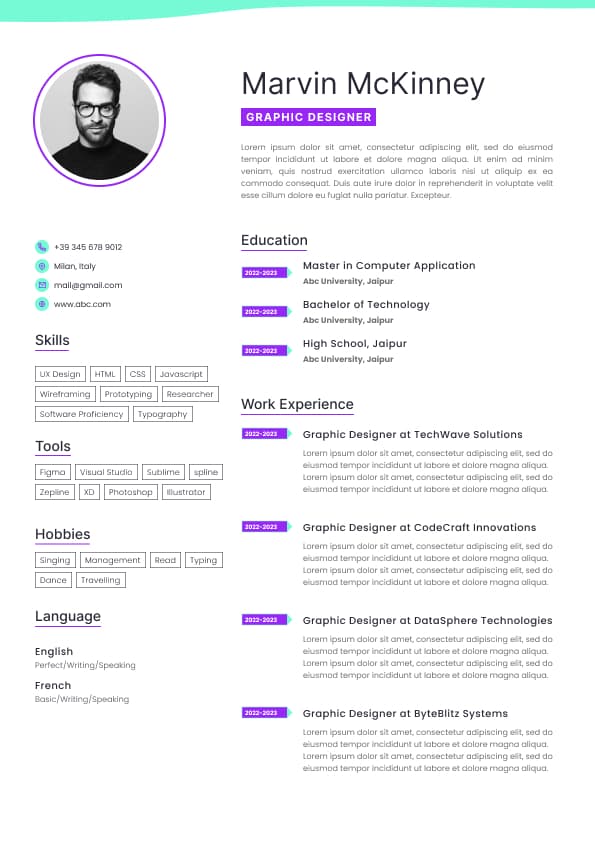
Use professional field-tested resume templates that follow the exact Resume rules employers look for.
Create ResumeA mining resume in Australia needs to do one thing exceptionally well: prove you can work safely, reliably, and productively in a high-risk operational environment. Most applicants fail because they write generic resumes that could apply to any industry. Mining recruiters and hiring managers are screening for site readiness, tickets, safety culture, machine competency, roster suitability, and reliability long before they care about polished wording.
If your resume does not quickly show:
Relevant mining or transferable heavy industry experience
Current licences and tickets
FIFO or remote work readiness
Safety compliance history
Mining resumes are evaluated differently from standard corporate resumes. Recruiters are often reviewing hundreds of applicants against strict site requirements and client mandates.
In many mining recruitment processes, the first review takes less than 30 seconds.
Hiring managers typically scan for:
Site experience
Machinery or equipment experience
Relevant commodities
Tickets and licences
FIFO availability
Roster flexibility
Medical and drug testing capability
For most mining roles, a reverse chronological resume works best.
This means:
Most recent role first
Clear employment dates
Straightforward formatting
No graphics or complicated layouts
ATS-friendly structure
Easy scanning for recruiters and labour hire agencies
Avoid:
Two-column resume layouts
Equipment or operational competency
Ability to pass medicals and drug testing
you will usually be filtered out early.
Australian mining employers hire for operational risk reduction first. Skills matter, but trust, safety, and reliability matter more. Your resume needs to reflect how mining companies actually assess candidates on-site, not just how generic career websites say resumes should look.
Safety exposure
Work stability
Immediate availability
A polished resume means nothing if these core operational indicators are missing.
Mining employers also tend to value:
Practical experience over fancy wording
Clear evidence over buzzwords
Safety outcomes over generic achievements
Reliability over personality-heavy resumes
This is why many strong workers still struggle to get interviews. Their resume simply does not align with how mining recruitment actually works in Australia.
Overdesigned templates
Skill-rating bars
Excessive colours
Long personal statements
Generic “career objective” sections
Mining recruitment is highly operational. Simplicity wins.
Your mining resume should usually follow this structure:
Include:
Full name
Mobile number
Professional email address
State or location
Relevant licences if highly important to the role
For example:
“WA HR Licence | White Card | Standard 11 | Coal Board Medical”
This immediately signals site readiness.
Your summary should quickly position you for the exact mining role.
A good mining summary is:
Specific
Operational
Site-focused
Safety-focused
Industry-relevant
“Hardworking team player seeking opportunities in mining.”
This says almost nothing.
“FIFO dump truck operator with 5+ years’ experience across iron ore and gold sites in WA. Skilled operating CAT 793 and Komatsu 830E haul trucks in high-production environments with strong safety compliance and zero LTIs.”
The second example immediately gives recruiters:
Experience level
Commodity exposure
Equipment competency
Location relevance
Safety credibility
This section is often one of the first things recruiters check.
For mining roles in Australia, this can determine whether you are shortlisted immediately or rejected instantly.
Include all relevant:
HR or MC licence
White Card
Standard 11
Working at Heights
Confined Space
Forklift licence
RII competencies
First Aid
Coal Board Medical
National Police Check
Dangerous Goods licence
High Risk Work licences
MSIC card if relevant
Always include:
Expiry dates if applicable
Current status
State-recognised certifications
A common mistake is burying critical tickets deep in the resume. Mining recruiters often need to identify compliance qualifications quickly.
Most mining resumes fail because work experience is too vague.
Mining employers want operational detail.
Every role should clearly show:
Site type
Commodity
Employer or contractor
Equipment operated
Production environment
Safety responsibilities
Team environment
Roster structure where relevant
“Operated machinery and followed safety procedures.”
Too generic.
“Operated CAT 785 and Komatsu 830E haul trucks on a FIFO iron ore site in WA. Maintained safe production targets in line with site procedures while working 2:1 roster rotations in high-volume mining operations.”
The second version demonstrates:
Exact equipment
Commodity exposure
FIFO suitability
Operational environment
Production awareness
That is what recruiters actually screen for.
Strong mining bullet points focus on:
Equipment competency
Safety performance
Reliability
Production contribution
Site compliance
Operational scale
Operated CAT 793 haul trucks in open-cut iron ore production environment
Maintained zero safety incidents across 24 months on FIFO roster
Completed pre-start inspections and shutdown procedures in line with site requirements
Worked rotating 2:1 FIFO roster across remote WA operations
Assisted with shutdown maintenance activities under strict permit systems
Achieved production targets while maintaining compliance with fatigue management procedures
Supported daily toolbox meetings and hazard reporting processes
Worked safely in high-risk environments with strong commitment to Take 5 procedures
These bullets reflect real mining operations rather than generic resume language.
FIFO recruitment in Australia is heavily influenced by risk reduction.
Employers are quietly assessing:
Whether you can handle remote work
Whether you understand roster demands
Whether you are likely to quit early
Whether you are medically fit
Whether you can integrate into camp culture
Whether you can maintain safety standards under fatigue
This means your resume should subtly reinforce:
Reliability
Long-term employment history
Roster stability
Remote work adaptability
Safety discipline
If you already have FIFO experience, make it obvious.
If you do not have FIFO experience, highlight:
Remote work
Shift work
Long hours
Labour-intensive environments
Construction, transport, agriculture, defence, oil and gas, or heavy industry backgrounds
Mining employers often hire transferable candidates if the resume positions them correctly.
One of the biggest myths is that entry-level mining resumes should pretend the applicant already works in mining.
Recruiters see through this instantly.
Instead, focus on transferable operational value.
Strong transferable industries include:
Civil construction
Warehousing
Transport
Agriculture
Defence
Manufacturing
Oil and gas
Heavy logistics
Trades
Rail
The key is translating your experience into mining-relevant capabilities.
Include:
Safety compliance
Shift work
Physical labour
Machinery operation
Long-hour environments
Team-based operational work
Remote work exposure
Heavy equipment familiarity
“Experienced civil construction labourer with strong exposure to heavy machinery environments, remote project work, strict safety procedures, and physically demanding shift-based operations.”
That positioning works far better than pretending to be an experienced miner.
Mining employers do not care about phrases like:
“Results-driven professional”
“Team player”
“Dynamic individual”
These phrases add zero operational value.
If recruiters cannot immediately identify your licences and site compliance qualifications, you reduce your shortlist chances significantly.
Mining is practical and operational. Overly polished corporate wording often feels disconnected from site reality.
If you operated machinery, list the actual machinery.
For example:
CAT 777
Komatsu 830E
Hitachi EX3600
Liebherr R9400
Specificity matters enormously in mining recruitment.
Mining companies are extremely risk-focused.
If your resume lacks:
Safety systems
Compliance exposure
Toolbox meetings
Hazard reporting
Permit systems
Isolation procedures
you may appear inexperienced in site culture.
Mining recruiters are highly sensitive to employment gaps and short-term job hopping.
Be transparent and consistent.
Many Australian mining companies and labour hire agencies use Applicant Tracking Systems.
Your resume should naturally include keywords related to:
FIFO
Mining operations
Haul truck
Excavator
Drill and blast
Shutdown
Processing plant
Open cut
Underground
Safety compliance
RII
Site induction
Heavy equipment
Fixed plant
Mobile plant
But avoid keyword stuffing.
The resume still needs to sound natural and operationally credible.
For most mining applicants:
2 to 4 pages is acceptable
Experienced operators and trades may need more detail
Entry-level applicants should usually stay closer to 2 pages
Mining recruiters care more about relevance than strict page count.
A concise, detailed 3-page mining resume is often stronger than a vague 1-page resume.
Hiring managers often scan resumes differently from recruiters.
Recruiters assess:
Eligibility
Compliance
Site fit
Availability
Hiring managers assess:
Operational competency
Team fit
Safety mindset
Productivity potential
Reliability under pressure
This is why resumes should balance:
Compliance visibility
Operational detail
Safety credibility
Practical work history
The best mining resumes feel realistic, grounded, and site-ready.
Sometimes yes, but only if it adds strategic value.
A mining cover letter works best when:
You are transitioning industries
You are applying interstate
You are seeking FIFO entry roles
You have strong transferable experience
You need to explain site readiness
A generic cover letter usually gets ignored.
If you write one, keep it:
Short
Operational
Specific
Safety-focused
Focused on roster and site readiness
The strongest mining keywords are operational, not generic.
Examples include:
FIFO
Open cut mining
Underground mining
Coal operations
Gold operations
Iron ore operations
Heavy mobile equipment
Shutdown maintenance
Fixed plant
Mobile plant
Roster work
Pre-start inspections
Permit systems
Isolation procedures
Hazard reporting
Take 5
JSA
Toolbox meetings
Production targets
Fatigue management
These terms align with real mining environments and recruiter searches.
Most applicants focus too heavily on “sounding professional”.
Mining employers are usually hiring for:
Safety
Reliability
Operational consistency
Compliance
Team behaviour
Ability to work remotely without issues
Your resume should make recruiters feel:
“This person will integrate safely into site operations and reliably do the job.”
That is the real hiring goal.
The strongest mining resumes in Australia are:
Clear
Practical
Safety-focused
Equipment-specific
Operationally credible
Easy to scan
Honest about experience level
Generic resumes rarely survive mining recruitment processes.


 Upload Resume
 Import from Linkedin