
Choose from a wide range of NEWCV resume templates and customize your NEWCV design with a single click.

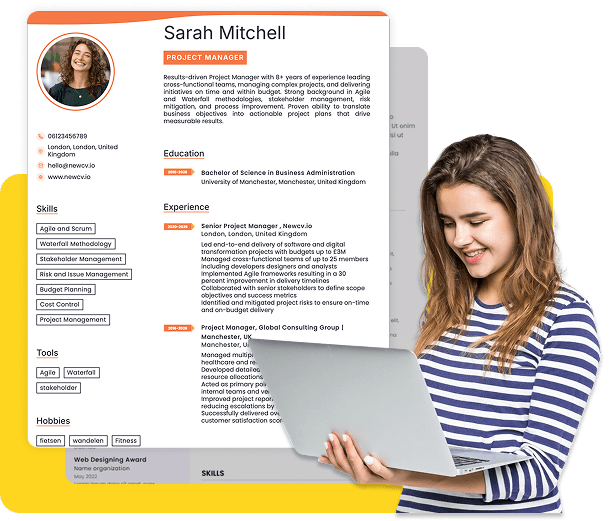
Use ATS-optimised Resume and resume templates that pass applicant tracking systems. Our Resume builder helps recruiters read, scan, and shortlist your Resume faster.

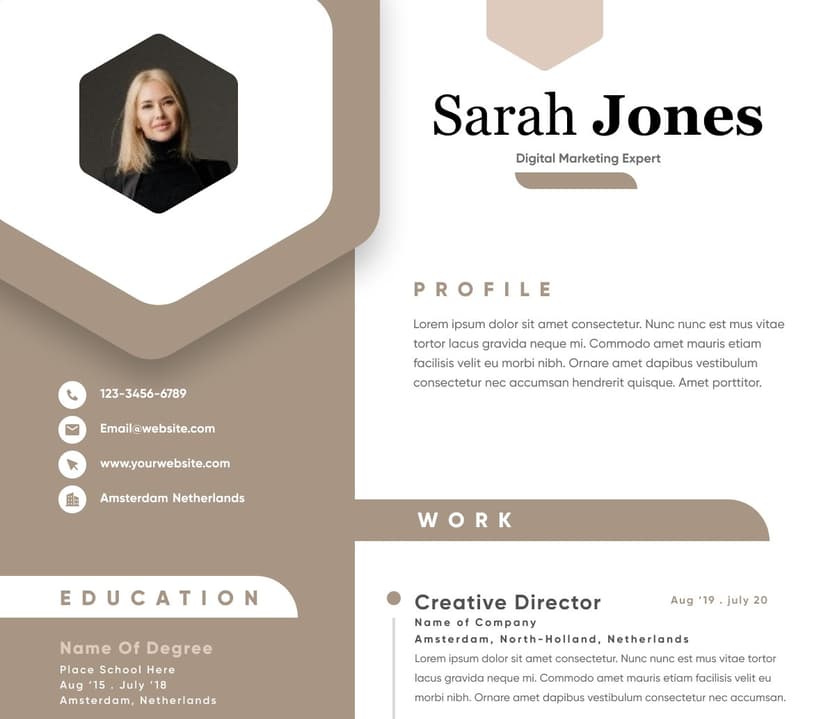
Use professional field-tested resume templates that follow the exact Resume rules employers look for.
Create Resume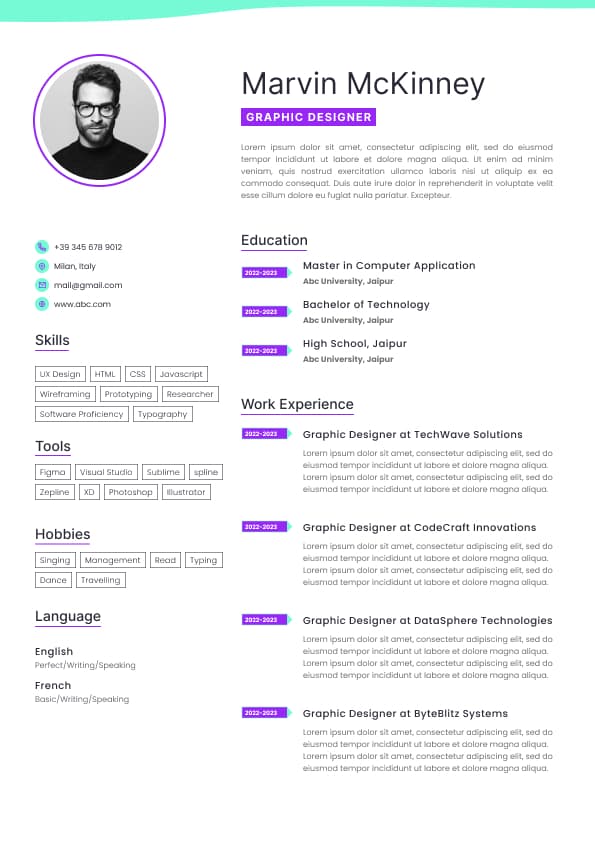
Use professional field-tested resume templates that follow the exact Resume rules employers look for.
Create ResumeMost Australian employers expect some level of salary negotiation, particularly for professional, corporate, technical, management, and specialist roles. What matters is how you negotiate.
The biggest mistake candidates make is treating salary negotiation like a confrontation. In the Australian hiring market, recruiters and hiring managers usually respond best to candidates who are commercially aware, realistic, collaborative, and confident without sounding entitled.
A well-handled salary negotiation can:
Increase your starting salary by thousands per year
Improve long-term earning potential
Position you as a stronger professional
Establish confidence and market value early
A poorly handled negotiation can:
Make you appear difficult before you even start
You generally have the strongest negotiating position after the employer decides they want you, but before you formally accept the offer.
This is the critical window where:
The company has emotionally committed to hiring you
The hiring manager wants to secure the role quickly
Recruiters are trying to close the process
Replacing you means restarting recruitment
Before this point, aggressive salary discussions can reduce your competitiveness. After you accept, your leverage drops significantly.
The best time to negotiate is usually:
Immediately after receiving a verbal offer
Before signing the contract
Damage trust with the hiring manager
Push you outside budget range
Kill momentum late in the hiring process
The key is understanding when leverage exists, how Australian employers assess candidates internally, and what negotiation style hiring managers actually respond to.
After understanding the full compensation package
In Australia, many employers build negotiation buffer into the salary range. The first offer is often not the maximum approved budget.
Not always.
Good candidates assess:
The size of the offer
Market alignment
Internal growth opportunity
Flexibility in benefits
How competitive the process was
Economic conditions in the industry
Sometimes the smartest move is accepting quickly.
The offer is below current market rate
You exceed the role requirements
You have competing offers
The role is difficult to fill
You bring specialist experience
The employer approached you directly
The role involves high responsibility or leadership
Graduate roles with fixed salary bands
Government or award-based positions
Highly oversubscribed entry-level jobs
Small businesses with tight budgets
Roles where salary expectations were already agreed earlier
One of the biggest recruiter frustrations is candidates dramatically changing expectations at offer stage after previously confirming a lower range.
That damages trust immediately.
In Australia, reasonable negotiation usually sits around:
5% to 15% above the initial offer
Sometimes higher for senior, executive, or niche technical roles
The right number depends on:
Market salary benchmarks
Your experience level
Scarcity of skills
Industry demand
Location
Company size
Current salary
The strongest negotiators justify their request commercially instead of emotionally.
“I was hoping for a bit more money.”
This creates no business justification.
“Based on the scope of the role, current Sydney market rates for similar positions, and the experience I’d bring across stakeholder management and transformation delivery, I was hoping we could explore something closer to $145,000 plus super.”
This sounds commercially aware, researched, and professional.
Hiring managers are usually assessing more than money during negotiation.
They are evaluating:
Professional maturity
Communication style
Commercial awareness
Confidence level
Emotional intelligence
Future working relationship risk
Candidates who negotiate calmly and professionally often create a stronger impression than candidates who avoid negotiation entirely.
What hiring managers dislike:
Ultimatums too early
Emotional pressure tactics
Aggressive demands
Unrealistic salary jumps
Candidates quoting inflated market figures
Negotiating without evidence
What works well:
Clear reasoning
Data-backed expectations
Flexibility
Respectful tone
Understanding total package value
Australian hiring culture generally rewards practical, grounded communication over hard-selling tactics.
Most candidates do not realise recruiters are usually balancing three separate pressures:
The candidate’s expectations
The employer’s approved budget
The urgency to fill the role
Internal recruiters often have limited flexibility. External recruiters may have more incentive to close quickly but still need employer approval.
Recruiters are also trying to avoid:
Offer rejection risk
Internal salary inequity
Future retention issues
Hiring manager pushback
This is why strong candidates provide a clear, reasonable range rather than vague or inflated demands.
Strong salary negotiation starts long before the interview.
Candidates who negotiate well usually understand:
Their market value
Industry salary ranges
Competitor compensation trends
Geographic salary differences
SEEK salary data
Hays Salary Guide
Michael Page Salary Guide
Robert Half Salary Guide
LinkedIn job market trends
Industry recruitment reports
Peer benchmarking conversations
You should compare:
Base salary
Superannuation
Bonus structure
Equity
Hybrid flexibility
Leave entitlements
Career progression potential
A role paying slightly less may still be commercially stronger long term if progression is substantially better.
The strongest strategy is collaborative negotiation, not confrontation.
Your goal is to:
Reinforce excitement about the role
Confirm alignment
Professionally discuss compensation
Always reinforce interest before discussing money.
Example:
“Thanks again for the offer. I’m genuinely excited about the opportunity and the direction of the team.”
This reduces tension immediately.
Example:
“I appreciate the offer and the time the team has invested throughout the process.”
Keep it commercially focused.
Example:
“Based on the scope of the role, my experience leading similar projects, and current market benchmarks, I was hoping we might be able to explore something closer to…”
Many candidates destroy negotiations by overtalking.
Silence is often where negotiation movement happens.
“Thanks again for the offer. I’m very interested in the role. Based on my experience and current market rates, would there be flexibility to move closer to $X?”
“I wanted to be transparent that I’m currently considering another opportunity at a slightly higher package. However, this role is genuinely my preference, so I’d love to see whether there’s flexibility on the compensation side.”
Instead of pushing harder immediately, explore alternatives:
Sign-on bonus
Additional leave
Earlier salary review
Hybrid flexibility
Professional development budget
Title adjustment
Example:
“I completely understand budget constraints. Would there be flexibility around an earlier performance review or additional benefits within the package?”
Candidates who aggressively push salary in the first interview often reduce perceived fit.
Employers want confidence, not transactional behaviour.
A major issue in Australian hiring is candidates following aggressive US-style negotiation tactics.
Australian hiring culture is generally:
Less confrontational
More relationship-driven
More collaborative
Less impressed by hard-pressure tactics
Highly aggressive negotiation styles can make candidates appear difficult or culturally misaligned.
If you say:
“I’m looking anywhere between $110k and $160k.”
The employer hears:
“This candidate does not know their market value.”
Strong candidates provide tighter, commercially realistic ranges.
The strongest salary requests are tied to:
Scope
Experience
Revenue impact
Technical capability
Leadership experience
Market data
Weak negotiation relies on personal need.
Hiring managers care more about business value than personal financial pressure.
Many candidates negotiate base salary but ignore:
Bonus potential
Superannuation structure
Flexibility
Career growth
Team quality
Leadership exposure
Brand value
Work-life balance
In Australia, career progression and flexibility increasingly influence hiring decisions alongside salary.
Most medium and large organisations operate within salary bands.
These bands often include:
Minimum
Midpoint
Maximum approved range
Where you land depends on:
Experience
Internal equity
Scarcity
Budget approval
Seniority relative to peers
A hiring manager may want to pay more but still need HR or finance approval.
Understanding this helps candidates negotiate realistically.
Yes, but it is uncommon when negotiation is handled professionally.
Offers are more likely to collapse when:
Candidates become aggressive
Salary expectations suddenly jump
Trust breaks down
Communication becomes difficult
The candidate appears high-risk
Professional negotiation rarely damages an offer.
In fact, many employers expect it.
The key is staying commercially reasonable and collaborative.
Internal salary negotiation is different because:
Your current salary is known
Internal equity matters more
Existing relationships influence perception
HR policies are stricter
Strong internal candidates focus on:
Expanded responsibilities
Increased business impact
Leadership growth
Market alignment
Avoid emotional arguments based on loyalty alone.
Long tenure without measurable impact rarely justifies a large increase internally.
Remote work changed salary conversations across Australia.
Many employers now assess:
Geographic salary alignment
National versus city-based pay
Office attendance expectations
Flexibility trade-offs
Some candidates accept slightly lower salaries for:
Fully remote work
Reduced commuting costs
Better lifestyle balance
Regional living flexibility
Strong negotiators assess total lifestyle value, not just headline salary.
A “no” does not always mean the negotiation failed.
You now need to evaluate:
Career growth potential
Skill-building opportunities
Market positioning
Company reputation
Team quality
Future salary review pathways
Sometimes accepting a strategically valuable role creates far higher long-term earnings.
The smartest candidates think beyond immediate salary alone.
Strong salary negotiation is usually less about persuasion and more about risk management.
Hiring managers ask themselves:
Will this person be difficult later?
Are they commercially reasonable?
Do they understand their value accurately?
Will they stay long term?
Are they mature under pressure?
Candidates who stay calm, informed, and collaborative reduce perceived hiring risk.
That often creates better outcomes than aggressive negotiation tactics.
Salary negotiation in Australia works best when it feels professional, commercially grounded, and collaborative.
The highest-performing candidates do not negotiate emotionally. They understand:
Their market value
Employer constraints
Timing
Hiring psychology
Long-term career leverage
A good negotiation strengthens your positioning.
A poor negotiation creates doubt.
The goal is not to “win” the conversation. The goal is to secure strong compensation while reinforcing that hiring you is a smart business decision.


 Upload Resume
 Import from Linkedin