
Choose from a wide range of NEWCV resume templates and customize your NEWCV design with a single click.

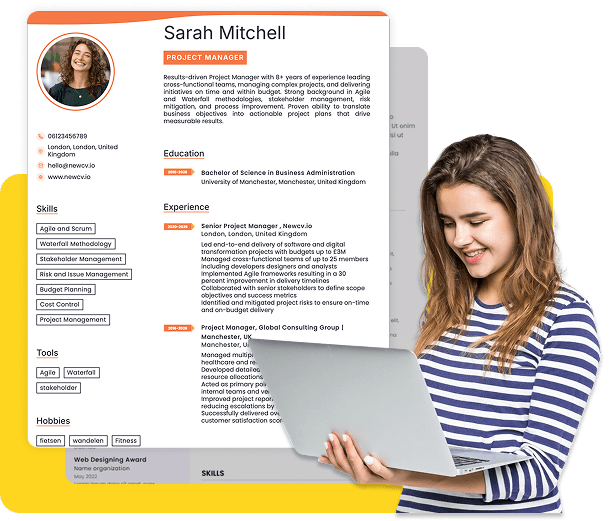
Use ATS-optimised Resume and resume templates that pass applicant tracking systems. Our Resume builder helps recruiters read, scan, and shortlist your Resume faster.

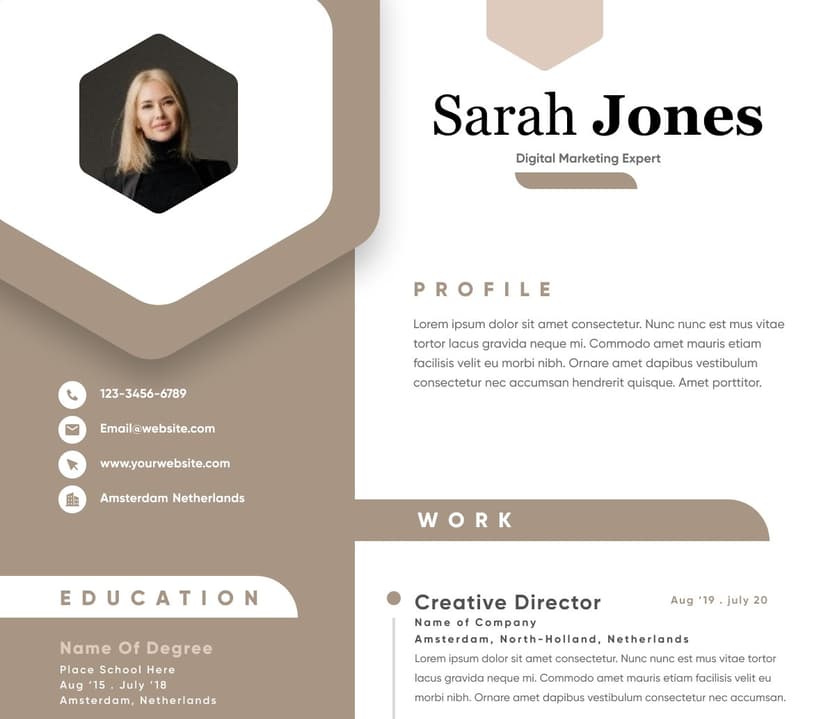
Use professional field-tested resume templates that follow the exact Resume rules employers look for.
Create Resume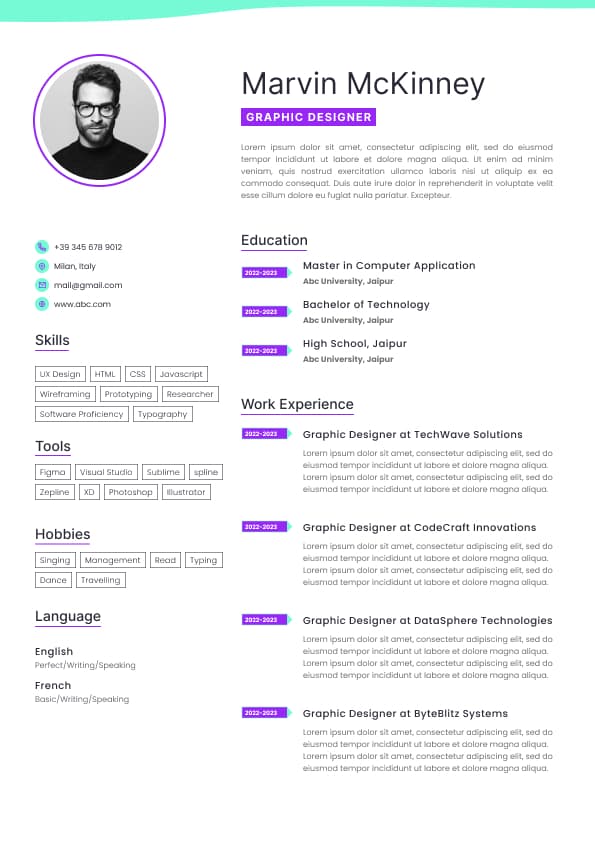
Use professional field-tested resume templates that follow the exact Resume rules employers look for.
Create ResumeIf you’re searching for jobs with visa sponsorship in Australia, the most important thing to understand is this: Australian employers only sponsor overseas candidates when they cannot easily fill the role locally.
That changes how you should approach your job search.
Most candidates fail because they apply broadly to every “visa sponsorship” job they see without understanding how Australian hiring managers actually assess international applicants. Employers are not just evaluating your skills. They are weighing sponsorship cost, visa risk, onboarding complexity, timelines, and whether your experience matches Australian market expectations.
The strongest candidates position themselves as low-risk, high-value hires.
In Australia, visa sponsorship is most common in industries facing genuine skill shortages, including healthcare, engineering, construction, regional trades, education, aged care, hospitality, mining, and technology. But even in these sectors, employers are selective.
This guide explains:
Which jobs are most likely to offer sponsorship
Which visas Australian employers actually use
Visa sponsorship means an Australian employer agrees to sponsor you for a work visa so you can legally work in Australia.
In practical hiring terms, sponsorship means the employer is willing to:
Prove they need an overseas worker
Meet government sponsorship obligations
Pay sponsorship-related costs
Commit to compliance requirements
Support your visa application process
This is why sponsorship is not offered casually.
Australian employers typically sponsor candidates only when:
The role is difficult to fill locally
Not every visa is equally common in the Australian job market. These are the visas employers most frequently use when hiring overseas candidates.
How recruiters evaluate overseas candidates
Where to find legitimate sponsorship jobs
Common mistakes that stop candidates getting interviews
How to improve your chances of securing sponsorship in Australia
The candidate has specialised experience
The candidate already matches Australian standards
The business urgently needs talent
The role is in a regional or high-demand area
Many overseas applicants assume sponsorship works like a relocation benefit. It does not.
From a recruiter’s perspective, sponsorship is a business decision tied directly to labour shortages and commercial need.
The 482 visa is the most common employer-sponsored work visa in Australia.
It allows Australian employers to sponsor skilled workers when they cannot source suitable local candidates.
This visa is widely used across:
Healthcare
Engineering
Construction
IT
Trades
Hospitality
Mining
Aged care
From an employer perspective, the 482 visa is attractive because:
It allows relatively fast hiring
It supports medium-term workforce shortages
It can lead to permanent residency pathways
It gives employers access to global talent
Australian recruiters typically prioritise:
Directly relevant experience
Strong English communication
Industry certifications
Stable employment history
Experience in comparable markets
Ability to relocate quickly
Minimal onboarding risk
Candidates with highly transferable experience from countries with similar workplace standards often perform better.
The 186 visa is a permanent residency pathway sponsored by an employer.
This is usually offered:
After time on a 482 visa
For highly experienced candidates
For critical shortage roles
When employers want long-term retention
The 186 visa is more attractive for candidates because it offers permanent residency, but employers are generally more selective.
Regional Australia has major labour shortages.
This visa encourages overseas workers to relocate outside major metropolitan areas like Sydney, Melbourne, and Brisbane.
Regional employers are often more open to sponsorship because:
Talent shortages are more severe
Local hiring pools are smaller
Retention is harder
Certain industries depend heavily on overseas workers
Candidates willing to work regionally usually have significantly higher sponsorship chances.
Not all industries sponsor equally.
The strongest sponsorship opportunities are usually tied to labour shortages, licensing gaps, or regional demand.
Healthcare remains one of the strongest sponsorship sectors in Australia.
High-demand roles include:
Registered nurses
Aged care workers
General practitioners
Psychologists
Occupational therapists
Physiotherapists
Medical specialists
Australia’s ageing population and healthcare workforce shortages create ongoing demand.
Many hospitals and aged care providers actively recruit internationally because local supply cannot meet demand.
Australian employers care heavily about:
Registration eligibility
English test scores
Local compliance standards
Clinical communication ability
Shift flexibility
Rural or regional willingness
Many strong clinical candidates fail because they underestimate the importance of communication and registration readiness.
Engineering remains one of Australia’s most sponsorship-friendly sectors.
Common sponsored roles include:
Civil engineers
Mining engineers
Mechanical engineers
Electrical engineers
Structural engineers
Project engineers
Mining, infrastructure, renewable energy, and construction projects continue driving demand.
Australian engineering employers usually value:
Project delivery experience
Safety culture alignment
Site-based experience
Australian standards familiarity
Stakeholder communication
Large-scale infrastructure exposure
Pure technical skill alone is rarely enough.
Australia faces major shortages across skilled trades.
High-demand sponsored trade roles include:
Electricians
Plumbers
Welders
Carpenters
Diesel mechanics
HVAC technicians
Regional construction projects and infrastructure expansion continue increasing demand.
Licensing.
Many candidates underestimate:
Australian trade licensing requirements
Qualification recognition processes
Local compliance standards
Safety certification expectations
Employers strongly prefer candidates who already understand Australian licensing pathways.
Hospitality sponsorship exists, but competition is stronger.
Common sponsored hospitality roles:
Chefs
Sous chefs
Restaurant managers
Hotel managers
Sponsorship is more common in:
Regional Australia
Remote tourism locations
Luxury hospitality groups
Employers often reject candidates because:
Experience is too generic
Resume quality is weak
English communication is insufficient
Candidate lacks leadership experience
Candidate only has casual hospitality background
Higher-level operational experience matters significantly.
Technology sponsorship still exists, but the market has become more selective.
Strong sponsorship opportunities remain for:
Cybersecurity specialists
Cloud engineers
Data engineers
Enterprise architects
Software engineers
DevOps engineers
Many overseas candidates assume all tech jobs offer sponsorship.
That is no longer true.
Australian employers increasingly prioritise:
Highly specialised skills
Enterprise-level experience
Proven delivery outcomes
Communication skills
Commercial awareness
Generic developers face much stronger competition than before.
Many candidates waste months applying through poor-quality job boards.
The best sponsorship opportunities are usually found through targeted sourcing, recruiter relationships, and shortage-specific hiring channels.
SEEK remains Australia’s largest job platform.
Useful search terms include:
“Visa sponsorship”
“482 sponsorship”
“Employer sponsorship available”
“Overseas applicants welcome”
“Regional sponsorship”
But candidates should understand:
Many employers list sponsorship only for exceptional candidates, not all applicants.
LinkedIn is critical for Australian recruitment.
Recruiters actively search LinkedIn for:
Skill-specific candidates
Passive talent
Industry specialists
International hires
They:
Optimise their LinkedIn profile for Australian terminology
Show measurable achievements
Use Australian job title equivalents
Clearly state visa status
Demonstrate relocation readiness
Weak LinkedIn positioning is one of the biggest hidden reasons candidates fail.
Many sponsorship roles are never publicly advertised.
Specialist recruiters often handle:
Mining recruitment
Healthcare hiring
Engineering talent
Executive hospitality recruitment
Regional workforce shortages
Recruiters become more responsive when candidates:
Match shortage areas
Have complete documentation ready
Communicate clearly
Understand Australian market expectations
Regional Australia offers some of the strongest sponsorship opportunities.
This is especially true in:
Healthcare
Agriculture
Hospitality
Trades
Mining
Education
Candidates willing to relocate regionally often face dramatically lower competition.
This is where most online advice becomes too generic.
Australian recruiters are not just asking:
“Can this person do the job?”
They are asking:
“Is sponsoring this candidate commercially worth it?”
That changes everything.
Hiring managers evaluate:
Visa complexity
Relocation timelines
Communication ability
Retention risk
Salary expectations
Adaptability
Local market fit
Compliance exposure
If two candidates are similar, employers almost always choose the locally available applicant.
Overseas candidates only win when they clearly outperform local competition or fill genuine shortage gaps.
The strongest sponsorship candidates usually:
Have specialised experience
Match the exact role closely
Demonstrate career progression
Show strong English communication
Understand Australian workplace culture
Present professionally
Are realistic about salaries
Have researched visa pathways properly
These are major recruiter red flags:
Generic resumes
Applying for unrelated jobs
Poor English communication
Unrealistic salary demands
No understanding of visa processes
Weak LinkedIn profile
Overly long resumes
No measurable achievements
Mass application behaviour
Recruiters can usually identify low-quality overseas applications within seconds.
One of the biggest mistakes candidates make is applying outside shortage areas.
Your chances improve dramatically when:
Your occupation appears on skilled occupation lists
Employers struggle to hire locally
Regional demand exists
Your experience is difficult to replace
Broadly applying to every role wastes time.
Australian resumes differ from many international formats.
Strong Australian resumes are:
Achievement-focused
Clear and concise
ATS-friendly
Results-driven
Professionally formatted
Directly aligned to the job
Common issues include:
Long personal summaries
Excessive personal details
Dense formatting
Generic responsibilities
No measurable outcomes
Poor readability
Australian hiring managers prefer resumes that quickly prove business value.
Many candidates unintentionally create confusion.
Clearly state:
Current visa status
Sponsorship requirement
Work rights
Relocation readiness
Ambiguity creates recruiter hesitation.
Many employers review LinkedIn before interviews.
A strong profile should:
Match your resume
Use Australian terminology
Include measurable outcomes
Highlight shortage skills
Show leadership and commercial impact
Weak LinkedIn profiles reduce trust immediately.
Candidates who only target Sydney or Melbourne limit their opportunities significantly.
Regional employers are often:
More flexible
More sponsorship-friendly
More urgently hiring
More open to international candidates
This is especially true in healthcare, hospitality, trades, and mining.
Visa sponsorship attracts scams.
Red flags include:
Employers asking for sponsorship fees upfront
Guaranteed visa promises
Fake job offers
Recruitment agencies demanding large payments
“Instant PR pathway” claims
Legitimate Australian employers do not sell sponsorship.
Always verify:
Employer legitimacy
ABN registration
Recruiter credentials
Official visa pathways
Sponsored roles usually pay market salary rates, not inflated international relocation salaries.
In Australia, employers must often meet minimum salary thresholds for sponsorship visas.
However, candidates should understand:
Salary depends on market demand
Sponsorship does not automatically mean higher pay
Regional salaries may differ from metro salaries
Some industries include accommodation or relocation support
The strongest candidates focus on long-term opportunity, not just immediate salary.
Australian recruiters strongly favour alignment.
If your background only loosely matches the role, sponsorship chances drop sharply.
Many resumes fail because they:
Read like job descriptions
Lack measurable achievements
Ignore Australian formatting expectations
Feel overly formal or outdated
Technical skills alone are rarely enough.
Australian employers care heavily about:
Team communication
Stakeholder interaction
Workplace culture fit
Client-facing ability
Communication concerns can eliminate otherwise strong candidates.
Mass applications rarely work.
Strong candidates target:
Specific shortage sectors
Relevant employers
Regional opportunities
Recruiters specialising in their field
Focused strategy consistently outperforms volume.
From a recruiter and hiring manager perspective, sponsored candidates usually succeed because they solve a business problem clearly enough to justify sponsorship complexity.
That means:
Your experience must feel directly usable
Your communication must inspire confidence
Your resume must prove value quickly
Your visa situation must feel manageable
Your skills must align with shortage demand
The strongest candidates do not apply like hopeful overseas applicants.
They position themselves like skilled professionals solving a hiring problem.
That mindset shift is often the difference between endless applications and genuine interview opportunities.


 Upload Resume
 Import from Linkedin