
Choose from a wide range of NEWCV resume templates and customize your NEWCV design with a single click.

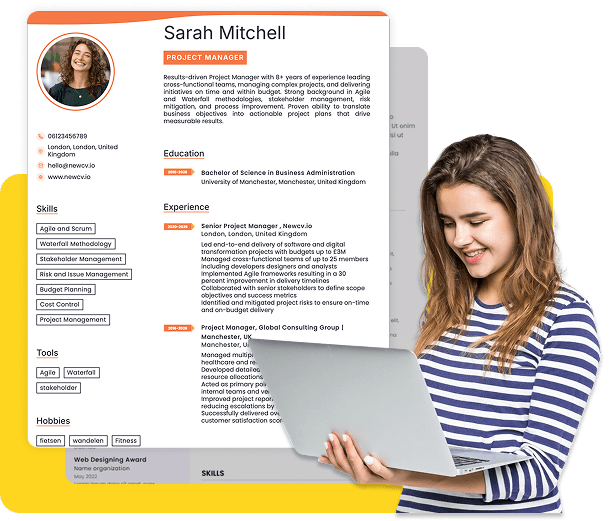
Use ATS-optimised Resume and resume templates that pass applicant tracking systems. Our Resume builder helps recruiters read, scan, and shortlist your Resume faster.

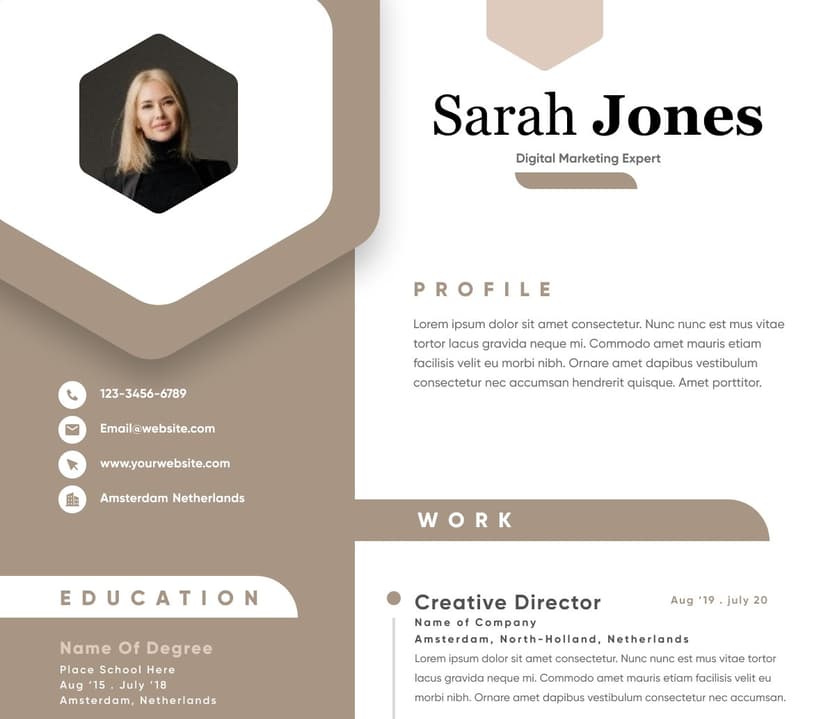
Use professional field-tested resume templates that follow the exact Resume rules employers look for.
Create Resume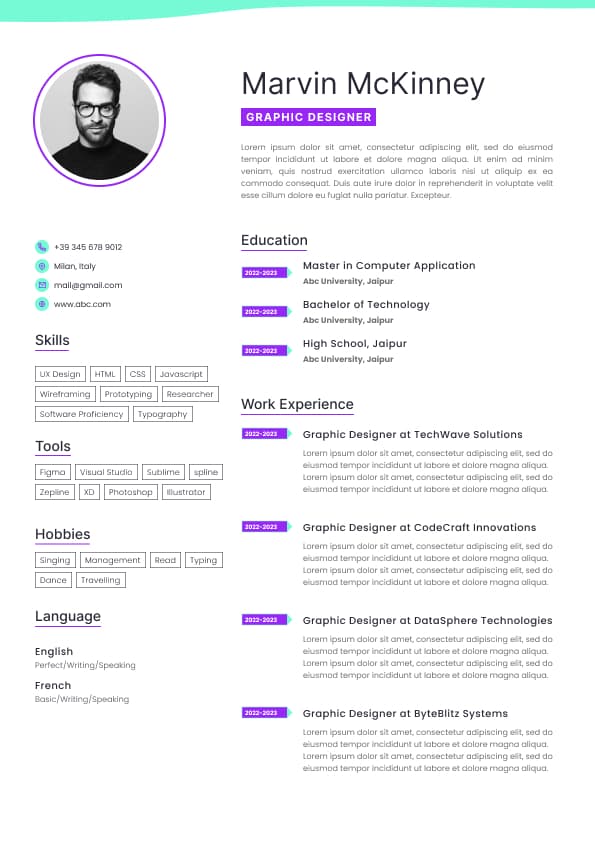
Use professional field-tested resume templates that follow the exact Resume rules employers look for.
Create ResumeThe best skills to put on a resume in Australia are the ones that directly prove you can perform the job you are applying for. Australian recruiters do not want long generic skill lists copied from the internet. They look for relevant, evidence-backed skills that match the role, industry, and seniority level.
In the Australian hiring market, your resume skills section should do three things immediately:
•Match keywords from the job ad for ATS screening
• Show commercial value to the employer
• Support the hiring manager’s confidence that you can do the job with minimal risk
The strongest resumes balance both technical skills and soft skills, but the exact mix depends heavily on the role. A mining engineer, registered nurse, project manager, retail supervisor, and graduate accountant all require very different skill positioning.
Most candidates lose interviews because they either:
• Add vague skills with no proof
• Include irrelevant skills
• Overload the resume with buzzwords
• Fail to tailor skills to the actual role
This guide explains exactly which skills work on Australian resumes, what recruiters ignore, how ATS systems evaluate skills, and how to strategically position your experience for better interview outcomes.
Recruiters in Australia do not assess skills in isolation. They assess whether your skills are:
•Relevant to the vacancy
• Current and commercially useful
• Backed by experience
• Appropriate for your level
• Demonstrated through results
A hiring manager rarely believes a standalone skill claim like:
Weak Example
• Leadership
• Communication
• Teamwork
• Problem solving
These skills are too generic without context.
Instead, recruiters look for skills demonstrated through work outcomes.
Good Example
• Led a team of 12 retail staff across rotating weekend rosters
• Managed stakeholder communication during a $450K infrastructure rollout
• Resolved customer escalations while maintaining 94% CSAT scores
• Improved warehouse picking efficiency by 18% through process optimisation
The difference is credibility.
Technical skills are job-specific abilities that can usually be measured, trained, or certified.
Examples include:
•Xero
• MYOB
• Salesforce
• AutoCAD
• Python
• SQL
• Forklift operation
• WHS compliance
• SAP
• Power BI
• Adobe Creative Suite
• Budget forecasting
• Payroll processing
• Tender preparation
• Project scheduling
• CRM systems
These are often the highest-value keywords for ATS systems.
Soft skills matter in Australian workplaces because employers strongly value collaboration, communication, adaptability, and reliability.
However, soft skills should rarely appear as isolated buzzwords.
Instead of listing:
•Communication
• Leadership
• Teamwork
Embed them naturally into achievements and responsibilities.
Transferable skills are critical for:
•Career changers
• Graduates
• Returning parents
• Migrants entering the Australian market
• Workers moving industries
Examples include:
•Stakeholder management
• Customer service
• Scheduling
• Data analysis
• Reporting
• Conflict resolution
• Training staff
• Time management
• Documentation
• Process improvement
Australian employers often hire for transferable capability when direct industry experience is limited.
Most medium and large Australian employers use Applicant Tracking Systems (ATS) to filter resumes before a recruiter sees them.
ATS software scans for:
•Job title alignment
• Relevant keywords
• Industry terminology
• Technical skills
• Certifications
• Software platforms
• Compliance requirements
For example, if a job ad says:
•Stakeholder engagement
• Agile delivery
• Jira
• Sprint planning
• Risk management
Then your resume should naturally include those terms where relevant.
Many candidates fail ATS because they use different wording from the employer.
Australian recruiters typically spend only seconds scanning resumes initially. If your core skills are not obvious immediately, your resume may not progress even if you are qualified.
Strong skills include:
•Microsoft Office Suite
• Calendar management
• Data entry
• Minute taking
• Travel coordination
• Records management
• CRM systems
• Invoicing
• Document preparation
• Customer support
Strong skills include:
•BAS preparation
• Xero
• MYOB
• Payroll
• Financial reporting
• Budget forecasting
• Reconciliation
• Accounts payable
• Accounts receivable
• Excel modelling
• Compliance reporting
Strong skills include:
•WHS compliance
• Blueprint reading
• Power tools
• Site coordination
• Preventive maintenance
• Civil construction
• Heavy machinery operation
• Risk assessment
• Project delivery
• Welding
• Carpentry
Strong skills include:
•Patient care
• Clinical documentation
• Medication administration
• Infection control
• Electronic medical records
• Aged care support
• Mental health support
• Care planning
• Triage
• NDIS knowledge
Strong skills include:
•Cloud computing
• Cybersecurity
• Python
• JavaScript
• AWS
• Azure
• SQL
• API integration
• Agile methodology
• DevOps
• Data visualisation
Strong skills include:
•POS systems
• Customer service
• Cash handling
• Complaint resolution
• Team leadership
• Merchandising
• Food safety compliance
• Stock control
• Upselling
• Shift coordination
Recruiters see these constantly:
•Hardworking
• Motivated
• Team player
• Fast learner
• Go getter
• Passionate
• Dedicated
• Results driven
These words are not automatically bad, but they become meaningless without proof.
Specific evidence.
Weak Example
“Strong leadership skills”
Good Example
“Managed a cross-functional team of 14 staff across operations and customer service functions”
Specificity creates trust.
For most Australian resumes:
•8 to 15 highly relevant skills is ideal
• Mid-level and senior professionals can include more technical depth
• Avoid giant keyword dumps
• Prioritise relevance over volume
Too many skills can weaken credibility.
Recruiters notice when candidates list technologies or capabilities they barely understand.
A concise skills section near the top works well for ATS and recruiter scanning.
Example:
Core Skills
• Stakeholder Engagement
• Project Coordination
• Risk Management
• Jira and Confluence
• Agile Delivery
• Vendor Management
• Budget Tracking
• Reporting and Analytics
This is where skills become believable.
Recruiters trust demonstrated skills more than standalone lists.
Example:
“Coordinated weekly project reporting across five departments using Power BI dashboards and stakeholder updates.”
This proves:
•Reporting
• Communication
• Coordination
• Analytics
• Stakeholder management
All in one sentence.
This is one of the biggest differences between average and high-performing resumes.
If the employer repeats terms multiple times, those skills matter heavily.
Focus first on skills directly tied to performance in the role.
Use terminology common in Australia.
For example:
•“Stakeholder engagement” instead of “stakeholder relations”
• “Resume” instead of “CV” for most private-sector roles
• “WHS” instead of generic “safety compliance” when relevant
If you are interviewed, you may be asked to explain:
•When you used the skill
• How often
• At what level
• What outcomes you achieved
Inflated skill claims are exposed quickly in Australian interviews.
In Australia, hard skills usually get you shortlisted. Soft skills usually determine whether you get hired.
Examples:
•Systems
• Certifications
• Technical capability
• Industry tools
• Compliance knowledge
Examples:
•Communication style
• Reliability
• Leadership presence
• Team fit
• Stakeholder confidence
Hiring managers often reject technically strong candidates because their communication, collaboration, or professionalism feels risky.
The strongest resumes demonstrate both.
These skills consistently perform strongly across many sectors:
•Stakeholder management
• Communication
• Problem solving
• Time management
• Project coordination
• Customer service
• Data analysis
• Reporting
• Process improvement
• Leadership
• Digital literacy
• Adaptability
However, relevance still matters more than popularity.
This is the most common mistake.
Recruiters can identify templated resumes immediately.
Old software and obsolete systems can age your resume.
Modern ATS systems are more sophisticated than many candidates realise.
Repeating keywords unnaturally can reduce readability and damage recruiter perception.
Every skill should support your positioning.
If you are applying for a senior finance role, listing “social media management” may weaken focus unless directly relevant.
Usually, avoid vague ratings like:
•Expert
• Intermediate
• Advanced
These are subjective.
Instead, show proficiency through:
•Years of use
• Project complexity
• Certifications
• Scope of responsibility
• Achievements
Weak Example
“Advanced Excel”
Good Example
“Built financial forecasting models and automated reporting dashboards using advanced Excel functions including Power Query and pivot analysis”
Career changers should focus heavily on transferable skills.
Australian employers often hire career changers successfully when they can clearly see:
•Relevant capability
• Commercial value
• Adaptability
• Fast learning potential
Instead of focusing only on job titles, focus on business impact.
A hospitality manager moving into operations may already have:
•Team leadership
• Rostering
• Budget control
• Conflict resolution
• KPI management
• Customer escalation handling
These skills are commercially valuable across industries.
Hiring managers are trying to reduce hiring risk.
They ask themselves:
•Can this person perform quickly?
• Will they fit the team?
• Can they communicate professionally?
• Do they understand our environment?
• Are they likely to need excessive training?
Your skills section should reduce uncertainty.
The best resumes create immediate confidence.
Candidates who understand business impact stand out strongly.
Poor written communication damages hiring outcomes across nearly every professional industry.
Australian workplaces value autonomy and practical decision-making.
This is heavily valued across:
•Government
• Corporate
• Construction
• Healthcare
• Technology
• Consulting
Especially important in changing environments, restructures, project work, and fast-growth businesses.
Instead of simply claiming a skill, connect it to results.
Weak Example
“Project management skills”
Good Example
“Delivered three concurrent infrastructure projects within budget and ahead of scheduled completion dates”
Metrics increase credibility.
Examples:
•Revenue growth
• Cost reduction
• Efficiency improvements
• Team size
• Customer satisfaction
• Project value
• Error reduction
Senior candidates should demonstrate:
•Strategic capability
• Leadership
• Commercial impact
• Cross-functional influence
Junior candidates should focus more on:
•Practical capability
• Learning agility
• Reliability
• Execution
A clean, ATS-friendly structure works best.
Core Skills
• Stakeholder Engagement
• Project Coordination
• Budget Management
• Agile Delivery
• Risk Assessment
• Vendor Management
• Data Reporting
• Process Improvement
Keep formatting simple.
Avoid:
•Tables
• Graphics
• Skill bars
• Icons
• Excessive colours
Many ATS systems still struggle with heavily designed resumes.
Some skills can unintentionally weaken your positioning.
Examples include:
•Irrelevant hobbies disguised as skills
• Outdated software
• Extremely junior skills on senior resumes
• Generic personality traits
• Unsupported leadership claims
Senior professionals especially need strategic skill selection.
Every listed skill shapes perception.
The best resume skills are not the most impressive sounding ones. They are the most relevant, believable, and commercially valuable for the exact role you are targeting.
Australian recruiters want resumes that feel:
•Clear
• Targeted
• Practical
• Credible
• Easy to assess quickly
A strong skills strategy improves:
•ATS performance
• Recruiter engagement
• Interview conversion
• Candidate positioning
• Hiring confidence
The candidates who consistently secure interviews are usually not the ones with the longest skills lists. They are the ones who align their skills tightly to the employer’s actual hiring needs and prove those skills through outcomes.


 Upload Resume
 Import from Linkedin