
Choose from a wide range of NEWCV resume templates and customize your NEWCV design with a single click.

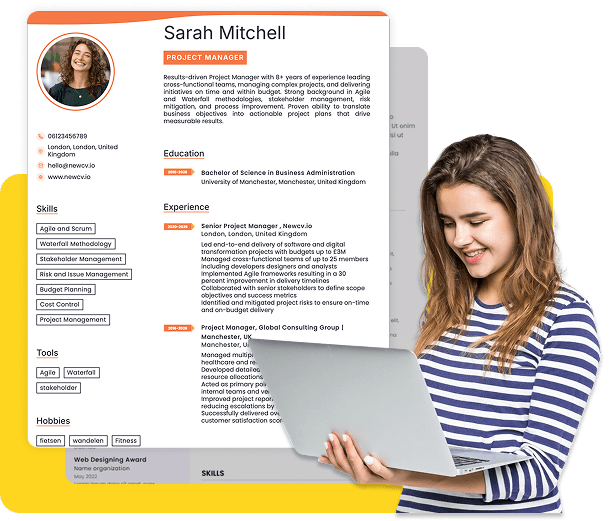
Use ATS-optimised Resume and resume templates that pass applicant tracking systems. Our Resume builder helps recruiters read, scan, and shortlist your Resume faster.

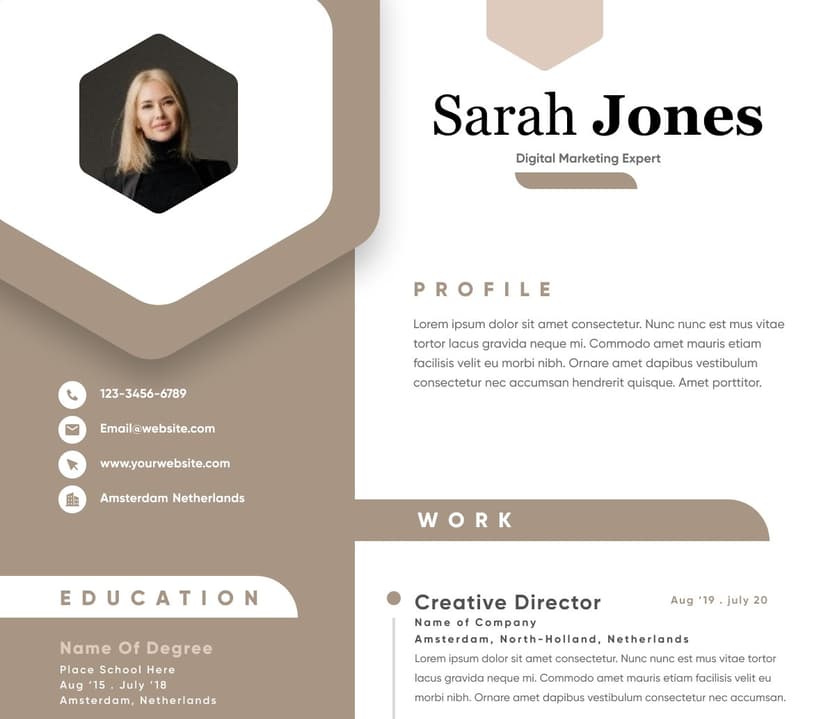
Use professional field-tested resume templates that follow the exact Resume rules employers look for.
Create Resume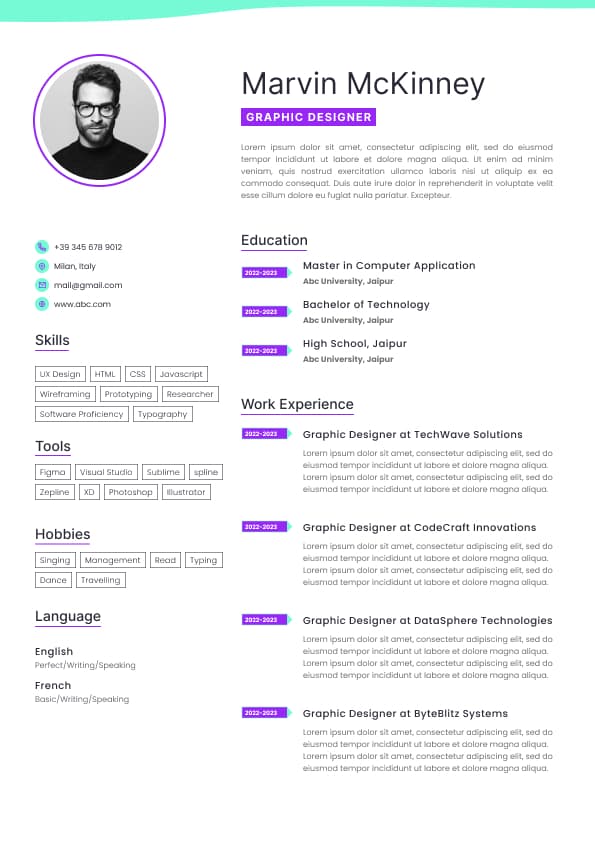
Use professional field-tested resume templates that follow the exact Resume rules employers look for.
Create ResumeA cover letter builder helps job seekers create a structured, professional cover letter faster using templates, prompts, and guided formatting. In the Australian job market, a good cover letter builder can save time and improve clarity, but only if the content is tailored properly.
Most Australian recruiters do not reject candidates because they used a builder. They reject candidates because the final cover letter feels generic, repetitive, overly formal, or disconnected from the actual role.
The reality is this:
Most hiring managers skim cover letters in under 60 seconds
Recruiters are looking for alignment, not long stories
Generic AI-generated letters are becoming easier to spot
Poorly customised cover letters still hurt applications
Strong cover letters can improve interview conversion, especially in competitive roles
A quality cover letter builder works best when it helps candidates communicate relevance clearly and quickly.
The strongest cover letters in Australia do three things:
Yes, but selectively.
In Australia, cover letters matter more in some situations than others.
Recruiters and hiring managers are more likely to read them when:
The role is competitive
Communication skills matter
The employer specifically requests one
The candidate is changing industries
The resume has gaps or unusual career moves
The applicant lacks direct experience
Government, education, healthcare, or not-for-profit sectors are involved
They matter less when:
Explain why the candidate fits the role
Show understanding of the employer’s needs
Make the recruiter want to open the resume immediately
That is the real purpose of a cover letter.
Applying through high-volume recruitment portals
The role is heavily operational or labour-based
Internal recruiters are screening hundreds of applicants rapidly
The application process is resume-first
However, even when cover letters are not fully read initially, they still influence perception.
A weak cover letter can damage credibility before the resume is reviewed properly.
Most candidates misunderstand the purpose of a cover letter.
Recruiters are not looking for life stories, personality essays, or repeated resume content.
They are evaluating three things very quickly.
Can this person do the job?
Recruiters scan for:
Relevant experience
Industry familiarity
Transferable skills
Commercial understanding
Alignment with the role requirements
Why this role specifically?
Australian employers value candidates who appear intentional, not desperate.
Hiring managers notice when applicants:
Mention the company naturally
Understand the role context
Connect their experience to business needs
Explain genuine interest professionally
Can this person communicate clearly and professionally?
Poor communication is one of the fastest rejection triggers.
Common problems include:
Generic wording
Overly formal language
Long paragraphs
Poor structure
Spelling mistakes
Robotic AI phrasing
Excessive self-promotion
Strong communication signals professionalism immediately.
Not all builders are useful.
Many online tools produce generic templates that sound polished but fail in real hiring environments.
A strong Australian cover letter builder should help candidates:
Tailor content to the job ad
Maintain ATS-friendly formatting
Use professional Australian tone and language
Structure content logically
Avoid generic AI wording
Match recruiter expectations
Keep the letter concise and readable
The best tools guide strategy, not just formatting.
This is now one of the most common recruiter complaints.
Hiring managers increasingly recognise:
Overly polished generic wording
Repetitive corporate phrases
Vague achievements
Empty buzzwords
Artificial enthusiasm
Candidates who rely entirely on generated text often sound interchangeable.
A cover letter should complement the resume, not duplicate it.
Weak letters simply summarise job history.
Strong letters explain:
Why the experience matters
How it aligns with the role
What value the candidate brings
Australian recruiters prefer concise communication.
A cover letter is not an essay.
Most effective cover letters are:
250 to 400 words
Easy to skim quickly
Structured with short paragraphs
Focused on relevance
Many cover letters focus entirely on what the applicant wants.
Hiring managers care more about:
Business impact
Team fit
Capability
Problem-solving
Contribution
Strong candidates position themselves around employer needs.
A proven structure consistently performs better than creative formats.
The first paragraph should establish:
The role being applied for
Relevant positioning
Immediate value
Avoid weak openings like:
Weak Example
“I am writing to apply for the position advertised on Seek.”
This wastes valuable attention.
Use a stronger positioning statement instead.
Good Example
“With five years of experience in FMCG account management across national retail clients, I am confident my commercial relationship management background aligns strongly with your Key Account Manager role.”
This immediately creates relevance.
This is where recruiters decide whether to continue reading.
Focus on:
Relevant achievements
Industry alignment
Business outcomes
Transferable capabilities
Communication strength
The strongest candidates connect achievements to employer needs.
Quantified outcomes
Commercial impact
Operational improvements
Team leadership examples
Problem-solving evidence
Generic personality traits
Buzzwords without evidence
Long career summaries
Irrelevant achievements
Vague claims
The closing should feel confident but professional.
Good closing elements include:
Interest in discussing the role
Appreciation for consideration
Professional confidence
Brief call to action
Avoid desperate or overly emotional language.
Most effective Australian cover letters are:
Half a page to one page maximum
Roughly 250 to 400 words
Three to five short paragraphs
Longer does not mean stronger.
Recruiters prefer clarity over detail overload.
If your cover letter exceeds one page, it is usually too long unless applying for highly specialised executive, academic, or government roles.
ATS systems in Australia typically scan cover letters alongside resumes.
This means keyword relevance still matters.
However, keyword stuffing is a mistake.
Instead, naturally include:
Job title
Industry terminology
Core skills
Software or systems mentioned in the ad
Certifications where relevant
The best ATS optimisation feels natural to human readers.
Yes, strategically.
Strong candidates mirror relevant terminology from the advertisement naturally.
For example:
If the ad says:
Stakeholder engagement
Cross-functional collaboration
Customer retention
WHS compliance
Those phrases should appear naturally where relevant.
This creates alignment signals for both recruiters and ATS systems.
Sounds copied
Uses broad claims
Focuses on the candidate only
Repeats resume content
Lacks role relevance
Feels mass-produced
Tailored to the employer
Addresses role priorities
Uses evidence-based claims
Demonstrates understanding
Feels commercially aware
Creates interview curiosity
Recruiters are not expecting perfection.
They are looking for relevance and credibility.
Some candidates underestimate how strategically valuable cover letters can be.
They matter significantly when:
A cover letter helps explain transferable skills and positioning.
Without one, recruiters may reject the application immediately due to lack of direct experience.
Australian government hiring often values written communication heavily.
A poor cover letter can hurt credibility quickly.
Graduates have limited experience.
A cover letter helps demonstrate:
Motivation
Communication
Career direction
Professional maturity
A cover letter can proactively control the narrative professionally.
Most candidates imagine recruiters reading every word carefully.
That is rarely how initial screening works.
Recruiters typically scan for:
Relevant role titles
Industry match
Core capabilities
Communication quality
Obvious red flags
The first 15 to 30 seconds matter most.
This is why structure and positioning are critical.
Australian hiring culture generally values communication that is:
Professional
Direct
Clear
Practical
Confident without arrogance
What usually performs poorly:
Overly formal language
Excessive enthusiasm
Corporate jargon overload
Americanised phrasing
Generic motivational language
Strong Australian cover letters sound commercially aware and human.
Many candidates never realise their cover letter is reducing interview chances.
Common warning signs include:
Using the same letter for every application
Generic opening lines
No mention of employer needs
Long paragraphs
No measurable achievements
Excessive “I” statements
Weak positioning
AI-sounding language
Repeating the resume
If your applications consistently fail despite relevant experience, the cover letter may be weakening the overall application package.
A builder should support strategy, not replace thinking.
The best process is:
Identify:
Required skills
Industry language
Key responsibilities
Hiring priorities
Choose:
Relevant achievements
Similar industry experience
Transferable skills
Commercial outcomes
Use the builder for:
Structure
Formatting
Initial wording
Not final submission.
Edit aggressively.
Remove:
Generic phrasing
Buzzwords
Robotic wording
Repetition
Add:
Specific examples
Employer relevance
Natural Australian tone
Your cover letter should scan easily in under one minute.
The Australian hiring market is increasingly competitive and AI-aware.
This changes what works.
The strongest strategy now is:
Human-sounding communication
Tailored positioning
Commercial relevance
Concise structure
Evidence-based claims
Employer-focused messaging
The candidates getting interviews are not necessarily writing longer cover letters.
They are writing sharper ones.


 Upload Resume
 Import from Linkedin