
Choose from a wide range of NEWCV resume templates and customize your NEWCV design with a single click.

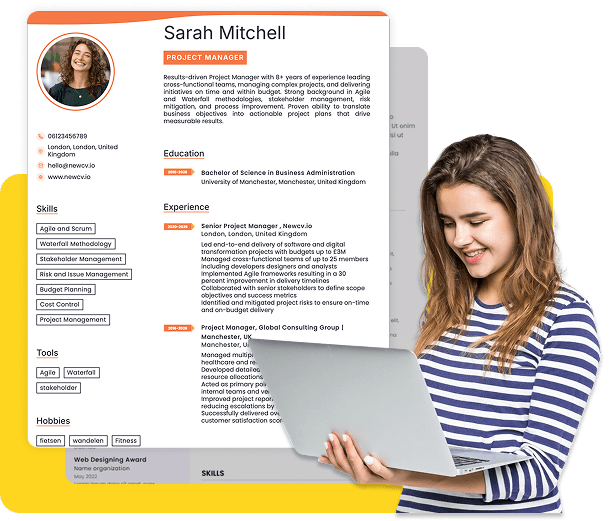
Use ATS-optimised Resume and resume templates that pass applicant tracking systems. Our Resume builder helps recruiters read, scan, and shortlist your Resume faster.

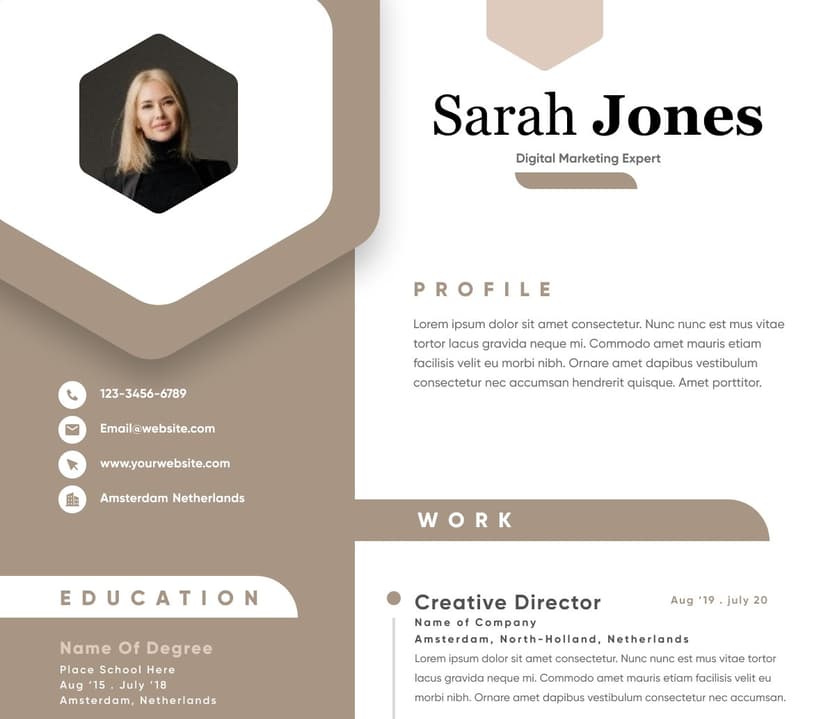
Use professional field-tested resume templates that follow the exact Resume rules employers look for.
Create Resume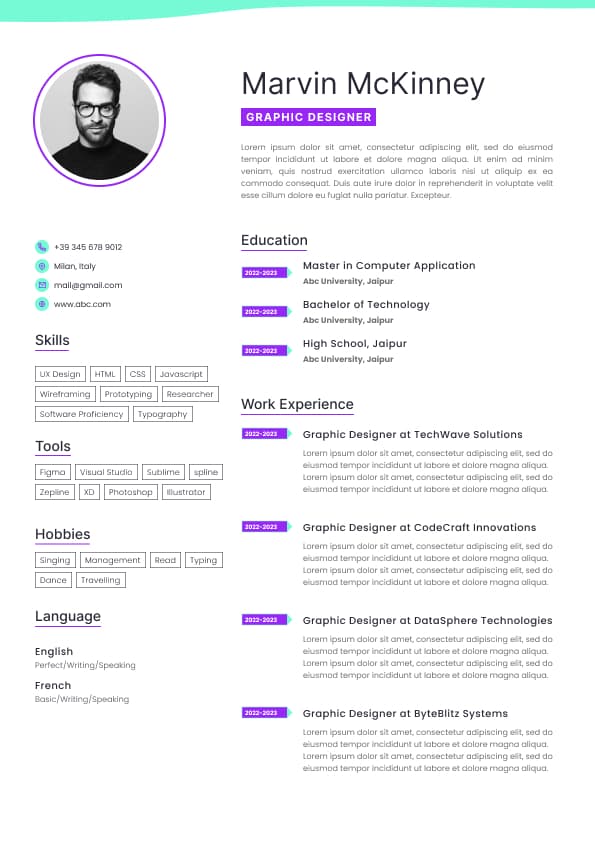
Use professional field-tested resume templates that follow the exact Resume rules employers look for.
Create ResumeCover Letter for Visa Sponsorship Australia
If you are applying for jobs in Australia that require employer sponsorship, your cover letter matters far more than most candidates realise. Australian employers are not just assessing your skills. They are assessing sponsorship risk, hiring complexity, visa eligibility, communication ability, and whether you are worth the extra administrative effort compared to a local candidate.
A strong visa sponsorship cover letter must immediately answer the employer’s biggest concerns:
•Why should we sponsor you instead of hiring locally?
• Are you genuinely eligible for sponsorship?
• Will the process be straightforward?
• Do your skills justify the investment?
• Are you likely to stay long term?
• Do you understand the Australian workplace?
Most overseas applicants fail because their cover letters focus too heavily on wanting to move to Australia rather than solving the employer’s hiring problem. The strongest cover letters position sponsorship as a low-risk, high-value hiring decision.
This guide explains exactly how Australian recruiters and hiring managers evaluate sponsorship applications, what to include in your cover letter, common mistakes that trigger rejection, and how to structure a sponsorship-ready application that actually improves interview chances.
A visa sponsorship cover letter is not just a standard cover letter with one extra sentence about sponsorship.
Australian employers view sponsored hiring differently from standard recruitment because sponsorship introduces:
•Visa compliance obligations
• Government costs and administration
• Processing delays
• Legal responsibilities
• Retention risk
• Increased hiring scrutiny
That means employers look for stronger evidence before progressing sponsored candidates.
Your cover letter needs to reduce perceived hiring friction.
The strongest sponsorship cover letters demonstrate:
•Immediate relevance to the role
• Hard-to-find skills or experience
• Clear visa status transparency
• Strong communication ability
• Long-term commitment to Australia
• Confidence without desperation
• Understanding of Australian work culture
• Evidence the sponsorship process will be manageable
Recruiters are trying to quickly determine whether your application is worth the extra effort.
If your cover letter creates uncertainty, confusion, or unnecessary complexity, most employers move on immediately.
The most common mistake is writing the cover letter from the candidate’s perspective instead of the employer’s perspective.
Most weak sponsorship cover letters sound like this:
Weak Example
“I have always dreamed of moving to Australia and would appreciate sponsorship opportunities.”
This creates a problem immediately.
The employer now sees:
•Personal motivation
• Relocation desire
• Sponsorship dependency
But they still do not see business value.
Australian hiring managers hire to solve operational problems, not immigration goals.
Strong sponsorship cover letters focus on:
•Business impact
• Skills shortages
• Relevant achievements
• Industry experience
• Commercial value
• Ease of sponsorship
The employer’s question is always:
“Why is this person worth sponsoring?”
Your entire cover letter should answer that question clearly.
Do not hide your sponsorship requirement until later stages.
Australian recruiters strongly dislike unclear visa situations because it wastes screening time.
Mention your status clearly within the first section of the letter.
For example:
•Current visa type
• Eligibility for sponsorship
• Occupation alignment
• Willingness to relocate
• Existing Australian work rights if applicable
Good wording is direct and professional.
Good Example
“I am currently seeking employer sponsorship under the Temporary Skill Shortage (Subclass 482) visa pathway and have experience aligned with Australia’s skills shortage requirements within the civil engineering sector.”
This sounds informed and practical.
Sponsorship becomes easier when employers believe your skills are difficult to source locally.
Strong cover letters clearly position:
•Specialised expertise
• Niche technical capability
• Industry certifications
• International project exposure
• Leadership capability
• High-demand experience
• Commercial achievements
Australian employers sponsor candidates when the value outweighs the effort.
That means generic claims like:
•“Hardworking”
• “Passionate”
• “Fast learner”
carry very little weight.
Specific business outcomes matter far more.
Good Example
“Over the past six years, I have led large-scale SAP implementation projects across manufacturing and logistics environments, reducing reporting delays by 32% and improving operational visibility across multi-site teams.”
This gives recruiters evidence of commercial value.
Australian employers care heavily about workplace fit.
Even highly skilled overseas candidates get rejected when recruiters suspect communication or cultural alignment issues.
Australian hiring culture generally values:
•Clear communication
• Collaboration
• Practical problem-solving
• Accountability
• Low-ego professionalism
• Adaptability
• Reliability
Avoid sounding overly formal or excessively self-promotional.
Overly aggressive achievement language often performs poorly in Australian recruitment.
Employers worry sponsored candidates may:
•Leave shortly after arrival
• Struggle with relocation
• Fail to integrate
• Use sponsorship as a short-term pathway only
Your cover letter should reduce those concerns naturally.
Good ways to position commitment include:
•Long-term career interest in Australia
• Existing family or support networks
• Prior Australian experience
• Industry alignment with Australian market demand
• Serious relocation planning
Do not over-explain your personal life.
Keep the focus professional.
Australian recruiters prefer concise, highly relevant cover letters.
The ideal structure is:
Cover:
•Role being applied for
• Core experience relevance
• Sponsorship status
• Immediate value proposition
Focus on:
•Relevant achievements
• Industry expertise
• Technical capability
• Leadership or commercial impact
• Alignment with employer needs
Cover:
•Sponsorship clarity
• Relocation readiness
• Interest in interview discussion
• Appreciation for consideration
The strongest letters usually stay between 300 and 500 words.
Longer cover letters often weaken impact.
Dear Hiring Manager,
I am applying for the Mechanical Engineer position with your organisation and would welcome consideration for employer sponsorship under the Temporary Skill Shortage (Subclass 482) visa pathway.
With more than seven years of experience across industrial manufacturing and heavy engineering environments, I have developed strong expertise in plant maintenance optimisation, reliability engineering, and continuous improvement initiatives. In my current role, I led a preventative maintenance program that reduced equipment downtime by 28% across a multi-site production operation, contributing to significant operational cost savings and improved production efficiency.
My background includes hands-on experience with asset management systems, root cause failure analysis, shutdown coordination, and cross-functional project delivery. I have worked closely with operations, safety, and production teams to improve plant reliability while maintaining strong compliance and safety outcomes.
I understand Australian employers value practical problem-solving, accountability, and team collaboration, and these are qualities I consistently bring into my work. I am confident my technical capability and operational experience would allow me to contribute effectively within a high-performance engineering environment.
I am actively seeking long-term opportunities within Australia and am fully prepared to relocate. I understand the sponsorship process and am committed to ensuring a smooth transition for any prospective employer.
Thank you for considering my application. I would welcome the opportunity to discuss how my experience aligns with your team’s requirements.
Kind regards,
Daniel Smith
This example performs well because it immediately addresses employer concerns.
It demonstrates:
•Relevant experience
• Clear sponsorship transparency
• Commercial outcomes
• Practical business value
• Australian workplace alignment
• Long-term commitment
Importantly, it does not:
•Beg for sponsorship
• Focus emotionally on relocation
• Sound desperate
• Over-explain immigration details
• Include unnecessary personal information
The tone is commercially focused and recruiter-friendly.
Many candidates misunderstand how sponsorship applications are evaluated internally.
In reality, recruiters often perform rapid risk filtering.
Your cover letter is often judged against these questions:
Recruiter QuestionWhat They Are AssessingIs this candidate genuinely qualified?Skills relevanceIs sponsorship realistic?Visa viabilityIs the process likely to be complicated?Hiring frictionIs the candidate worth the extra effort?Commercial valueWill communication be an issue?Workplace integrationCould we hire locally instead?Competitive advantageIs the candidate likely to stay?Retention risk
Strong sponsorship cover letters proactively answer these concerns before they become objections.
Recruiters can instantly recognise mass applications.
Signs include:
•No mention of Australia
• No understanding of local industry
• Generic wording
• Poor alignment with role requirements
Australian employers strongly favour tailored applications.
If the letter focuses mainly on wanting sponsorship, employers assume the candidate lacks competitive value.
Your skills must remain the primary focus.
Poor grammar, awkward phrasing, or unclear writing immediately damages sponsorship applications because communication concerns become amplified for overseas candidates.
Clear writing matters heavily.
Australian employers increasingly expect measurable outcomes.
Candidates who only describe responsibilities often lose to applicants who demonstrate impact.
Some candidates apply for sponsorship without having:
•Relevant experience
• Occupation alignment
• Required qualifications
• Competitive capability
Employers generally sponsor candidates who already operate at a strong professional level.
Australian healthcare employers often prioritise:
•Registration eligibility
• Patient communication
• Shift flexibility
• Rural or regional willingness
Your cover letter should clearly mention:
•AHPRA status if relevant
• Clinical environment experience
• Patient volume exposure
• Specialisation areas
Tech employers focus heavily on:
•Project delivery
• Technical stack capability
• Problem-solving
• Scalability experience
Include:
•Systems used
• Platforms
• Certifications
• Commercial outcomes
Engineering sponsorship applications should highlight:
•Compliance standards
• Project scale
• Safety environments
• Industry-specific technical expertise
Strong metrics help significantly.
Employers assess:
•Licensing compatibility
• Site experience
• Safety standards
• Tool competency
• Commercial project exposure
Australian construction employers prefer highly practical applications over overly corporate language.
Yes, but strategically.
Mentioning the visa subclass can help demonstrate awareness and preparedness.
However, do not overload the cover letter with immigration detail.
The employer mainly wants confidence that:
•Sponsorship is possible
• You understand the process
• The pathway is realistic
For most applications, one concise reference is enough.
Many Australian employers use ATS platforms to filter candidates before recruiter review.
That means your cover letter should naturally include relevant terms such as:
•Visa sponsorship
• Subclass 482
• Employer sponsorship
• Skilled migration
• Work rights
• Permanent residency pathway
• Skilled occupation
• Australian experience where relevant
But avoid obvious keyword stuffing.
Natural relevance performs better than repetitive phrasing.
The best sponsorship candidates reduce employer uncertainty.
Strong positioning includes:
•Mentioning time zone overlap if offshore
• Showing familiarity with Australian standards
• Demonstrating prior multinational collaboration
• Highlighting English communication confidence
• Showing long-term professional alignment
This creates psychological comfort during screening.
Recruiters sponsor candidates they believe will integrate smoothly.
Many sponsorship rejections happen because employers fear hidden complications.
These include:
•Visa refusal risk
• Poor retention
• Relocation failure
• Communication problems
• Unrealistic salary expectations
• Delayed onboarding
• Lack of local adaptability
Your cover letter should quietly reduce these fears.
That is why clarity, professionalism, and relevance matter so much.
Before submitting your application, check whether your cover letter:
•Clearly states sponsorship status
• Explains why you are valuable commercially
• Shows direct relevance to the role
• Sounds professional but natural
• Reflects Australian workplace expectations
• Includes measurable outcomes
• Avoids desperation language
• Demonstrates strong communication skills
• Stays concise and focused
A sponsorship cover letter should make the employer think:
“This person could genuinely be worth sponsoring.”
That is the outcome you are aiming for.


 Upload Resume
 Import from Linkedin