
Choose from a wide range of NEWCV resume templates and customize your NEWCV design with a single click.

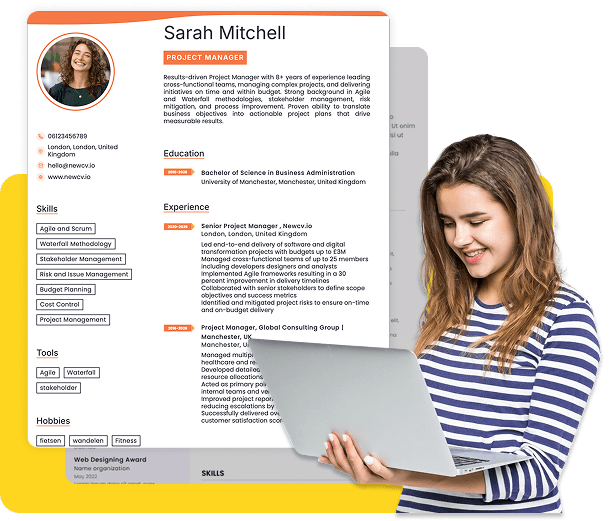
Use ATS-optimised Resume and resume templates that pass applicant tracking systems. Our Resume builder helps recruiters read, scan, and shortlist your Resume faster.

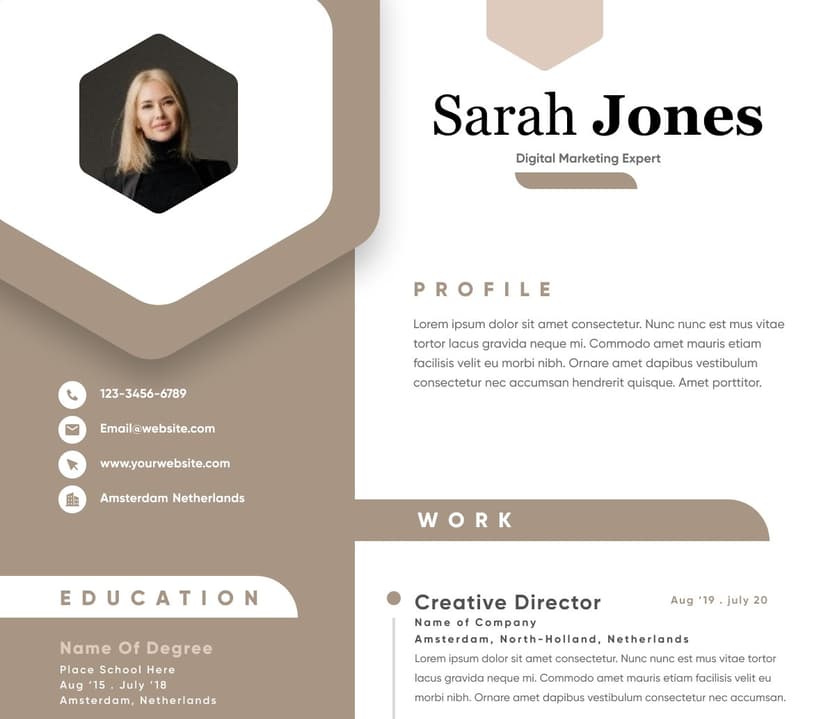
Use professional field-tested resume templates that follow the exact Resume rules employers look for.
Create Resume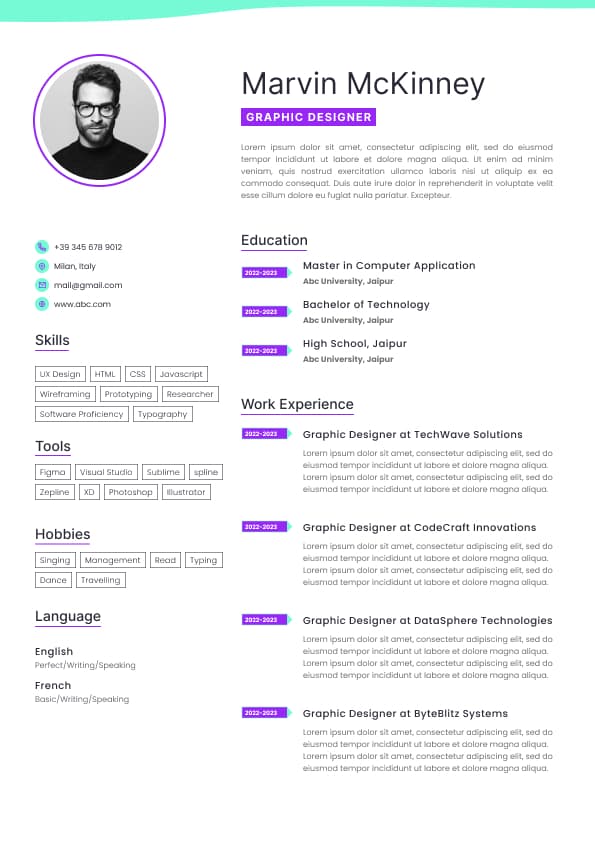
Use professional field-tested resume templates that follow the exact Resume rules employers look for.
Create ResumeLinkedIn Jobs is one of the strongest job search platforms in Australia, but most candidates use it poorly. Simply clicking “Easy Apply” on dozens of roles rarely leads to interviews. Australian recruiters and hiring managers use LinkedIn differently depending on the industry, seniority level, and urgency of the hire. If you want real results, you need to understand how recruiters actually search, screen, shortlist, and reject candidates inside LinkedIn.
For most professional roles in Australia, LinkedIn is no longer optional. Recruiters actively source candidates through LinkedIn Recruiter, hiring managers check profiles before interviews, and many jobs are filled before they ever reach Seek or company career pages.
The candidates who consistently get interviews are usually doing three things well:
Their LinkedIn profile is positioned properly for Australian hiring standards
They apply strategically instead of mass applying
They understand recruiter behaviour and visibility algorithms
This guide explains how LinkedIn Jobs works in Australia, how recruiters actually use it, and what candidates need to do to improve interview conversion.
LinkedIn Jobs operates differently from traditional job boards. It is both:
A job platform
A professional visibility platform
That distinction matters.
On Seek, recruiters primarily evaluate your application documents. On LinkedIn, recruiters often evaluate:
Your profile
Your activity
Your network
Your experience positioning
Your industry relevance
Many candidates assume recruiters only review applications that come through job ads. That is no longer true.
Australian recruiters increasingly rely on proactive sourcing because:
Good candidates often do not actively apply
Competitive markets move quickly
Employers want reduced hiring risk
Hiring managers prefer pre-vetted talent
Internal talent pipelines are smaller than before
Recruiters using LinkedIn Recruiter can filter candidates by:
Job title
Location
Your engagement signals
This means your visibility and positioning can directly influence whether recruiters contact you before you even apply.
In Australia, LinkedIn Jobs is strongest for:
Corporate roles
White collar professional jobs
Technology
Sales
Marketing
Finance
Recruitment
HR
Consulting
Operations
Project management
Executive roles
It is weaker for:
Trade-heavy industries
Some blue-collar sectors
Casual retail hiring
Hospitality volume recruitment
However, even in sectors where Seek dominates, LinkedIn still heavily influences employer perception.
Industry
Keywords
Years of experience
Skills
Company background
Seniority
Education
Activity level
Open to Work status
This means your profile is effectively functioning as a searchable database entry.
If your profile lacks the right positioning, keywords, or clarity, recruiters may never find you.
Most candidates are not losing opportunities because they are unqualified. They are losing opportunities because their positioning creates uncertainty.
Here are the biggest mistakes Australian recruiters regularly see.
Mass applying damages application quality.
Recruiters can often identify candidates who:
Apply indiscriminately
Do not tailor applications
Have mismatched backgrounds
Ignore role requirements
This lowers credibility quickly.
A candidate applying to 150 jobs with low alignment usually performs worse than someone applying strategically to 20 highly relevant roles.
Your headline is one of the most important visibility fields on LinkedIn.
Weak headline:
Experienced Professional Seeking Opportunities
This tells recruiters nothing.
Good headline:
Project Manager | Infrastructure & Civil Projects | Stakeholder Delivery | PMP Certified
The second version improves:
Search visibility
Relevance scoring
Recruiter confidence
Click-through rate
Your LinkedIn profile should not simply duplicate your resume.
Your resume is designed for:
Application submission
ATS compatibility
Interview progression
Your LinkedIn profile is designed for:
Search discovery
Recruiter scanning
Professional positioning
Credibility validation
Candidates who simply paste resume content into LinkedIn often look generic.
Australian recruiters heavily filter by location.
If you are open to relocation, remote work, or hybrid roles, clarify this properly.
Otherwise recruiters may assume:
You require sponsorship
You are unavailable locally
You are outside salary range expectations
You are unlikely to relocate
Most recruiters spend surprisingly little time on initial screening.
In many cases:
Initial profile scan = under 30 seconds
Resume scan = under 20 seconds
The goal during first review is not to deeply assess you.
The goal is to eliminate uncertainty.
Recruiters ask:
Is this person relevant?
Do they match the level required?
Are they credible?
Are there obvious red flags?
Is it worth opening their resume?
That means clarity matters more than cleverness.
This is usually scanned first.
Strong headlines include:
Current role
Industry alignment
Core expertise
Seniority signals
Recruiters look for:
Clear progression
Stable employment history
Relevant employers
Relevant industry alignment
Quantified achievements
In Australia, a professional photo is generally expected on LinkedIn.
Profiles without photos often receive:
Lower engagement
Lower recruiter trust
Reduced profile interaction
It does not need to be corporate or overproduced.
It simply needs to look professional and approachable.
Strong About sections explain:
What you do
Your specialisation
Your value proposition
Industry strengths
Key achievements
Career focus
Weak About sections are usually:
Overly generic
Buzzword-heavy
Self-promotional without substance
LinkedIn search relies heavily on keyword relevance.
But stuffing keywords unnaturally can make profiles look poor.
Instead:
Use realistic industry language
Mirror terminology used in job ads
Include role variations naturally
Include systems and tools where relevant
For example, a Business Analyst in Australia may naturally include:
Agile
Jira
Stakeholder engagement
Process improvement
Requirements gathering
UAT
Change management
These help recruiters find the profile more easily.
Recruiters want outcomes, not task lists.
Weak Example:
Responsible for managing projects and stakeholders
Good Example:
Delivered $4.2M infrastructure project three weeks ahead of schedule while coordinating cross-functional contractors and local council stakeholders
Specificity creates credibility.
Candidates often weaken their positioning by appearing too broad.
For example:
Sales + marketing + admin + HR + operations
Multiple unrelated career identities
No clear specialisation
Recruiters usually prefer clarity over versatility.
Strong positioning creates:
Faster relevance matching
Better recruiter confidence
More interview conversion
Easy Apply is controversial among recruiters.
The reality is nuanced.
Easy Apply works best when:
Your profile is already strong
Your experience closely matches the role
The recruiter is moving quickly
The position has high application volume
You are in a candidate-short market
It performs poorly when:
Your profile lacks detail
The role is highly competitive
You require explanation or context
The employer expects tailored applications
For senior roles, tailored applications generally outperform Easy Apply.
For many candidates, LinkedIn Premium is optional rather than essential.
However, it can help in specific situations.
Useful features include:
Seeing recruiter engagement
InMail access
Expanded job insights
Competitive applicant visibility
Learning courses
Premium tends to be more valuable for:
Senior professionals
Executive candidates
Recruiters
Sales professionals
Active networkers
Candidates in highly competitive markets
For most mid-level professionals, profile quality matters far more than Premium access.
Most candidates use poor search strategy.
Instead of broad searches like:
“Manager”
“Marketing”
“Admin”
Use:
Specific job titles
Industry keywords
Seniority filters
Location targeting
Salary alignment where available
Better search examples:
“Project Manager Infrastructure Sydney”
“Senior HR Business Partner Melbourne”
“Financial Analyst Mining Perth”
This improves role relevance significantly.
Recruiters often review engagement signals.
Following companies can:
Improve feed relevance
Surface new job ads faster
Increase employer familiarity
Candidates who engage intelligently with industry content often appear more credible.
This does not mean posting motivational quotes daily.
It means:
Sharing insights occasionally
Commenting professionally
Demonstrating industry awareness
Recruiters notice this more than candidates realise.
There are two versions:
Recruiter-only visibility
Public profile banner
Recruiter-only visibility is generally safer for employed professionals.
The public banner can sometimes:
Create desperation perception
Reduce executive positioning
Affect internal employer visibility
This varies by industry and seniority.
Usually it is not because there are “too many applicants”.
The real issues are often:
Poor profile positioning
Weak keyword alignment
Lack of role relevance
Generic applications
Unclear seniority level
Career inconsistency without explanation
Weak achievement evidence
In competitive Australian markets, recruiters often shortlist quickly.
If your profile does not immediately show alignment, you may not progress.
Both platforms matter, but they function differently.
Better for professional networking
Strong recruiter sourcing activity
Better for passive candidate visibility
Stronger for corporate roles
Better personal branding opportunities
Higher total job volume
Stronger for broad-market hiring
Better for operational roles
Often preferred by SMEs
Stronger salary transparency
Strong candidates usually use both strategically.
Many hiring managers now review LinkedIn profiles before interviews.
They often compare:
Resume consistency
Career timeline alignment
Professional credibility
Communication style
Industry engagement
Red flags include:
Contradictory employment dates
Incomplete profiles
Overinflated job titles
Extremely vague experience descriptions
Consistency matters.
The strongest strategy is usually not applying more.
It is increasing alignment.
Focus on:
A clear professional identity
Strong keyword relevance
Achievement-based experience
Strategic applications
Industry positioning
Recruiter visibility
Candidates who position themselves clearly usually outperform candidates who simply apply more aggressively.


 Upload Resume
 Import from Linkedin