
Choose from a wide range of NEWCV resume templates and customize your NEWCV design with a single click.

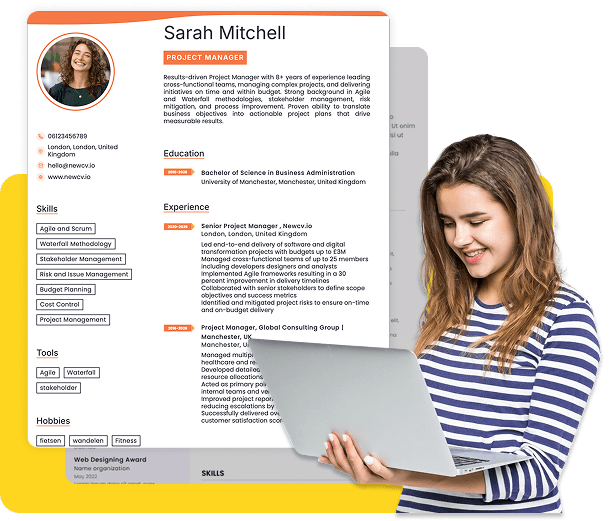
Use ATS-optimised Resume and resume templates that pass applicant tracking systems. Our Resume builder helps recruiters read, scan, and shortlist your Resume faster.

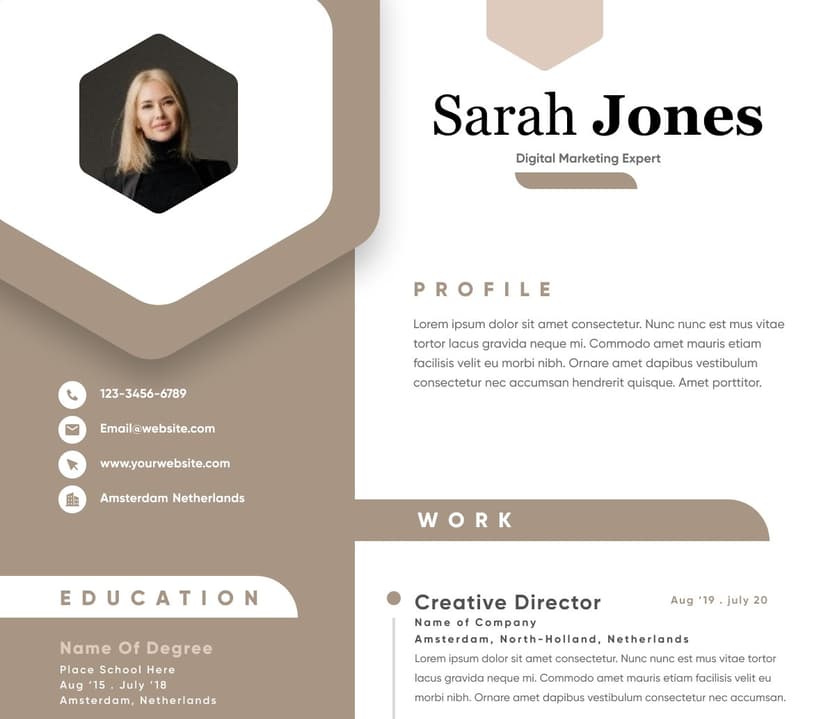
Use professional field-tested resume templates that follow the exact Resume rules employers look for.
Create Resume
Use professional field-tested resume templates that follow the exact Resume rules employers look for.
Create ResumeAustralia’s minimum wage system is more complex than many workers realise. There is no single pay rate that applies to every employee. Your legal minimum pay depends on whether you are covered by a modern award, your age, employment type, industry, classification level, and whether penalties or loadings apply.
As of 2026, most Australian employees are covered by an award, which usually means the applicable minimum wage is higher than the national minimum wage. Casual workers also receive a casual loading, and many employees are entitled to weekend penalties, overtime, allowances, and public holiday rates on top of their base pay.
One of the biggest mistakes workers make is assuming their hourly rate alone determines whether they are being underpaid. In reality, underpayment issues in Australia often happen because employers fail to apply the correct award classification, penalties, or overtime rules.
This guide explains how minimum wage works in Australia, current pay rates, who qualifies, how award wages operate, common underpayment issues, and what employees should do if they suspect they are not being paid correctly.
The minimum wage in Australia is the lowest legal amount an employer can pay an employee for ordinary hours of work.
The Fair Work Commission reviews minimum wage rates annually through the National Wage Case. These increases usually take effect from 1 July each year.
Australia has two main wage systems:
The National Minimum Wage
Modern Award minimum wages
Most employees are covered by a modern award, not just the national minimum wage.
That distinction matters because award rates are often significantly higher than the base national minimum wage once classifications, penalties, and loadings are applied.
The national minimum wage applies mainly to employees who are not covered by an award or enterprise agreement.
The national minimum wage generally includes:
A minimum hourly rate
A minimum weekly rate for full time employees
Standard ordinary working hours
However, many Australian workers legally earn more than this because their industry award sets higher rates.
Industries commonly covered by awards include:
Hospitality
Retail
Construction
Healthcare
Administration
Warehousing
Manufacturing
Childcare
Aged care
Cleaning
Transport
Trades
Modern awards are legally enforceable documents that set minimum employment conditions for specific industries and occupations.
This is where many employees misunderstand Australian pay rules.
An employer cannot simply choose to pay the national minimum wage if an award applies. They must comply with the relevant award conditions.
Awards determine:
Minimum hourly rates
Casual loading
Weekend penalty rates
Public holiday rates
Overtime
Shift allowances
Meal allowances
Uniform allowances
Break entitlements
Rostering rules
For example, a hospitality casual employee working Sunday shifts may legally earn far more than the base minimum wage once penalties are added.
Casual employees in Australia receive a casual loading because they do not receive paid leave entitlements like annual leave or personal leave.
The standard casual loading is usually 25%, although the exact figure can vary under some awards or agreements.
Casual employees often incorrectly compare their pay against full time hourly rates without including the loading component.
For example:
Full time base rate
Plus 25% casual loading
Plus weekend penalty if applicable
Plus overtime if applicable
This layered structure is why casual pay calculations are frequently misunderstood by both workers and employers.
Employees under 21 years old may receive junior pay rates depending on the applicable award or agreement.
Junior rates are usually calculated as a percentage of the adult wage.
Typical factors include:
Age
Industry
Classification level
Type of work performed
However, not all jobs allow junior rates. Some industries and positions require adult rates regardless of age.
One major misconception among employers is assuming younger workers can always be paid less. That is not automatically true under Australian workplace law.
Apprentices and trainees have separate minimum pay structures.
Their wages depend on:
Year level
Industry award
Qualification type
Age
Whether they completed Year 12
Employment arrangements
Trade apprentices in industries like construction or electrical work often receive incremental wage increases each year of their apprenticeship.
Trainee pay structures can differ substantially from apprenticeship rates.
An underpayment occurs when an employee receives less than their legal entitlement.
This may involve:
Incorrect hourly rates
Missing penalty rates
Unpaid overtime
Incorrect classification level
Missing allowances
Superannuation issues
Unpaid breaks
Cash payments below legal rates
One of the biggest recruiter and hiring manager insights here is that many businesses unintentionally underpay staff because payroll systems are set up incorrectly or managers misunderstand award interpretation.
But from the Fair Work Ombudsman’s perspective, intent is not the key issue. Employers are still legally responsible for paying correctly.
The most common wage compliance problems in Australia are not usually obvious wage theft schemes. They are often operational failures.
A worker may be covered by a completely different award than the employer assumes.
This is especially common in:
Hybrid office roles
Supervisory positions
Hospitality management
Multi site businesses
Franchise operations
Awards contain multiple levels based on duties, skills, responsibility, and experience.
Employees are frequently under classified to reduce labour costs.
For example:
Administrative staff performing higher level coordination duties
Retail supervisors paid at standard retail assistant rates
Trades assistants performing skilled trade work
Weekend and public holiday penalties are one of the most commonly missed entitlements.
This happens frequently in:
Hospitality
Retail
Healthcare
Security
Transport
Some employers assume paying a salary automatically removes award obligations.
That is incorrect.
If a salaried employee would earn more under the award after overtime and penalties are included, the employer may still be non compliant.
The smartest employees do not rely solely on their employer’s interpretation of pay rates.
You should verify:
Your award coverage
Classification level
Employment type
Penalty entitlements
Overtime rules
Super contributions
Key documents to review include:
Employment contract
Payslips
Rosters
Award classifications
Time records
One major issue recruiters regularly see is candidates discovering years later that they were significantly underpaid.
By that point:
Records may be incomplete
Employers may have closed down
Managers may have changed
Recovery becomes more difficult
Many candidates worry that questioning pay or award coverage during recruitment will hurt their chances.
In the Australian market, professionally asking about pay structure is usually viewed positively, especially for experienced workers.
Strong candidates often ask:
Which award applies?
What classification level is the role?
Are penalties included?
Is overtime expected?
Is the salary award compliant?
From a hiring manager perspective, candidates who understand workplace entitlements often appear more commercially aware and experienced.
Certain industries consistently experience higher levels of underpayment complaints.
Hospitality remains one of the highest risk sectors because of:
Casual staffing
Weekend work
Public holiday shifts
Split shifts
High turnover
Retail disputes commonly involve:
Junior wage misuse
Unpaid overtime
Incorrect casual conversion
Missing penalties
Common issues include:
Shift penalties
Sleepover allowances
Overtime interpretation
Incorrect classifications
Construction disputes often involve:
Travel allowances
Site allowances
Apprentice rates
Overtime calculations
Yes.
Many employers offer higher wages to attract talent in competitive labour markets.
This is especially common in:
Mining
Technology
Engineering
Healthcare
Skilled trades
Regional Australia
However, higher salaries do not automatically remove award obligations unless all legal requirements are still satisfied.
A salary must leave the employee better off overall compared to award conditions.
The minimum wage and living wage are not the same concept.
The minimum wage is the legal minimum employers must pay.
A living wage refers to the estimated income needed to maintain a reasonable standard of living.
This distinction has become increasingly important due to:
Housing costs
Inflation
Cost of living pressures
Energy costs
Rental market increases
Many workers earning legal minimum rates still experience financial stress, particularly in major cities like Sydney and Melbourne.
The Fair Work Ombudsman investigates workplace breaches and can take enforcement action against employers.
This may include:
Back pay orders
Penalties
Compliance notices
Court proceedings
In serious cases involving deliberate misconduct, penalties can be substantial.
Australia has become significantly stricter on wage compliance over recent years, especially after major underpayment scandals involving large national employers.
If you suspect underpayment:
Keep copies of:
Payslips
Rosters
Contracts
Timesheets
Bank records
Messages about shifts or hours
This is one of the most important steps because your award determines your entitlements.
Compare:
Hours worked
Rates paid
Penalties owed
Overtime
Allowances
Many underpayments are resolved internally once identified.
Approach the discussion calmly and factually.
If the issue is not resolved, employees can seek assistance through Fair Work processes.
Australian hiring culture has shifted significantly toward transparency.
Candidates increasingly expect:
Salary bands in job ads
Clear pay structures
Transparent overtime expectations
Defined bonus structures
Employers that avoid discussing pay details often create trust concerns during recruitment.
Strong employers usually explain:
Award coverage
Salary structure
Penalties
Hours expectations
Overtime arrangements
Clearly and early.
This transparency improves candidate trust and reduces turnover risk after hiring.
One overlooked issue is staying too long in low wage positions without skill progression.
Recruiters regularly see candidates trapped in:
Long term casual roles
Under classified positions
Informal team leader duties without pay increases
Administrative jobs with expanded responsibilities but no regrading
A strong career strategy involves reviewing whether your responsibilities have outgrown your classification level.
This is especially important if you:
Train staff
Supervise employees
Manage workflows
Handle escalations
Perform technical tasks beyond your original role
Many employees are effectively working at higher award levels without corresponding pay adjustments.
No. Most employees are covered by a modern award or enterprise agreement, which usually sets higher minimum pay rates than the national minimum wage.
Usually yes. Casual employees generally receive both casual loading and penalty rates where applicable under their award.
Yes, but only if the employee remains better off overall compared to award entitlements. Salaries do not automatically remove overtime obligations.
Your award depends on your industry, duties, and occupation. Job title alone is not enough. Two employees with similar titles may fall under different awards depending on their actual responsibilities.
Yes. Employees must still receive at least their legal minimum entitlements regardless of whether payment is made electronically or in cash.
Generally no. Junior rates usually apply only to eligible employees under a certain age under the relevant award. Employers cannot arbitrarily apply junior rates to adult workers.


 Upload Resume
 Import from Linkedin