
Choose from a wide range of NEWCV resume templates and customize your NEWCV design with a single click.

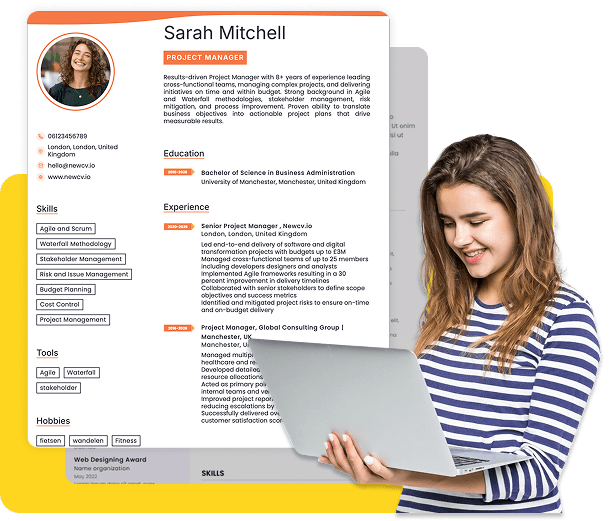
Use ATS-optimised Resume and resume templates that pass applicant tracking systems. Our Resume builder helps recruiters read, scan, and shortlist your Resume faster.

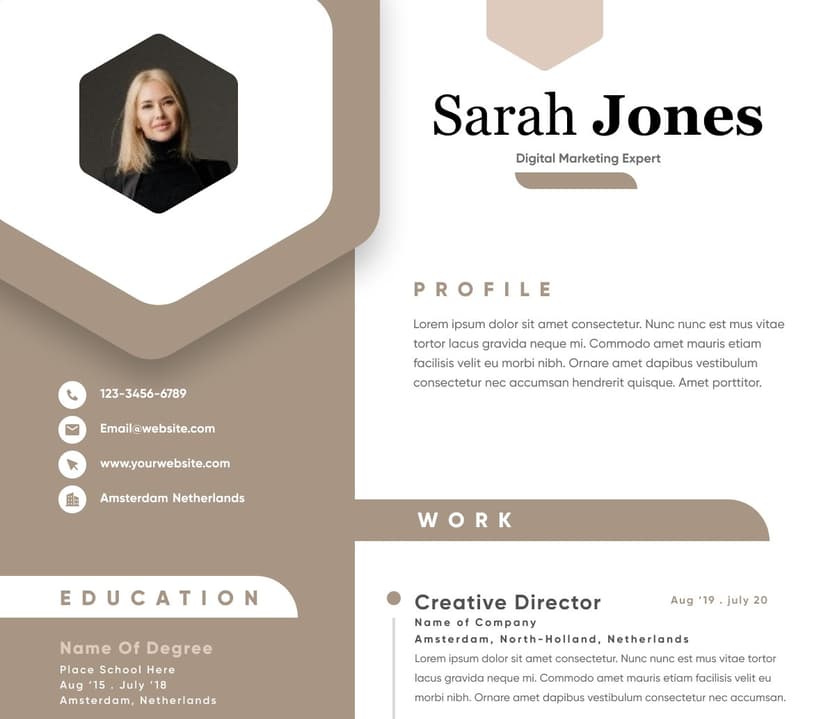
Use professional field-tested resume templates that follow the exact Resume rules employers look for.
Create Resume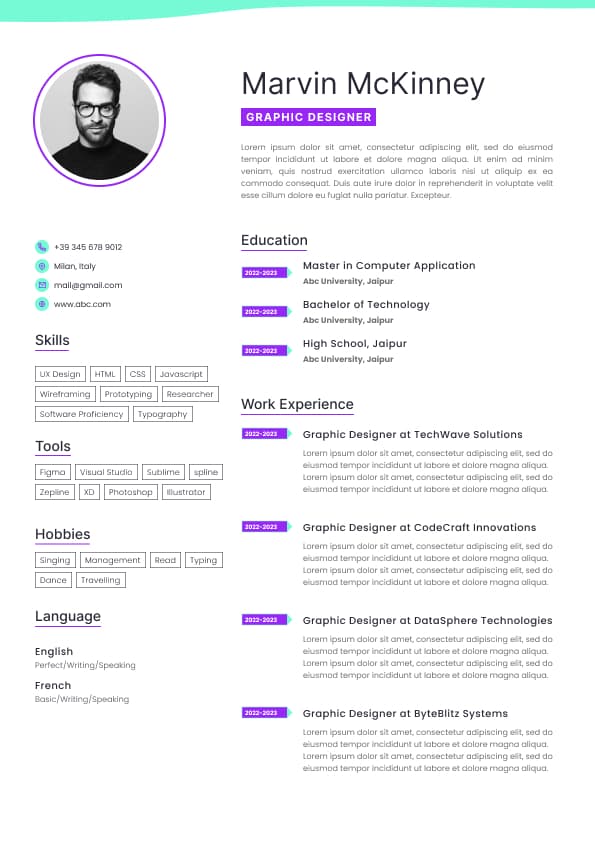
Use professional field-tested resume templates that follow the exact Resume rules employers look for.
Create ResumeIf you have little or no formal work experience, your resume still needs to convince an Australian recruiter of one thing: you can contribute quickly with minimal risk. That is the real hiring decision behind entry-level recruitment in Australia.
Most candidates with no experience make the same mistake. They focus on what they lack instead of proving employability. A strong no experience resume in Australia is not about pretending you have experience. It is about showing evidence of reliability, communication skills, initiative, work ethic, and transferable capability in ways recruiters actually value.
Australian hiring managers hiring juniors, school leavers, graduates, retail staff, hospitality workers, apprentices, trainees, and entry-level office staff are not expecting a perfect career history. They are screening for indicators like:
•Can this person communicate professionally?
• Will they turn up consistently?
• Can they learn quickly?
• Are they likely to fit the team culture?
• Do they understand basic workplace expectations?
• Have they shown initiative anywhere in life?
A well-written no experience resume can absolutely win interviews in Australia, even in competitive job markets. The key is positioning yourself correctly.
When recruiters review resumes for entry-level roles, they are not expecting deep technical expertise. They are looking for low-risk candidates who appear trainable, motivated, and dependable.
This is especially true for:
•Retail jobs
• Hospitality roles
• Warehouse jobs
• Administration roles
• Customer service positions
• Apprenticeships
• Traineeships
• Graduate roles
• Casual and part-time work
• School leaver positions
The biggest difference between successful and unsuccessful no experience resumes is usually not qualifications. It is how effectively the candidate communicates employability.
Recruiters assess entry-level resumes through three filters:
Employers want signs you can function in a workplace environment.
This can come from:
•School leadership
• Sporting commitments
• Volunteer work
• Group projects
• Part-time gigs
• Community involvement
• Consistent extracurricular activities
Even babysitting, helping in a family business, tutoring, or organising events can demonstrate reliability if framed properly.
Poor communication instantly hurts entry-level candidates because employers assume they will require excessive supervision.
Recruiters notice:
•Resume formatting quality
• Spelling and grammar
• Clarity of writing
• Professional tone
• Ability to explain responsibilities clearly
If your resume looks rushed or disorganised, recruiters often assume your work habits will be similar.
Australian employers strongly value self-starters, especially in junior hires.
Recruiters pay attention to:
•Relevant certifications
• Personal projects
• Extra training
• Volunteer work
• Portfolio links
• Side hustles
• Career-focused objectives
Candidates who proactively build skills often outperform candidates with slightly more experience.
Most no experience resumes fail because candidates accidentally reinforce risk.
Here are the biggest problems recruiters see repeatedly.
Weak objectives waste valuable space.
Weak Example
“Motivated individual seeking an opportunity to grow and develop skills.”
This says almost nothing.
Good Example
“Reliable and customer-focused Year 12 graduate seeking an entry-level retail role where strong communication skills, fast learning ability, and a positive attitude can contribute to team performance and customer experience.”
The second version communicates employability immediately.
Even without formal jobs, candidates often describe activities vaguely.
Weak Example
“Helped with school events.”
Good Example
“Coordinated student fundraising events involving vendor communication, event setup, and customer interaction with over 200 attendees.”
Specificity creates credibility.
Recruiters ignore meaningless claims like:
•Hardworking
• Team player
• Fast learner
• Go-getter
• Passionate
Unless backed by evidence.
Instead of claiming skills, demonstrate them through examples.
Australian recruiters expect resumes to align with the role.
A hospitality resume should not read like an office administration resume.
Even entry-level resumes should adapt:
•Keywords
• Skills
• Resume summary
• Examples
• Certifications
• Achievements
Based on the job being targeted.
For candidates with minimal experience, structure matters heavily because recruiters scan quickly.
A strong no experience resume should usually follow this order.
Include:
•Full name
• Mobile number
• Professional email address
• LinkedIn profile if relevant
• Location suburb and state
Do not include:
•Date of birth
• Photo
• Marital status
• Full home address
Australian resumes no longer require these details.
This section is critical for no experience candidates because it frames your value immediately.
Keep it between 3 and 5 lines.
Focus on:
•Type of role sought
• Key strengths
• Transferable skills
• Relevant education or certifications
• Work ethic indicators
Example
“Motivated and reliable university student seeking an entry-level administration role. Strong organisational and communication skills developed through academic group projects, volunteer coordination, and customer-facing university activities. Proficient in Microsoft Office with a strong attention to detail and ability to learn systems quickly.”
This sounds employable even without formal experience.
For no experience candidates, education often becomes a major selling point.
Include:
•School or university
• Qualification
• Graduation year
• Relevant coursework
• Academic achievements
• Leadership roles
• Projects if relevant
If you are a school leaver, this section may sit near the top.
Good examples include:
•School captain
• Sports leadership
• Academic awards
• Debate team
• Event coordination
• Student mentoring
• Group project leadership
These all signal workplace capability.
This section matters more for entry-level resumes than many candidates realise.
But avoid generic skill dumping.
Instead, focus on practical, role-aligned skills.
Retail and Hospitality
•Customer service
• Cash handling
• Communication
• Teamwork
• Problem-solving
• POS systems
• Time management
Administration
•Microsoft Office
• Data entry
• Scheduling
• Written communication
• Organisation
• Attention to detail
Warehouse and Labouring
•Physical fitness
• Safety awareness
• Team collaboration
• Time management
• Reliability
Graduate and Office Roles
•Research
• Presentation skills
• Stakeholder communication
• Data analysis
• Excel
• Report writing
The key is relevance, not quantity.
This is where most candidates underperform.
You do not need paid employment to demonstrate employability.
Recruiters care more about evidence of transferable capability than whether you were formally employed.
You can include:
•Volunteer work
• School activities
• University projects
• Family business support
• Community involvement
• Sports leadership
• Freelance projects
• Informal work
• Internships
• Personal projects
The critical factor is how you frame them.
Recruiters mentally translate activities into workplace skills.
For example:
Recruiters may interpret this as:
•Discipline
• Teamwork
• Consistency
• Coachability
• Accountability
Recruiters may see:
•Initiative
• Reliability
• Communication
• Community mindset
• Responsibility
Recruiters often assess:
•Collaboration
• Time management
• Leadership
• Problem-solving
• Professional communication
Your resume should make these connections obvious.
The best no experience resumes in Australia usually share these traits:
•Clean formatting
• Tailored positioning
• Strong summary section
• Evidence-based examples
• Relevant skills alignment
• Clear readability
• Professional tone
• No fluff or filler
Importantly, they feel employable.
That matters more than experience length.
Most medium and large Australian employers use Applicant Tracking Systems.
Even junior resumes need ATS optimisation.
Contrary to online myths, ATS systems primarily scan for:
•Relevant keywords
• Clear formatting
• Standard headings
• Readable structure
• Role alignment
Use keywords naturally from the job ad.
For example, if the job mentions:
•Customer service
• Teamwork
• POS systems
• Administration support
• Communication skills
Your resume should reflect those terms where genuinely relevant.
Common issues include:
•Fancy graphics
• Tables that break parsing
• Excessive colours
• Keyword stuffing
• Unclear headings
• PDF formatting issues
• Over-designed Canva templates
Simple and professional usually performs better in Australian recruitment systems.
For most no experience candidates:
•1 page is ideal
• 2 pages maximum if genuinely relevant
Recruiters hiring junior staff often spend less than 30 seconds initially scanning resumes.
Concise, relevant content outperforms long resumes filled with weak detail.
Recruiters often reject entry-level resumes immediately for these reasons:
Messy resumes signal poor attention to detail.
If your resume could apply to 50 different jobs without changes, it is probably too generic.
Typos, inconsistent formatting, and rushed writing create doubts about professionalism.
Candidates who simply state they have “no experience” without showing employability rarely progress.
Overstating capabilities damages credibility.
Australian hiring culture generally values confident but grounded communication.
Candidates with no experience still win interviews consistently when they position strategically.
Focus on demonstrating:
Show evidence you learn quickly.
This can include:
•Certifications
• Academic performance
• Self-directed learning
• Technical projects
• Online courses
Demonstrate consistency and accountability.
Especially important in Australian workplaces where collaboration and interpersonal communication are heavily valued.
Recruiters notice candidates who proactively improve employability.
Even small actions matter:
•Completing short courses
• Building a LinkedIn profile
• Creating a portfolio
• Volunteering
• Learning software tools
These signals often separate interview candidates from rejected applicants.
Many candidates assume employers hire purely based on technical ability.
For entry-level hiring in Australia, this is usually false.
Cultural fit, attitude, and communication often matter more initially.
Australian employers commonly prefer candidates who appear:
•Approachable
• Practical
• Reliable
• Collaborative
• Coachable
• Professional without being overly corporate
Overly inflated resumes can actually hurt trust.
A grounded, clear, well-positioned resume usually performs better than aggressive self-promotion.
For no experience candidates, cover letters can help significantly when written properly.
This is because they allow you to explain:
•Motivation
• Career direction
• Transferable strengths
• Interest in the employer
• Relevant personal qualities
However, generic cover letters rarely help.
Strong entry-level cover letters connect your background directly to the employer’s needs.
The biggest mindset shift is this:
Recruiters are not hiring experience alone. They are hiring perceived future value and risk level.
A candidate with limited experience but strong indicators of professionalism, communication, reliability, and initiative can absolutely outperform someone with more experience but weaker presentation.
Your goal is not to hide your lack of experience.
Your goal is to prove employability despite it.
That is what strong no experience resumes do successfully in the Australian market.


 Upload Resume
 Import from Linkedin