
Choose from a wide range of NEWCV resume templates and customize your NEWCV design with a single click.

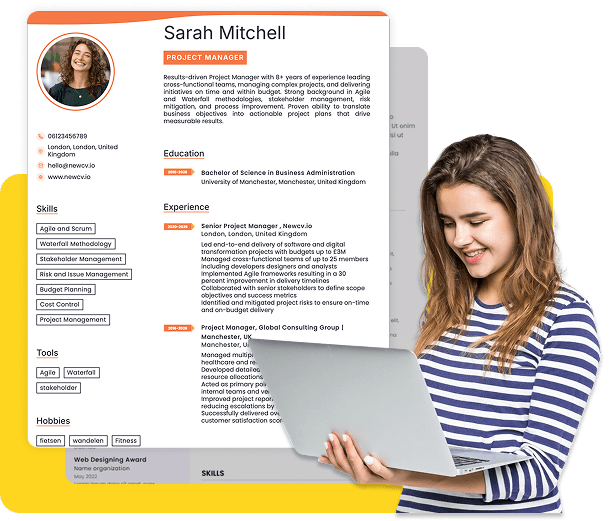
Use ATS-optimised Resume and resume templates that pass applicant tracking systems. Our Resume builder helps recruiters read, scan, and shortlist your Resume faster.

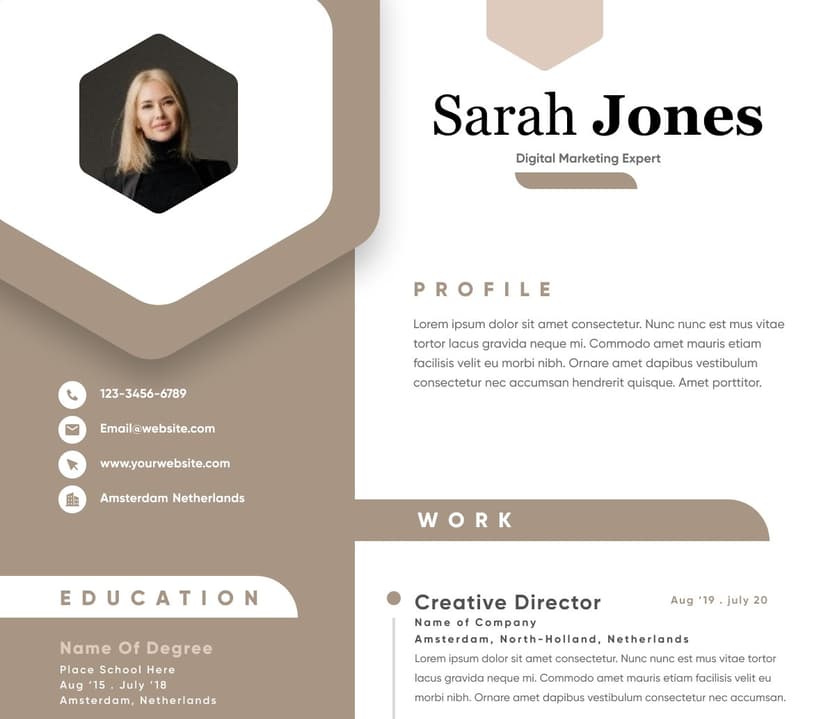
Use professional field-tested resume templates that follow the exact Resume rules employers look for.
Create Resume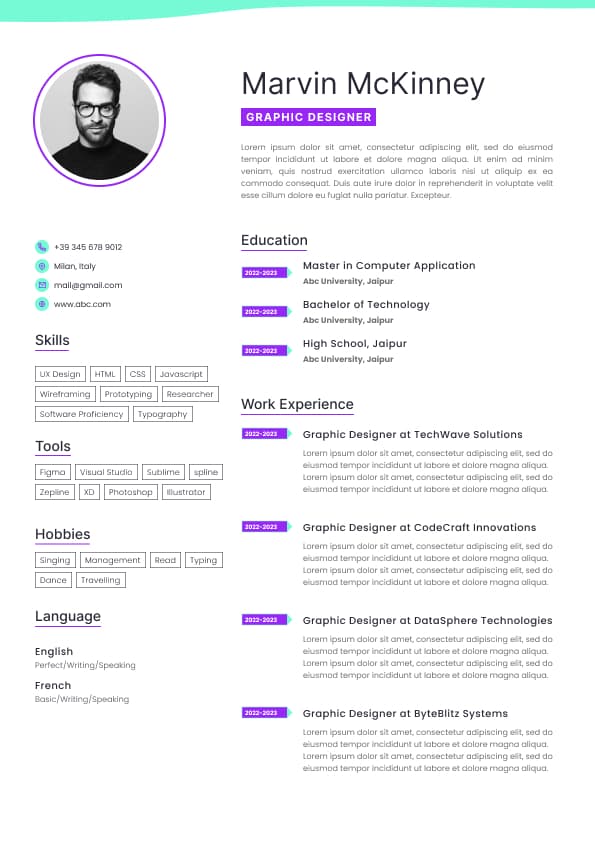
Use professional field-tested resume templates that follow the exact Resume rules employers look for.
Create ResumeCareer Change Resume Australia
Changing careers in Australia is absolutely possible, but most career change resumes fail for one reason: they read like a job history instead of a strategic repositioning document.
Australian recruiters and hiring managers are not just assessing whether you can do the role. They are assessing hiring risk. If your resume makes the employer work too hard to connect your previous experience to the new role, you will usually lose to candidates with direct industry experience.
A strong career change resume closes that gap immediately. It reframes your background around transferable skills, commercial outcomes, industry relevance, and future alignment rather than previous job titles alone.
The most effective career change resumes in Australia do five things well:
•Position transferable experience clearly
• Show evidence of adaptability and learning ability
• Reduce perceived hiring risk
• Align with local recruiter and ATS expectations
• Focus heavily on relevance, not chronology
This guide explains exactly how Australian recruiters evaluate career change candidates, what works in modern resume screening, what causes rejection, and how to structure a career change resume that gets interviews.
Most candidates assume recruiters reject career changers because they lack direct experience.
That is only partly true.
In reality, recruiters usually reject career change resumes because the candidate has not translated their previous experience into the language of the target role.
Recruiters screen resumes extremely quickly. In many Australian industries, initial resume screening lasts less than 30 seconds.
During that first scan, recruiters are asking:
•Does this person understand the target role?
• Can they realistically perform the work?
• How much training would they require?
• Are their transferable skills genuinely relevant?
• Is this a strategic move or a random application?
• Can I justify shortlisting them over someone with direct experience?
If those answers are unclear, the application usually fails immediately.
This is why generic career change advice rarely works.
The goal is not to “explain your passion”.
The goal is to reduce perceived hiring risk.
The most common failure pattern is writing a resume focused on previous responsibilities instead of future relevance.
For example, someone moving from hospitality into project coordination often writes this:
Weak Example
•Managed restaurant operations
• Supervised staff
• Assisted customers
• Managed bookings and stock
This sounds unrelated to project work.
But the same experience can be repositioned strategically.
Good Example
•Coordinated daily operational workflows across a high-volume environment with competing priorities
• Managed scheduling, stakeholder communication, and issue resolution under tight deadlines
• Led a team of 15 staff while maintaining service delivery KPIs and operational efficiency
• Managed inventory forecasting and supplier coordination to support business continuity
Now the recruiter sees operational coordination, leadership, scheduling, stakeholder management, and workflow management.
That is how career transition resumes succeed.
A normal resume primarily proves experience.
A career change resume primarily proves relevance.
That changes the entire strategy.
Your resume must focus less on job titles and more on:
•Transferable capabilities
• Commercial outcomes
• Industry-adjacent experience
• Behavioural strengths
• Learning agility
• Technical crossover
• Communication and stakeholder skills
• Operational complexity
In Australia, recruiters are usually pragmatic rather than overly formal. They care less about perfect career linearity and more about whether you can add value quickly.
However, they also expect clarity.
If your career transition story feels confusing, inconsistent, or unsupported by evidence, recruiters will move on quickly.
The strongest format for most Australian career changers is a hybrid resume structure.
This combines:
•A strong strategic summary
• A highly targeted skills section
• Achievement-focused experience
• Relevant certifications or training
• Clear alignment with the target role
Pure functional resumes usually perform poorly in Australia because recruiters dislike resumes that hide chronology or minimise work history.
Recruiters often interpret heavily functional resumes as a red flag.
Instead, use a structure that reframes your experience while still maintaining transparency.
Your summary is one of the most important sections in a career change resume because recruiters use it to determine whether your transition makes sense.
A weak summary sounds vague.
Weak Example
“Hardworking professional seeking a new opportunity to grow skills and pursue a passion for marketing.”
This says nothing meaningful.
A strong summary immediately connects previous experience to future value.
Good Example
“Operations professional with 8+ years’ experience managing fast-paced service environments, stakeholder communication, workflow coordination, and team leadership. Currently transitioning into project coordination, supported by formal project management training and experience delivering operational improvements across multi-site teams.”
This works because it:
•Identifies transferable strengths immediately
• Shows strategic alignment
• Demonstrates credibility
• Explains the transition naturally
• Reduces recruiter uncertainty
Not all transferable skills carry equal value.
Australian employers consistently prioritise transferable skills that directly impact business performance and team effectiveness.
The strongest transferable skills usually include:
•Stakeholder management
• Communication
• Team leadership
• Operations coordination
• Problem-solving
• Customer relationship management
• Process improvement
• Time management
• Scheduling and planning
• Reporting and administration
• Conflict resolution
• Commercial awareness
• Data analysis
• Cross-functional collaboration
• Systems and technology adaptability
The key is contextual relevance.
A transferable skill only matters if it clearly connects to the target role.
Most medium and large Australian employers use Applicant Tracking Systems (ATS).
Career changers often fail ATS screening because they use language from their previous industry instead of the target industry.
For example:
A retail manager applying for HR roles may write:
•Team supervision
• Rostering
• Customer complaints
But HR recruiters are searching for:
•Employee relations
• Workforce coordination
• Conflict resolution
• Performance management
• Stakeholder communication
The underlying skills are similar.
The terminology is different.
This is one of the biggest career change resume mistakes in Australia.
The best strategy is role translation.
You are not changing your history.
You are reframing its relevance.
For example:
Relevant transferable strengths:
•Scheduling and calendar coordination
• Multi-tasking under pressure
• Customer communication
• Process coordination
• Team collaboration
• Conflict management
Relevant transferable strengths:
•Training delivery
• Stakeholder engagement
• Presentation skills
• Curriculum development
• Coaching and mentoring
• Performance assessment
Relevant transferable strengths:
•KPI management
• Staff leadership
• Inventory control
• Operational reporting
• Workflow coordination
• Team performance management
The strongest resumes make these connections obvious without forcing the recruiter to interpret them.
Usually yes, but strategically.
Trying to hide a career transition often creates confusion.
However, the transition should sound intentional and commercially logical.
Avoid emotional explanations like:
•“Following my passion”
• “Seeking something different”
• “Wanting a fresh start”
These often create recruiter concern.
Instead, position the move around alignment and capability.
For example:
•Expanding into digital marketing after years managing customer engagement and campaign coordination
• Transitioning into HR following extensive people leadership and employee coaching experience
• Moving into project coordination after operational leadership across complex service environments
This feels strategic instead of impulsive.
Many career changers over-explain irrelevant history.
That weakens the resume.
You do not need equal detail for every role.
Prioritise relevance.
For unrelated older positions:
•Reduce bullet points
• Focus only on transferable outcomes
• Remove outdated or irrelevant tasks
• Keep chronology clean but concise
The closer a role aligns with the target industry, the more detail it deserves.
In Australian hiring, certifications often act as risk-reduction signals for career changers.
They tell employers:
•This transition is serious
• The candidate has invested in upskilling
• They understand industry fundamentals
• They are proactive
Relevant certifications can significantly improve shortlist rates.
Examples include:
•Google certifications for digital marketing
• Cert IV in Project Management Practice
• HR qualifications
• Salesforce certifications
• Data analytics courses
• Cybersecurity certifications
• Agile or Scrum training
However, certifications alone do not compensate for poor positioning.
They support the story.
They do not replace it.
For career changers, the skills section carries more strategic importance than in traditional resumes.
It should function as a bridge between your previous career and target role.
Avoid generic skills lists.
Weak Example
•Communication
• Leadership
• Teamwork
• Hardworking
These add little value.
Instead, use role-aligned capability clusters.
Good Example
•Stakeholder Communication and Relationship Management
• Workflow Coordination and Process Improvement
• Team Leadership and Performance Support
• Reporting, Scheduling, and Administrative Operations
• CRM Systems and Microsoft Office Suite
This improves ATS relevance and recruiter interpretation simultaneously.
Most career change cover letters are overly emotional and self-focused.
Recruiters do not primarily care why you want the change.
They care whether hiring you makes business sense.
A strong career change cover letter should:
•Explain the transition briefly
• Connect previous experience to business value
• Show understanding of the target role
• Demonstrate motivation through evidence, not emotion
• Reduce perceived hiring risk
The strongest cover letters sound commercially logical, not personal.
Your resume gets the interview.
Your consistency gets the job.
Australian hiring managers often test career changers heavily during interviews because they want to validate whether the transition is genuine and sustainable.
Common recruiter concerns include:
•Will this person leave quickly?
• Can they adapt to the industry?
• Are they underestimating the role?
• Can they handle the learning curve?
• Are they applying broadly without direction?
This is why your resume and interview positioning must align perfectly.
This is the biggest mistake.
Simply changing the resume title is not enough.
Outdated objective statements usually weaken credibility.
Recruiters quickly ignore vague language like:
•Dynamic
• Motivated
• Passionate
• Results-driven
Without evidence, these words mean nothing.
Australian recruiters strongly prefer achievement-based resumes.
Industry language matters heavily in modern screening.
This dilutes relevance and weakens positioning.
Most Australian resumes should remain concise and highly targeted.
For career changers, relevance matters more than volume.
The strongest career change candidates usually combine several factors:
•Strong transferable experience
• Clear resume positioning
• Relevant certifications
• Tailored applications
• Networking and referrals
• Industry-aligned terminology
• Strategic LinkedIn positioning
• Demonstrated learning initiative
Career transition success rarely comes from one factor alone.
It comes from reducing employer uncertainty from multiple angles simultaneously.
This is the core strategic principle.
Every strong career change resume reduces risk perception.
You do this by demonstrating:
Show examples of:
•Learning systems quickly
• Managing change
• Working across functions
• Handling operational complexity
Even indirect exposure matters.
For example:
•CRM systems
• Reporting tools
• Scheduling software
• Project coordination platforms
• Data analysis tools
If your career history appears unstable, recruiters become cautious.
Frame transitions carefully.
Show awareness of business outcomes, not just tasks.
Australian employers strongly value commercially aware candidates.
For career changers, professional resume support can be valuable because strategic positioning matters heavily.
However, many resume writers produce generic documents that sound polished but lack hiring relevance.
A good Australian resume strategist should understand:
•ATS optimisation
• Australian recruiter behaviour
• Career transition positioning
• Transferable skill mapping
• Hiring psychology
• Industry-specific expectations
The difference between generic writing and strategic positioning is enormous.
Generally:
•Early career: 1 to 2 pages
• Mid-level professionals: 2 to 3 pages
• Senior professionals: up to 4 pages when justified
Career changers often make the mistake of including excessive history to “prove experience”.
This usually weakens focus.
A tighter, highly relevant resume almost always performs better.
Within the first screen, recruiters should understand:
•What role you are targeting
• Why your background is relevant
• Which transferable strengths matter
• Whether you can perform effectively
• Why the transition makes sense
If these points are unclear, shortlist chances drop significantly.
Clarity beats complexity every time.


 Upload Resume
 Import from Linkedin