
Choose from a wide range of NEWCV resume templates and customize your NEWCV design with a single click.

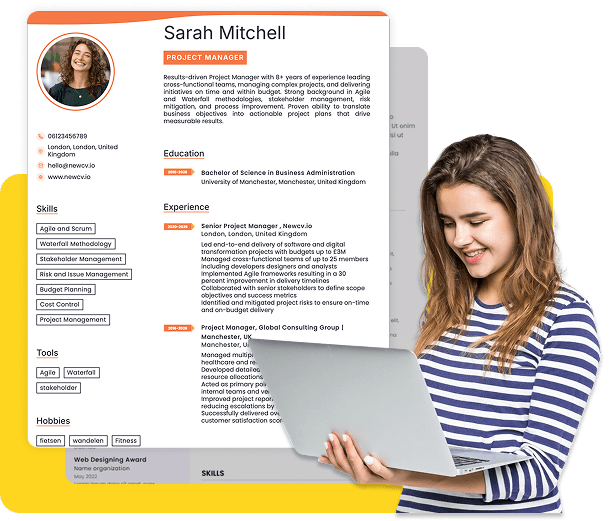
Use ATS-optimised Resume and resume templates that pass applicant tracking systems. Our Resume builder helps recruiters read, scan, and shortlist your Resume faster.

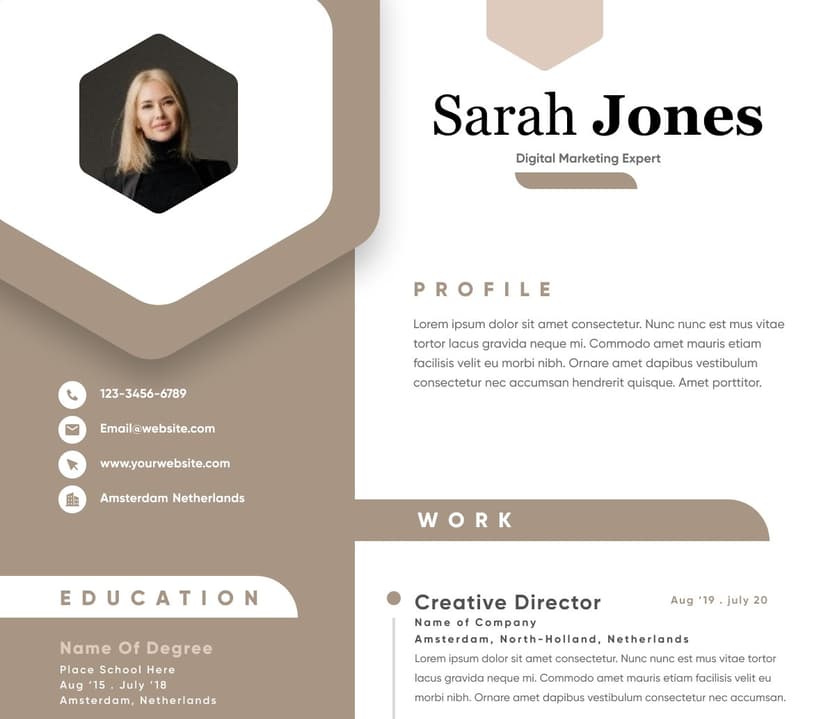
Use professional field-tested resume templates that follow the exact Resume rules employers look for.
Create Resume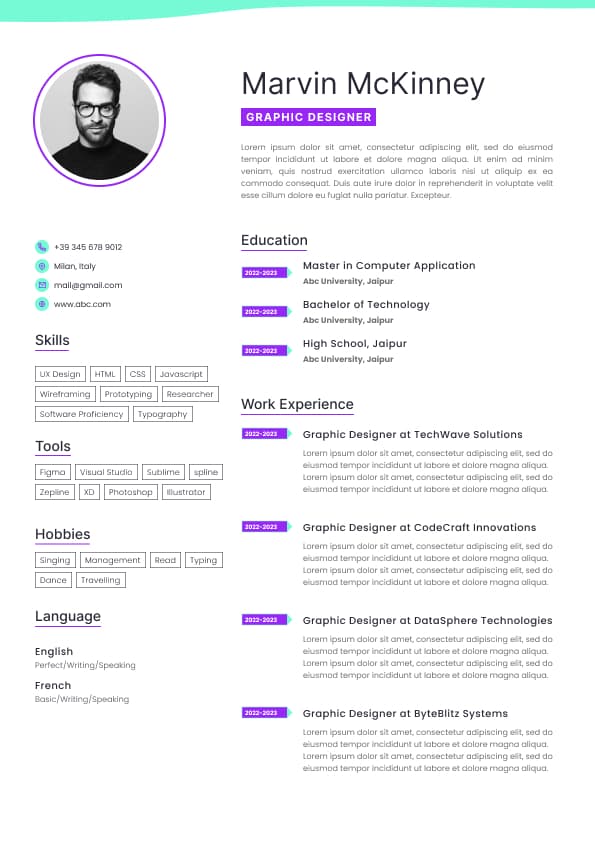
Use professional field-tested resume templates that follow the exact Resume rules employers look for.
Create ResumeA hospitality resume in Australia needs to do one thing exceptionally well: prove you can handle fast-paced customer service while being reliable, adaptable, and easy to work with. Most hospitality hiring managers spend less than 30 seconds scanning a resume before deciding whether to interview a candidate. They are not looking for corporate-style resumes packed with buzzwords. They want evidence that you can work under pressure, communicate well with customers, show up on time, and fit into the team.
For pubs, cafés, restaurants, hotels, event venues, and catering companies across Australia, the strongest hospitality resumes are practical, achievement-focused, and tailored to the exact venue type. A generic resume immediately stands out in the wrong way.
Whether you are applying for a café all-rounder role in Melbourne, a bartender position in Sydney, hotel front desk work in Brisbane, or FIFO hospitality work in Western Australia, your resume needs to reflect how Australian employers actually hire. That means showing service experience clearly, highlighting availability, and making your resume easy to scan quickly.
This guide breaks down exactly how to write a hospitality resume that improves interview chances in the Australian job market.
Hospitality recruitment in Australia is heavily speed-driven. Many venues hire urgently due to staff turnover, seasonal demand, weekend trade, or labour shortages.
That changes how resumes are evaluated.
Most venue managers prioritise:
Relevant hospitality experience
RSA or required certifications
Weekend and evening availability
Reliability and work ethic
Customer service ability
Team fit and attitude
Fast onboarding potential
Ability to work under pressure
They are not looking for overly polished corporate resumes. In fact, highly formal resumes can sometimes work against hospitality applicants because they feel disconnected from the role.
Hiring managers want confidence, practicality, and evidence you can step into service immediately.
The best format for hospitality resumes is usually a reverse chronological resume.
This works because hospitality employers care most about:
Your recent venue experience
The type of service environments you have worked in
Whether you have relevant customer-facing exposure
Your ability to handle similar service conditions
A strong hospitality resume structure looks like this:
Contact details
Short professional summary
Key hospitality skills
Work experience
Certifications and licences
Education
Optional additional sections
Keep the resume between one and two pages.
For entry-level hospitality applicants, one page is usually ideal.
For experienced candidates with venue management or hotel experience, two pages is acceptable.
Most hospitality resumes fail for predictable reasons.
Weak hospitality resumes are full of vague claims like:
Excellent communication skills
Team player
Hardworking individual
Fast learner
Passionate about hospitality
These phrases are meaningless unless backed by evidence.
Australian hospitality employers want to know:
What type of venue you worked in
Service volume
Customer environment
Responsibilities handled
POS systems used
Beverage or food experience
Saying “Worked as a waiter” is not enough.
Many hospitality employers hire primarily based on scheduling flexibility.
If your availability is strong, include it clearly.
For example:
Available weekends and public holidays
Flexible rotating roster availability
Available for immediate start
This matters far more in hospitality than in many other industries.
Hospitality resumes should feel practical and operational, not executive-level.
Avoid:
Long paragraphs
Corporate jargon
Over-designed templates
Excessive personal statements
Buzzword-heavy writing
Venue managers scan quickly. Clarity wins.
Your summary should quickly position you for the exact hospitality environment.
Good summaries communicate:
Years of experience
Venue type
Core strengths
Relevant certifications
Service style or pace
“Motivated and hardworking individual seeking a hospitality opportunity where I can utilise my skills.”
This says nothing useful.
“Experienced hospitality all-rounder with 3 years of experience across high-volume cafés and casual dining venues in Sydney. Skilled in POS systems, table service, customer engagement, and managing busy weekend service periods. RSA certified with flexible evening and weekend availability.”
The second version immediately helps the hiring manager assess fit.
The best hospitality skills are operational and service-based.
Include skills relevant to the actual role.
Customer service
Table service
POS systems
EFTPOS handling
Food running
Reservation systems
Complaint handling
Upselling
Cash handling
Barista skills
Beverage service
Venue opening and closing procedures
Cocktail preparation
Beer and wine knowledge
TAB or gaming experience
Bar stock control
Keg changing
Responsible alcohol service
High-volume bar service
Front desk operations
Booking systems
Guest check-in and check-out
Housekeeping coordination
Phone enquiries
Concierge support
Conflict resolution
Food preparation
Kitchen hand duties
Food safety compliance
Dishwashing operations
Stock rotation
Cleaning procedures
Only include skills you can confidently demonstrate during an interview or trial shift.
This is the section that determines whether you get shortlisted.
Most candidates undersell their actual experience.
The goal is not just listing duties. It is showing operational capability.
Waiter
Restaurant ABC
2022–2024
Took customer orders
Served food
Cleaned tables
This sounds low-value and generic.
Waiter | Casual Dining Restaurant | Melbourne
January 2022 – March 2024
Delivered table service in a high-volume venue seating more than 120 guests during peak weekend trade
Managed EFTPOS and POS transactions accurately during busy service periods
Built strong repeat customer relationships through efficient and friendly service
Coordinated closely with kitchen staff to maintain fast turnaround times during peak periods
Assisted with venue opening and closing procedures, including stock checks and floor preparation
The second version shows scale, pace, teamwork, and competence.
That is what hiring managers actually assess.
Yes, if it reflects real operational exposure.
Many hospitality workers in Australia gain experience through:
Trial shifts
Cash-in-hand work
Seasonal work
Events
Short-term contracts
Agency shifts
You can still present these professionally.
Example:
Event Hospitality Staff | Various Venues | Brisbane
2023 – Present
This is better than leaving gaps or hiding relevant experience.
Certain certifications significantly improve hiring potential.
RSA Certificate
RSG or RCG certification
Food Safety Supervisor certificate
First Aid certificate
Barista training
White Card for some event or venue roles
RSA is particularly important for licensed venues.
Many hospitality employers filter applicants immediately if RSA certification is missing.
Include certifications clearly near the top if highly relevant.
Large hospitality groups, hotels, casinos, and franchise chains often use ATS systems.
Your resume should include keywords naturally linked to the role.
For example:
Front of house
Customer service
POS systems
Barista
Bartender
Food handling
Guest services
Reservations
Cash handling
Hotel operations
Do not keyword stuff.
The resume still needs to sound natural and human.
One of the biggest mistakes candidates make is using the same resume for every hospitality job.
Australian hospitality hiring is highly role-specific.
Employers prioritise:
Coffee experience
Speed during morning rush
Customer interaction
POS systems
Multitasking
Employers prioritise:
RSA certification
Cocktail knowledge
High-volume service
Cash handling
Conflict management
Employers prioritise:
Professional presentation
Guest relations
Booking systems
Administrative ability
Communication skills
Employers prioritise:
Table service
Upselling
Menu knowledge
Coordination with kitchen staff
Handling busy shifts
Tailoring matters because venue managers hire based on operational fit, not generic hospitality interest.
Most candidates misunderstand how quickly hospitality resumes are assessed.
Hiring managers often scan in this order:
Current or recent role
Venue type
Relevant experience
Availability
Certifications
Location
Resume presentation
This means important information must be visible immediately.
If a manager cannot quickly determine fit, they move on.
Especially in hospitality.
Simple resumes perform best.
Use:
Clear headings
Easy-to-read fonts
Minimal colours
Consistent formatting
Strong spacing
Bullet points for responsibilities
Avoid:
Graphics
Skill bars
Photos
Multiple columns
Excessive styling
Many hospitality resumes fail because they prioritise appearance over readability.
For hospitality jobs, cover letters are less critical than in corporate hiring.
However, they help when:
Applying to premium venues
Changing industries
Applying without experience
Applying for management roles
Applying at hotels or hospitality groups
A short, targeted cover letter can improve interview rates if written properly.
Especially when explaining:
Availability
Interest in the venue
Relevant customer service strengths
Immediate start flexibility
Emily Carter
Sydney, NSW
0400 000 000
Experienced hospitality all-rounder with 4 years of experience across cafés, bars, and casual dining venues in Sydney. Strong background in customer service, POS systems, food and beverage operations, and high-volume weekend service. RSA certified with flexible roster availability and proven ability to perform under pressure in fast-paced hospitality environments.
Customer service
POS and EFTPOS systems
Table service
Coffee preparation
Food running
Cash handling
Bar service
Complaint resolution
Team collaboration
Venue opening and closing procedures
Hospitality All-Rounder | Harbour Lane Café | Sydney
March 2022 – Present
Delivered customer service across breakfast and lunch service periods in a busy inner-city café
Managed POS transactions and handled cash reconciliation during closing shifts
Prepared coffee and beverages during peak morning trade
Assisted with stock rotation and daily venue preparation
Maintained strong customer satisfaction through fast and professional service
Wait Staff | Northside Dining Group | Sydney
January 2020 – February 2022
Provided table service in a fast-paced casual dining venue
Coordinated with kitchen staff to manage timely meal delivery during peak service
Handled customer enquiries and resolved minor service issues professionally
Supported venue setup and closing procedures
RSA Certificate NSW
Food Safety Handler Certificate
First Aid Certificate
Certificate III in Hospitality
TAFE NSW
Your resume creates expectations.
Hospitality employers usually test:
Communication style
Presentation
Reliability
Energy level
Customer interaction ability
Team attitude
Stress handling
Your resume should align with the impression you give in person.
For example:
If your resume claims strong cocktail experience, expect practical questions.
If you mention barista skills, expect coffee-related discussion or a trial.
In busy Australian cities, hospitality roles can attract hundreds of applications.
The strongest candidates usually stand out because they:
Tailor resumes to venue type
Show operational detail
Include relevant certifications
Demonstrate availability clearly
Keep resumes concise and practical
Use measurable service context
Highlight reliability and pace
Most hospitality resumes are too vague.
Specificity wins interviews.
Hospitality hiring is heavily based on risk reduction.
Managers ask themselves:
“Can this person handle service without creating problems?”
Your resume needs to reduce uncertainty quickly.
That means proving:
You understand hospitality environments
You can work under pressure
You communicate professionally
You are reliable
You fit the service style
You can start contributing fast
The best hospitality resumes are not flashy.
They are clear, credible, operationally relevant, and easy to trust.


 Upload Resume
 Import from Linkedin