
Choose from a wide range of NEWCV resume templates and customize your NEWCV design with a single click.


Use ATS-optimised Resume and resume templates that pass applicant tracking systems. Our Resume builder helps recruiters read, scan, and shortlist your Resume faster.

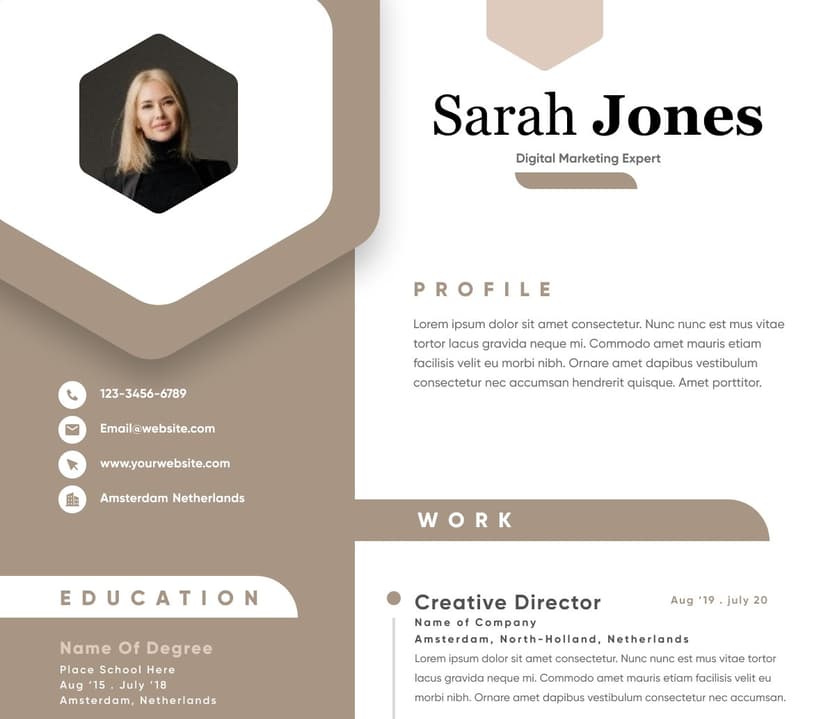
Use professional field-tested resume templates that follow the exact Resume rules employers look for.
Create Resume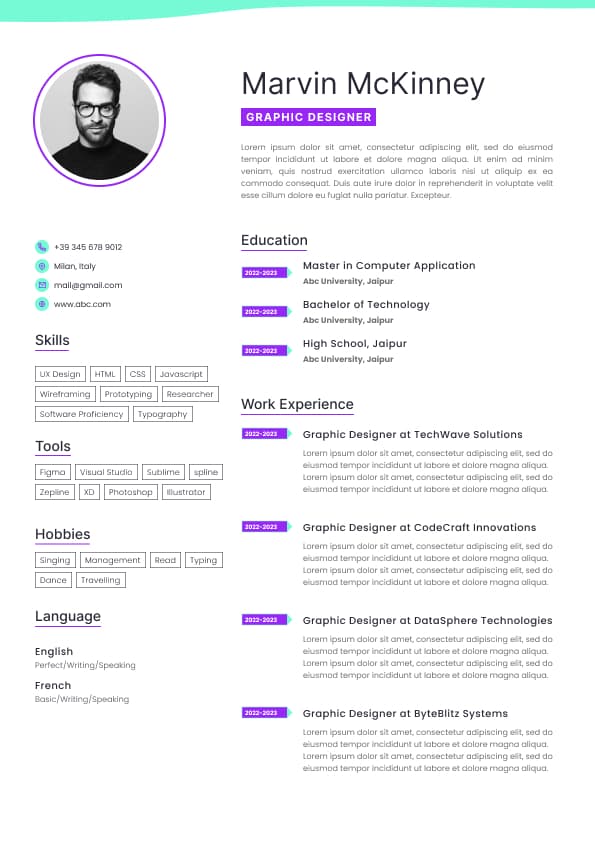
Use professional field-tested resume templates that follow the exact Resume rules employers look for.
Create ResumeRegional sponsorship in Australia is one of the strongest pathways for skilled migrants who want permanent residency, faster visa opportunities, and better chances of securing employer sponsorship in a competitive market.
In practical terms, regional sponsorship means living and working in designated regional areas of Australia under a sponsored visa pathway. These pathways are designed to address skill shortages outside major metro areas like Sydney, Melbourne, and Brisbane.
For many candidates, regional sponsorship offers:
More visa options
Lower points thresholds
Faster access to invitations
Stronger employer demand
Additional migration benefits
Better long term PR opportunities
However, many applicants misunderstand how regional sponsorship actually works. A large number of candidates focus only on the visa itself without understanding employer expectations, occupation demand, regional hiring realities, or the commercial side of sponsorship.
For migration purposes, “regional Australia” does not simply mean remote towns or isolated rural areas.
Under current Australian migration rules, most of Australia outside Sydney, Melbourne, and Brisbane is considered regional.
This includes major cities such as:
Perth
Adelaide
Gold Coast
Canberra
Newcastle
Wollongong
Hobart
Australian employers do not sponsor candidates simply because they need a visa. They sponsor candidates who solve a hiring problem.
That distinction changes everything.
This guide explains how regional sponsorship works in Australia, which visa pathways matter in 2026, what employers actually look for, common mistakes candidates make, and how to position yourself competitively in the Australian regional job market.
Darwin
Sunshine Coast
Geelong
This is one of the biggest misconceptions among overseas applicants. Many people assume regional sponsorship means relocating to a tiny mining town. In reality, many regional areas are large, modern cities with strong economies and ongoing skilled shortages.
From a recruitment perspective, regional employers often face:
Smaller local talent pools
Longer vacancy periods
Higher recruitment costs
Skills shortages in technical and specialised roles
Lower candidate availability compared to metro markets
That creates genuine sponsorship opportunities for skilled migrants who are strategically positioned.
The dominant regional sponsorship pathways in Australia currently include several employer sponsored and state nominated options.
The Subclass 494 visa is one of the most important regional sponsorship pathways.
This visa allows regional employers to sponsor skilled overseas workers when they cannot find suitable local candidates.
Key features:
Employer sponsored
Valid for 5 years
Pathway to permanent residency
Requires regional employment
Occupation must usually appear on the relevant skilled occupation list
From a recruiter’s perspective, this visa is often used when employers:
Have ongoing hiring difficulties
Need specialised technical skills
Cannot attract metro-based workers
Operate in industries with chronic shortages
Industries commonly using 494 sponsorship include:
Healthcare
Aged care
Engineering
Construction
Agriculture
Trades
Hospitality in regional tourism areas
Mining support services
Early childhood education
The Subclass 491 visa is points-tested and can involve:
State nomination
Family sponsorship in regional Australia
This pathway is highly attractive because it provides:
Extra migration points
Access to regional opportunities
A pathway toward permanent residency
Many applicants strategically pursue regional nomination because metro state invitations are often significantly more competitive.
One of the biggest reasons candidates pursue regional sponsorship is the permanent residency pathway.
For many skilled migrants, regional pathways are now more realistic than direct independent migration.
Candidates who successfully meet regional work and income requirements may later transition toward permanent residency pathways such as:
Subclass 191
Employer-sponsored permanent pathways
State-supported PR options
The exact pathway depends on:
Visa type
Occupation
State requirements
Employer situation
Ongoing compliance
Regional sponsorship has become increasingly important because Australia’s labour shortages are no longer limited to metro areas.
Regional employers are experiencing significant recruitment pressure due to:
Population shortages
Ageing workforces
Infrastructure expansion
Healthcare demand growth
Trade shortages
Agricultural workforce gaps
Construction demand
Regional economic growth initiatives
At the same time, many Australian workers continue to concentrate in major cities.
This mismatch creates ongoing demand for skilled migrants in regional areas.
From a hiring manager’s perspective, sponsorship becomes commercially worthwhile when:
Vacancies remain open too long
Business operations are affected
Revenue is impacted
Existing staff are overloaded
Projects are delayed
Compliance or service delivery is at risk
The strongest sponsorship candidates understand this business reality and position themselves as solutions, not visa applicants.
Not all occupations perform equally well under regional sponsorship pathways.
Some candidates rely too heavily on generic “occupation list” articles online without understanding actual hiring demand.
There is a major difference between:
and
Regional employers primarily sponsor candidates in occupations where recruitment pain is real.
Strong demand areas commonly include:
This is one of the strongest regional sponsorship sectors in Australia.
High demand roles include:
Registered nurses
Mental health nurses
Aged care nurses
General practitioners
Allied health professionals
Occupational therapists
Physiotherapists
Medical imaging professionals
Healthcare employers are often highly experienced with sponsorship because shortages are ongoing and operationally critical.
Regional infrastructure growth continues to drive sponsorship demand for:
Electricians
Diesel mechanics
Fitters and turners
Carpenters
Plumbers
Welders
Heavy vehicle mechanics
Construction supervisors
Candidates with Australian-equivalent trade standards perform significantly better.
Regional Australia continues to face shortages in:
Civil engineers
Mechanical engineers
Mining engineers
Electrical engineers
Project engineers
Mining, energy, utilities, and infrastructure projects are major drivers.
This is one of the fastest-growing sponsorship areas.
Regional childcare shortages have intensified due to:
Population growth
Government childcare initiatives
Workforce shortages
Qualified early childhood teachers are highly sought after across many regional areas.
This is where most migration advice online becomes disconnected from reality.
Employers do not hire candidates based solely on visa eligibility.
Recruiters and hiring managers evaluate:
Commercial value
Risk
Adaptability
Retention likelihood
Communication ability
Technical competency
Cultural fit
Practical readiness
The strongest regional sponsorship candidates usually demonstrate:
Clear alignment with shortage occupations
Strong English communication
Relevant experience
Industry-recognised qualifications
Genuine regional commitment
Long-term retention potential
Realistic salary expectations
Immediate work readiness
Employers become cautious when candidates appear:
Desperate for any visa
Unclear about relocation
Unrealistic about Australian work culture
Unable to communicate effectively
Unfamiliar with industry expectations
Focused only on PR outcomes
One of the biggest hiring concerns in regional Australia is retention risk.
Many employers fear candidates will relocate to Sydney or Melbourne immediately after securing visa advantages.
Candidates who genuinely understand regional living and communicate long-term commitment perform far better.
Mass applications rarely work in Australia’s sponsorship market.
Employers can immediately identify generic applications.
Strong sponsored candidates tailor applications carefully and demonstrate:
Why that region suits them
Why they understand the employer’s industry
Why they are commercially valuable
Why relocation makes sense long term
Many candidates assume all shortages automatically lead to sponsorship.
In reality:
Some employers lack sponsorship approval
Some cannot afford sponsorship costs
Some prefer local recruitment first
Some roles do not justify sponsorship financially
Sponsorship is expensive, time-consuming, and compliance-heavy for employers.
Regional employers often assess lifestyle compatibility indirectly.
Candidates who only focus on migration benefits can raise concerns.
Employers want confidence that candidates can adapt to:
Smaller communities
Different lifestyles
Reduced public transport
Different social environments
Long-term regional living
One of the biggest issues recruiters see is poorly localised resumes.
Strong Australian resumes for sponsored roles are:
Achievement-focused
Commercially relevant
Clear and concise
ATS-friendly
Written in strong professional English
Tailored to the exact role
Weak resumes often:
Read like generic migration documents
Focus too heavily on duties
Lack measurable outcomes
Use unclear formatting
Ignore Australian terminology
Do not target locations purely based on popularity.
The best opportunities often come from regions with:
Severe talent shortages
Lower candidate competition
Expanding industries
Workforce retention problems
Strategic targeting matters more than mass applying.
Employers respond better when candidates demonstrate understanding of:
Australian workplace standards
Safety expectations
Communication styles
Industry certifications
Compliance requirements
Even small localisation improvements can significantly increase interview rates.
This is critical.
Visa eligibility alone does not create hiring demand.
The strongest candidates focus first on:
Skills
Commercial value
Experience relevance
Industry positioning
Employer pain points
The visa becomes secondary once the employer sees value.
Regional employers often assess:
Adaptability
Reliability
Communication
Commitment
Practical problem-solving
Candidates who perform well in interviews usually:
Research the region thoroughly
Understand employer challenges
Communicate clearly and naturally
Explain relocation motivations credibly
Many skilled migrants still focus heavily on Sydney and Melbourne despite increasing competition.
Regional sponsorship often provides:
Better invitation opportunities
Lower competition
Faster recruitment outcomes
Stronger employer responsiveness
More realistic sponsorship pathways
Metro sponsorship remains highly competitive because:
Applicant volumes are enormous
Employers receive more local applications
Living costs are significantly higher
Retention expectations differ
In many industries, regional Australia now offers stronger sponsorship prospects than metro markets.
Experienced Australian recruiters often identify sponsorship viability within the first 30 to 60 seconds of reviewing a resume or LinkedIn profile.
They quickly assess:
Occupation alignment
Experience relevance
Communication quality
Career consistency
Regional suitability
Technical credibility
Visa status clarity
Candidates who perform best usually:
Present themselves professionally
Explain sponsorship needs clearly
Avoid overly complex migration language
Focus on business value first
One major mistake is leading applications with visa requests instead of capability.
Australian employers hire capability first.
Sponsorship follows when the business case is strong enough.
For many skilled migrants, regional sponsorship is now one of the strongest long-term migration pathways in Australia.
It can provide:
Better migration opportunities
Faster workforce entry
Long-term PR potential
Strong career growth
Less competition
Better work-life balance in some regions
However, success depends heavily on:
Occupation demand
Employer need
Candidate positioning
Resume quality
Communication skills
Genuine regional commitment
The candidates who succeed are usually those who approach regional sponsorship strategically rather than emotionally.
They understand that employers are solving staffing problems, not simply offering migration opportunities.
That mindset dramatically improves outcomes.


 Upload Resume
 Import from Linkedin