
Choose from a wide range of NEWCV resume templates and customize your NEWCV design with a single click.

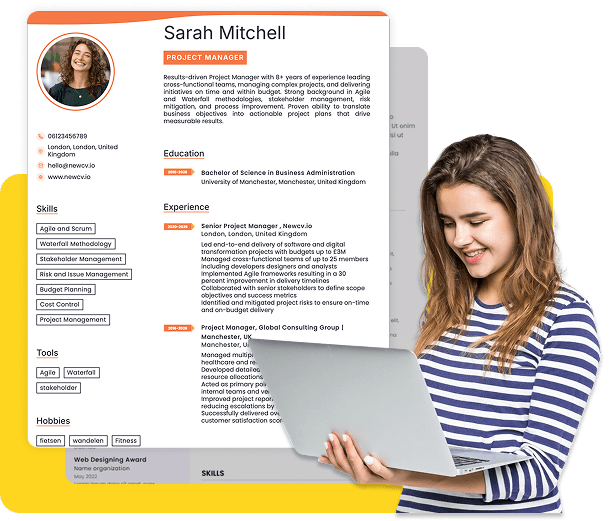
Use ATS-optimised Resume and resume templates that pass applicant tracking systems. Our Resume builder helps recruiters read, scan, and shortlist your Resume faster.

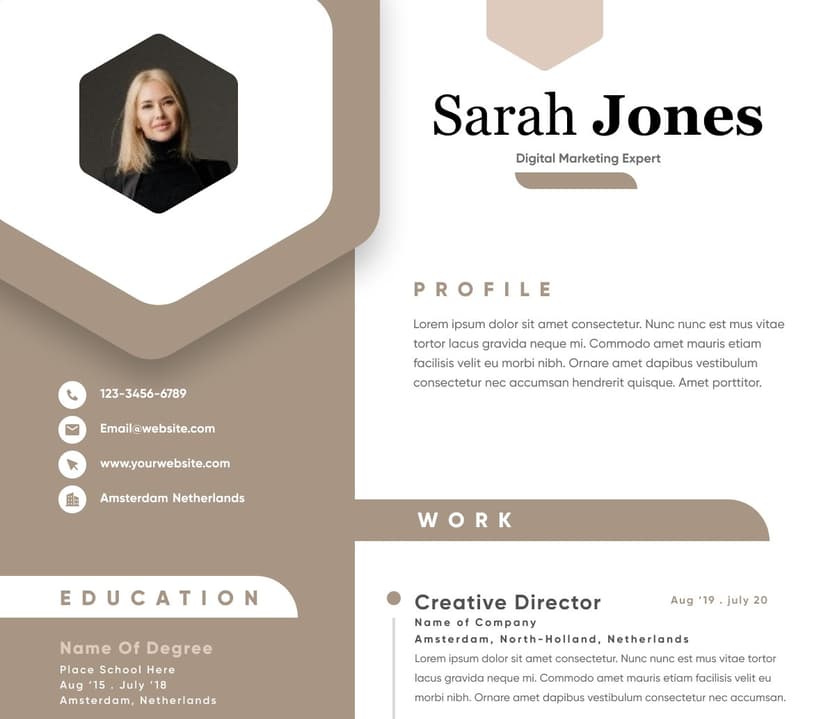
Use professional field-tested resume templates that follow the exact Resume rules employers look for.
Create Resume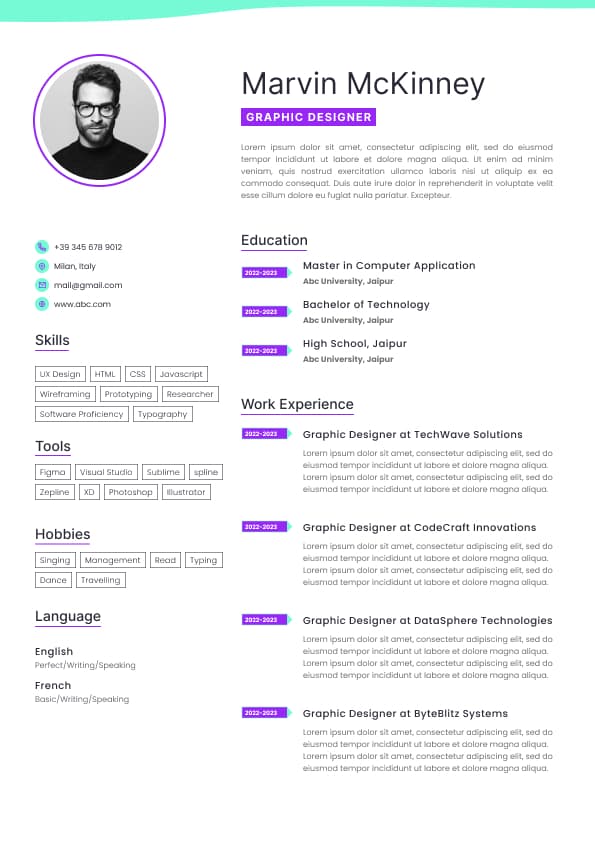
Use professional field-tested resume templates that follow the exact Resume rules employers look for.
Create ResumeIn Australia, resume references still play a major role in hiring decisions, especially once you reach the interview shortlist stage. Most employers do not check references before interviewing, but they often use them as a final risk assessment before making an offer. A strong reference can reinforce your credibility, while a weak, unprepared, or poorly chosen referee can quietly remove you from contention.
Australian recruiters and hiring managers are not just verifying dates of employment. They are assessing reliability, communication style, workplace behaviour, leadership capability, performance consistency, and whether your claims match how others experienced working with you.
The biggest mistake candidates make is treating references like a formality. In reality, referees are often used to validate concerns that emerged during interviews. If your references are vague, inconsistent, hesitant, or unprepared, employers notice immediately.
This guide explains exactly how resume references work in Australia, who to choose, what recruiters ask, what employers are really evaluating, and how to use references strategically to strengthen your application.
In most Australian industries, you do not need to list references directly on your resume unless the employer specifically asks for them.
Modern Australian hiring practice usually follows this sequence:
Resume screening
Interview process
Shortlisting
Reference checks
Offer stage
Most recruiters prefer candidates to provide references later in the process rather than placing referee details on the resume itself.
Including full referee information on your resume can create unnecessary issues:
Your referees may receive unexpected calls
Confidential job searches can be exposed
Recruiters rarely contact referees at initial screening stage
Resume space is better used for achievements and positioning
For most Australian job applications, the best approach is either:
Leave references off entirely
Add “References available upon request” only if space naturally allows
In many cases, even “References available upon request” is unnecessary because employers already expect you to provide them later.
Most candidates assume referees simply confirm employment dates. That is only a small part of the process.
Australian recruiters use reference checks to answer four core questions:
Recruiters compare your interview claims against your referee’s description of your performance.
They look for consistency in:
Technical capability
Leadership ability
Communication skills
Reliability
Problem solving
Stakeholder management
Initiative
Team fit
If your interview positioning sounds stronger than your referee’s feedback, concerns immediately appear.
Hiring managers often investigate behavioural risk more than technical capability.
This includes:
Accountability
Attitude under pressure
Conflict management
Workplace behaviour
Coachability
Reliability
Time management
Professionalism
A technically strong candidate with behavioural concerns is often seen as higher risk than a slightly less experienced but reliable candidate.
Australian employers pay close attention to how referees describe your departure.
Recruiters listen carefully for:
Hesitation
Evasive language
Contradictions
Performance concerns
Cultural issues
Termination indicators
Even subtle wording matters.
For example:
Weak Example:
“Yeah, they were okay overall.”
Good Example:
“I would absolutely hire them again. They consistently delivered strong results and worked well with the team.”
Recruiters are trained to notice confidence levels, not just words.
This is often the hidden decision-making question.
Many Australian recruiters finish reference calls with variations of:
“Would you rehire them?”
“Would you put them in your own team?”
“Would you recommend them without hesitation?”
A pause before answering can matter more than the actual words.
The best referees are people who directly supervised or worked closely with you and can confidently discuss your performance.
Strong Australian referees usually include:
Direct managers
Team leaders
Senior stakeholders
Department heads
Clients in consulting or account management roles
Project managers
Business owners in smaller organisations
The strongest referees are recent, credible, and relevant to the role you are applying for.
Certain referee choices immediately weaken credibility.
Avoid using:
Friends
Family members
Personal acquaintances
Someone who barely worked with you
Extremely outdated referees
Junior colleagues instead of supervisors
Anyone who sounds uncertain or disengaged
Australian recruiters become suspicious when candidates avoid direct managers without explanation.
If you cannot use a former manager because of confidentiality, redundancy, restructuring, or workplace conflict, proactively explain this professionally during later hiring stages.
Most Australian employers ask for:
Two professional references for standard corporate roles
Three references for senior leadership positions
Additional checks for government, healthcare, education, or regulated industries
Usually, employers prefer:
One current or recent manager
One previous manager or senior stakeholder
For graduate roles or early-career candidates, employers may accept:
University supervisors
Internship managers
Volunteer coordinators
Placement supervisors
In Australia, the answer is usually no.
Most recruiters prefer references separately because:
It protects referee privacy
It avoids unnecessary contact
It keeps resumes cleaner and more focused
References are rarely checked at first screening stage
The only times listing referees directly may help are:
Government applications specifically requesting them
Certain healthcare or education roles
Smaller businesses with informal hiring processes
Regional industries where references are heavily relationship-driven
Otherwise, references are typically provided after interviews.
When employers request references, send them in a separate document or email.
A strong referee format looks like this:
Sarah Thompson
Operations Manager
ABC Logistics
Relationship: Direct Manager
Phone: 04XX XXX XXX
Email: sarah.thompson@email.com
Keep formatting clean, simple, and professional.
Do not include:
Long explanations
Personal details
Irrelevant referees
Excessive commentary
Absolutely.
One of the biggest mistakes candidates make is listing referees without warning them.
Always ask permission first.
This matters because recruiters often call with little notice, and unprepared referees tend to give weak, vague, or awkward responses.
Before listing someone:
Confirm they are comfortable being contacted
Explain the type of role you are applying for
Share your latest resume
Brief them on key achievements you highlighted
Let them know what employers may ask
Prepared referees give stronger, more aligned responses.
Most Australian reference checks follow predictable patterns.
Common questions include:
How long did you work with the candidate?
What was their role and responsibility level?
What were their strongest qualities?
How did they perform under pressure?
How did they interact with colleagues and stakeholders?
What areas needed development?
Why did they leave?
Would you rehire them?
Is there anything else we should know?
For leadership roles, recruiters may also ask about:
Team management style
Strategic thinking
Decision-making
Conflict resolution
Commercial impact
Executive communication
Most candidates misunderstand the purpose of references.
Employers are not usually searching for perfect praise.
They are searching for:
Consistency
Credibility
Risk signals
Behaviour patterns
Authenticity
An overly scripted referee can sometimes sound suspicious.
Recruiters trust balanced references more than exaggerated praise.
For example:
Weak Example:
“They were perfect at absolutely everything.”
This often sounds rehearsed or unrealistic.
Good Example:
“They were extremely reliable and strong with stakeholders. Early on, they needed more confidence presenting to executives, but improved significantly over time.”
Balanced feedback feels genuine and trustworthy.
Poor references quietly cost candidates jobs every day in Australia.
Most employers will not tell you directly that your referee hurt your application.
Common issues include:
Referee sounds hesitant
Feedback contradicts your interview claims
Referee lacks enthusiasm
Referee barely remembers you
Referee accidentally raises concerns
Behavioural issues emerge
Dates or responsibilities do not align
Sometimes candidates perform strongly in interviews but lose offers because references create uncertainty.
Hiring managers generally avoid candidates who introduce avoidable risk.
This is common and manageable if handled professionally.
Do not panic or become defensive.
Instead:
Explain the situation calmly if needed
Offer alternative senior stakeholders
Use project leads or matrix managers where appropriate
Focus on credibility and relevance
Avoid emotional explanations
Australian recruiters understand that not every workplace relationship ends perfectly.
What creates concern is evasiveness or inconsistent explanations.
Written references still exist in some industries but are far less influential than direct conversations.
Most Australian recruiters prefer live reference checks because they can:
Ask follow-up questions
Assess tone and confidence
Clarify inconsistencies
Explore behavioural concerns
Written references are more common in:
Education
Government
Academic roles
Healthcare
Some trade industries
Even then, employers often still conduct verbal checks.
Not necessarily.
Many Australian candidates avoid listing current managers for confidentiality reasons.
This is normal.
A practical approach is:
Use previous managers initially
Explain confidentiality concerns professionally
Offer current referees only at final stage if necessary
Most experienced recruiters understand this dynamic.
Generally:
Use referees from the last 5 to 10 years where possible
Prioritise recent and relevant roles
Older referees lose credibility if they cannot speak to your current capability level
For senior professionals, a combination of recent operational managers and strategic stakeholders usually works best.
Different industries treat references differently.
Usually requires:
Two manager references
Strong behavioural validation
Stakeholder communication assessment
Often involve:
Structured reference questions
Selection criteria alignment
Formal documentation
Detailed behavioural evaluation
Typically includes:
Mandatory referee checks
Compliance verification
Clinical or teaching capability validation
Professional conduct assessment
Employers often focus heavily on:
Reliability
Safety
Attendance
Work ethic
Team behaviour
Reference checks become significantly deeper.
Recruiters often investigate:
Leadership style
Political capability
Strategic influence
Change management
Executive presence
Reputation risk
Strong candidates manage references strategically instead of treating them as an afterthought.
Choose referees who reinforce the exact strengths needed for the position.
For example:
Leadership role → Use leadership-focused referees
Client-facing role → Use stakeholder-focused referees
Technical role → Use capability-focused referees
Good candidates prepare referees like part of the interview process.
Share:
The job description
Your resume
Key strengths you highlighted
Important projects likely to be discussed
If your resume claims major leadership impact but your referee describes you as mostly operational, recruiters notice immediately.
Your positioning must align.
Outdated contact details create unnecessary friction and look disorganised.
Always verify:
Phone numbers
Job titles
Company names
Email addresses
These mistakes damage credibility faster than candidates realise.
A neutral referee can hurt you more than no referee.
This exposes referees to unnecessary recruiter contact.
A CEO who barely knows you is weaker than a direct manager who can speak confidently about your work.
Unprepared referees often sound vague and disconnected.
Recent performance matters most.
Australian employers overwhelmingly prefer professional referees unless specifically requested otherwise.
Not every employer conducts formal checks.
Some smaller businesses make decisions based mainly on interviews.
Others use:
LinkedIn verification
Informal industry networks
Background screening providers
Probation periods as risk management
However, for competitive professional roles in Australia, reference checks remain extremely common.
References rarely rescue weak candidates.
But they absolutely eliminate risky ones.
That is the key distinction.
By the time references happen, employers usually already want to hire you. The reference stage is often about validating confidence, reducing uncertainty, and confirming behavioural fit.
Candidates who treat references strategically create consistency across:
Resume positioning
Interview messaging
Referee feedback
Professional reputation
That consistency builds trust, and trust is what hiring decisions ultimately depend on.


 Upload Resume
 Import from Linkedin