
Choose from a wide range of NEWCV resume templates and customize your NEWCV design with a single click.

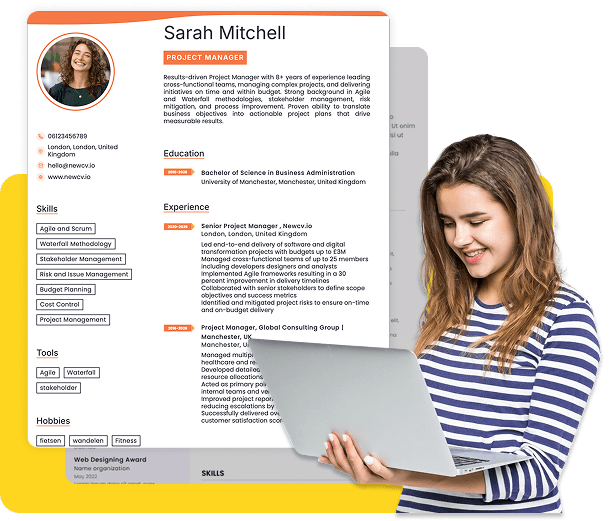
Use ATS-optimised Resume and resume templates that pass applicant tracking systems. Our Resume builder helps recruiters read, scan, and shortlist your Resume faster.
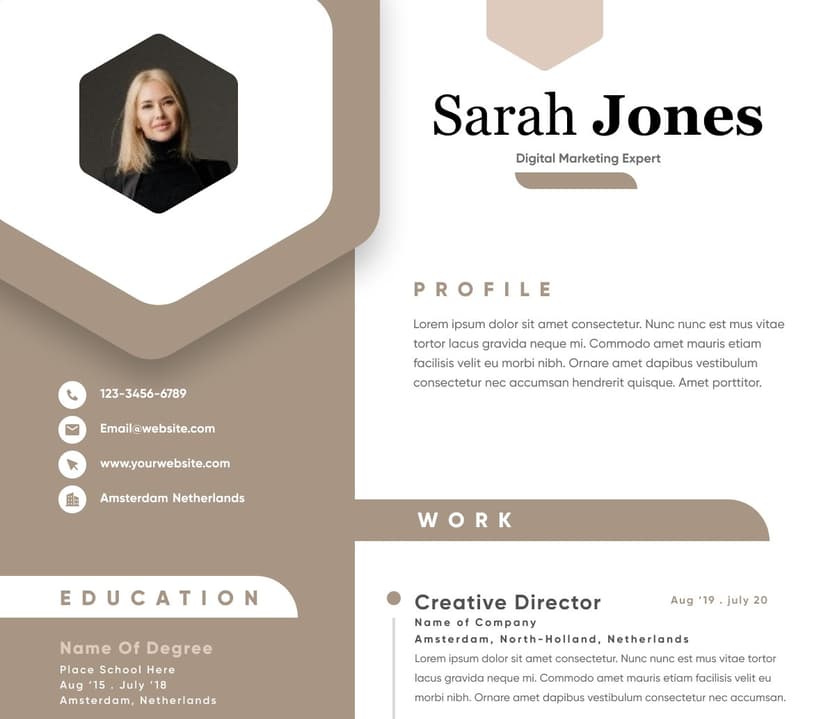
Use professional field-tested resume templates that follow the exact Resume rules employers look for.
Create Resume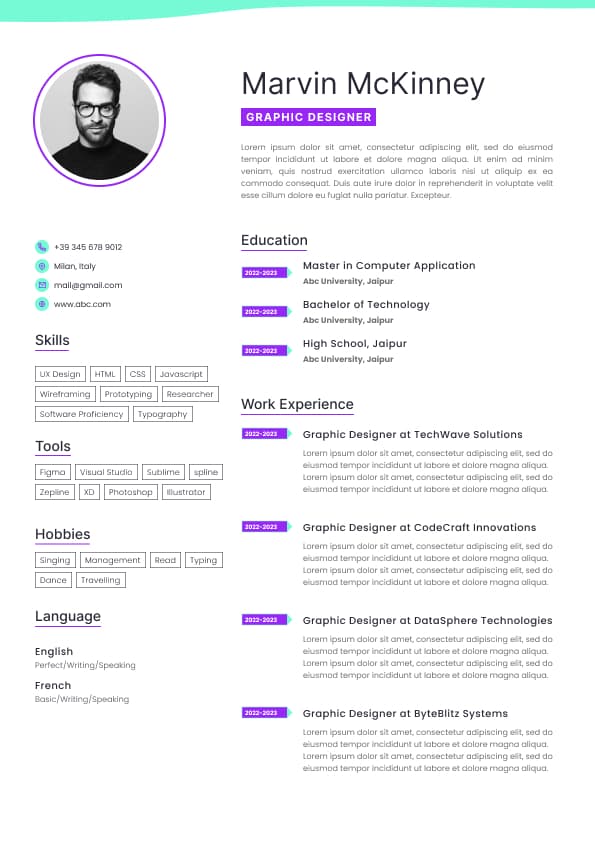
Use professional field-tested resume templates that follow the exact Resume rules employers look for.
Create ResumeA follow up email after an interview can absolutely influence hiring decisions in Australia, especially when candidates are closely matched. Most hiring managers will not hire someone purely because they sent a follow up email, but they can absolutely rule candidates out based on poor communication, lack of professionalism, desperation, or complete silence after the interview process.
In the Australian job market, a good follow up email shows professionalism, communication skills, commercial awareness, and genuine interest in the role without sounding pushy. The key is getting the timing, tone, and wording right. Most candidates either send generic AI-style emails that add no value or overdo it and hurt their chances.
The best follow up emails are short, specific, professionally warm, and aligned with Australian workplace culture. They reinforce fit for the role, briefly reconnect to the interview conversation, and make it easy for the hiring manager or recruiter to move forward.
Yes, in most professional Australian industries, you should.
A well-written follow up email can help you:
Stay top of mind after interviews
Reinforce your suitability for the role
Demonstrate professionalism and communication skills
Clarify key strengths discussed during the interview
Build stronger rapport with the hiring manager or recruiter
Show genuine interest without sounding desperate
This is particularly important in competitive Australian hiring markets such as:
Most candidates misunderstand how follow up emails are evaluated.
Hiring managers in Australia are usually looking for signs of:
Professional communication
Emotional intelligence
Commercial maturity
Attention to detail
Genuine interest in the role
Confidence without arrogance
What hurts candidates most is when follow up emails feel:
Generic
Corporate and professional services
Government and public sector roles
Technology and IT
Healthcare leadership positions
Marketing and communications
Recruitment and HR
Project management
Financial services
Consulting
Sales and account management
However, the quality of the email matters far more than simply sending one.
A weak follow up email can damage your positioning.
Overly formal
AI-generated
Pushy
Desperate
Too long
Self-promotional
Repetitive
Australian hiring culture generally values professionalism mixed with authenticity. Overly aggressive American-style “sales” language often performs poorly here.
The ideal timing in Australia is:
Within 12 to 24 hours after the interview
Usually the same afternoon or next business morning
Do not send it:
Five minutes after the interview
Late at night
Multiple days later unless there is a specific reason
If you interviewed on a Friday afternoon, sending the email Monday morning is usually acceptable.
This depends on the interview structure.
Send the follow up email to the recruiter.
Send it directly to the hiring manager.
Usually send:
One email addressed to everyone if they were copied together
Or individual tailored emails if the interviews were separate and senior-level
For executive or leadership roles, personalised emails often perform better.
The strongest follow up emails in Australia generally follow this structure:
Keep this brief and professional.
This is where most candidates fail.
Mentioning a genuine discussion point makes the email feel authentic rather than templated.
Do not repeat your entire resume.
Focus on one or two relevant strengths aligned with their priorities.
Keep the closing confident and simple.
Hi Sarah,
Thank you again for your time yesterday. I really enjoyed learning more about the role and the broader growth plans for the marketing team.
Our discussion around brand positioning and campaign performance particularly stood out to me, especially the focus on improving lead quality rather than purely increasing volume. It aligns closely with the work I’ve been leading in my current role.
After the interview, I’m even more confident that my experience across digital strategy, stakeholder management, and campaign optimisation would allow me to contribute strongly to the team.
Thanks again for the opportunity. I appreciate the time you and the team invested throughout the process, and I look forward to hearing about the next steps.
Kind regards,
James Turner
This email works because it is:
Short and easy to read
Specific to the actual interview
Professionally warm
Commercially focused
Confident without overselling
Relevant to the employer’s priorities
Most importantly, it sounds human.
Dear Hiring Manager,
Thank you for interviewing me today. I am very excited about the opportunity and believe I would be a great fit for the company. I look forward to hearing from you soon.
Regards,
John
Problems include:
Too generic
No personalisation
No reference to the interview
Sounds copied and pasted
Adds no strategic value
Forgettable
Hi Michael,
Thank you again for the conversation yesterday regarding the Senior Project Manager opportunity.
I particularly enjoyed discussing the organisation’s upcoming transformation projects and the challenges around stakeholder alignment across multiple business units. The role sounds like a strong match for my background managing complex enterprise programs in fast-moving environments.
Our discussion reinforced my interest in the position, particularly given the organisation’s focus on delivery outcomes, cross-functional collaboration, and operational improvement.
I appreciate the opportunity and look forward to hearing about the next stage of the process.
Kind regards,
Emma Collins
Shorter is usually better.
Ideal length:
Most hiring managers will scan the email in under 30 seconds.
Long emails often signal poor communication skills or insecurity.
Yes, but timing matters.
Generally wait:
5 to 7 business days after the interview
Or after the timeframe they originally gave you
If they said:
“We’ll be making decisions by Friday”
Wait until the following Monday or Tuesday.
Hi Daniel,
I hope you’re well.
I wanted to follow up regarding the Business Analyst position following our interview last week. I remain very interested in the opportunity and enjoyed learning more about the team and upcoming projects.
I understand recruitment processes can take time, but I wanted to check whether there have been any updates regarding next steps.
Thanks again, and I look forward to hearing from you when convenient.
Kind regards,
Sophie Nguyen
Avoid phrases like:
“I really need this job”
“Please let me know urgently”
“I know I’m perfect for this role”
This creates pressure and weakens your positioning.
Long emails reduce response rates significantly.
Hiring managers are busy.
Many follow up emails now sound identical.
Recruiters immediately recognise generic AI phrasing like:
“I am writing to express my sincere gratitude”
“I greatly appreciated the opportunity to interview”
“I remain enthusiastic regarding the potential opportunity”
Natural Australian business communication is usually more direct and conversational.
One thank you email plus one reasonable follow up is usually enough.
Repeated chasing can damage your candidacy.
Australian hiring culture generally responds better to:
Confident professionalism
Clear communication
Commercial awareness
Authenticity
Overly formal corporate language can feel unnatural.
Sometimes yes, especially when:
The shortlist is close
Communication skills matter
Stakeholder management matters
Client-facing skills matter
The hiring manager values professionalism
The process involves multiple decision-makers
A strong follow up email can reinforce positive perceptions already formed during the interview.
But it will not usually rescue a poor interview.
Yes.
Final-stage follow up emails should feel slightly more strategic and commercially mature.
At final stage, hiring managers are often evaluating:
Team fit
Executive communication
Professional judgement
Long-term alignment
Leadership presence
Your email should reflect that level of professionalism.
At final interview stage:
Reinforce strategic fit
Reference business priorities discussed
Show confidence
Avoid overselling
Keep the tone calm and professional
Senior candidates especially should avoid sounding overly eager.
A follow up email is not the place to apologise excessively.
Do not send:
Defensive explanations
Emotional messages
Long clarifications
Overcorrections
However, if you genuinely missed an important point, you can briefly address it professionally.
“After reflecting on our discussion, I also wanted to mention my experience leading ERP implementation projects across multi-site operations, which I believe aligns closely with your upcoming transformation work.”
Keep it concise.
Usually yes, particularly if:
It was with the hiring manager
It was a formal screening interview
The role is professional or corporate
You are progressing through multiple stages
For quick recruiter screening calls, follow up is optional unless the conversation was substantial.
Good subject lines are simple.
Examples:
Thank You – Interview for Operations Manager
Thanks for Your Time Yesterday
Following Up – Finance Analyst Interview
Thank You – Project Coordinator Role
Avoid:
“Just Checking In!!!”
“Any Updates?”
“Please Respond”
Experienced hiring managers often evaluate:
Does the candidate communicate clearly and professionally?
Do they understand tone and timing?
Did they reference actual discussion points?
Do they understand the role and business priorities?
Are they secure and professional, or overly anxious?
These signals matter more than most candidates realise.
The most effective Australian follow up emails are:
Short
Personalised
Commercially relevant
Professionally warm
Easy to read
Calm and confident
The goal is not to “convince” the employer.
The goal is to reinforce a strong professional impression.


 Upload Resume
 Import from Linkedin